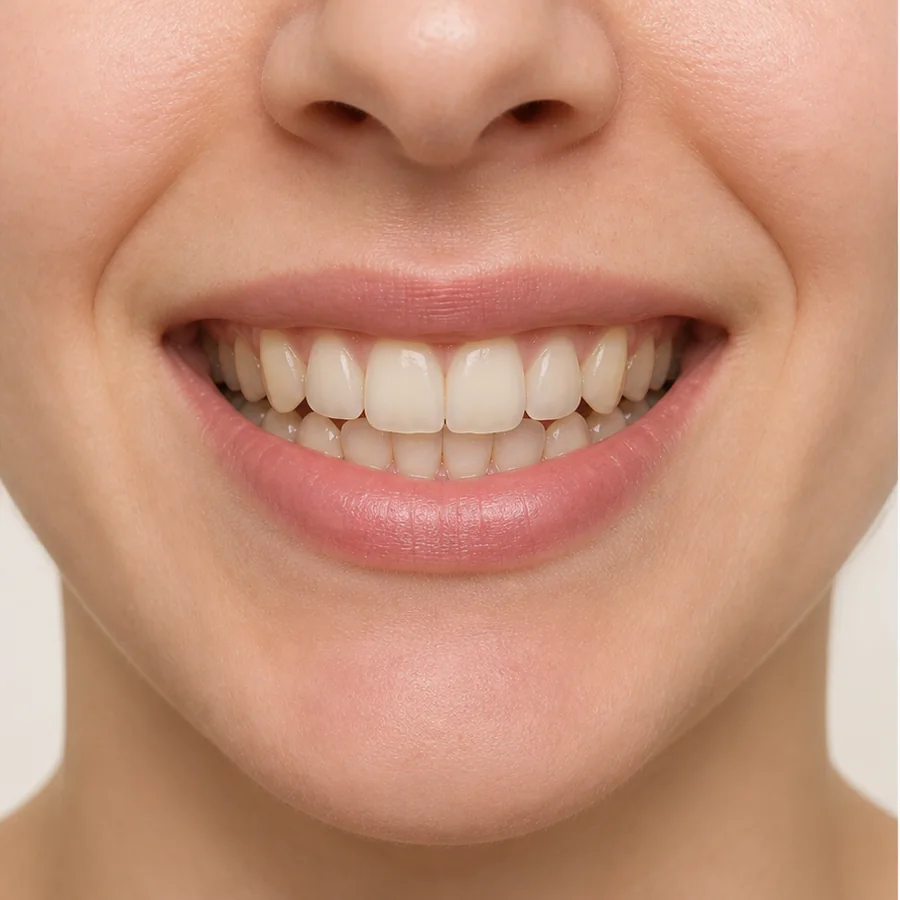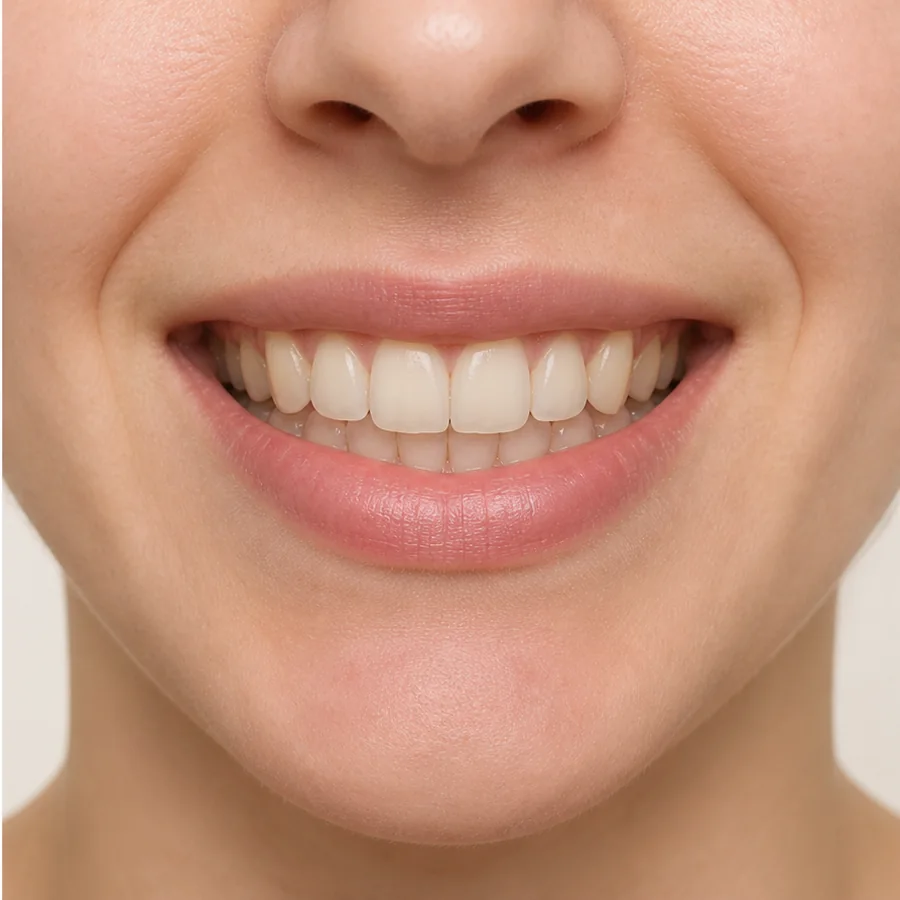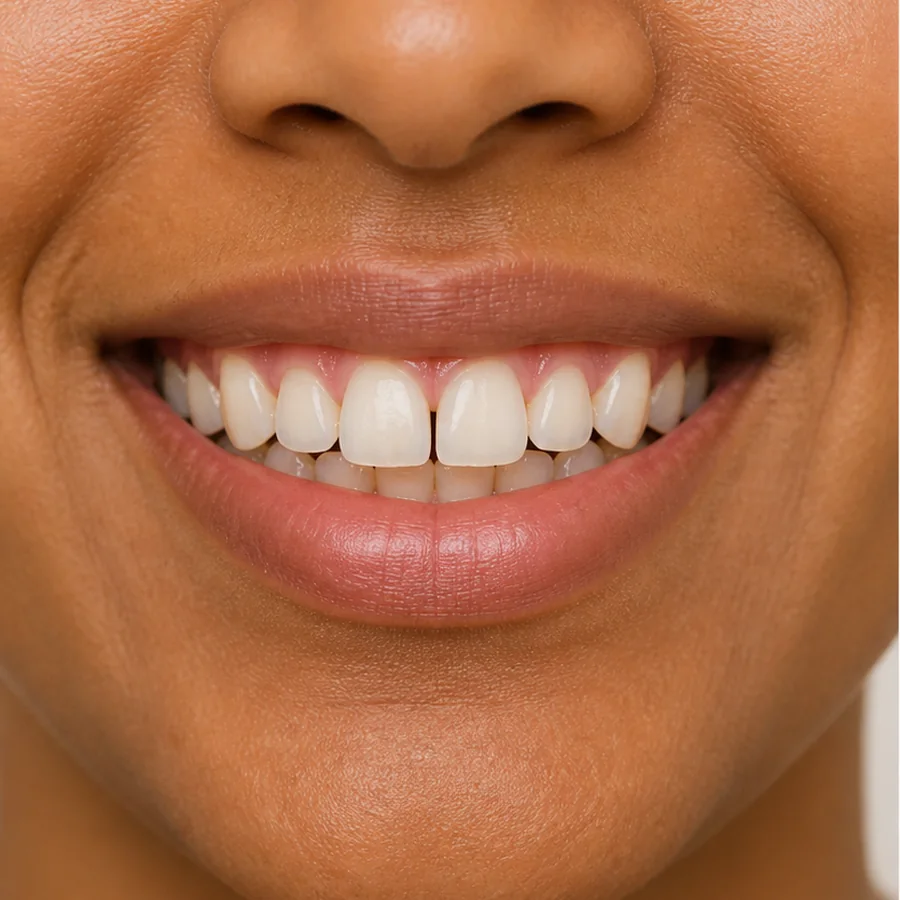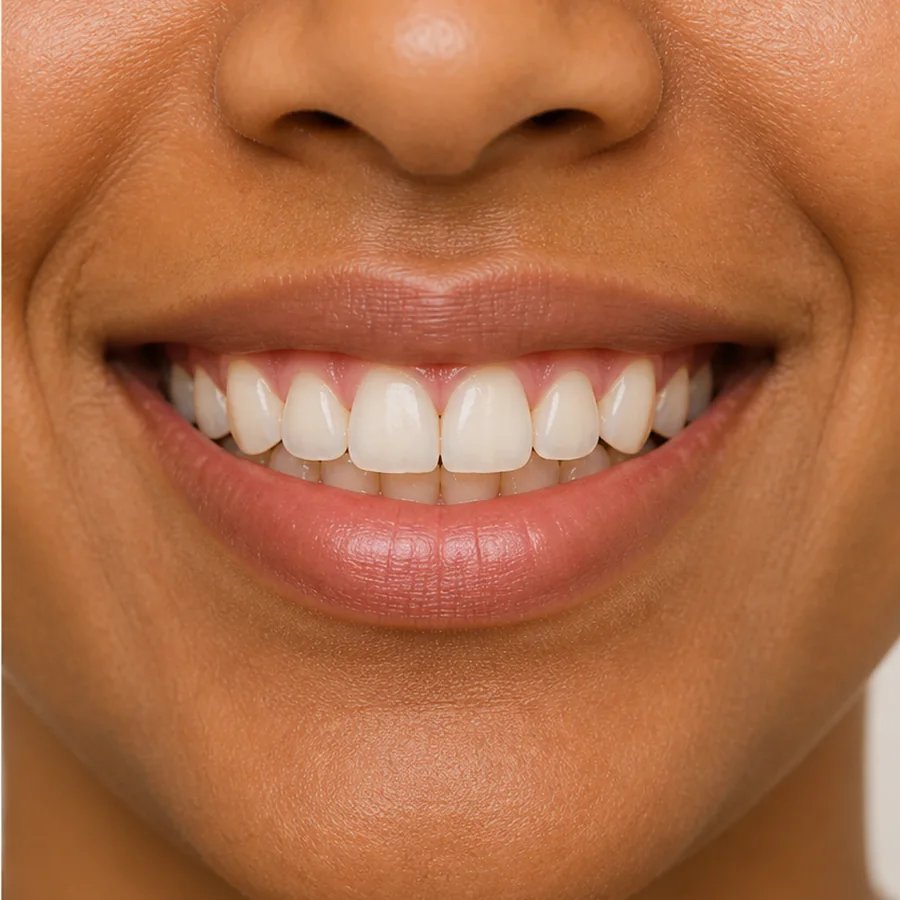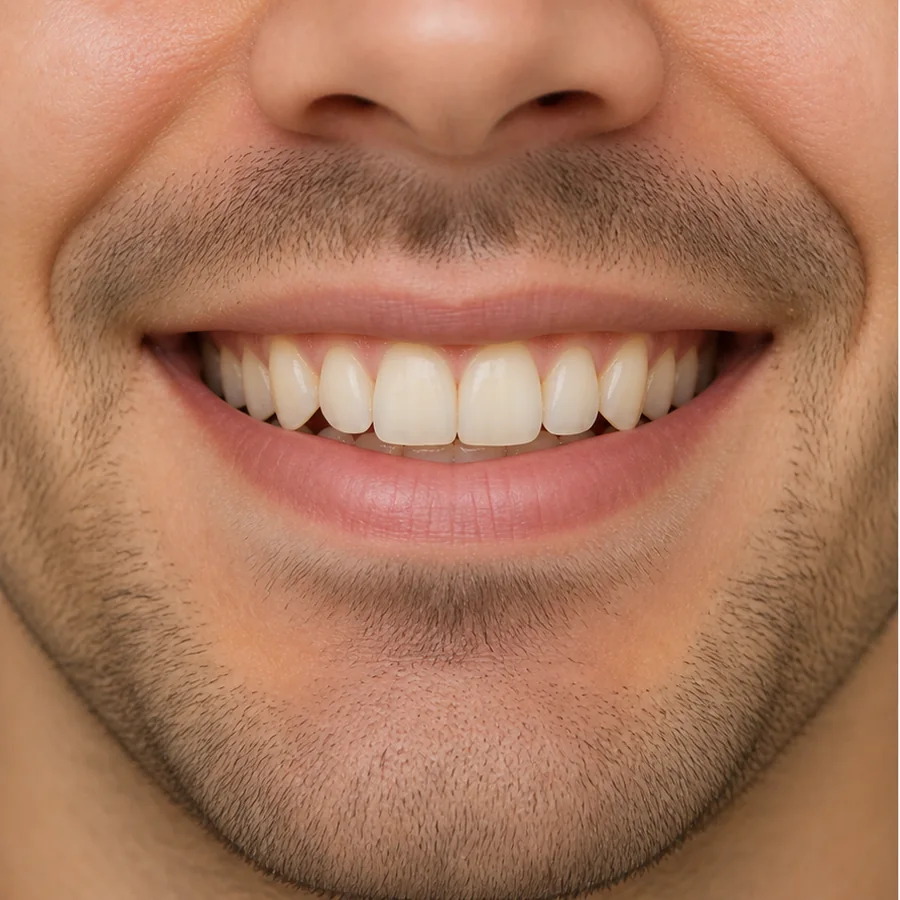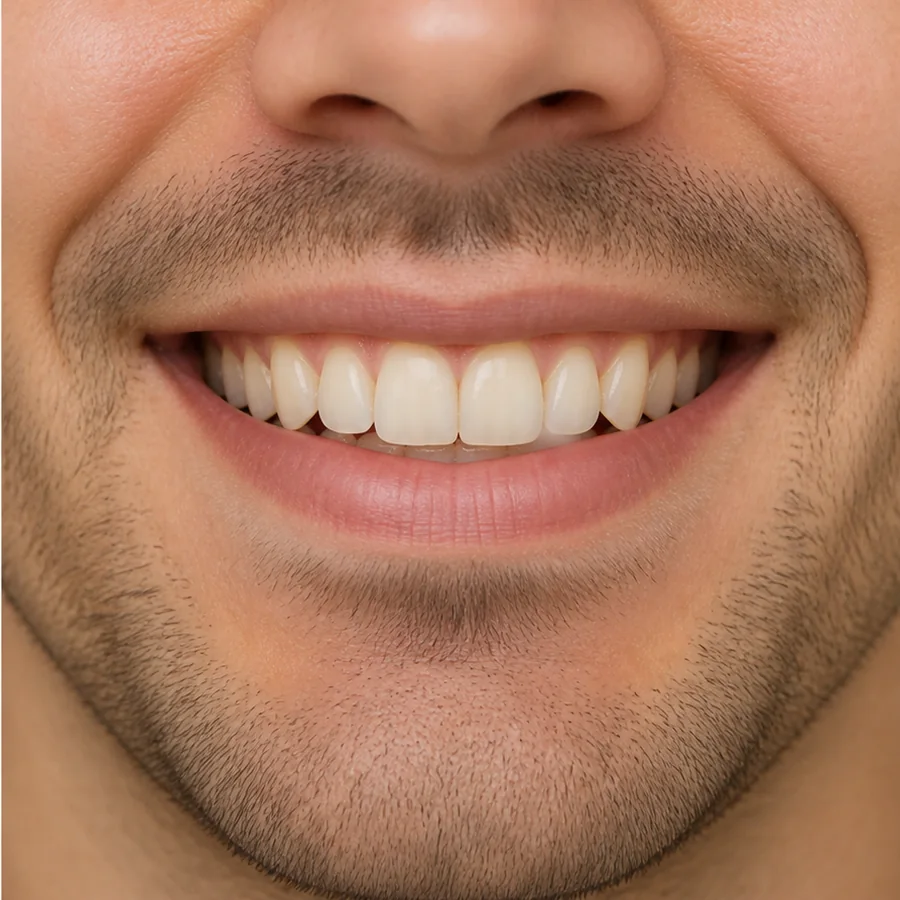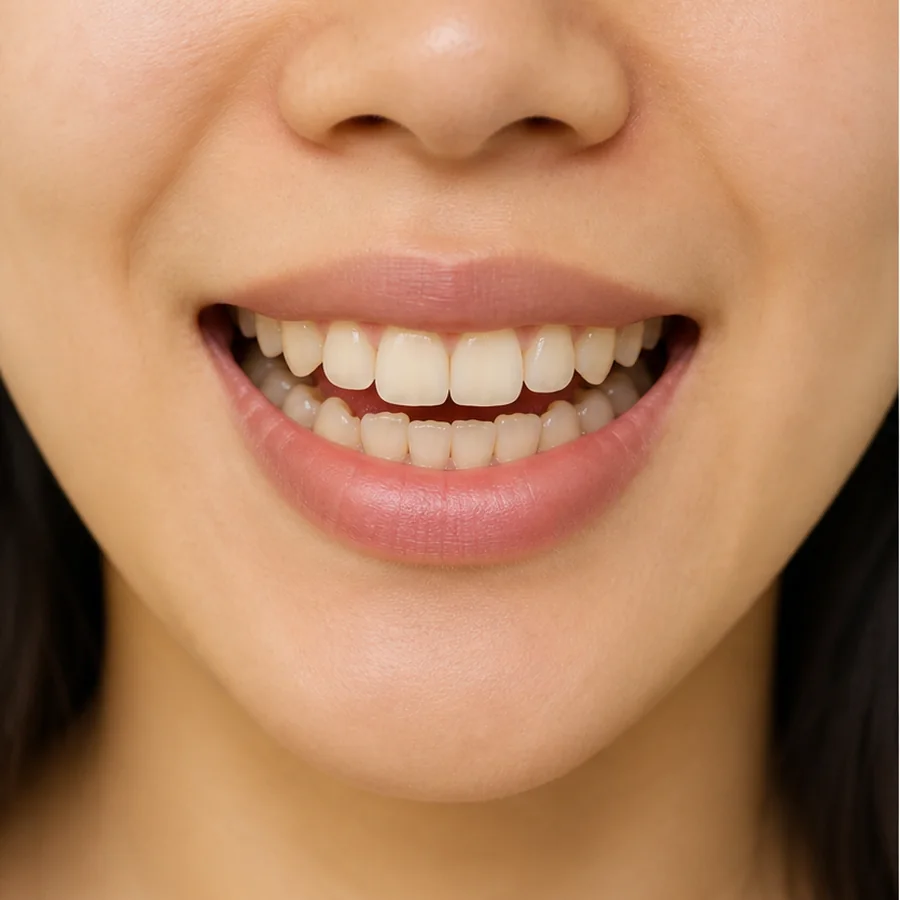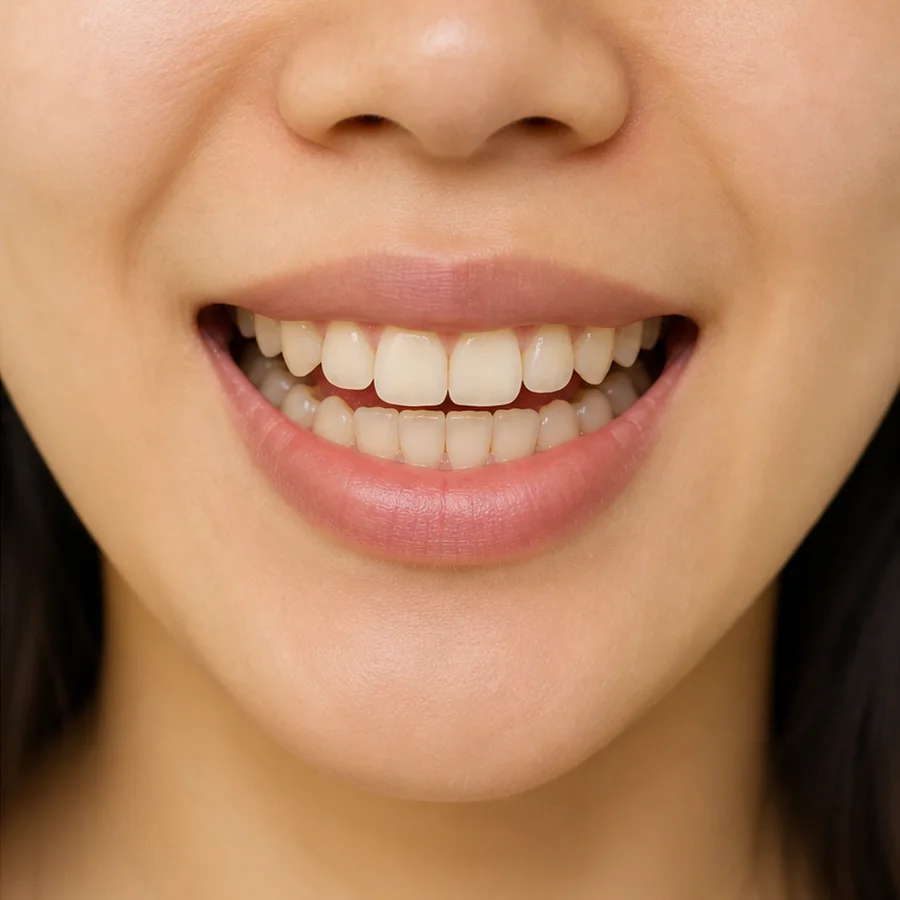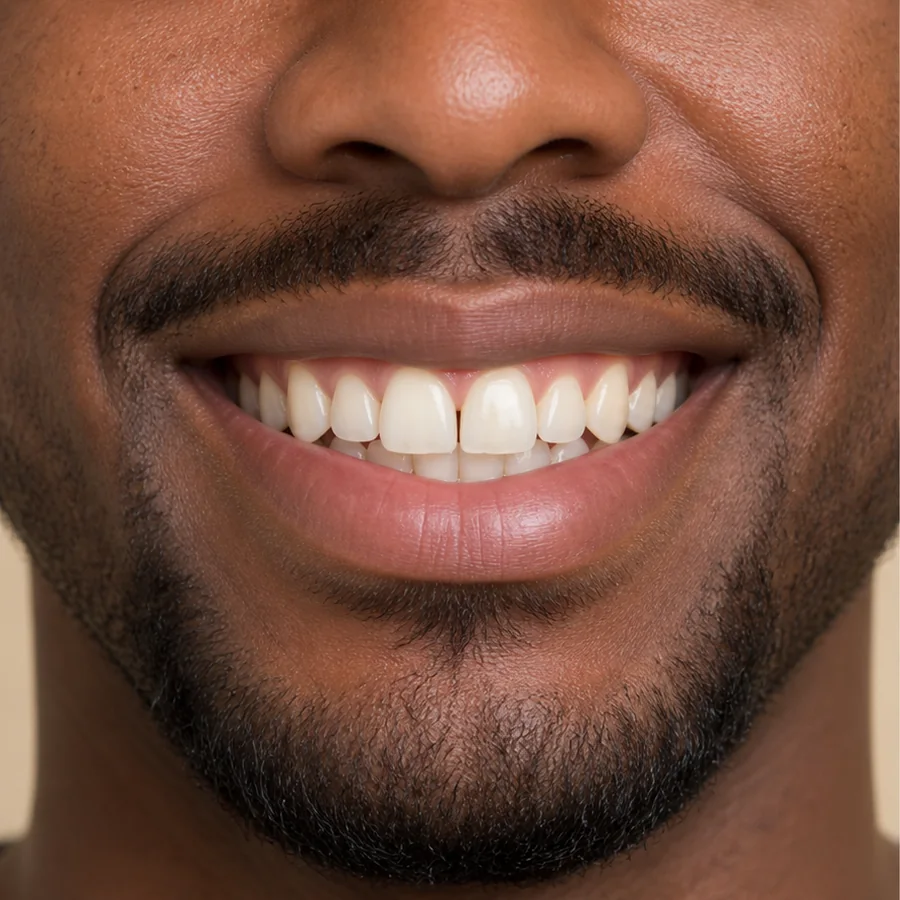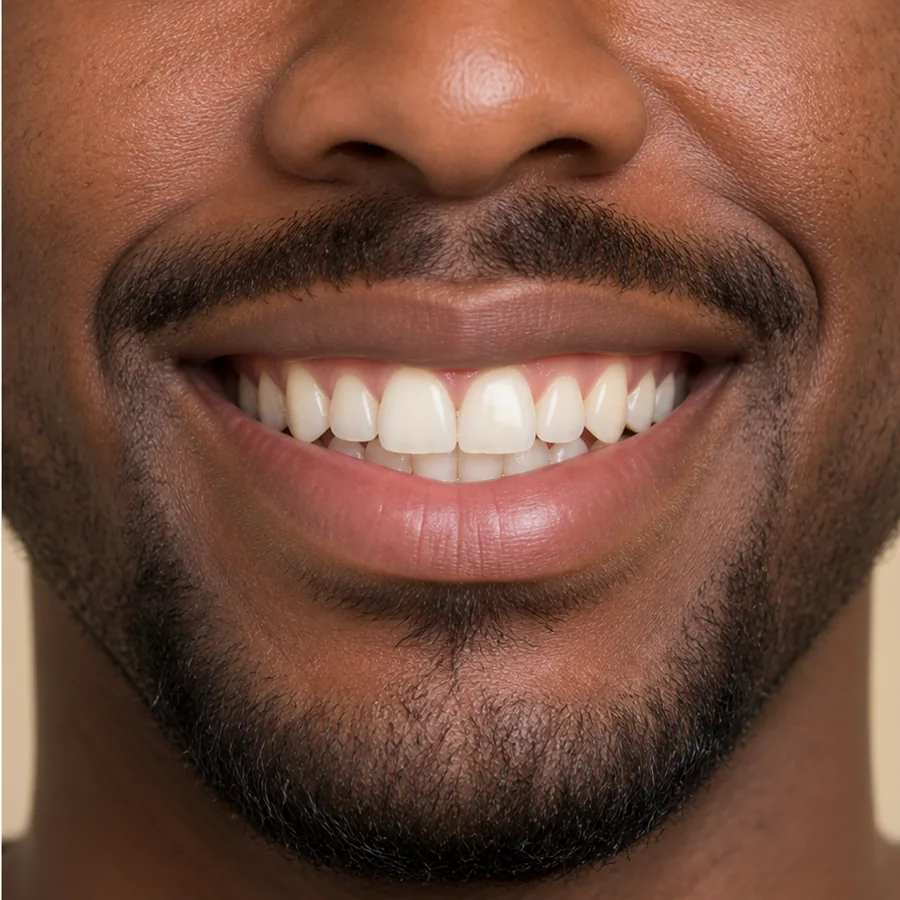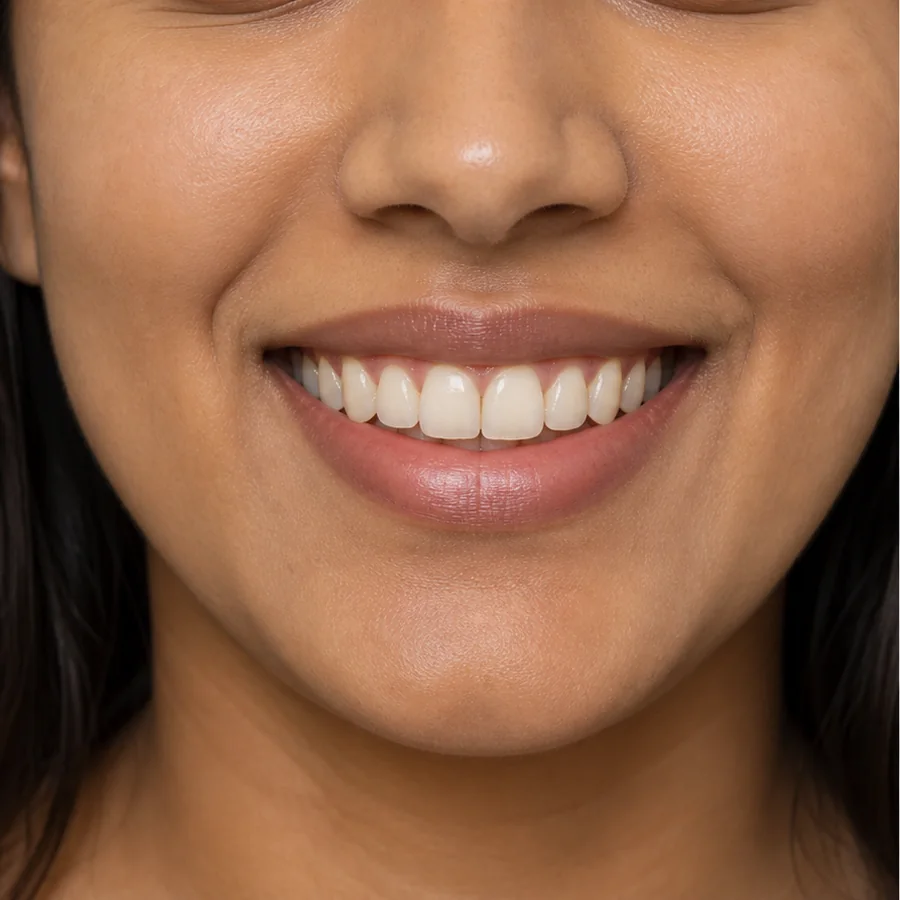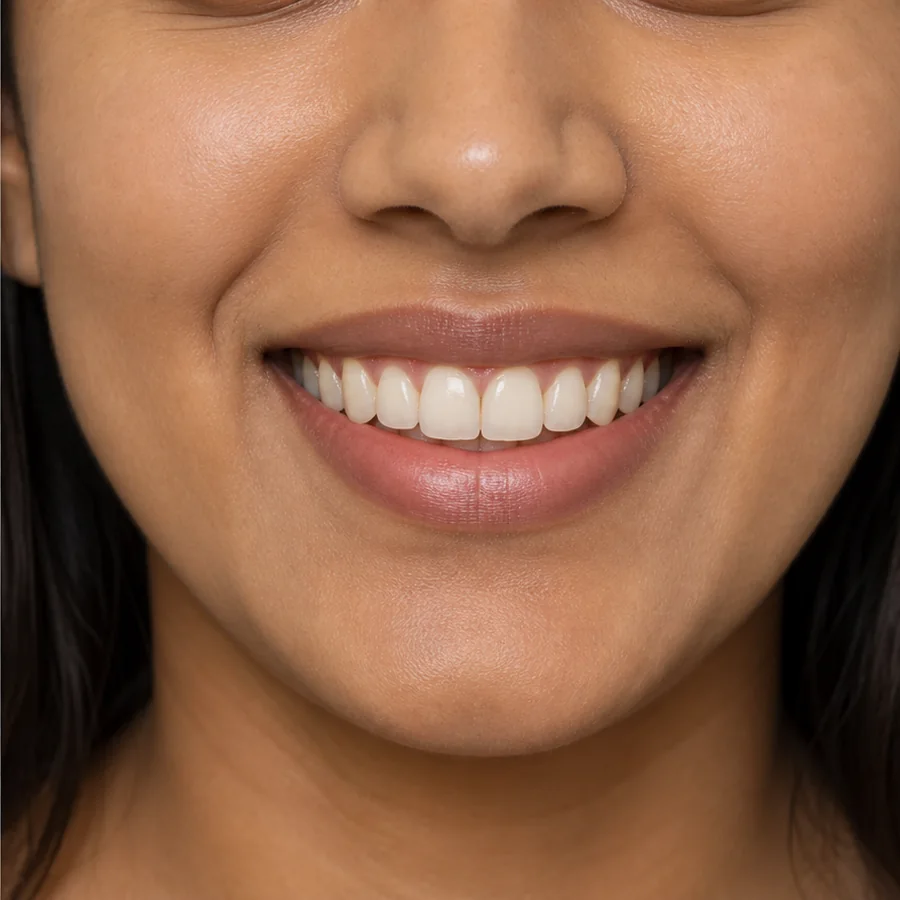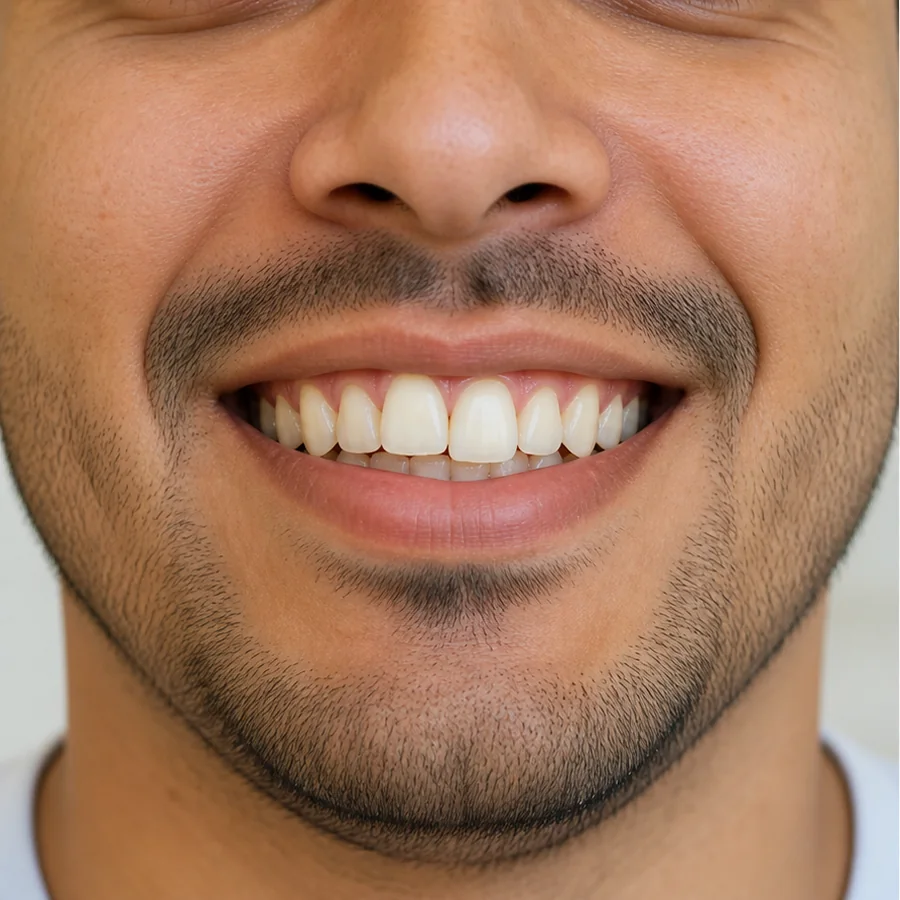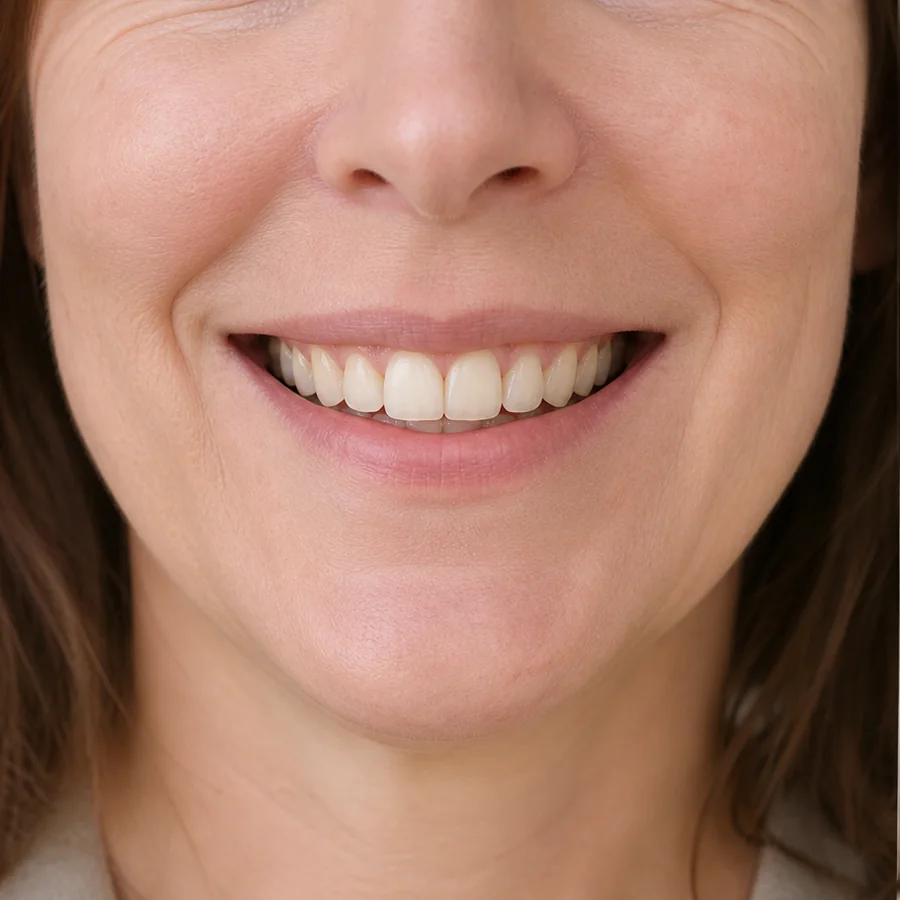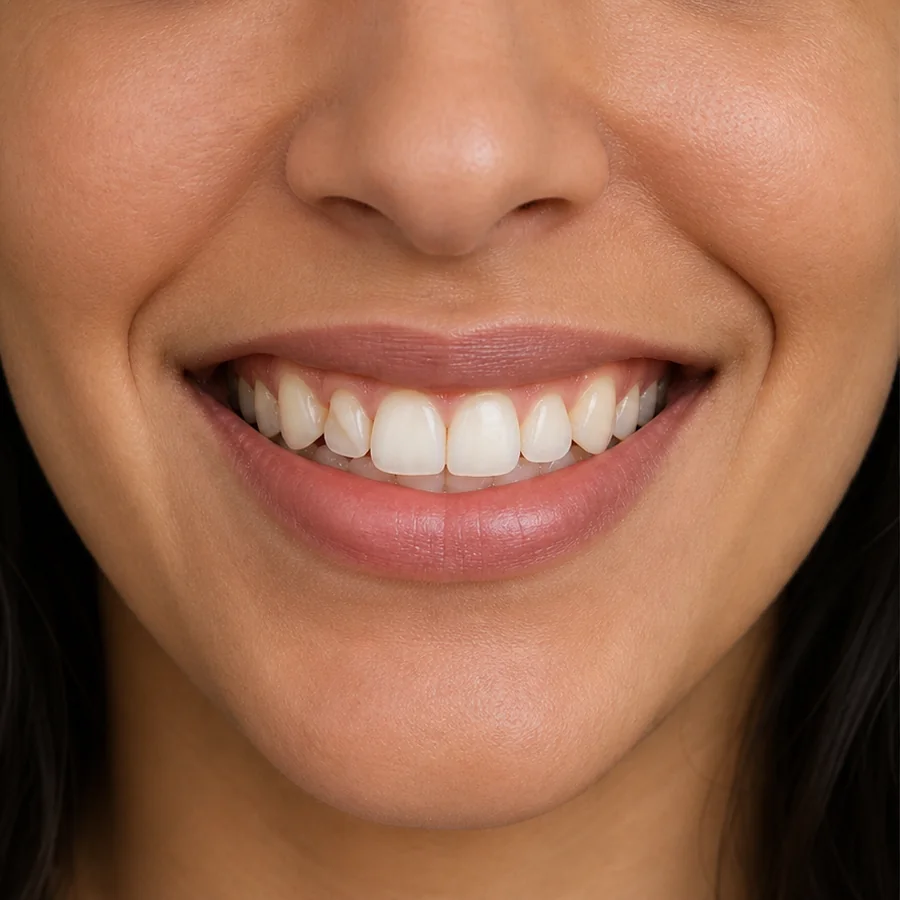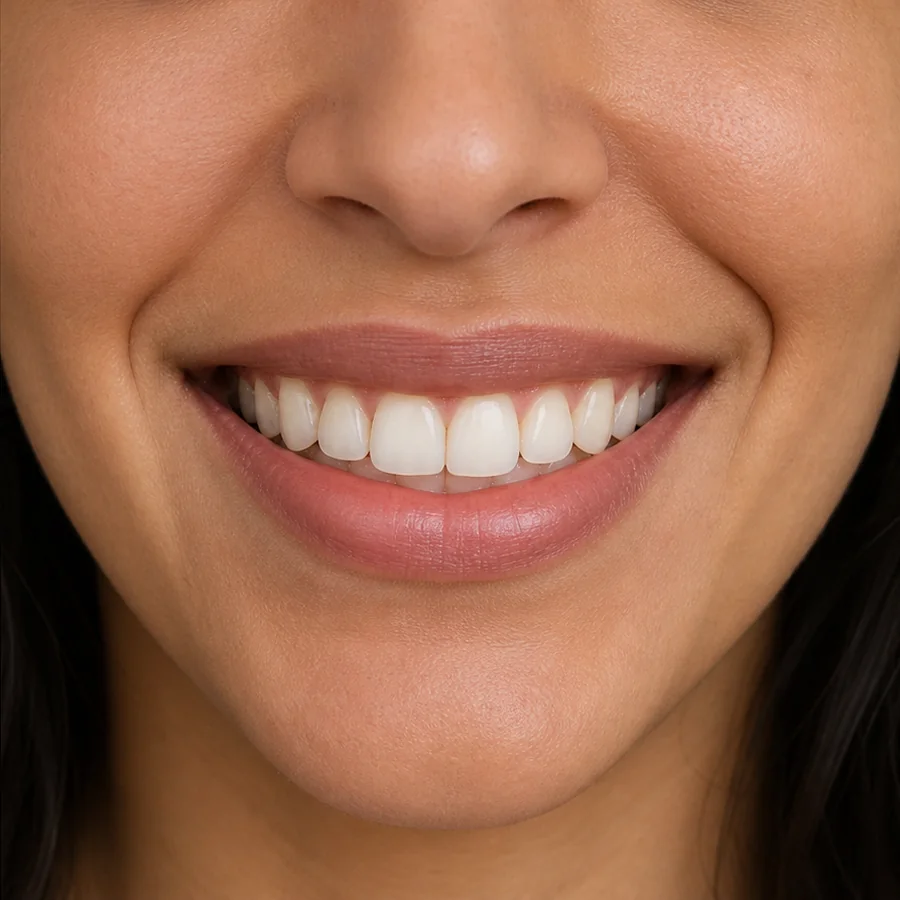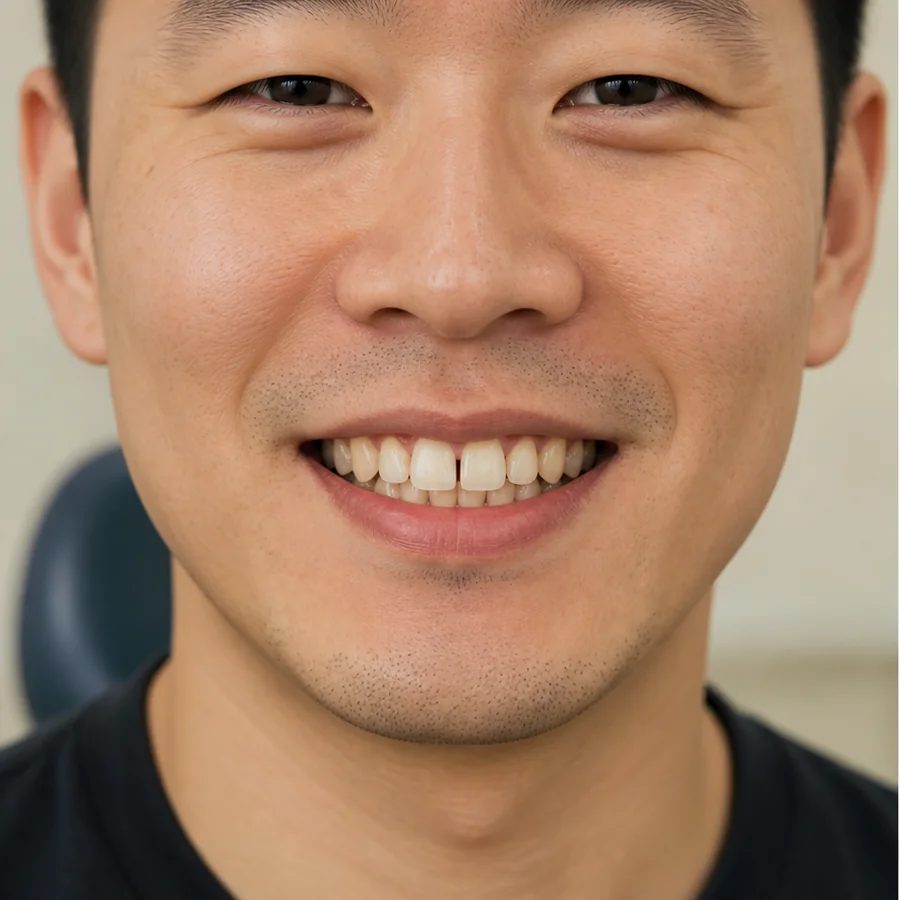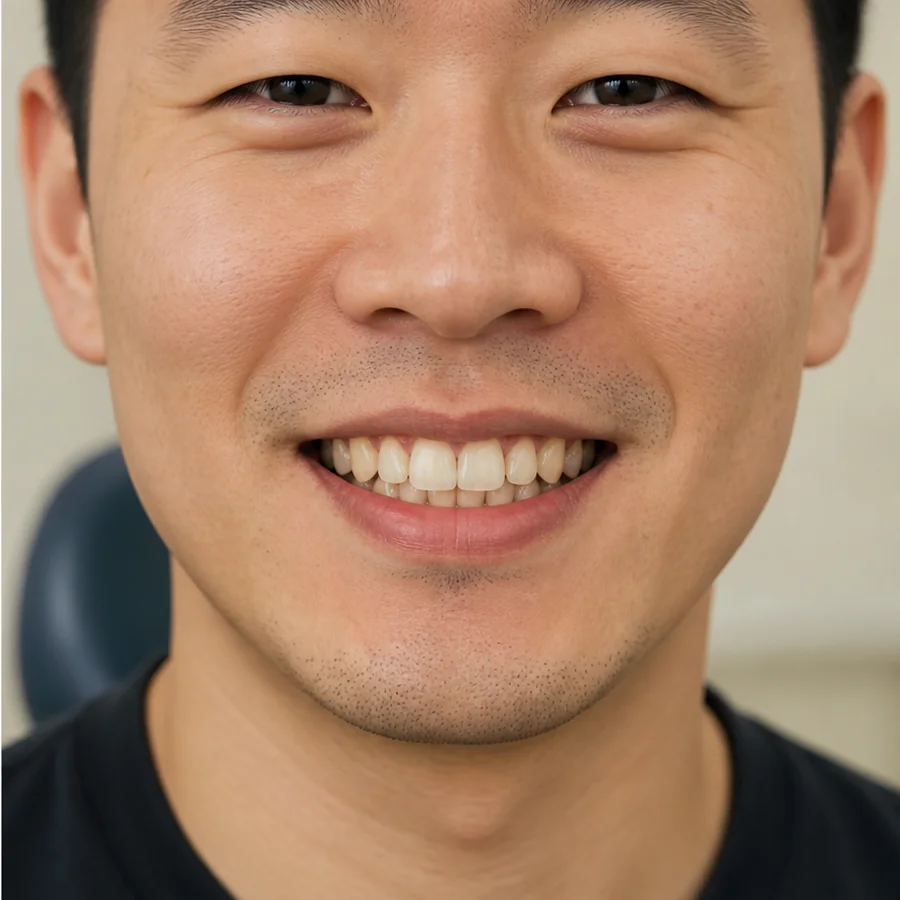
What bruxism looks like
Bruxism includes clenching or grinding while awake or asleep. Possible clues include morning jaw fatigue, temple headaches, tooth wear, chipped edges, sensitivity, muscle tenderness or a partner hearing grinding at night. These signs overlap with other conditions, so a dental examination matters.
Stress, sleep problems, medications, bite factors and other health issues may contribute. Treatment is individualized; an aligner alone does not address every cause.
Aligners are not the same as night guards
An orthodontic aligner is a precisely programmed appliance that applies force to selected teeth. A protective occlusal splint or night guard is usually designed with different material, thickness and contact patterns to manage load or symptoms. Wearing an unapproved guard over or instead of trays can interfere with tooth movement.
Do not stack appliances or switch to a store-bought guard without speaking to your provider. If protection is needed, the orthodontic and restorative plan must be coordinated so it does not stop prescribed movement.
How grinding can affect trays
Mild surface marks may occur, but cracks, holes, sharp edges or rapid clouding deserve attention. Repeated heavy loading can deform a tray, loosen attachments or make the aligner fit unevenly. A damaged tray may no longer deliver the intended force.
Inspect trays when cleaning them. If one splits or no longer seats fully, contact the provider and follow their instructions about using the previous tray, a replacement, or another step in the series.
Practical ways to reduce risk
Follow the prescribed wear and change schedule, clean trays with cool or lukewarm water, and keep every recently used set. Avoid chewing on the aligners and do not expose them to heat, which can compound distortion. Use seating aids only as directed.
For awake clenching, simple awareness cues, relaxed jaw posture and stress-management strategies may help some people. Persistent nighttime symptoms, poor sleep or loud snoring should be discussed with an appropriate health professional.
What your provider may monitor
At reviews, the clinician can examine tray wear, attachments, tooth contacts, tracking and jaw-muscle symptoms. They may slow movement, replace a tray, change the plan or recommend evaluation for a protective appliance at an appropriate stage.
After active orthodontic treatment, retainers and any bruxism appliance must also be coordinated. A conventional night guard should not casually replace a prescribed retainer because teeth can relapse.
When to call the dentist
Arrange care for a cracked tooth, new severe sensitivity, limited jaw opening, facial swelling, persistent joint pain or a tray that repeatedly breaks. Seek urgent help for trauma, uncontrolled bleeding or swelling that affects breathing or swallowing.
The safest goal is twofold: keep tooth movement on track and identify why damaging forces are occurring. That requires professional assessment rather than assuming the plastic tray is sufficient protection.
Practical planning checklist
Keep a short symptom record for two weeks: morning jaw fatigue, headaches, tooth sensitivity, sleep quality, stressful periods and visible tray damage. Photographs of repeated cracks or wear facets can help the clinician see patterns that a single appointment misses.
Ask whether any medications, sleep symptoms or daytime habits warrant discussion with a physician. Loud snoring, witnessed pauses in breathing and marked daytime sleepiness deserve medical assessment; an orthodontic tray cannot diagnose or manage a sleep-breathing disorder.
Review how bite contacts are changing as teeth move. Temporary contact changes may affect muscle comfort, but persistent joint pain or a new inability to chew normally should not be dismissed. The clinician may hold a stage, reassess fit or coordinate with a dentist experienced in jaw pain.
Plan retention early. A protective appliance and an orthodontic retainer have different jobs, and the final design may need to serve both needs or be carefully sequenced. Buying a generic guard after treatment can leave teeth free to move and undo the result.
Separate appliance wear from symptom control
At review, compare where the plastic is marked with clinical tooth wear and muscle tenderness. A hole in every tray at the same location may identify concentrated loading, but it does not reveal the cause by itself. Ask whether jaw-joint evaluation, restorative protection, sleep assessment or behavioral strategies are appropriate in parallel with orthodontics.
Agree on a threshold for changing the plan: repeated breakage, worsening pain, new fractures, loss of tracking or disrupted sleep. Keep damaged trays for inspection unless told otherwise. Do not soften, patch or glue them. A deliberate pause or modified force system can protect teeth better than advancing through replacements while the underlying load remains unexplained.
Frequently asked questions
Do clear aligners stop teeth grinding?
No. They may separate tooth surfaces, but they are not a proven cure for the causes of bruxism.
Can I wear a night guard over aligners?
Only if your treating clinician designs or approves the combination. An unplanned appliance can prevent tooth movement.
Are bite marks on aligners normal?
Light marks can occur, but cracks, holes, sharp edges or loss of fit should be reported.
What happens after aligner treatment if I grind?
Your dentist or orthodontist can coordinate retention with an appropriate protective appliance based on your bite and symptoms.
Sources and review notes
This article was prepared by the Hello My Teeth Editorial Team from authoritative dental guidance and peer-reviewed research. It provides general education, not an individualized diagnosis or treatment plan.
- PubMed: Bruxism and Clear Orthodontic Retainers—Systematic Review
- American Dental Association: Direct-to-Consumer Dental Services
Ready for a professionally reviewed plan?
Complete the candidacy check and provide the requested records so a licensed professional can determine whether a Hello My Teeth plan fits your case.