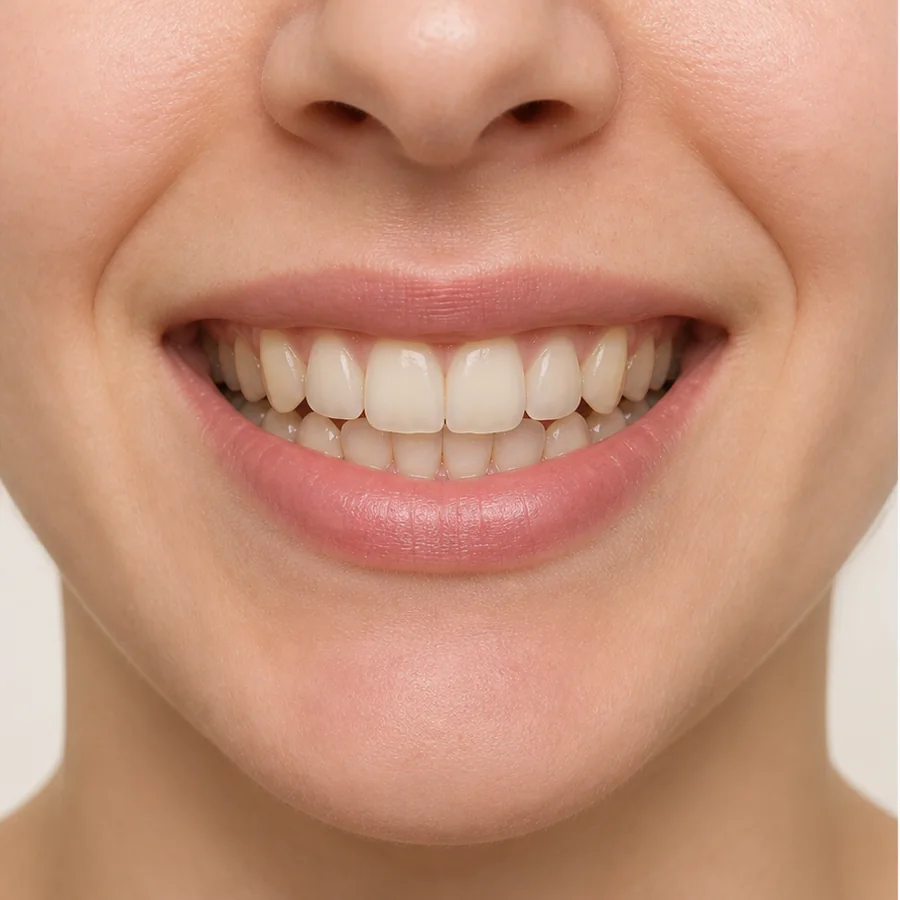
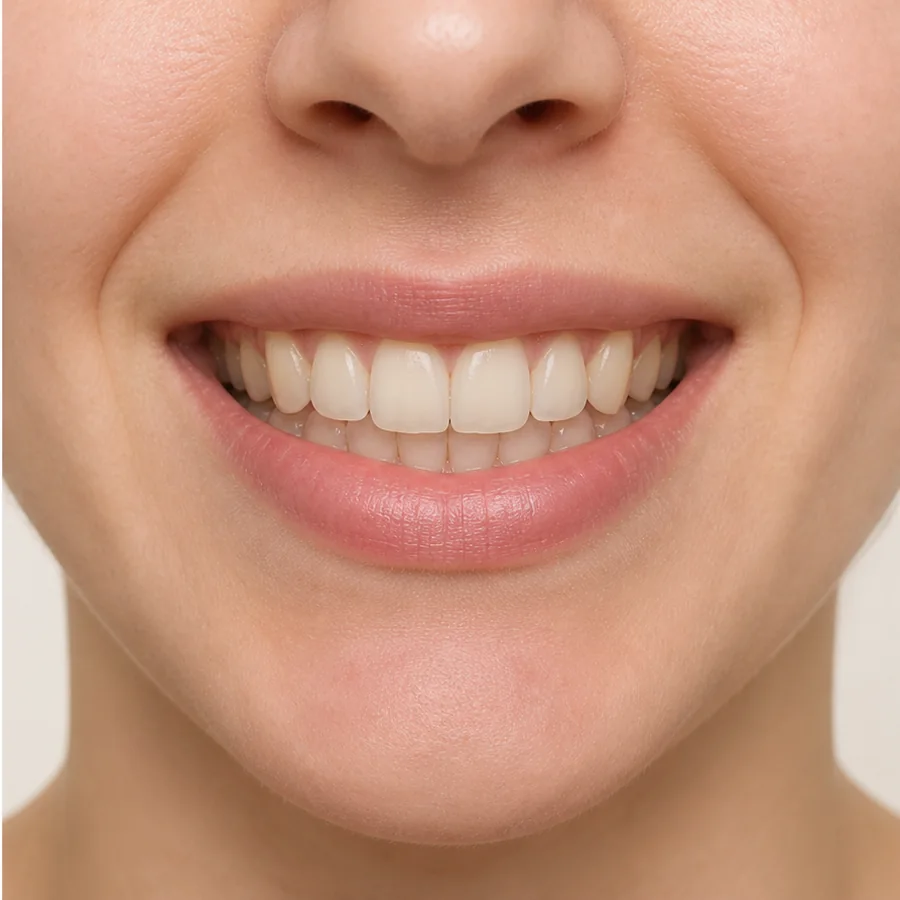
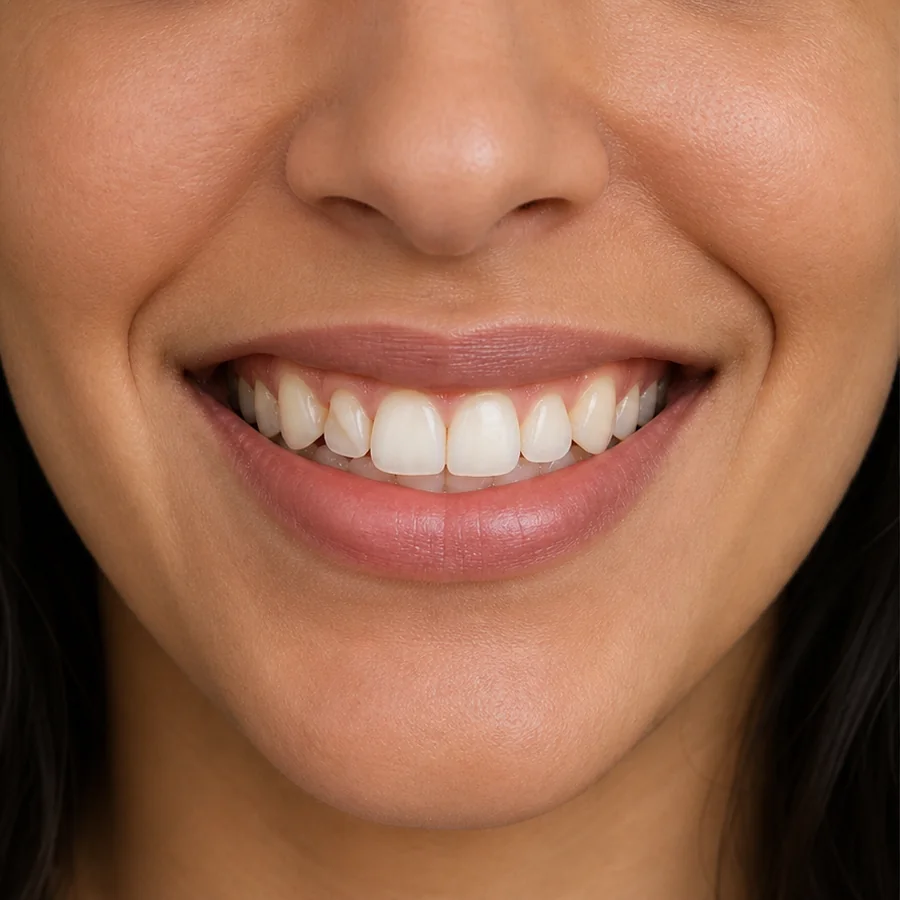
Case 01
Mild crowding
A modest alignment goal for overlapping front teeth.
The Hello My Teeth Blog
Everything you need to know about clear aligners — from how they work to how to pay for them — written plainly and checked by our clinical team.
Start with a practical guide, a buying checklist or the questions to keep with your written quote.
Compare Manhattan and Turtle Bay quotes using the same inclusions.
Explore the guide Planning organizerDownload a checklist for appointments, fees and delivery details.
Explore the guide Before orderingCompare kit terms, shipping, retakes and the published plan.
Explore the guide Payment questionsRead the existing guide to insurance and payment options.
Explore the guide Compare productsCompare features, brush heads and ongoing ownership costs.
Explore the guide Plan inclusionsPrepare a complete quote comparison before choosing a package.
Explore the guideTry a different keyword or choose all topics.
Compare tablets, crystals and foam by routine, pros and cons, compatibility and research criteria. Shopping links are pending approval.
Read comparison →Shopping for the best electric toothbrush for braces or clear aligners? Start with a gentle brush head, a useful pressure sensor, a two-minute timer and replacement heads you can actually bu Read the comparison and buying checklist.
Read article →The best water flosser for braces is the one you will use every day, with a tip and pressure range that let you clean around brackets without splashing the whole bathroom. Compare reservoir Read the comparison and buying checklist.
Read article →Oral-B and Philips Sonicare are the two electric toothbrush families shoppers compare most often. For braces, the useful question is not which logo wins overall. It is which exact brush head Read the comparison and buying checklist.
Read article →If brushing feels sharp or your gums are tender, the best electric toothbrush for sensitive teeth is usually the one with a genuinely gentle mode, soft replacement heads and pressure feedbac Read the comparison and buying checklist.
Read article →The best toothpaste for sensitive teeth and enamel should match the reason for sensitivity, contain fluoride unless your dentist says otherwise, and fit a routine you can follow twice a day. Read the comparison and buying checklist.
Read article →The best whitening strips for sensitive teeth are the ones with clear active-ingredient information, realistic wear instructions and a plan for stopping if sensitivity starts. Whitening is c Read the comparison and buying checklist.
Read article →Water flosser vs string floss is a practical buying decision, not a contest with one winner for everyone. The best option is the method that cleans your spaces safely and that you will use c Read the comparison and buying checklist.
Read article →The best retainer cleaner tablets should be compatible with your appliance, easy to rinse away and used according to the label. Retainers and clear aligners are medical appliances, so a plea Read the comparison and buying checklist.
Read article →An electric toothbrush with a pressure sensor can make brushing gentler by warning you when you press too hard. It is especially useful for people with sensitive teeth, gum recession, braces Read the comparison and buying checklist.
Read article →Professional vs at-home teeth whitening cost depends on the product, supervision, number of sessions and what happens before and after treatment. Compare the total plan, not just the kit pri Read the comparison and buying checklist.
Read article →Learn when teens may qualify for clear aligners, what records are needed, how wear is monitored, and what parents should ask before treatment.
Read article →Understand why tooth-colored aligner attachments are used, how they are placed and removed, and what to do if one falls off during treatment.
Read article →Learn what interproximal reduction means, why it may be planned with clear aligners, how it is measured, and what questions to ask first.
Read article →Understand why clear aligner refinements happen, what a new scan checks, how timelines change, and which questions to ask about extra trays.
Read article →Learn what clear aligner tracking means, which fit changes are normal, when a visible gap matters, and what to do before changing trays.
Read article →Learn why orthodontic elastics may be paired with clear aligners, where they attach, how wear is prescribed, and which problems to report.
Read article →Learn whether whitening gel can be used during clear aligner treatment, why trays are not automatically whitening trays, and how to reduce sensitivity.
Read article →Learn how clear aligners affect plaque, saliva, cavities, and gums, plus a daily routine and warning signs that need a dental examination.
Read article →Learn how crowns, veneers, bridges, implants, and bonding affect clear aligner candidacy, attachments, scans, and treatment sequencing.
Read article →Learn when wisdom teeth affect clear aligner planning, whether removal is always necessary, and how extraction timing can change trays and records.
Read article →Clear aligners may be possible when teeth are missing. Learn how dentists plan spaces, protect bone and coordinate implants or bridges.
Read article →Grinding can wear or distort clear aligners. Learn what trays can and cannot do for bruxism, warning signs, and when to seek dental care.
Read article →Clear aligners may temporarily affect speech. Learn why a lisp happens, how long adaptation can take, and when fit or speech needs review.
Read article →Travel with clear aligners confidently using this practical packing list, wear schedule guidance, cleaning tips, and lost-tray plan.
Read article →Learn how to protect your teeth during sports while using clear aligners, including mouthguard fit, tray removal, storage and injury steps.
Read article →Considering or wearing clear aligners during pregnancy? Learn about gum changes, X-rays, nausea, cleaning and coordinated dental care.
Read article →Smoking and vaping can stain trays and harm oral tissues. Understand the risks, cleaning limits and why quitting support matters during treatment.
Read article →Explore clear aligner plastics, biocompatibility, allergies, BPA questions, cleaning safety, heat damage and regulated manufacturing.
Read article →Learn what remote clear-aligner monitoring can assess, what photos may miss, how often to submit scans, and when an in-person visit is needed.
Read article →Some crossbites can be treated with clear aligners. Learn the types, limits, attachments or elastics involved, and why diagnosis matters.
Read article →Compare clear aligner costs, monthly payment factors and plan inclusions. See current Hello My Teeth prices and a checklist for comparing quotes.
Read article →Single-arch clear aligners may suit limited cases, but moving only top or bottom teeth can change your bite. Learn who may qualify and what to ask.
Read article →Compare at-home and in-office clear aligners by records, supervision, monitoring, complexity and escalation—not marketing labels alone.
Read article →Adults can be clear aligner candidates at many ages. Use this checklist for gum health, dental work, missing teeth, bite complexity and daily wear.
Read article →Compare at-home dental impressions and intraoral 3D scans for clear aligners, including accuracy, comfort, retakes, limits and what happens next.
Read article →Learn how to clean clear aligners every day, remove buildup safely, prevent odors, and avoid products that can scratch, stain, or warp your trays.
Read article →You should remove clear aligners before eating. Learn what foods are allowed, how to handle meals away from home, and how to protect your wear time.
Read article →Clear aligners can cause temporary pressure and tenderness. Learn what normal soreness feels like, how long it lasts, and when to contact your care team.
Read article →Clear aligner treatment time depends on your case and wear. See the major timeline factors, what can delay progress, and why your plan must be personalized.
Read article →Clear aligners can treat many mild-to-moderate crowding cases. Learn how space is created, what limits treatment, and why a dental assessment matters.
Read article →Clear aligners can close many small-to-moderate tooth gaps. Learn which gaps respond well, why some reopen, and how retainers protect the result.
Read article →Clear aligners may improve some mild overbites, but not every bite problem is an aligner case. Learn the limits and what a proper assessment should include.
Read article →If you lose, crack, or warp a clear aligner, contact your care team before changing stages. Follow this practical plan to protect your treatment progress.
Read article →Retainers keep teeth from shifting after clear aligner treatment. Learn why retention matters, how long wear may continue, and how to care for your retainer.
Read article →Remove clear aligners before coffee, tea, wine, or any drink besides water. Learn how heat, color, sugar, and acid affect trays and teeth during treatment.
Read article →Real Invisalign prices across NYC for 2026 — by borough, what drives the cost, insurance tips, and a cheaper alternative most New Yorkers never hear about.
Read article →Braces, Invisalign, or at-home clear aligners — three options at three very different price points. Here's the honest breakdown so you can choose right.
Read article →Day-time aligners finish faster. Night-time aligners fit any lifestyle. Here's the honest breakdown of which clear aligner plan suits you best.
Read article →A practical guide to using HSA, FSA, and dental insurance to pay for clear aligners. Save 20–40% with pre-tax dollars plus insurance reimbursement.
Read article →A week-by-week guide to starting clear aligner treatment — what's normal, what's not, and the habits that set you up for success.
Read article →Everything you need to know before your clear aligner impression kit arrives — what's inside, how to take perfect impressions, and the 3 mistakes to avoid.
Read article →A dentist-approved guide to how clear aligners move your teeth, what the real treatment timeline looks like, and the cases where they won't work.
Read article →Hello My Teeth has completed 150K+ cases. These visuals illustrate common mild crowding and spacing goals; they are not patient photos or promises of an outcome.
Illustration notice: Digitally created educational illustrations. Not real patients; results vary.
A modest alignment goal for overlapping front teeth.
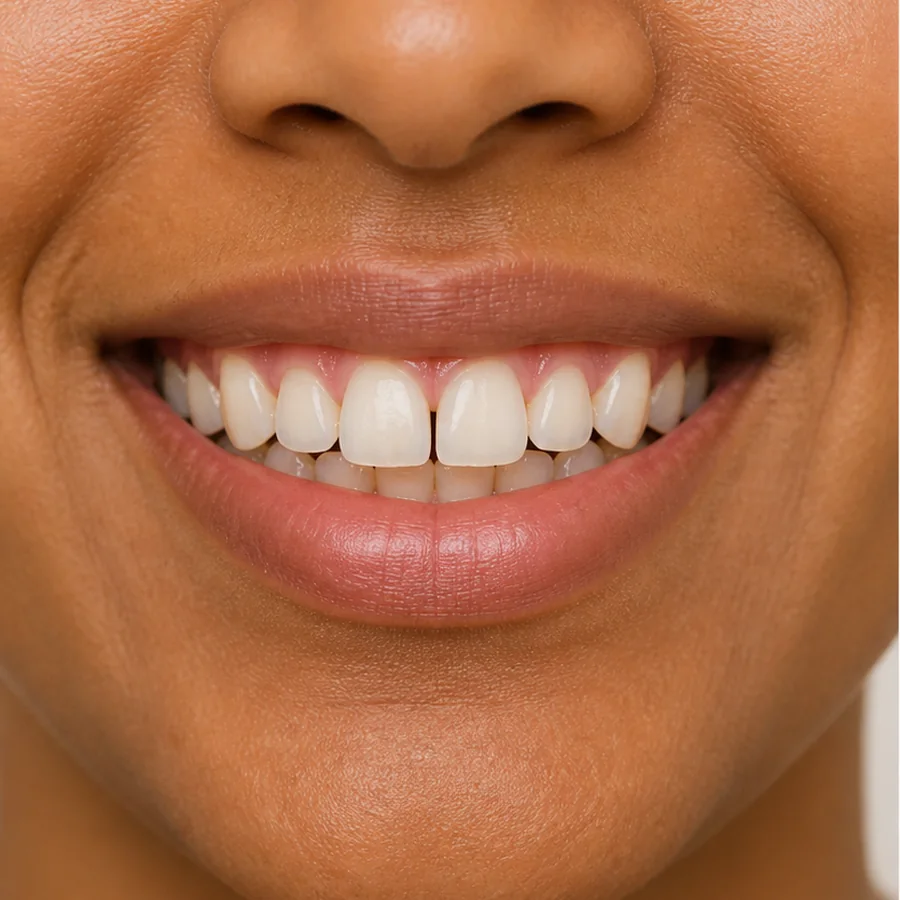
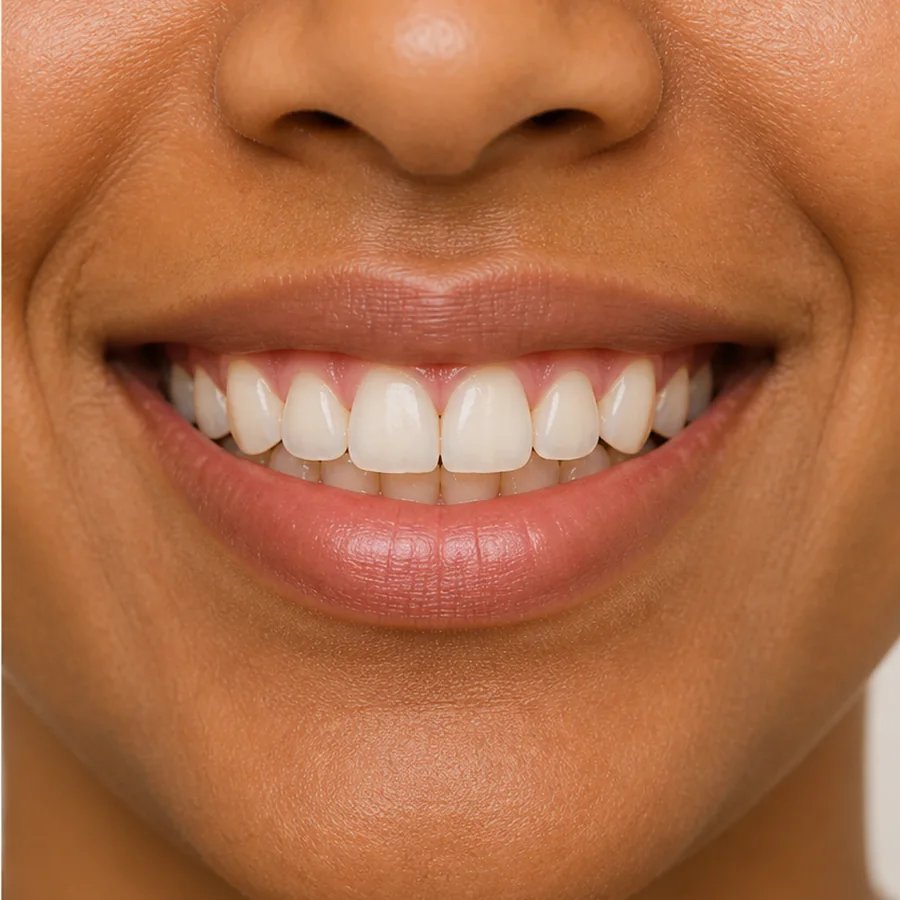
A modest goal for closing a central front-tooth gap.
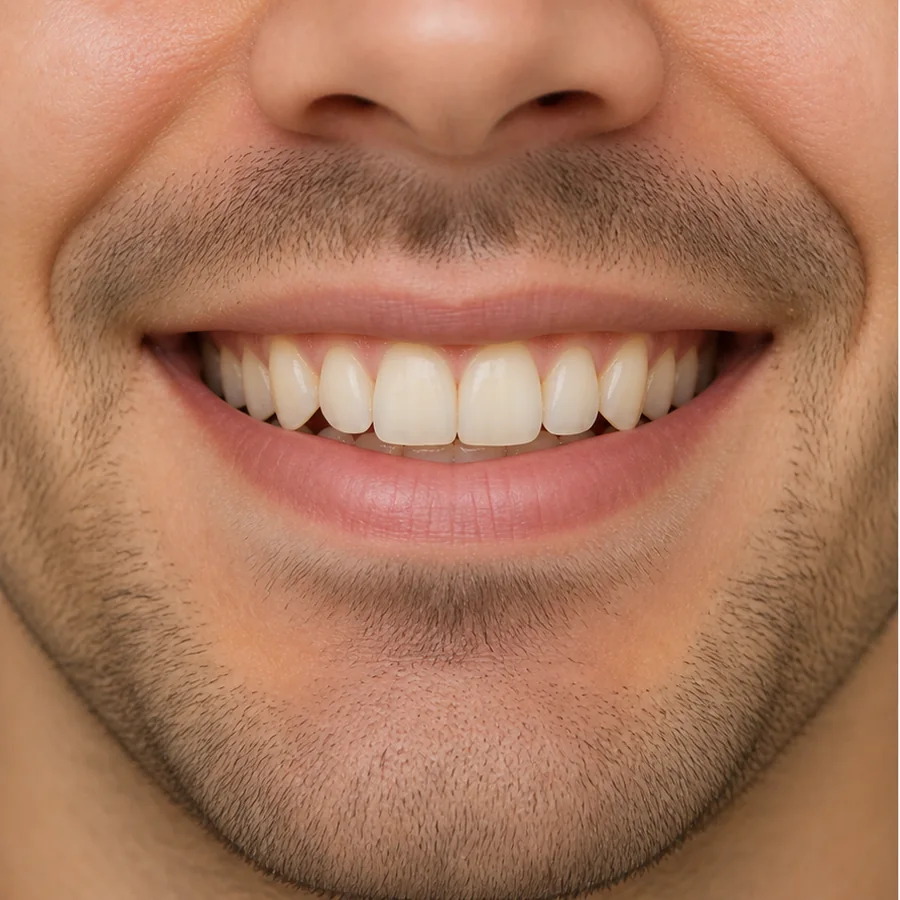
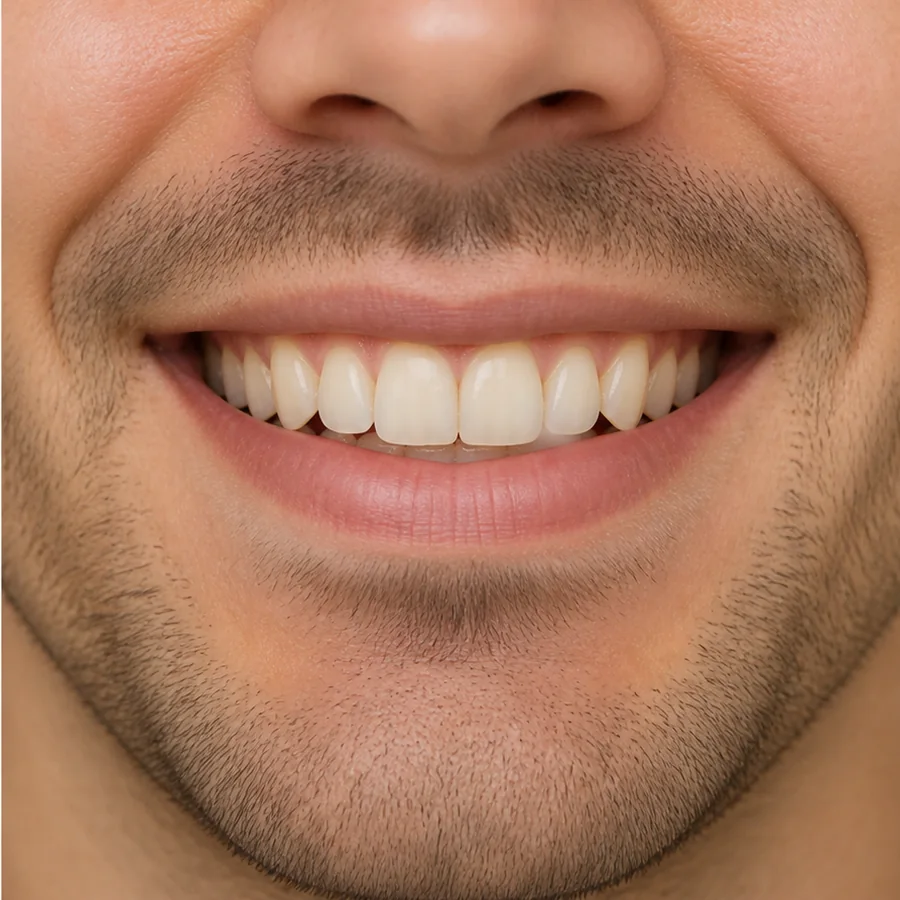
A subtle alignment goal for a rotated upper tooth.
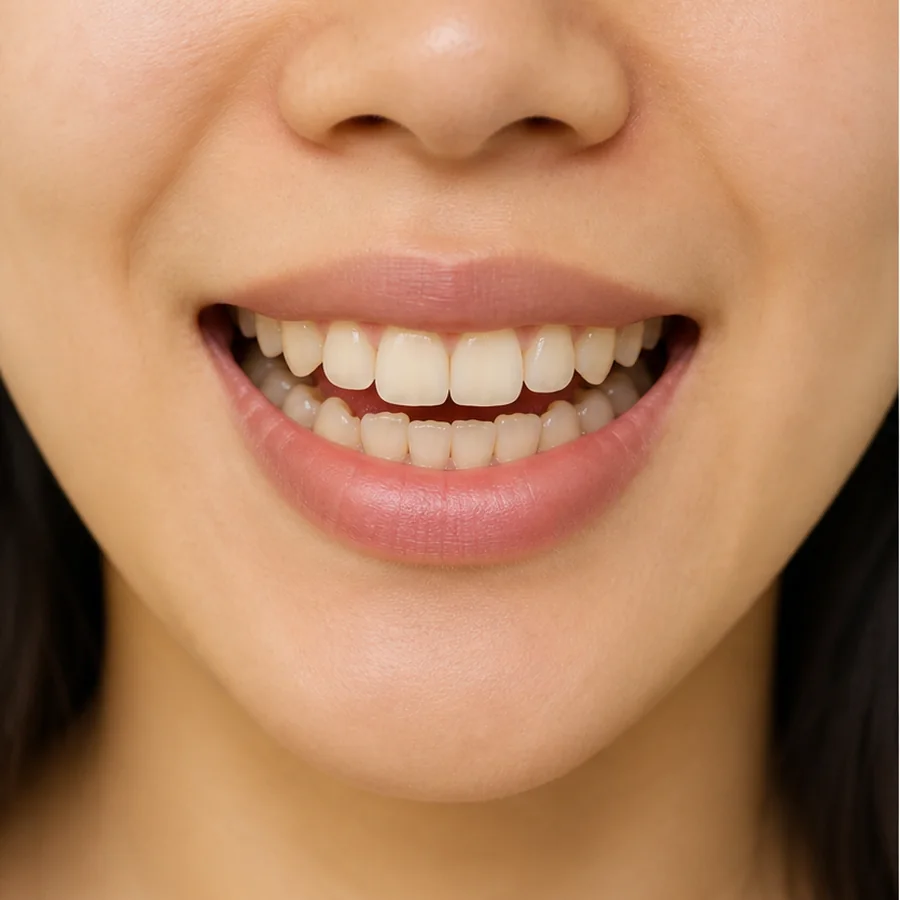
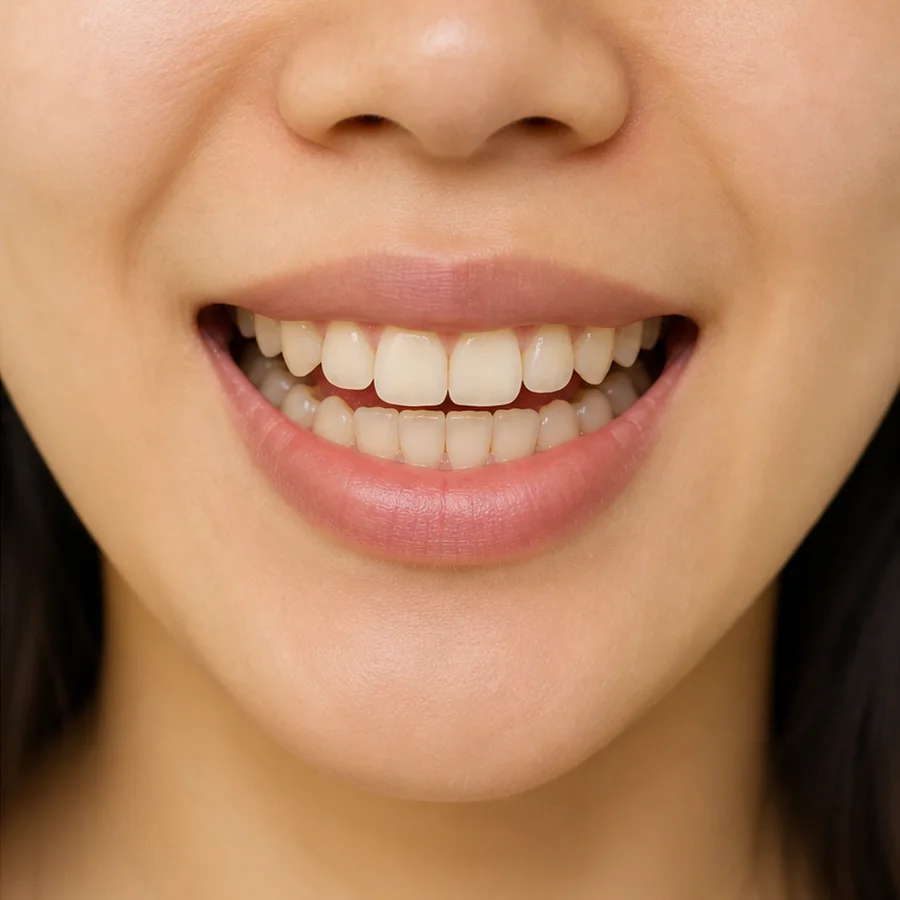
A modest goal for overlapping lower front teeth.
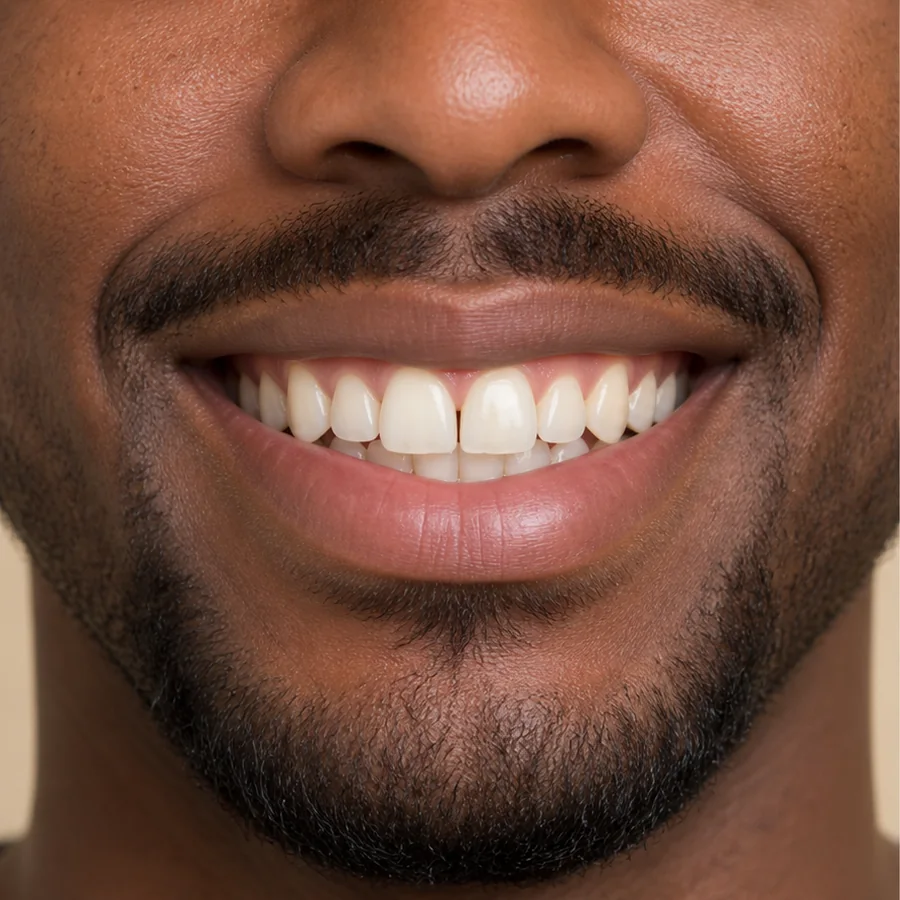
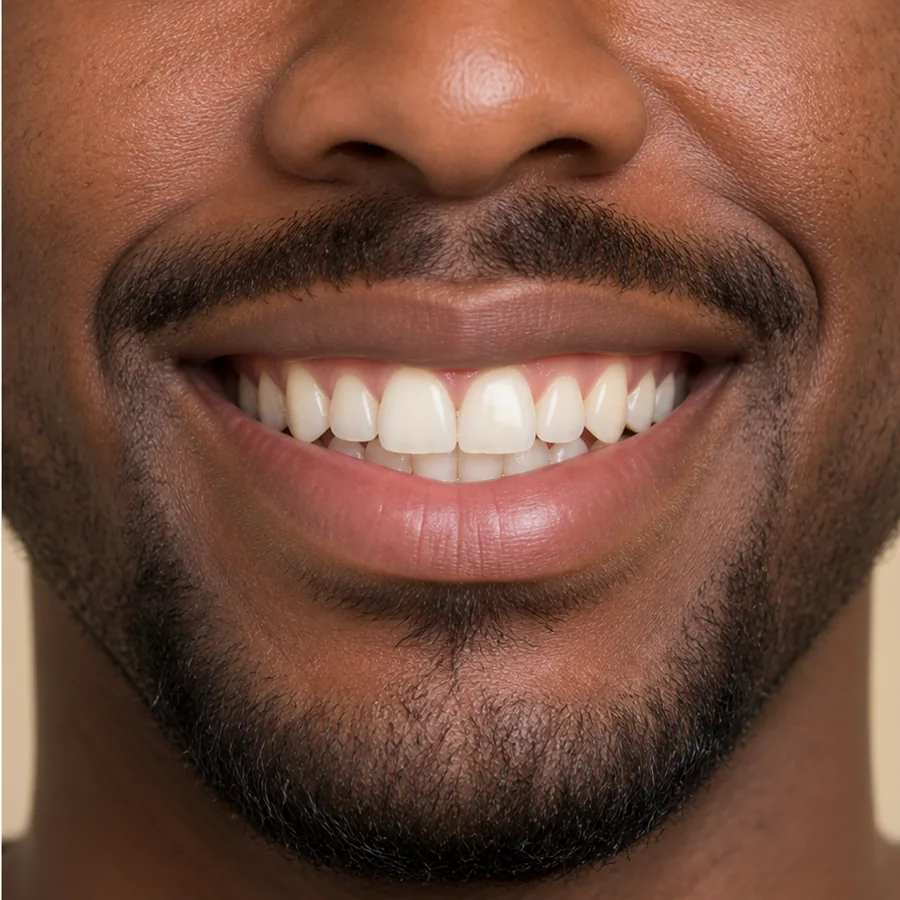
A subtle goal for spacing beside the front teeth.
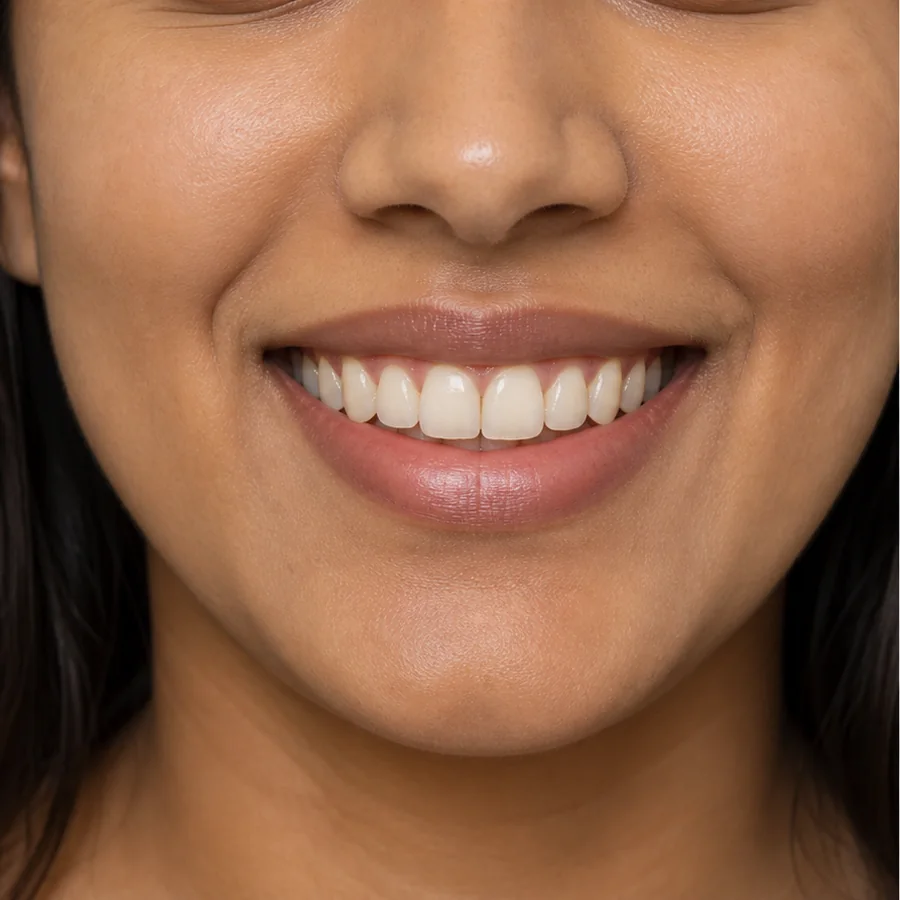
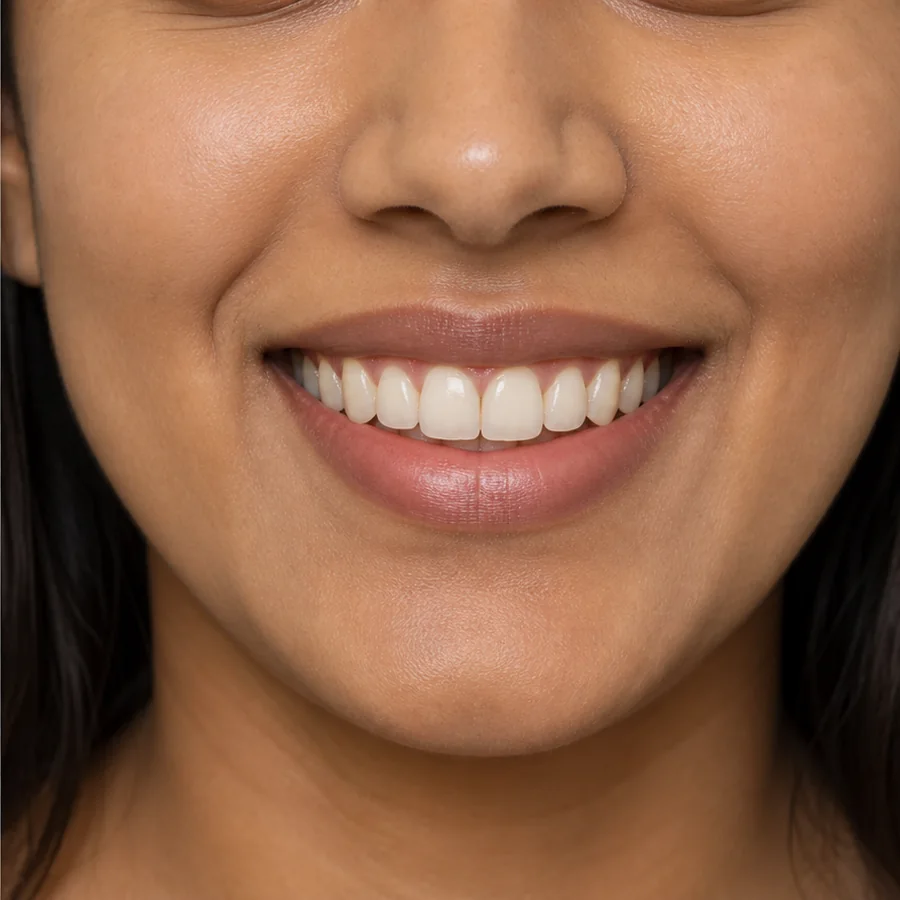
A modest goal for one overlapping upper front tooth.
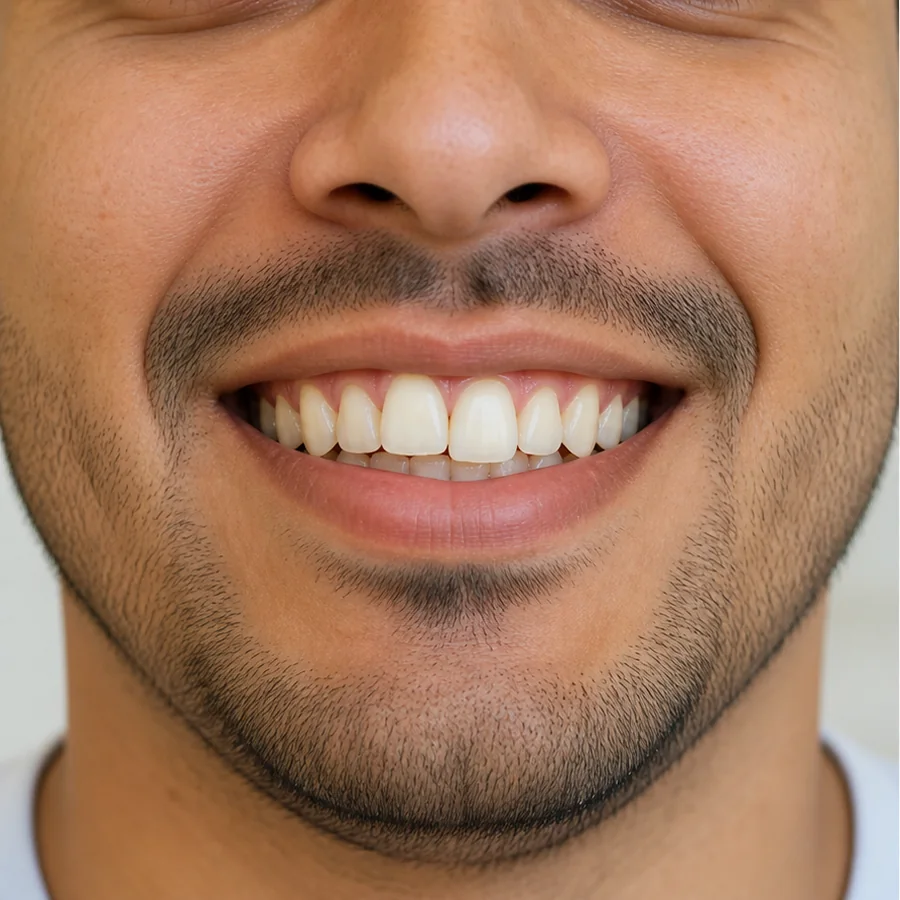
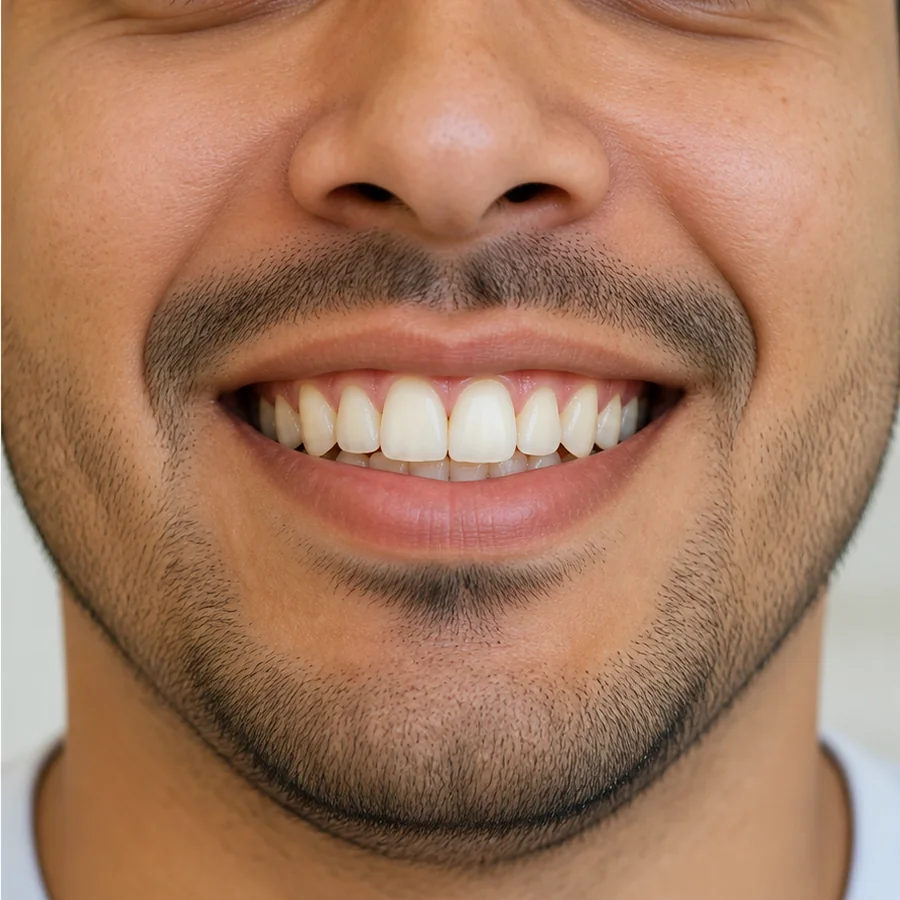
A subtle goal for improving upper-arch symmetry.
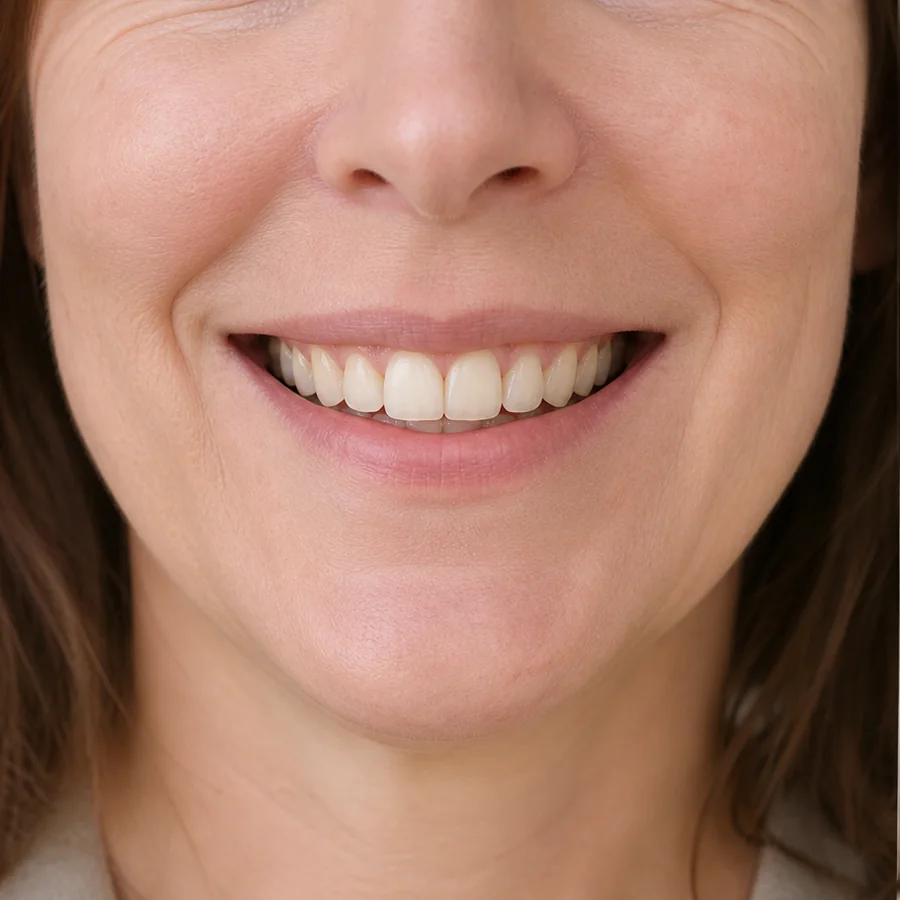
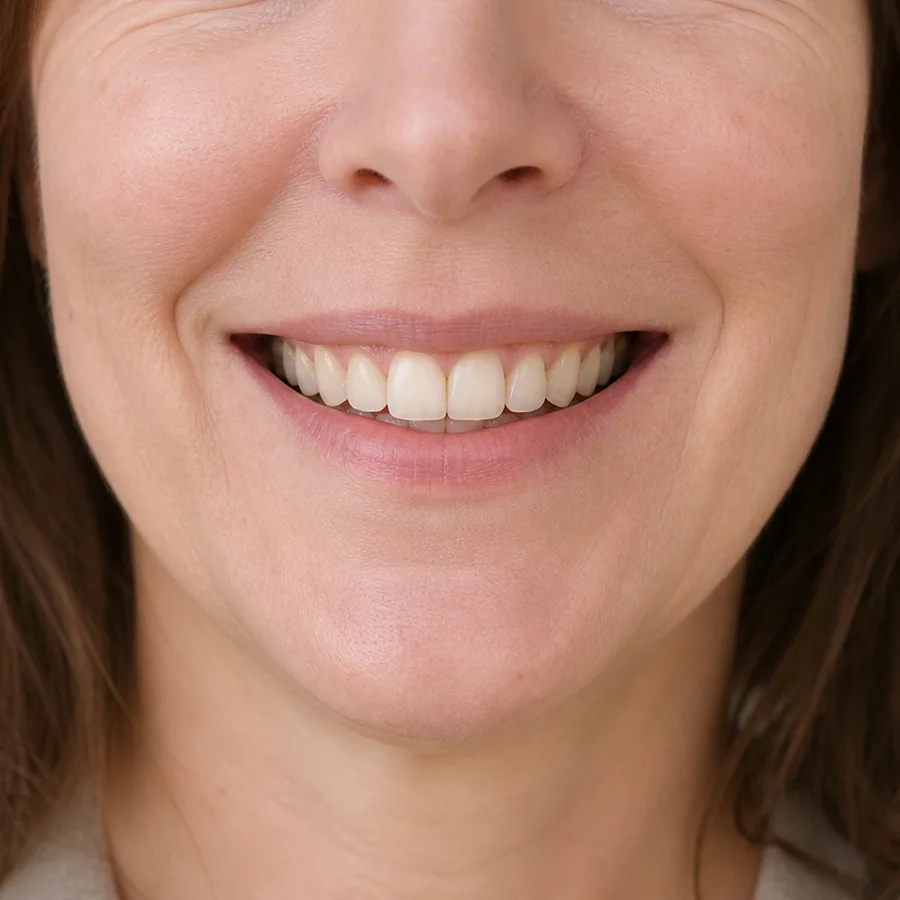
A modest realignment goal after slight tooth movement.
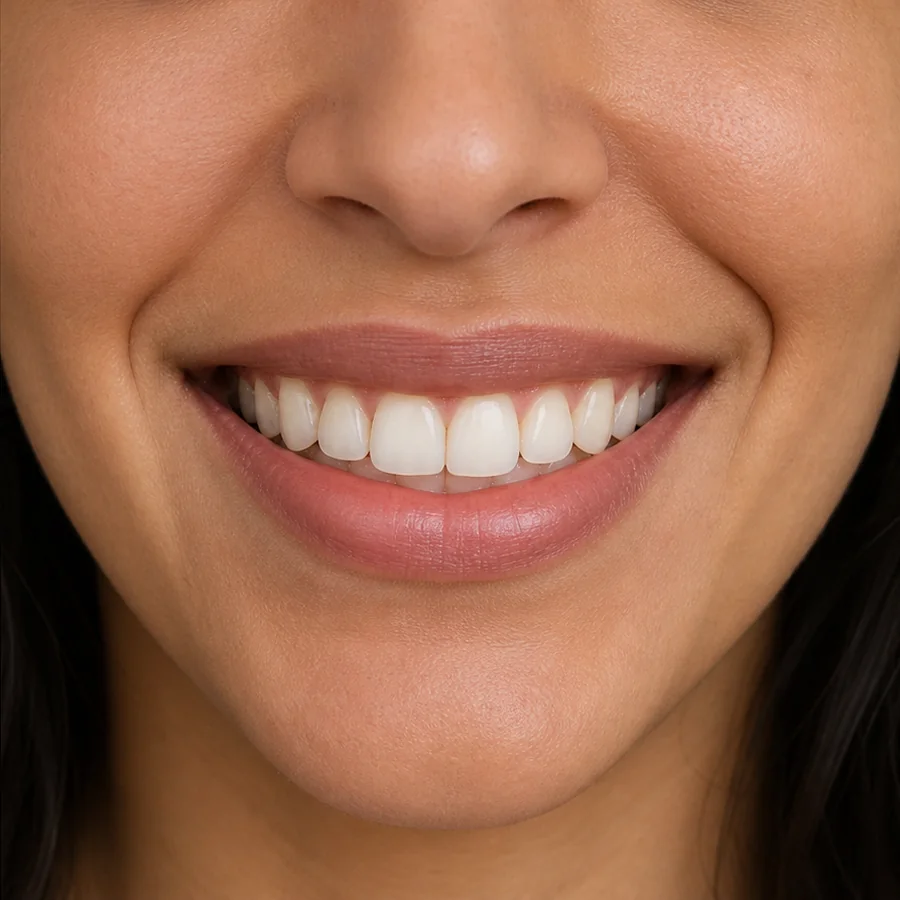
A subtle goal for an upper canine sitting forward.


A modest goal for several small upper-front gaps.