Every smile has
its own story.
Explore 12 common alignment and bite concerns. See what each means, when clear aligners may help and when a more comprehensive approach may be needed.
Find your concern ↓12 condition guides · Individual clinical assessment
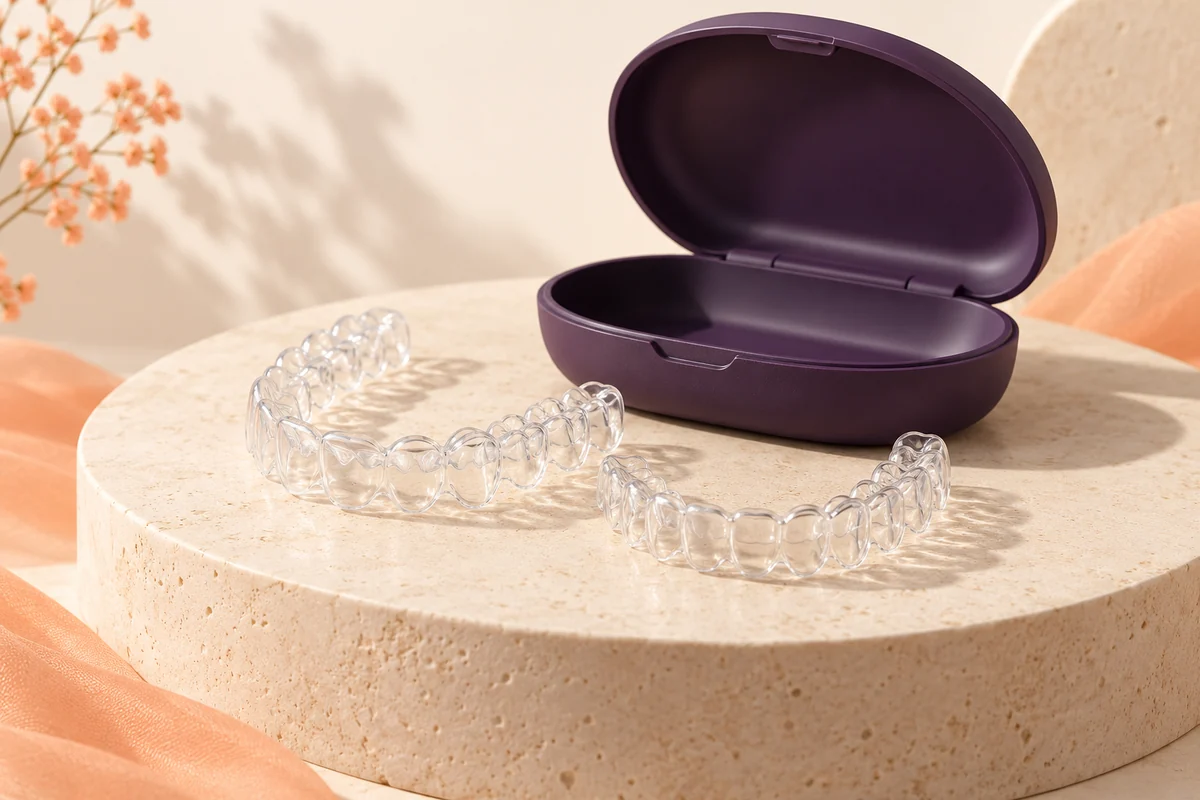
Find the concern you want to understand.
One smile can involve several conditions. These guides explain possibilities for clear aligners in general; a professional assessment determines whether Hello My Teeth or another care setting is appropriate for you.
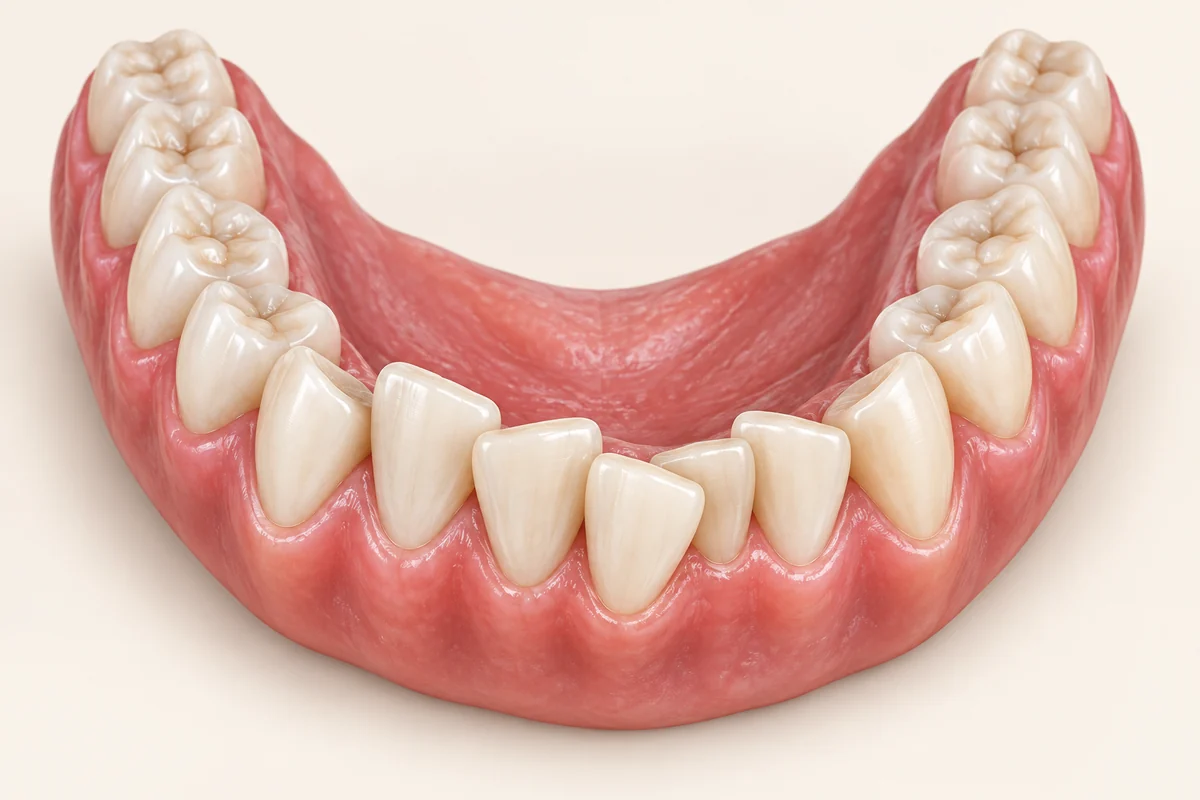
Crowded teeth
Overlapping teeth and limited space in an arch.
Explore this case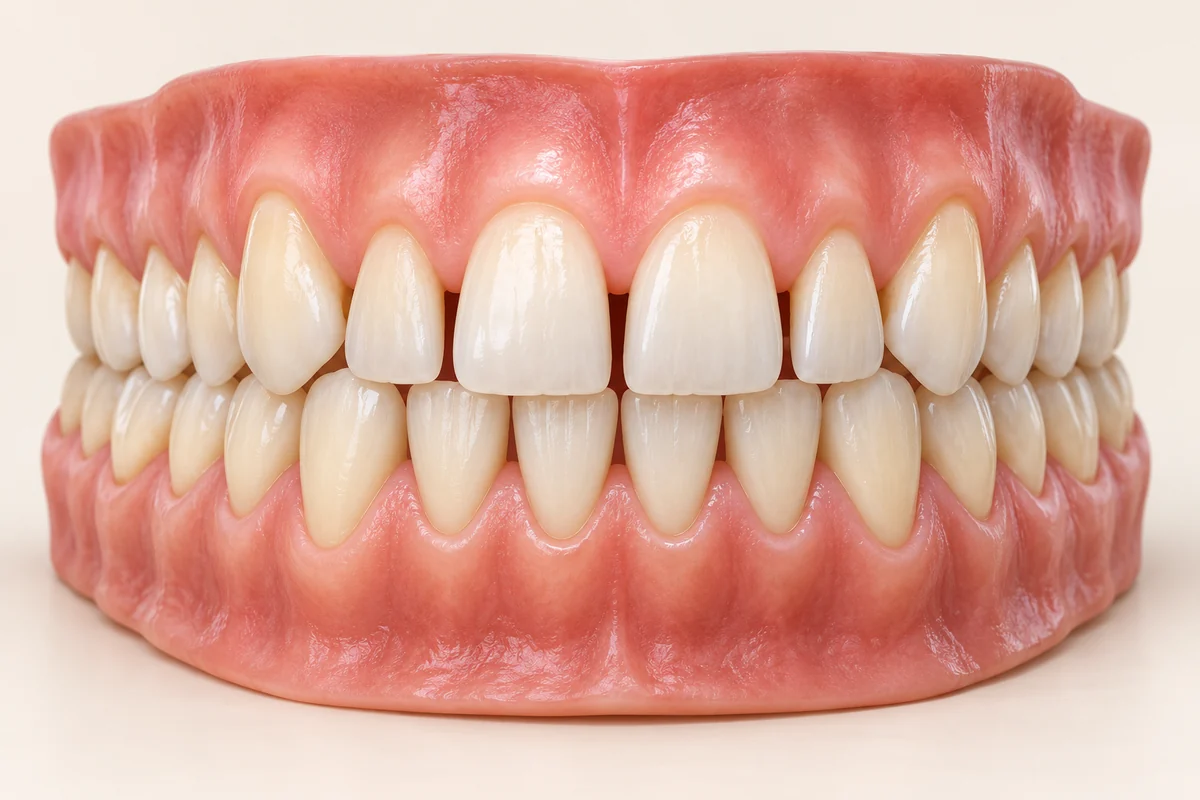
Gaps and spacing
Spaces between teeth, including a central front-tooth gap.
Explore this case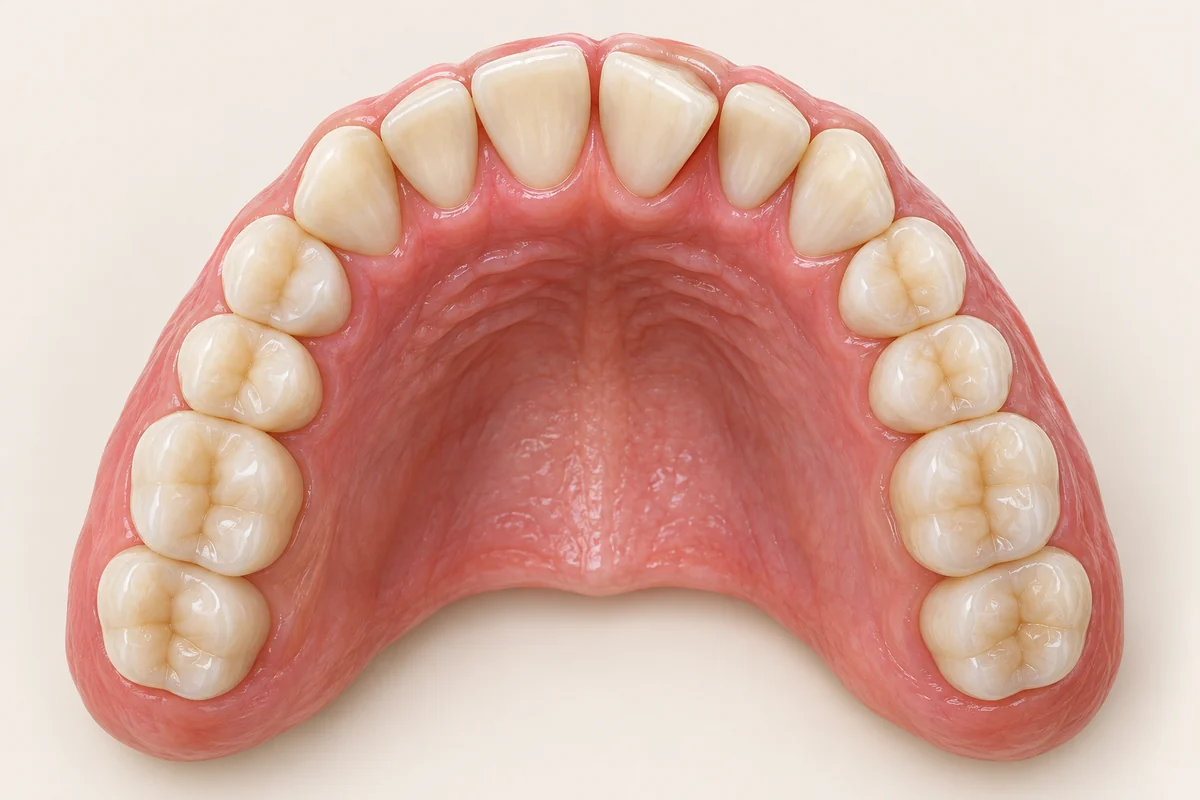
Crooked and rotated teeth
Teeth that turn, tilt or sit out of line.
Explore this case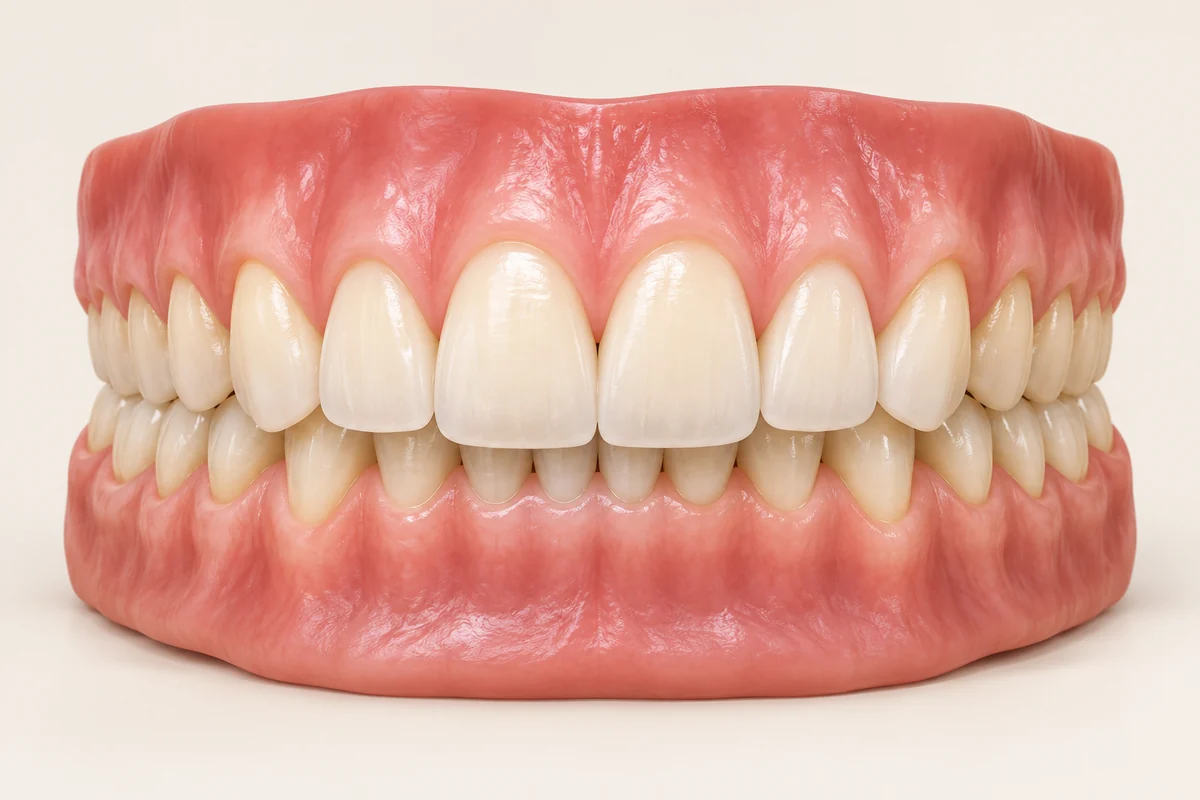
Overbite and deep bite
Excessive vertical overlap of the front teeth.
Explore this case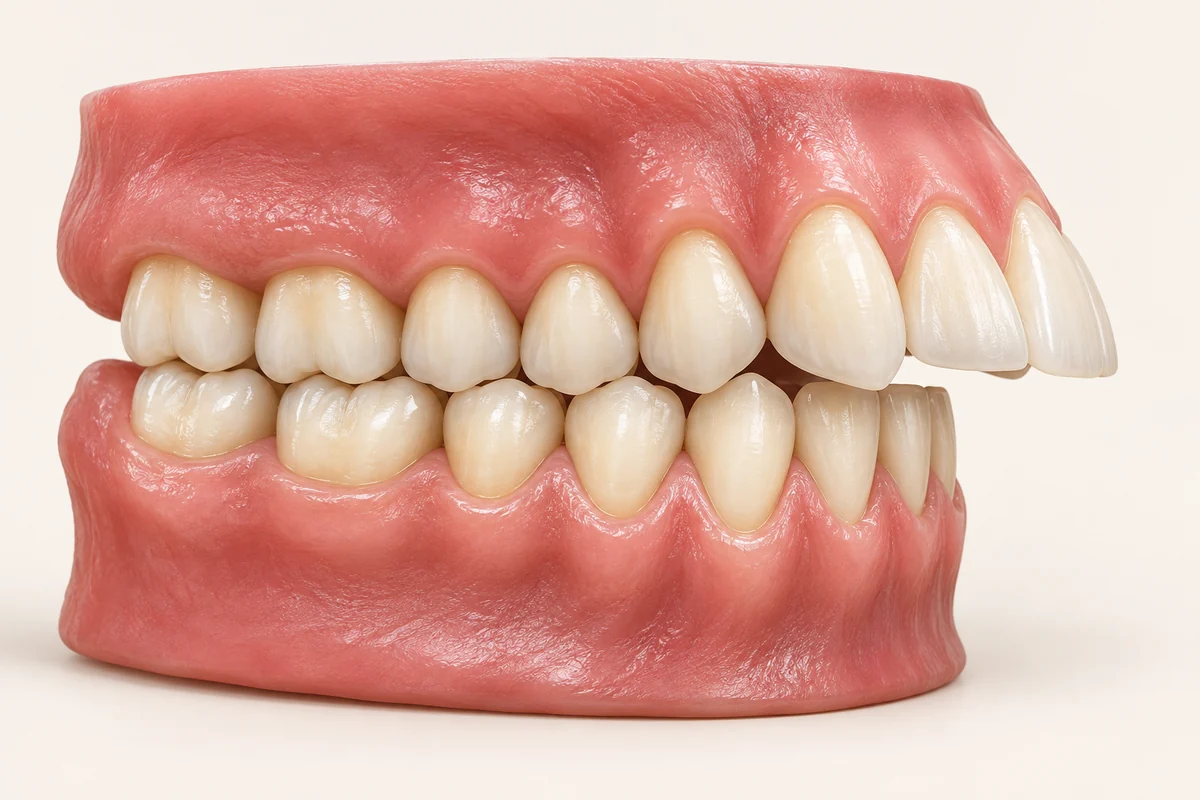
Overjet and protruding front teeth
Upper front teeth positioned too far ahead horizontally.
Explore this case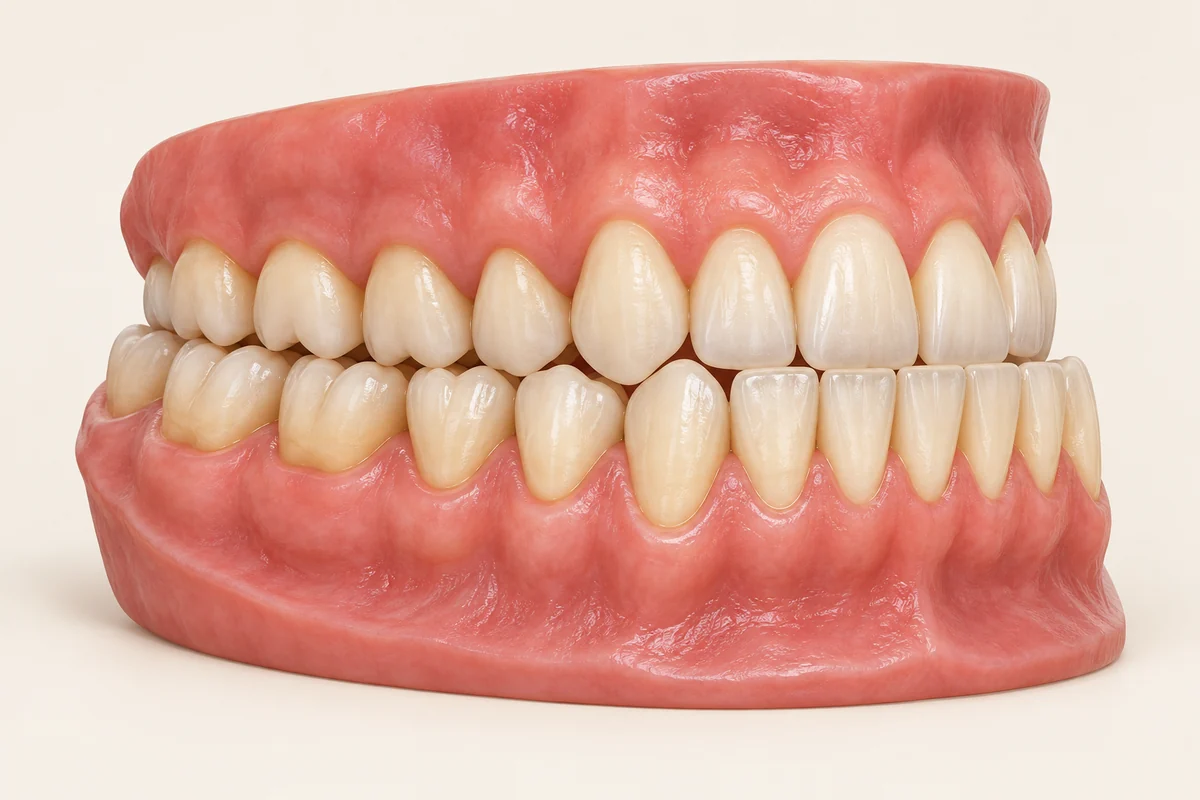
Underbite
Lower front teeth sit ahead of the upper front teeth.
Explore this case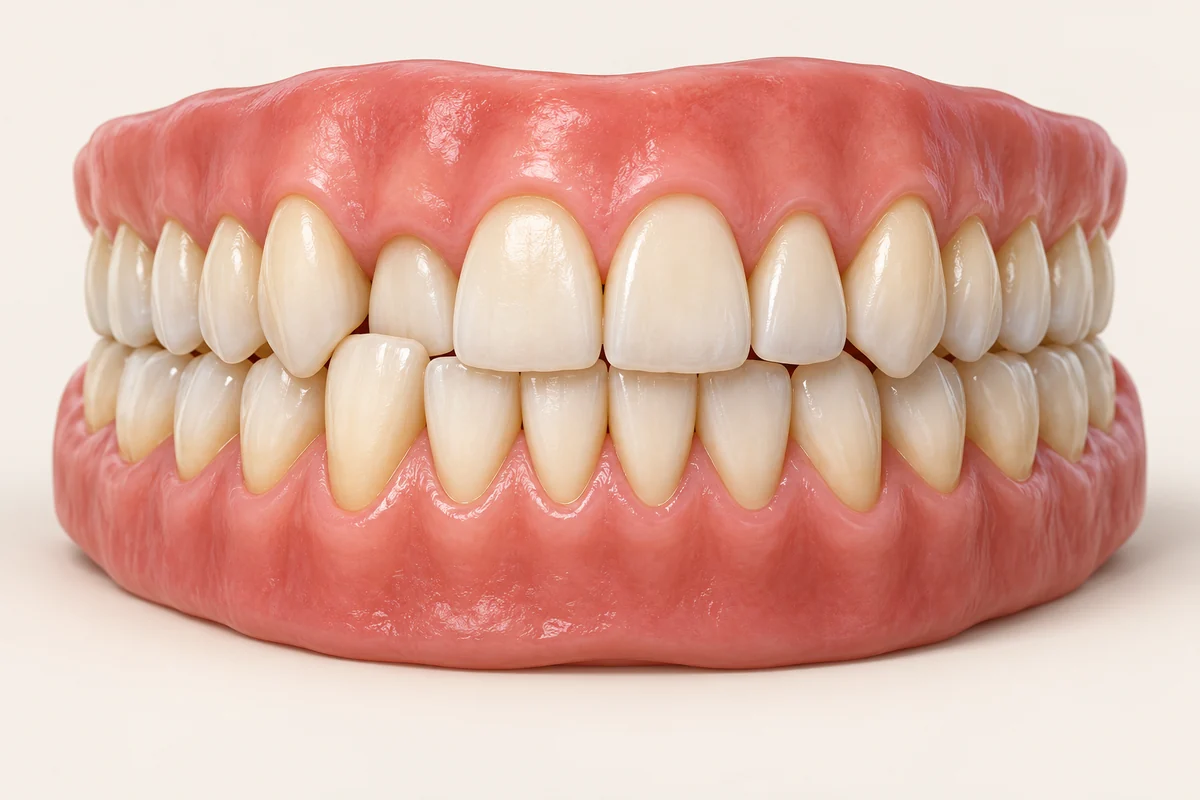
Crossbite
Upper and lower teeth meet in an altered inside–outside relationship.
Explore this case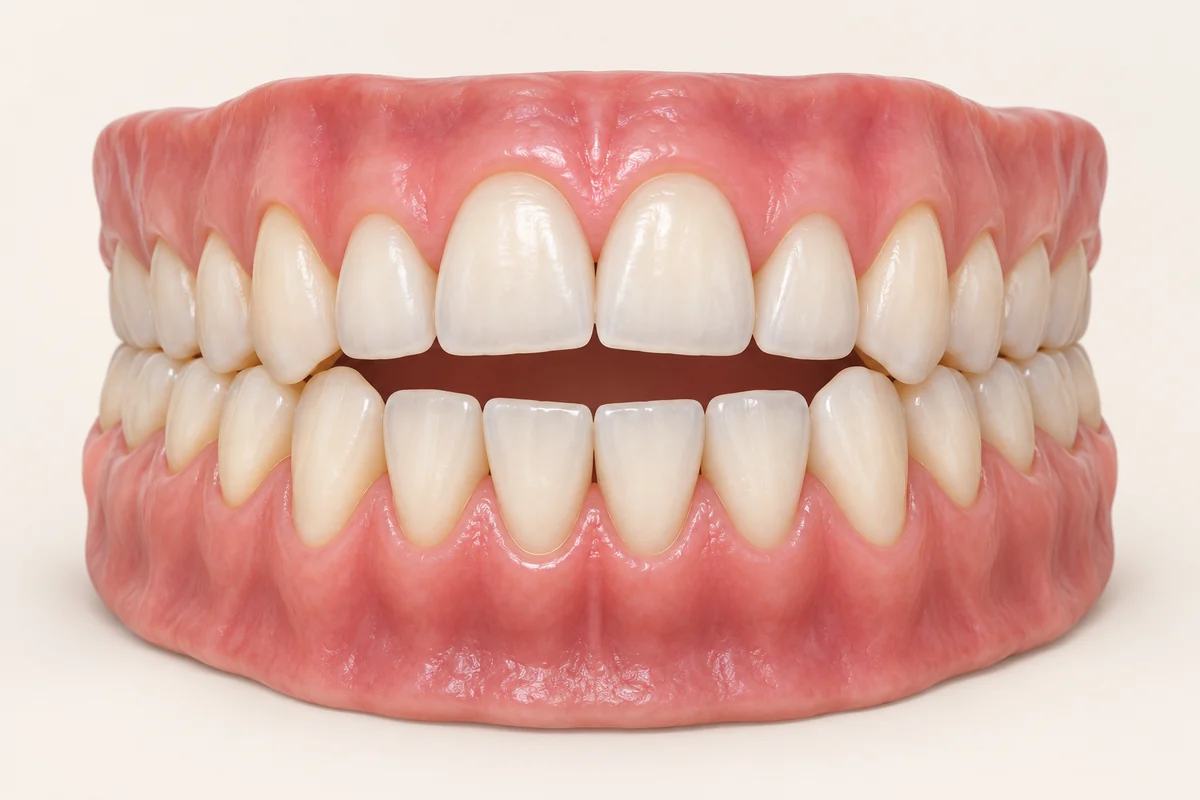
Open bite
Some upper and lower teeth do not meet when the bite closes.
Explore this case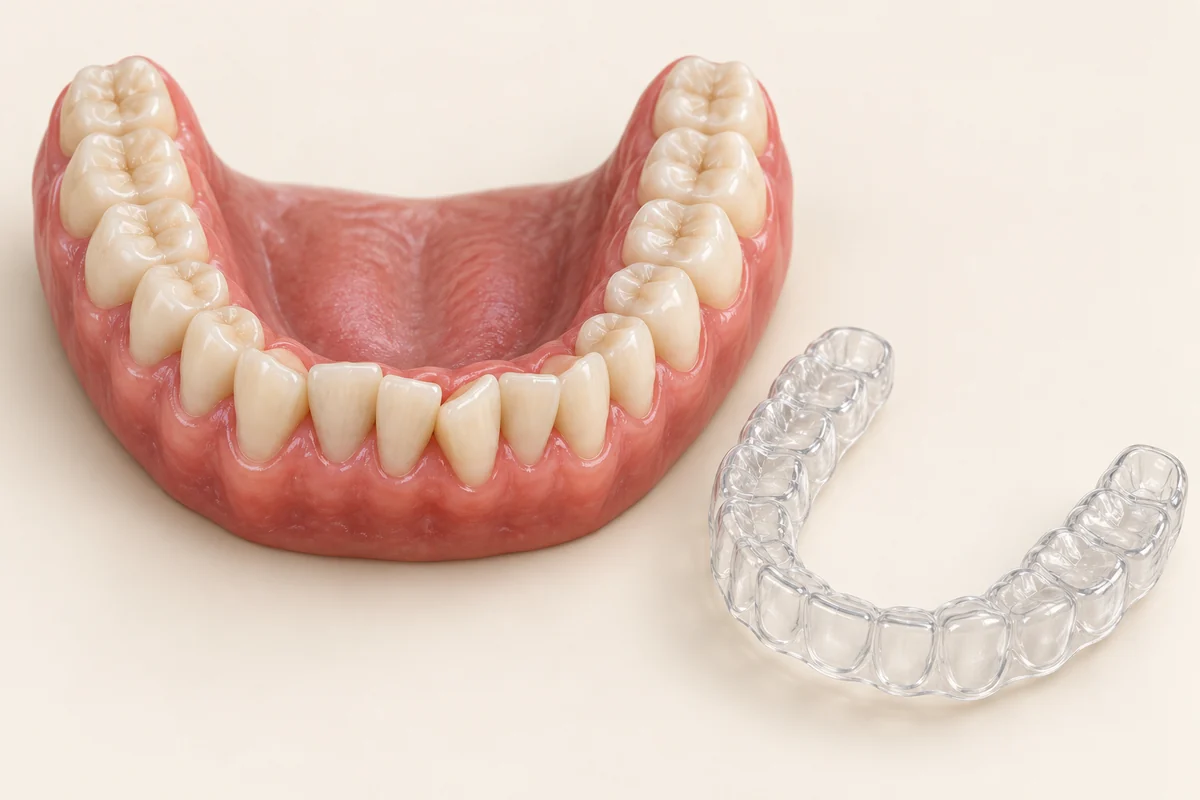
Orthodontic relapse
Teeth shift after previous orthodontic treatment.
Explore this case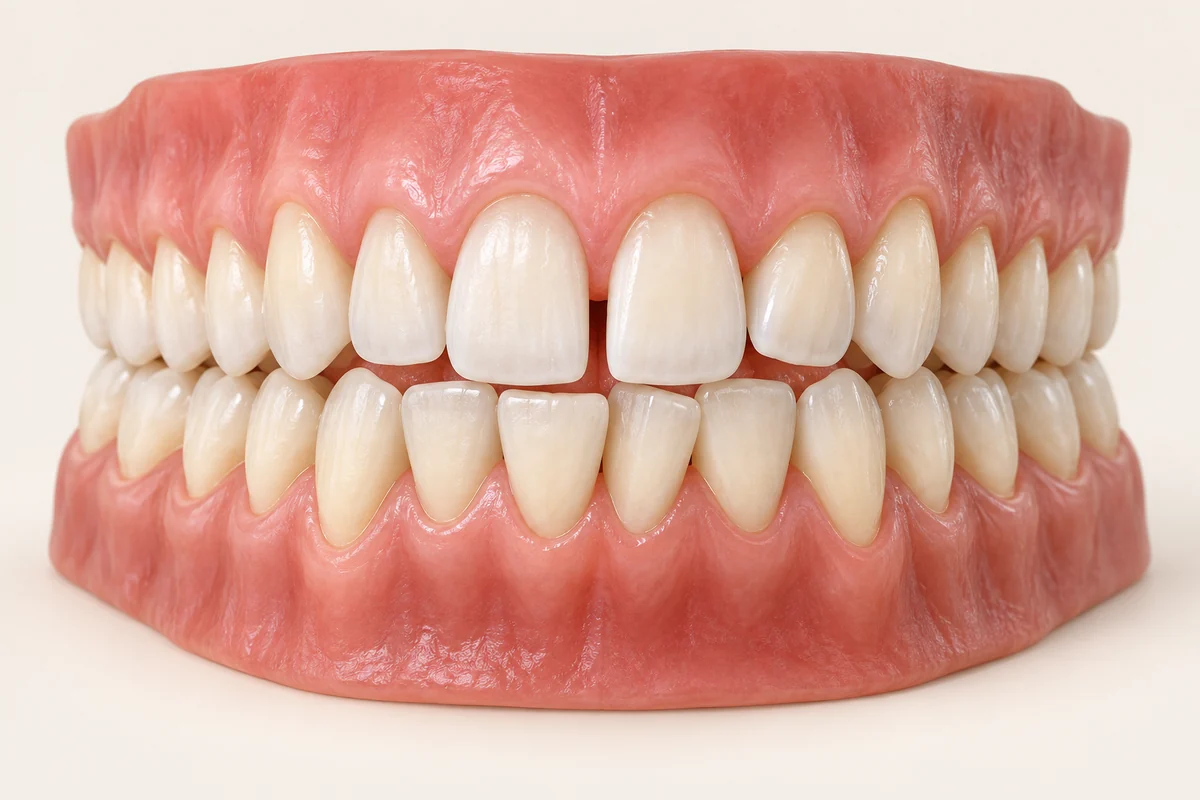
General misalignment
Several alignment or bite concerns occurring together.
Explore this case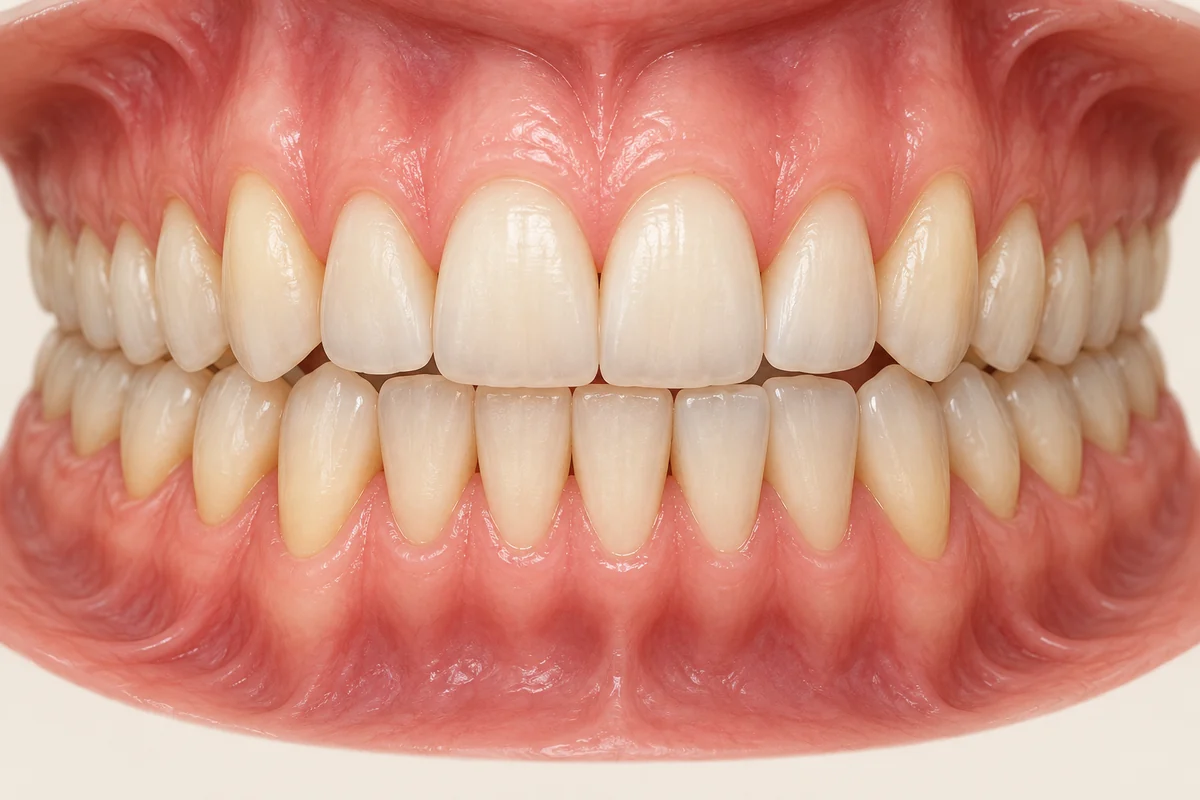
Midline misalignment
The upper and lower dental center lines do not coincide.
Explore this case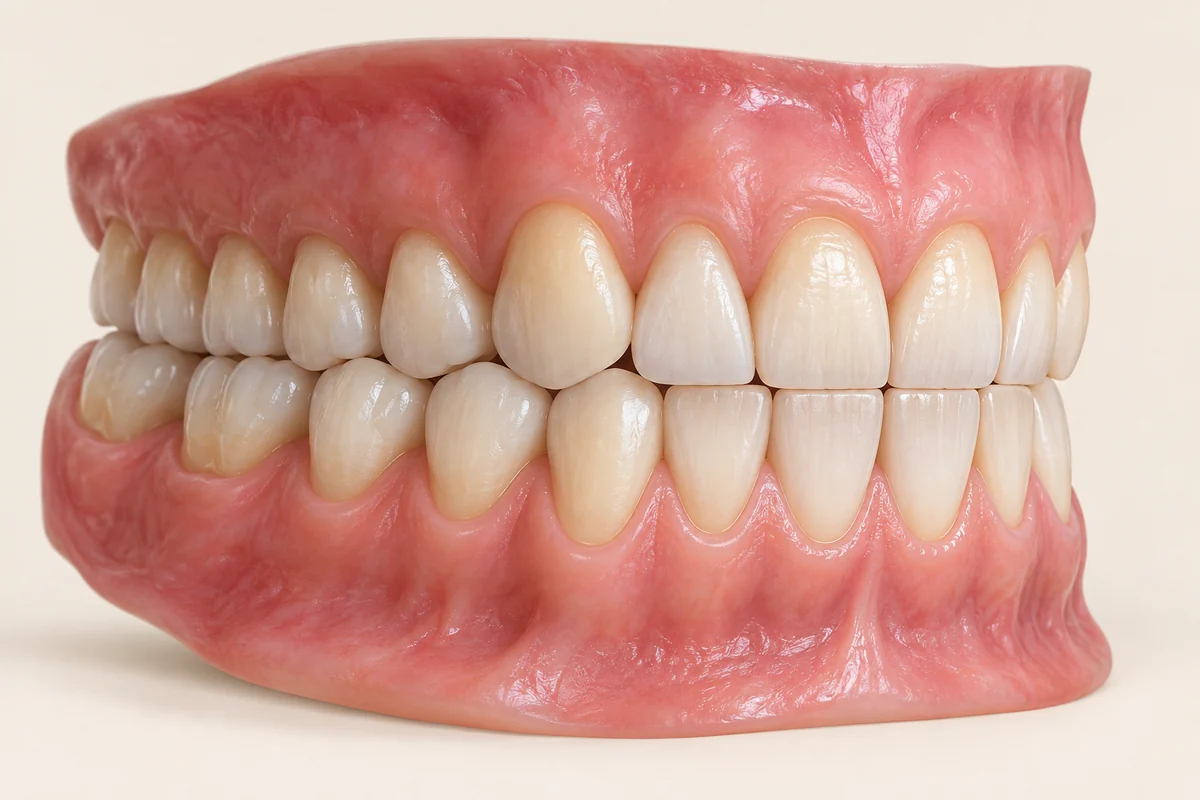
Edge-to-edge bite
Upper and lower front teeth meet at their cutting edges.
Explore this caseAll dental models are AI-generated educational illustrations, not patient photographs, diagnostic tools or promised results.
What makes a case suitable?
The extent of movement, gum and bone health, bite contacts, jaw relationships and the procedures needed all influence suitability. A small-looking change can still need careful planning. An online questionnaire cannot confirm a diagnosis.
Your clinician may recommend aligners, braces, additional procedures or a referral. Some complex or skeletal concerns require comprehensive in-person orthodontic care.
From understanding to a plan
- Identify the concerns you would like to discuss.
- Arrange a professional assessment and any required records.
- Review the proposed movements, limitations, cost and monitoring.
- Follow the prescribed wear and retention plan if treatment is approved.
Learn more in our complete clear aligners guide.
A plan starts with
understanding your smile.
An online questionnaire is a starting point. A dental professional must confirm your oral health, diagnosis and treatment suitability.
Check my candidacy Read the clear aligners guide