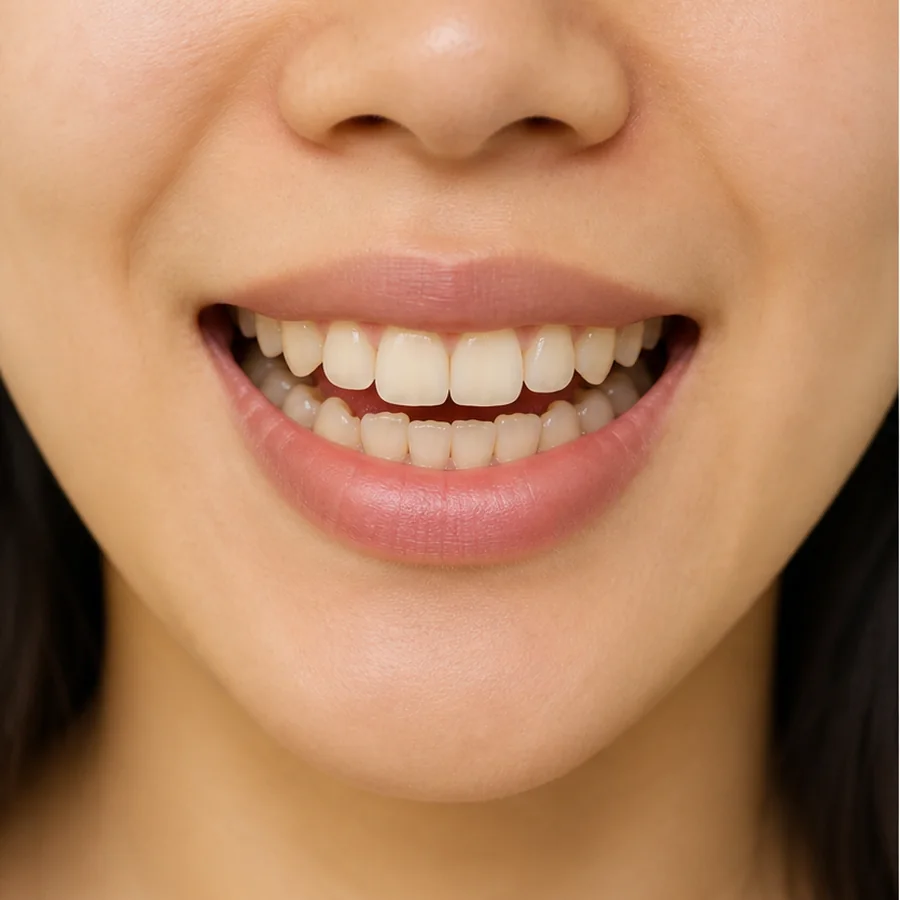
How to verify dental insurance coverage
Start with the insurer, not the aligner advertisement. Use the member portal or call the number on your card and ask for the orthodontic benefit in writing. Clear aligners are often processed under the orthodontic portion of a dental plan, but a plan can treat adults, dependents, brands, and network status differently.
Ask these exact questions:
- Does my plan cover adult orthodontic treatment?
- Are clear aligners covered under the same benefit as braces?
- What is my lifetime orthodontic maximum, and how much remains?
- Is there a waiting period, age limit, deductible, or coinsurance?
- How does out-of-network treatment change reimbursement?
- Is preauthorization or a predetermination required?
- Which itemized receipt, claim form, diagnosis, or treatment-plan details must I submit?
Invisalign's official payment guidance likewise says many plans may cover aligners similarly to braces, while the treating doctor and insurer determine actual cost and benefit.
HSA and FSA eligibility: the careful version
IRS rules define medical expenses as costs for diagnosis, cure, mitigation, treatment, or prevention of disease, or for affecting a body part or function. Expenses that are merely cosmetic do not qualify. Because the purpose and plan details matter, do not assume every aligner purchase is automatically eligible.
Ask the HSA custodian or FSA administrator whether your prescribed orthodontic treatment and provider documentation meet its rules. Keep the treatment plan, itemized receipt, proof of payment, and any statement of medical necessity requested by the administrator. This article is general information, not tax advice.
How an HSA works in 2026
An HSA is owned by an eligible individual enrolled in a qualifying high-deductible health plan. Unused funds roll over. IRS Publication 969 states that tax-free HSA distributions can pay qualified medical expenses that are not reimbursed by insurance or another source.
For calendar year 2026, the federal HSA contribution limit is $4,400 for self-only coverage and $8,750 for family coverage. Those are account contribution limits, not guarantees that a specific treatment is eligible. People age 55 or older may have a separate catch-up rule; consult current IRS guidance.
How an FSA differs
A health FSA is generally an employer-sponsored arrangement with plan-specific deadlines, reimbursement procedures, carryover, or grace-period rules. The account is not the same as an HSA, and unused funds may be forfeited depending on the plan.
Before scheduling a large payment, ask the administrator when the expense is considered incurred, whether orthodontia is reimbursed according to a payment schedule, and which documents are required. Do not rely on a general “use it or lose it” tip without checking your plan year and orthodontia rules.
Avoid double reimbursement and unsupported claims
You cannot treat the same dollar as unreimbursed after an insurer, HSA, FSA, or HRA has already paid it. The IRS explains that reimbursed expenses must be excluded from a medical-expense deduction and that tax-free account reimbursements have their own rules.
Keep a simple ledger showing the total charged, insurance paid, HSA or FSA reimbursed, financing payments, and your remaining out-of-pocket amount. This prevents submitting the same expense twice.
Financing and monthly payments
If insurance and account funds do not cover the full amount, compare the cash price with financing. Write down the down payment, term, annual percentage rate, fees, and total repaid. Approval and rates depend on the lender and borrower.
Hello My Teeth currently publishes financing examples on Plans & Pricing. Confirm the live terms at checkout. The 2026 clear aligner cost guide explains how to compare inclusions across providers, while the NYC and Manhattan Invisalign cost guide applies the checklist to local search intent.
A five-step payment workflow
- Confirm clinical candidacy before building a payment strategy.
- Request the complete cash price and itemized treatment inclusions.
- Verify the remaining orthodontic benefit with your insurer.
- Ask your HSA or FSA administrator about eligibility and documentation.
- Compare the unreimbursed balance with financing terms and keep every record.
Contact Hello My Teeth care for current receipts and treatment documentation, and ask your insurer, plan administrator, or tax professional for decisions that only they can make.
Frequently asked questions
Does every dental plan cover clear aligners?
No. Coverage varies by policy, age, network, waiting period, and remaining orthodontic maximum. Verify your own benefit before purchasing.
Can I use both insurance and an HSA or FSA?
Often the unreimbursed qualified balance can be paid or reimbursed through an eligible account, but the same expense cannot be reimbursed twice. Ask the plan administrator.
Are clear aligners always HSA or FSA eligible?
Not automatically. Federal medical-expense rules focus on diagnosis or treatment rather than a merely cosmetic purpose, and each plan may require documentation.
What should I save for a claim?
Keep the treatment plan, itemized receipt, dates and amounts paid, provider information, insurer explanation of benefits, and any administrator form or medical-necessity document requested.
Sources and review notes
This article was prepared by the Hello My Teeth Editorial Team using the sources below. It is general education, not an individualized diagnosis, treatment plan, insurance determination, or tax opinion.
- Internal Revenue Service: Publication 502
- Internal Revenue Service: Publication 969
- Invisalign: Insurance and Payment Options
Want a plan built for your smile?
Take the candidacy check, then provide the records requested for a licensed professional to determine whether a Hello My Teeth plan fits your case.