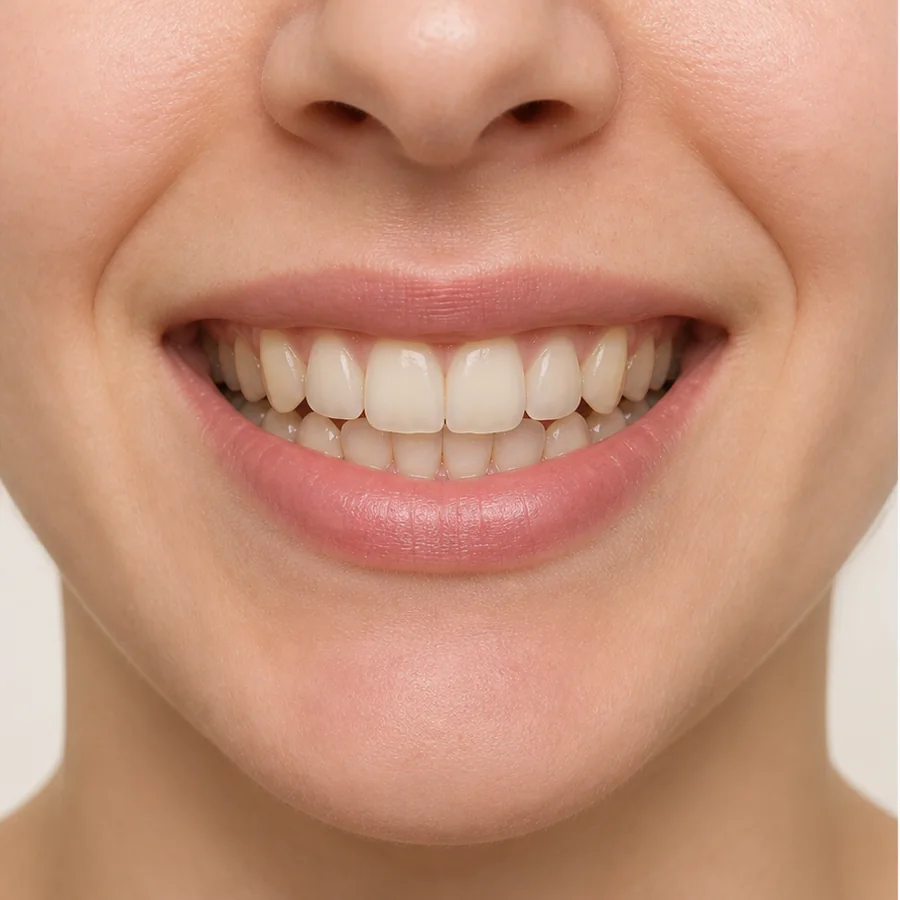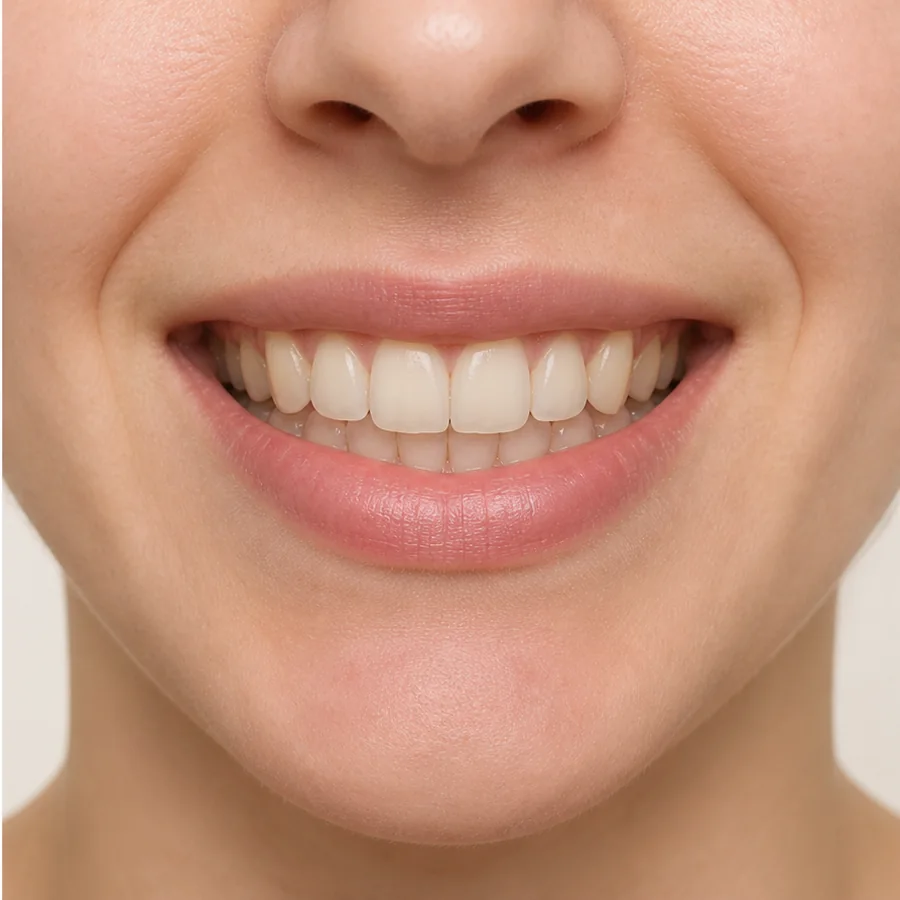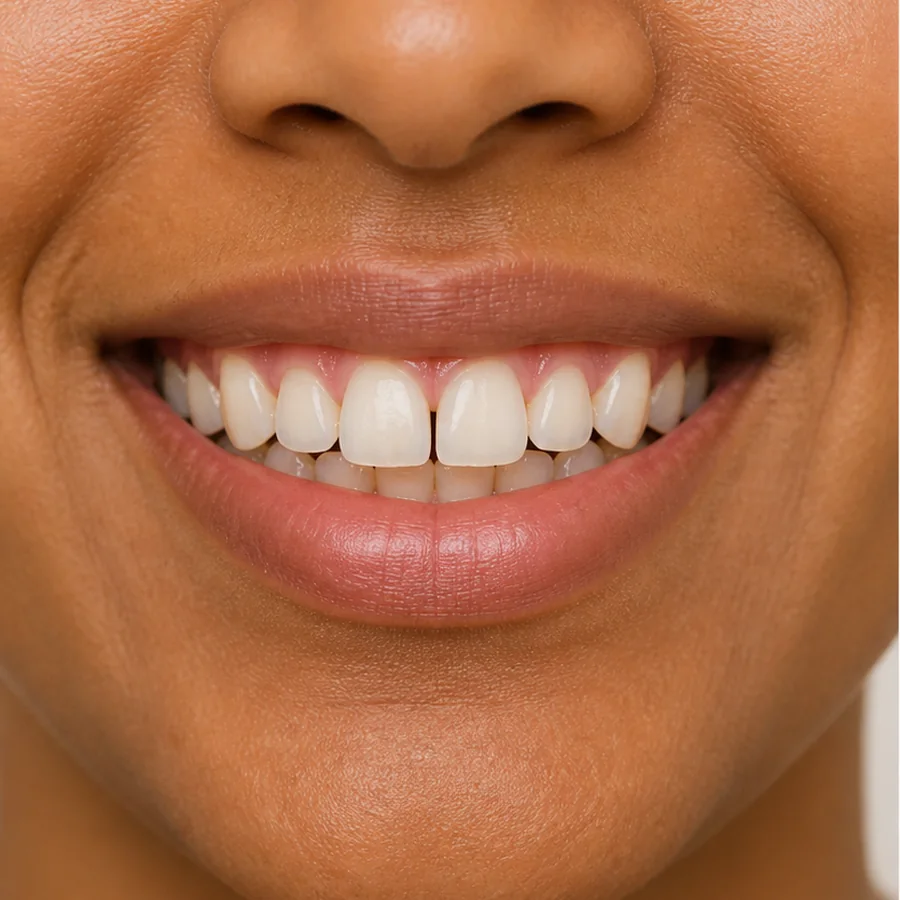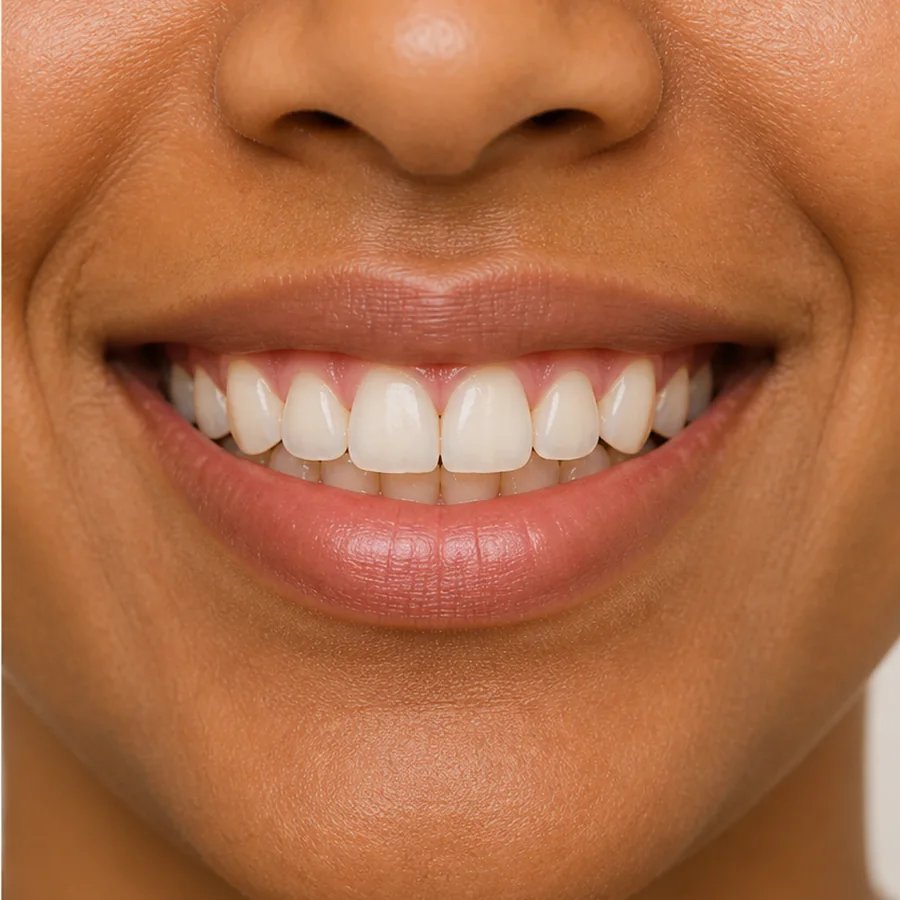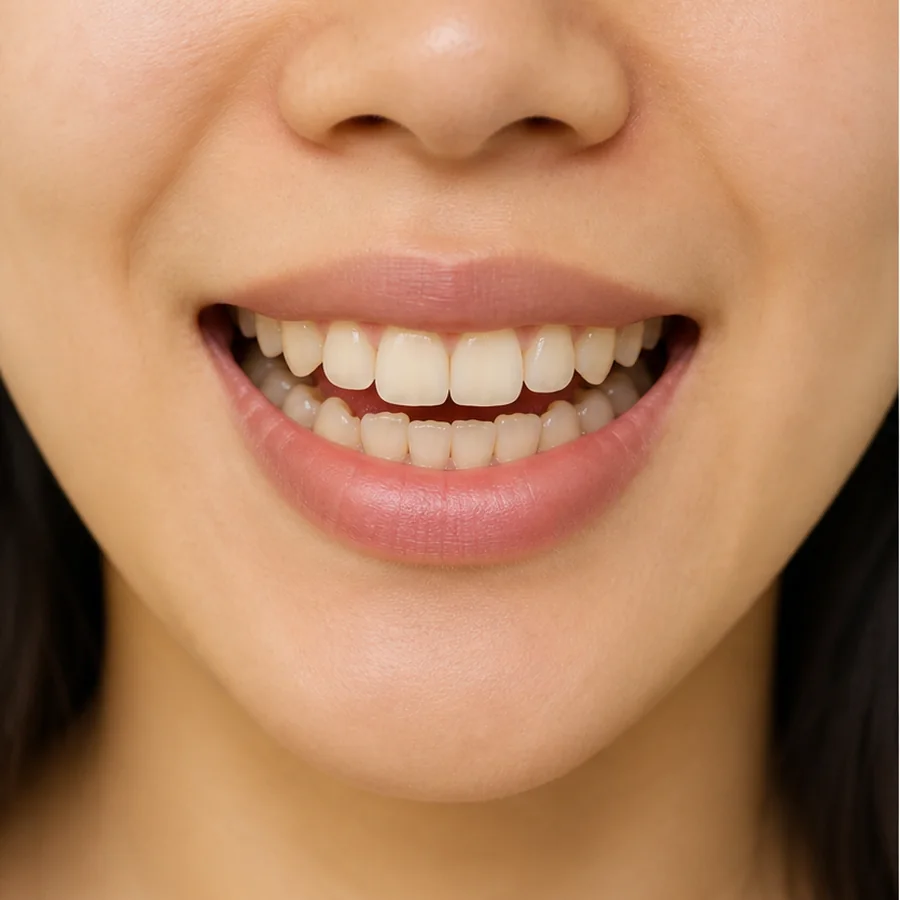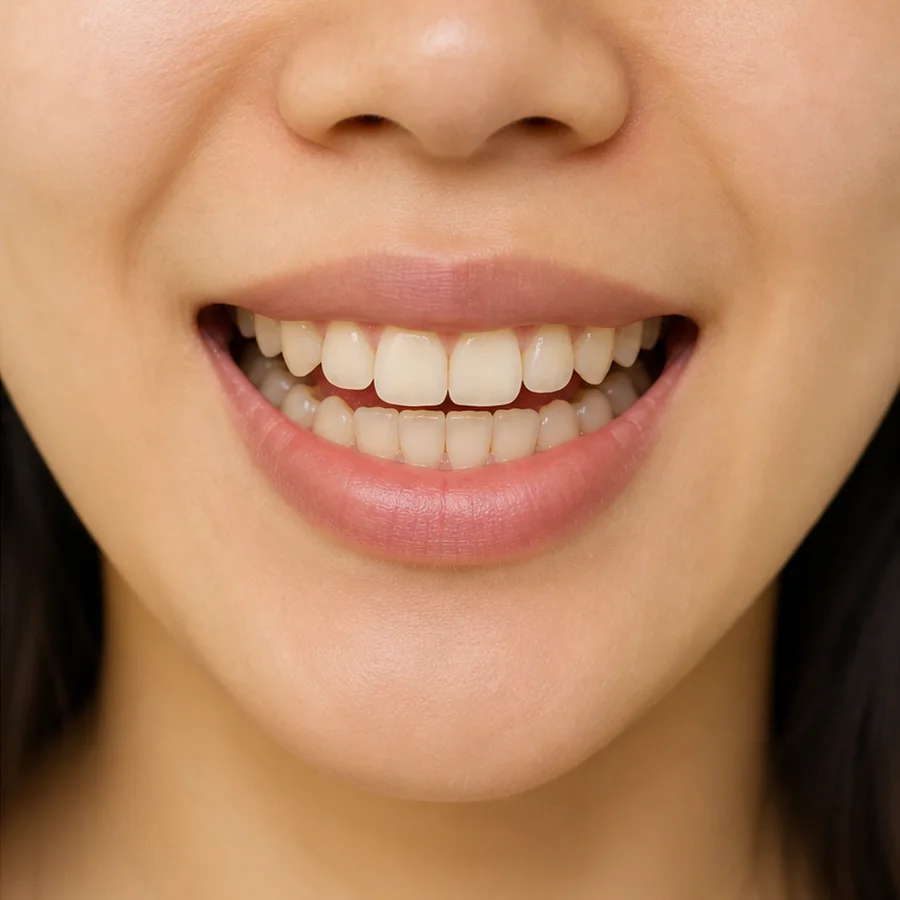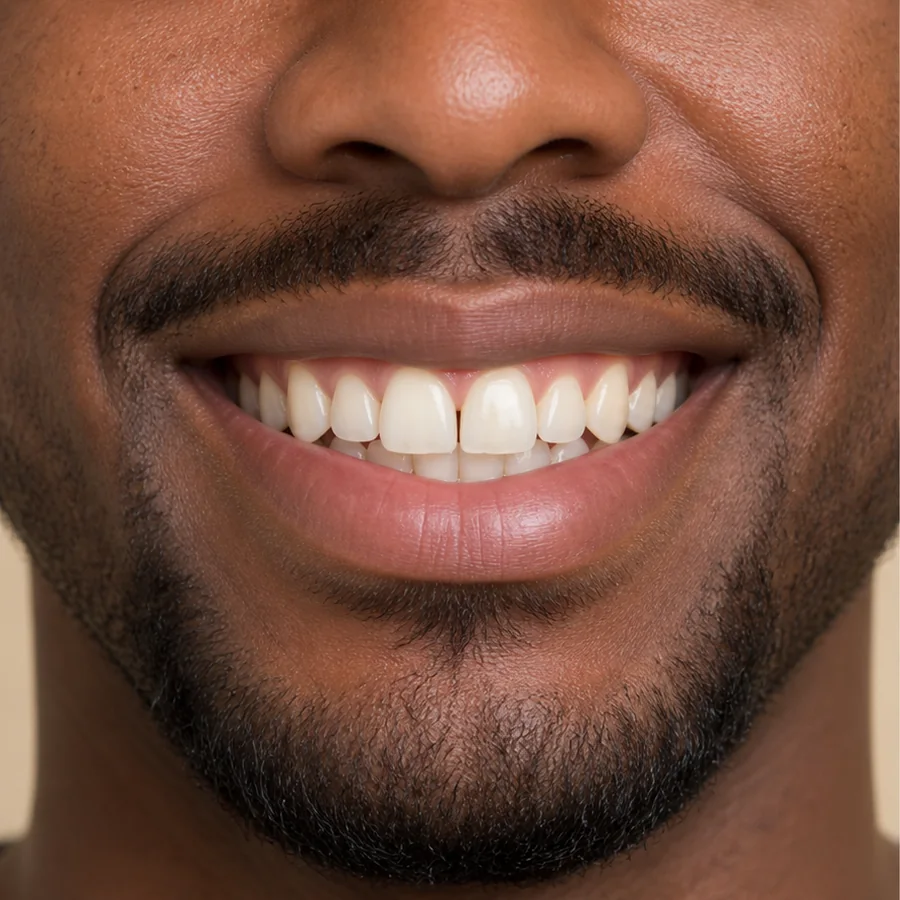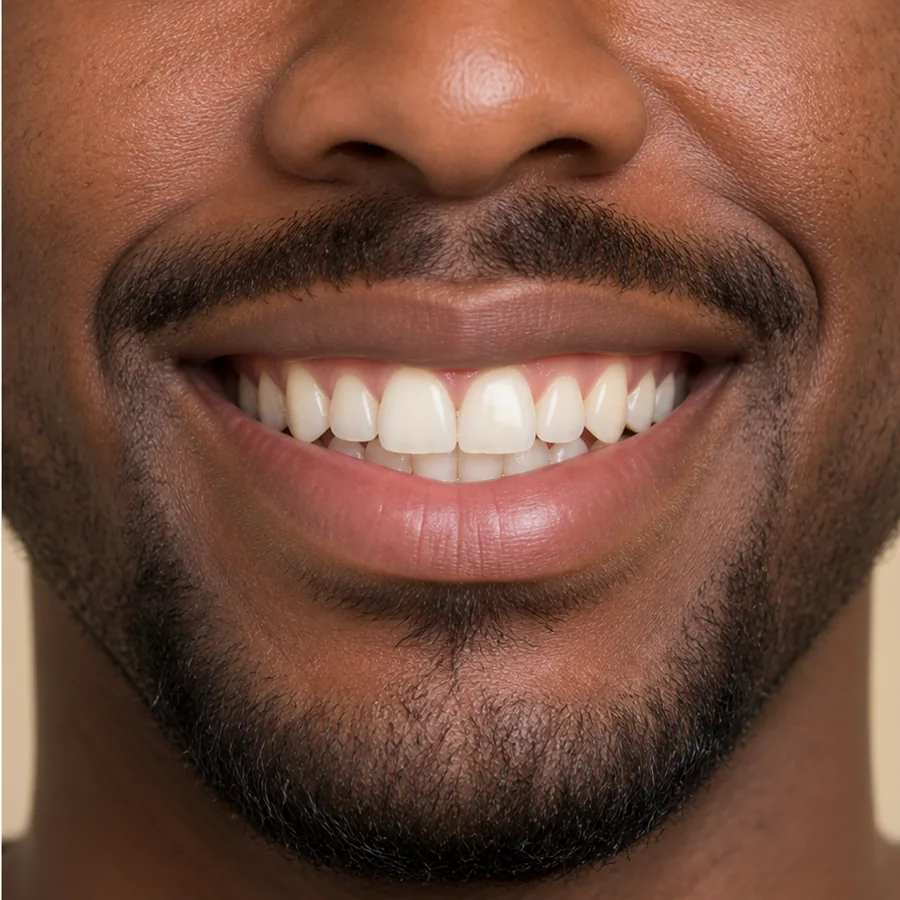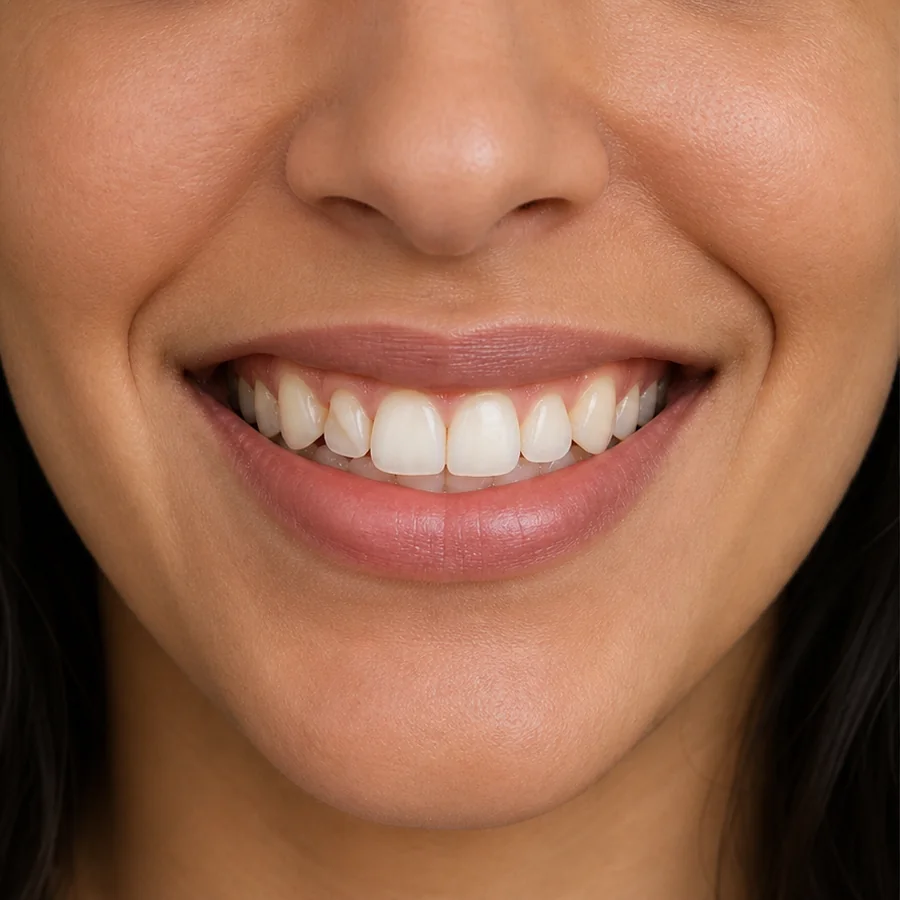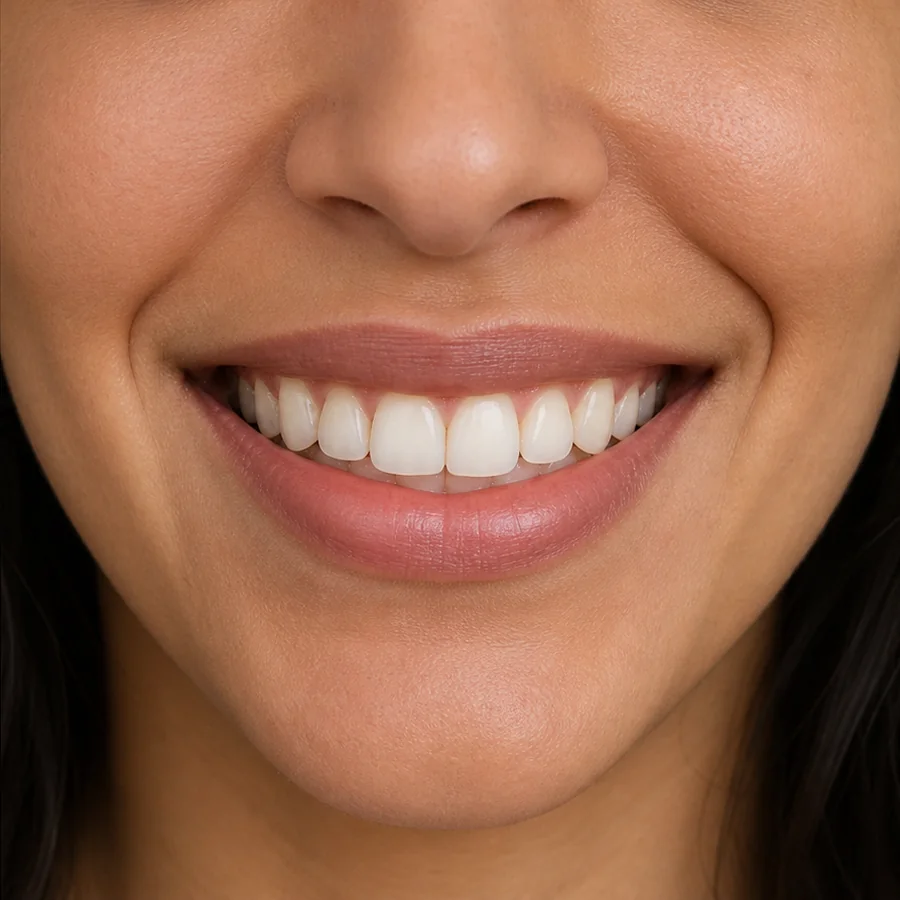
What a normally fitting aligner looks and feels like
A new tray commonly feels snug, particularly during the first day or two. Its edges should follow the gumline design, and plastic should seat over teeth and attachments without rocking. Very small spaces can be part of tray design or a movement stage, so photographs alone do not diagnose a problem.
Compare both sides, front teeth, and any tooth with a planned rotation. The previous tray, current number, and change date help the care team interpret what you see.
Signs a tray may not be tracking
Contact the team when a gap grows instead of shrinking, one tooth does not enter its compartment, an attachment no longer engages, the tray rocks, an edge lifts significantly, or the next tray cannot seat without force. Unexpected bite changes, severe pain, swelling, or a loose tooth need assessment.
A visible gap is not a reason to trim the tray, heat it, bite hard for hours, or move forward. Those actions can hide the signal while worsening control.
Why tracking problems happen
Contributors include missed wear, long meal periods, a lost attachment, changing too early, inaccurate or distorted records, a damaged tray, and movement that did not occur as predicted. New dental work can also change fit.
Sometimes the tray is not fully seated after insertion. Other times the tooth and plan have diverged enough to need a pause or refinement. Accurate wear history and clear images help separate those possibilities.
What seating aids can and cannot do
A clinician may recommend a clean seating aid for brief, gentle use to press a correctly designed tray into place. It is not an exercise device and should not be chewed continuously. Excessive force can damage a tray or irritate the jaw.
Seating does not make an untracked tooth move instantly. If a consistent gap remains, get advice before extending wear or switching trays. Never substitute household objects.
How to send a useful fit check
Use bright indirect light, clean the lens, and photograph front, left, right, upper, and lower views as requested. Include the tray number, insertion date, average daily wear, missed days, attachment changes, and symptoms.
Remote photos are useful for triage, but they cannot show roots, bone, decay beneath a contact, or every bite issue. Follow an instruction for in-person examination or additional records when images are not enough.
What to do before the next change
Do not advance automatically if the current tray does not fit as expected. Keep the previous tray clean and available. The provider may extend wear, return to a prior tray, replace an attachment, order new records, or create a refinement.
If the problem followed a lost or damaged tray, use the lost-aligner guide. If it persists, read the refinement guide.
Practical planning checklist
Make fit checks consistent. Seat the tray with clean fingers, then look from the front and both sides in bright light. Compare the same teeth each time and photograph a suspected gap from a repeatable angle. A tiny edge of plastic is not automatically a tracking failure; the question is whether the programmed tooth surface is fully engaged and improving as expected.
When reporting a problem, include the upper or lower arch, tray number, days worn, usual daily wear, missing attachments, recent dental work and any pain. Clear, complete information helps the clinician distinguish incomplete seating from a movement that needs more time, a replacement or a revised plan.
Do not use extreme biting force or unapproved devices to force a tray onto a tooth. Seating aids may help when used as directed, but they cannot overcome a blocked contact, incorrect tray or lost attachment. Pain that is sharp, localized or worsening also should not be treated as proof that the tray is “working.”
Tracking is ultimately a clinical outcome, not an app score. Remote photos can document visible fit, while in-person exams and radiographs may be needed to assess roots, gums, cavities and bite contacts. A responsible program explains when each type of review occurs and how treatment is paused when safety questions arise.
A seven-day response plan for a fit concern
First verify the tray number and arch, then seat it using the instructed technique and compare both sides. Photograph the same area in good light and check whether an attachment is missing. Record wear hours and any recent dental restoration. Send that information through the practice’s approved channel rather than relying on a social-media opinion based on one image.
Follow the clinician’s response for the full interval they specify. That may mean continuing the current tray, returning to a previous set, using an approved seating aid or arranging an examination. Do not trim the tray, stack aligners or skip forward. If pain becomes severe, swelling develops, a tooth feels unusually mobile or the bite changes suddenly, escalate promptly instead of waiting out the seven days.
Frequently asked questions
Is a small air gap always bad?
No. Some small spaces reflect tray design or stage; a growing, persistent, or tooth-specific gap should be reviewed.
Should I wear a tray longer if it does not fit?
Only follow an extended schedule given by the care team. More time does not solve every cause.
Can I move ahead if this tray feels loose?
Follow the prescribed schedule and fit criteria rather than sensation alone.
What if one attachment is not engaging?
Send a clear image and identify the tooth so the provider can decide the next step.
Sources and review notes
This article was prepared by the Hello My Teeth Editorial Team from authoritative dental guidance and peer-reviewed research. It provides general education, not an individualized diagnosis or treatment plan.
- American Association of Orthodontists: Clear Aligners
- FDA 510(k): ClearCorrect System
- PubMed: Clear Aligner Refinements—Systematic Review
- American Dental Association: Direct-to-Consumer Dental Services
Ready for a professionally reviewed plan?
Complete the candidacy check and provide the requested records so a licensed professional can determine whether a Hello My Teeth plan fits your case.