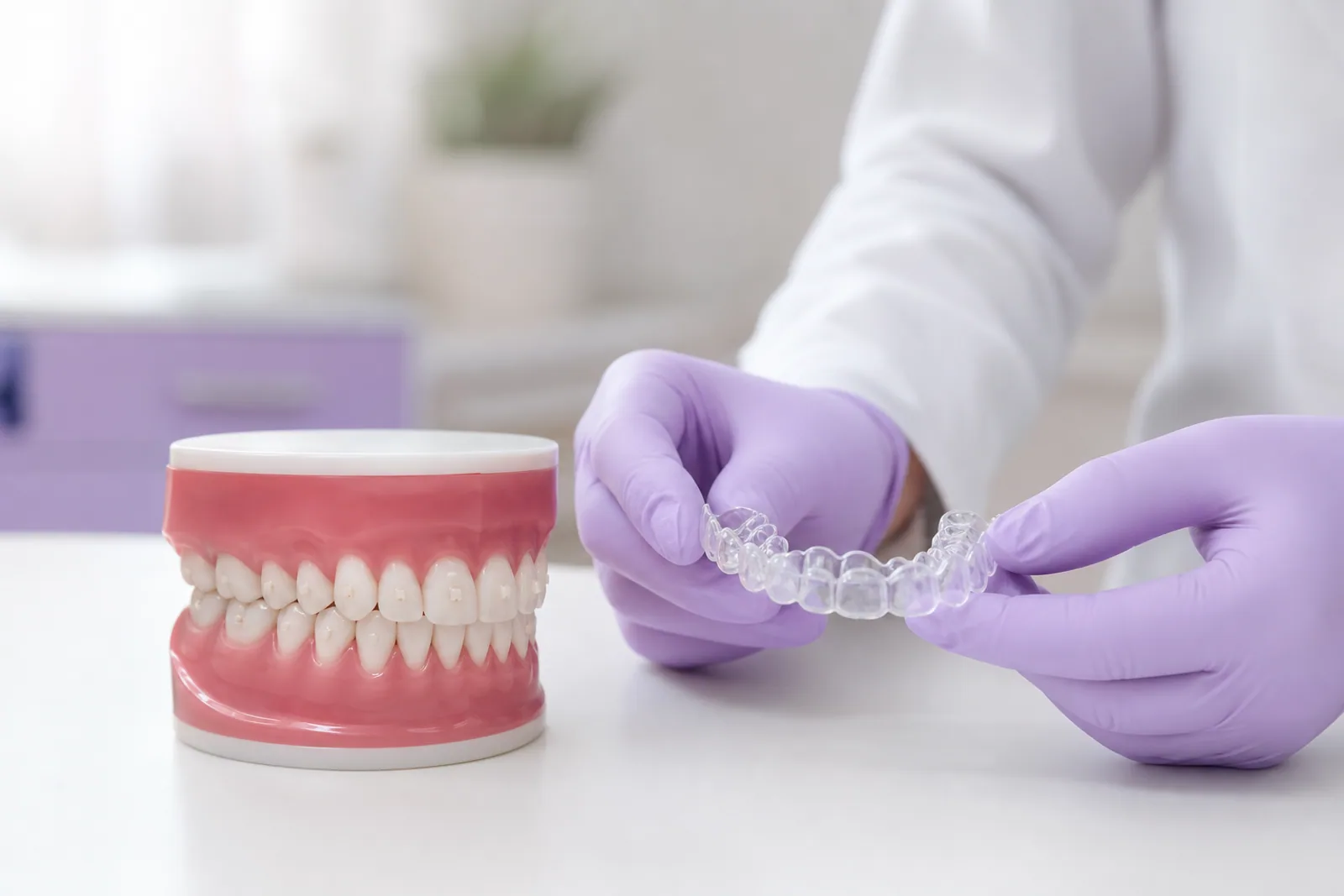
What attachments are
An aligner is smooth and removable, while a natural tooth has curves that can be difficult for plastic to control. A small composite attachment changes the contact between tray and tooth. Depending on shape and location, it may improve retention, help express a rotation, support root control, or create a more useful direction of force.
Attachments are sometimes called buttons, although that word can also describe bonded hooks used with elastics. The two are not always interchangeable. A treatment preview should show which teeth receive features and the care team should explain their purpose.
Why one plan uses more attachments than another
The number of attachments is driven by tooth shape, movement type, staging, and the aligner system. Rotating a rounded tooth, moving a tooth vertically, or controlling a root can require different features from closing a small space. Similar-looking smiles can therefore use different patterns.
More attachments do not automatically mean a more severe case, and fewer do not prove a simpler or better plan. The relevant question is whether each feature supports the intended movement and whether the plan stays within the clinician’s scope.
How attachments are placed
The tooth surface is cleaned and prepared. A template tray positions small amounts of tooth-colored composite, which are then cured. The clinician checks the shape, removes excess material, and confirms that the treatment tray seats fully. The process is usually completed without drilling away healthy tooth structure.
Teeth can feel rough when aligners are out, and trays may feel tighter at first. Removal technique matters: loosen the tray evenly instead of pulling hard from one attachment. Follow specific instructions because locations differ.
Visibility, staining, and daily care
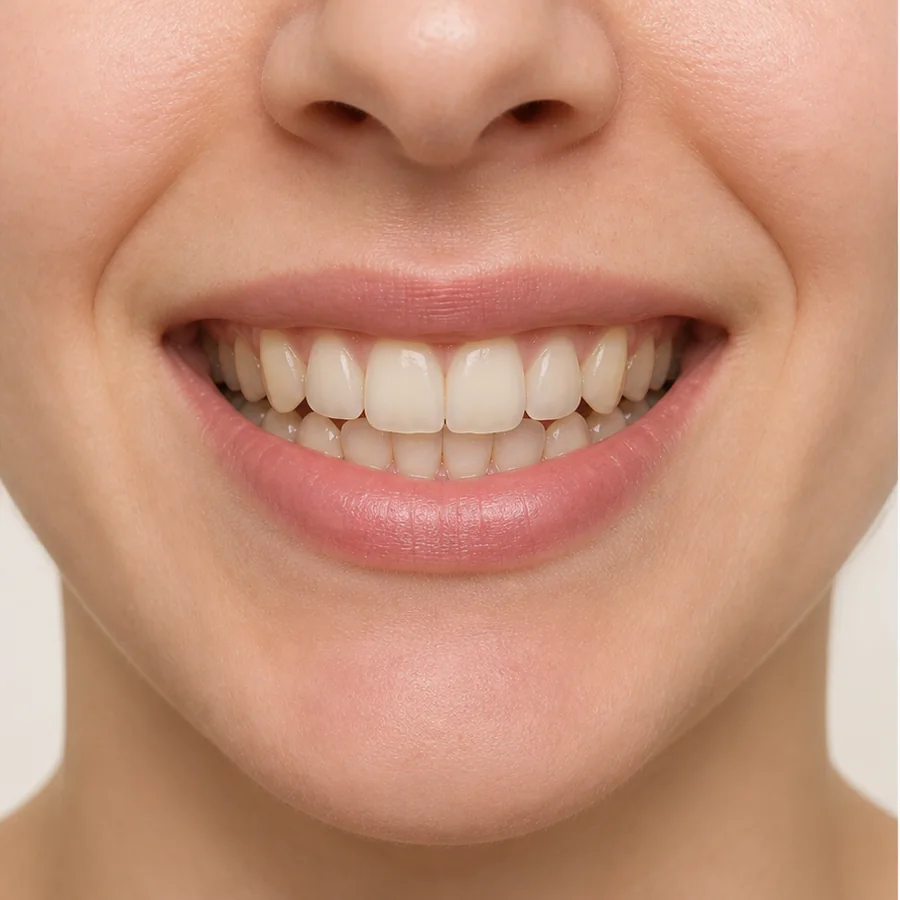
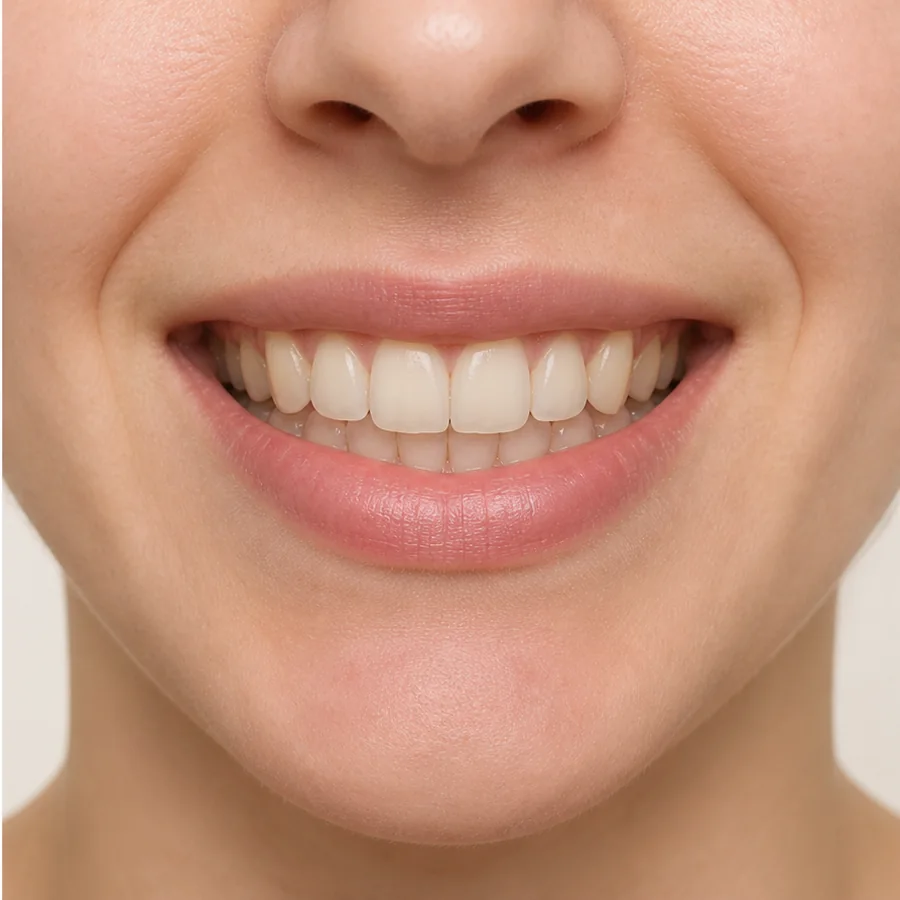
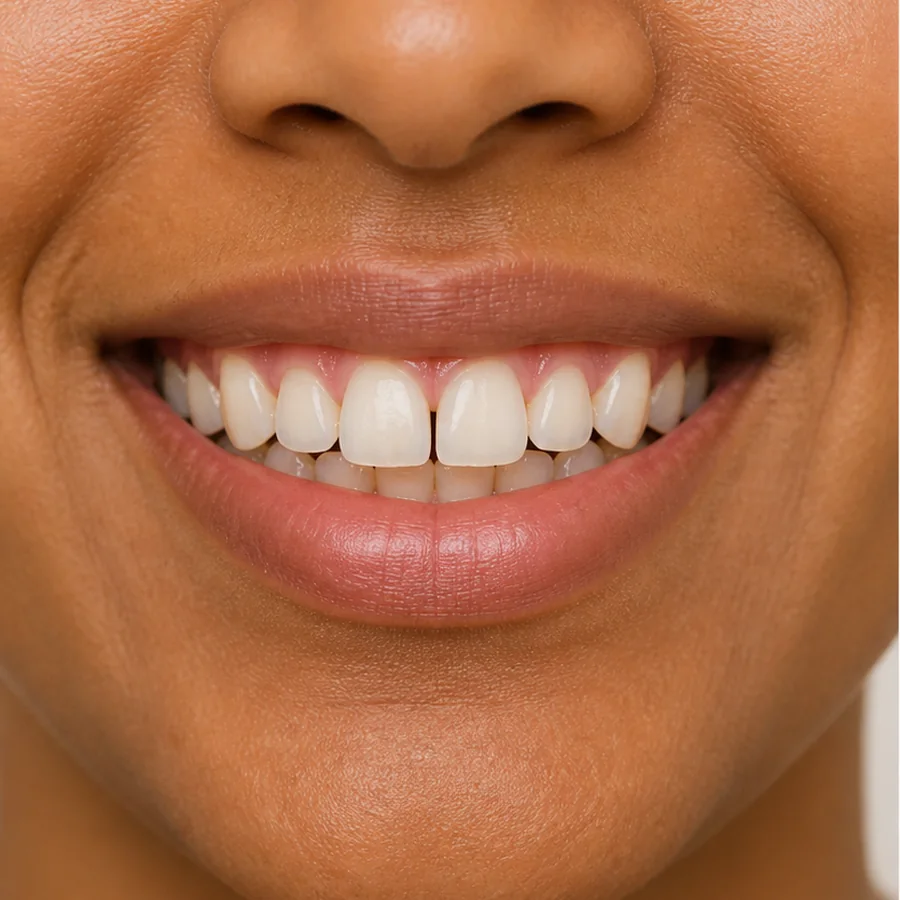
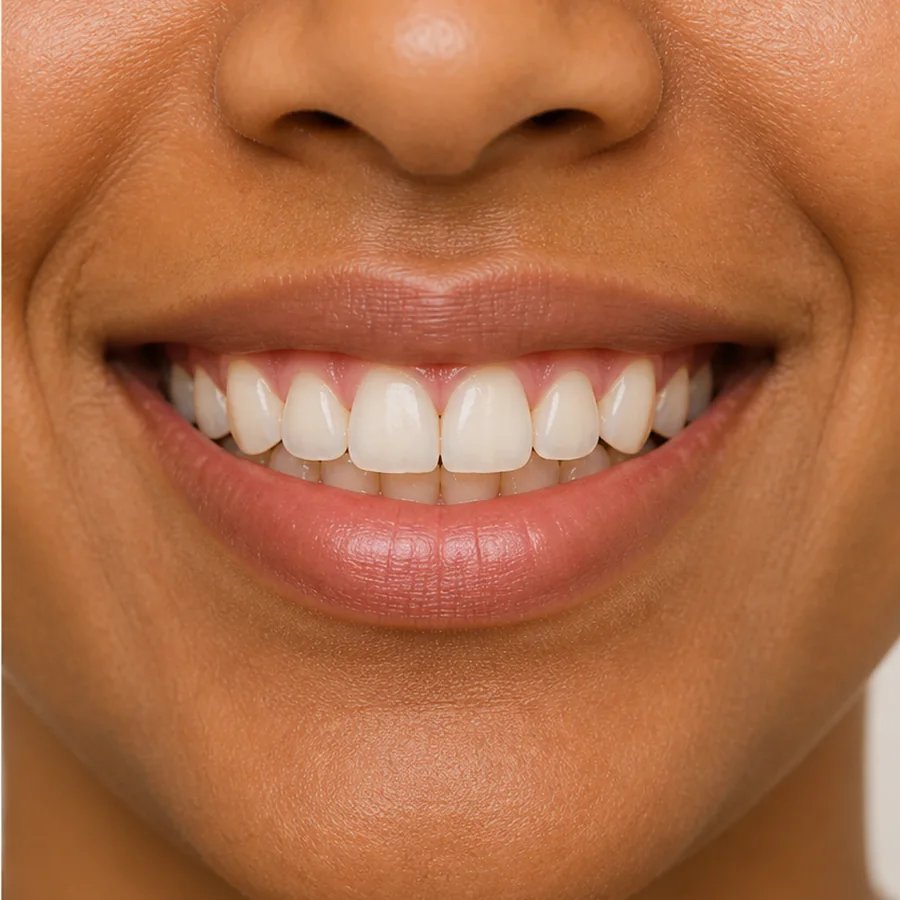
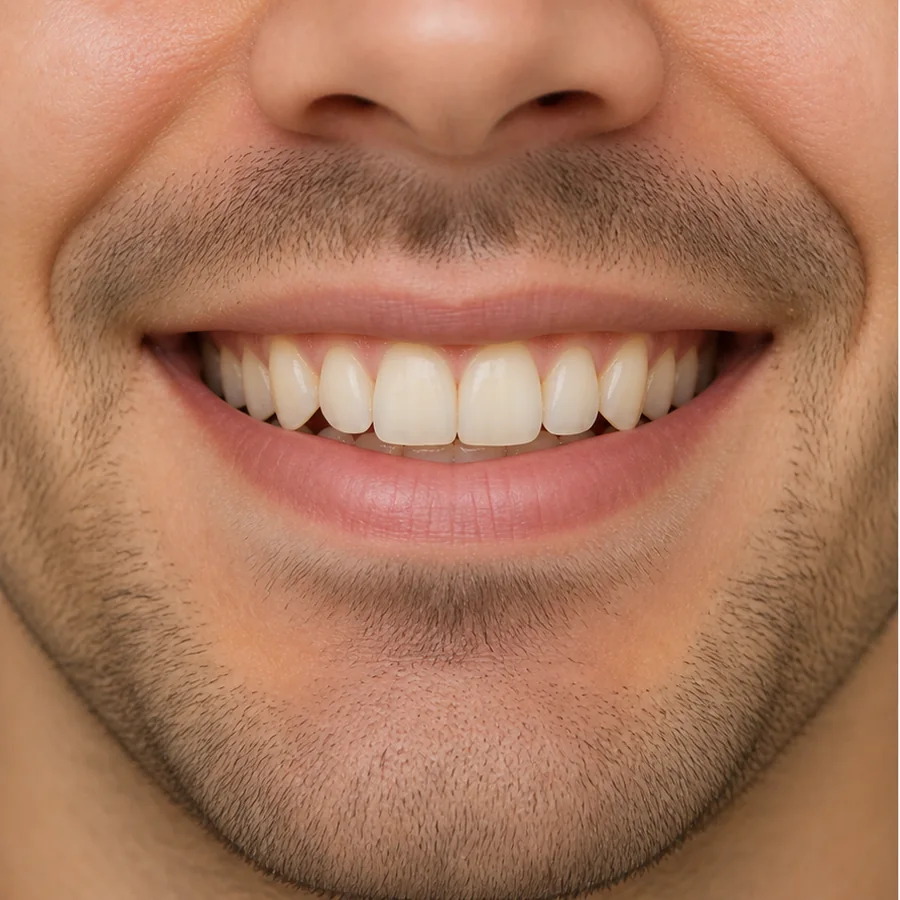
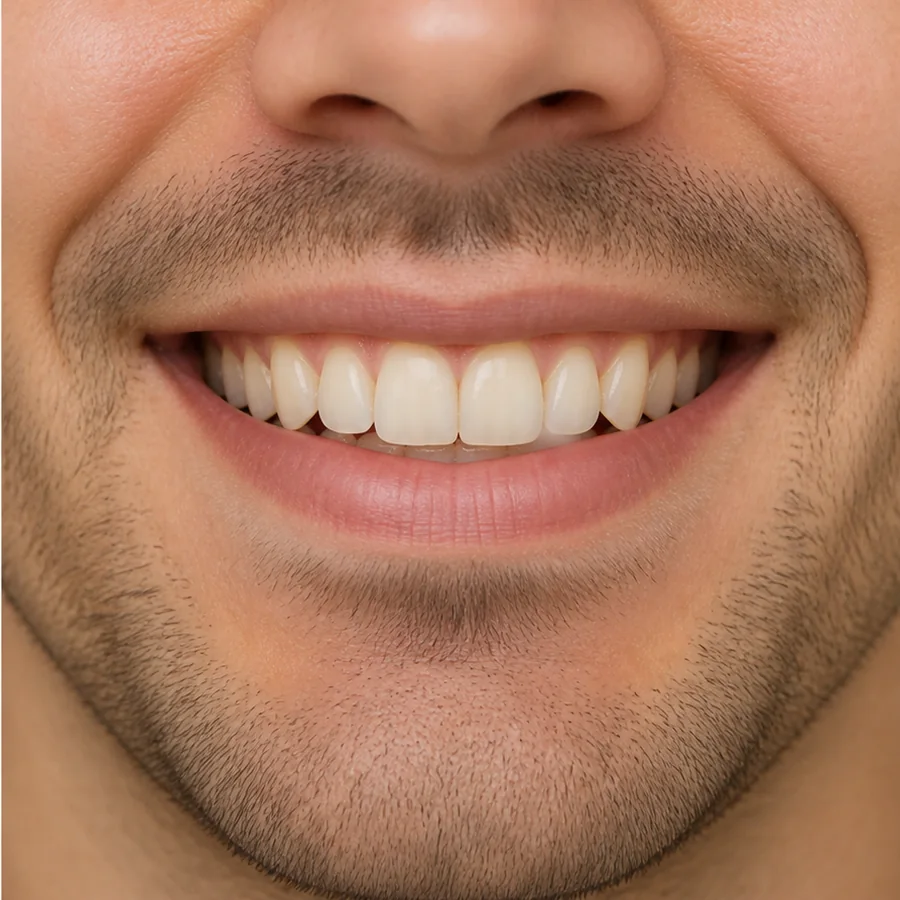
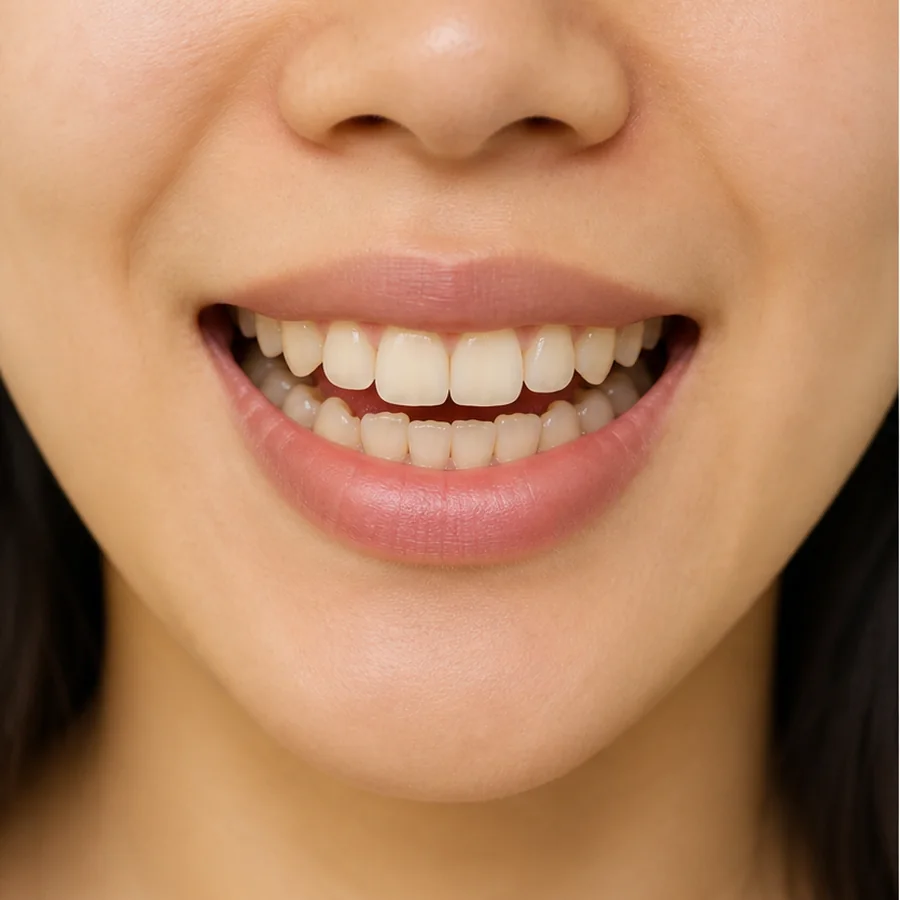
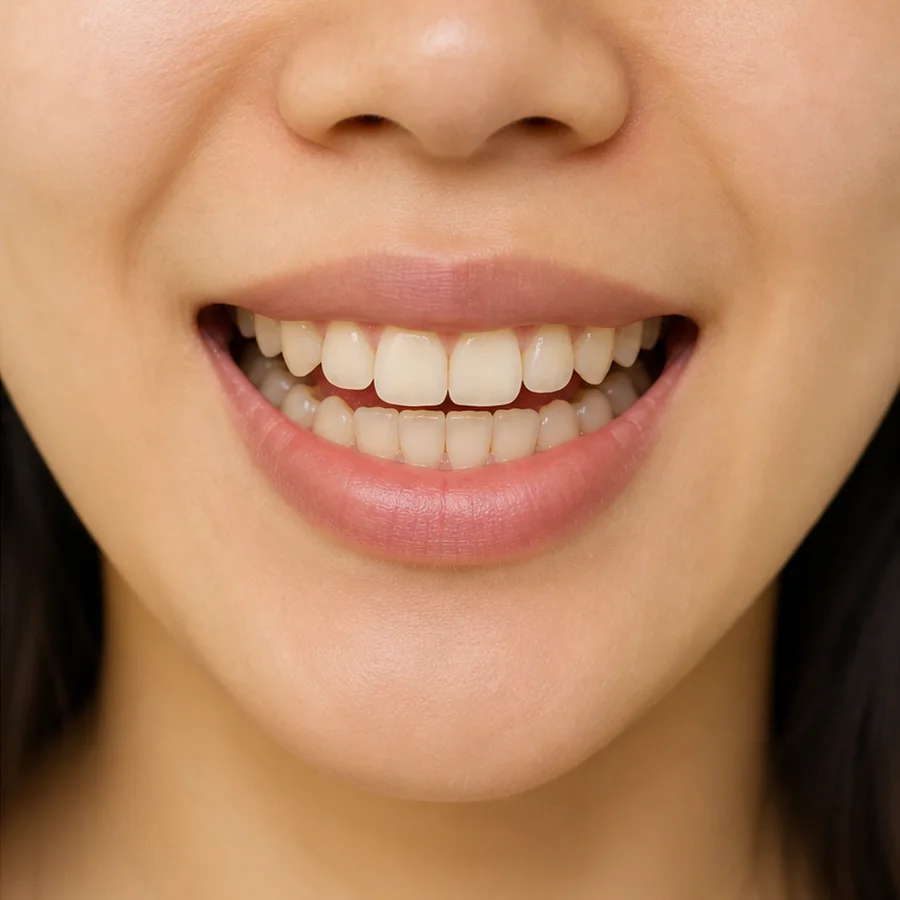
Attachments are designed to blend with teeth, but they are not invisible. Visibility depends on tooth color, location, lighting, and how many are placed near the front. Coffee, tea, tobacco, and plaque can make the area around composite more noticeable.
Brush carefully along the gumline and around each attachment before replacing the tray. Do not scrape composite with household tools. If an edge feels sharp or traps floss, ask the dental team to assess it.
What to do if an attachment falls off
A missing attachment may not be an emergency, but it can affect retention or the movement it was designed to support. Keep wearing the current tray unless the care team says otherwise, note which tooth is involved, and send a clear photo. Never glue anything back yourself.
The provider may replace it promptly, monitor until a scheduled visit, or adjust the plan. The correct response depends on the movement, tray stage, and whether the aligner still fits.
How attachments are removed after treatment
At the appropriate stage, the clinician removes composite and polishes the tooth surface. The aim is to remove added material while preserving enamel. A final check should confirm that surfaces are smooth and retention instructions are clear.
Treatment does not necessarily end when attachments come off. Refinement trays or retainers may follow. Read the refinement guide and retainer guide so you know which phase comes next.
Practical planning checklist
At the planning appointment, ask how many attachments are expected, which teeth need them and what movement each group supports. The answer may change during treatment because a refinement can add, remove or reshape attachments. Knowing their purpose makes it easier to distinguish a planned change from a missing attachment.
After bonding, check the mouth in good light. The shapes can feel prominent at first, and the trays may require more deliberate removal. Start at the back and release the tray gradually rather than pulling hard from one front tooth. If an attachment repeatedly catches the lip or the tray will not release, request technique guidance.
Cleaning deserves extra attention around the attachment margins, where plaque or stain may collect. Use a soft brush with fluoride toothpaste and clean between teeth. Whitening products can change exposed enamel differently from the covered area, so cosmetic timing should be discussed before treatment rather than improvised.
A lost attachment is not usually a medical emergency, but it should be reported with the tooth location and current tray number. The clinician decides whether it must be rebonded immediately, can wait until the next visit or is no longer needed. Continuing without telling anyone may allow a difficult movement to drift off plan.
Questions to ask at the bonding visit
Confirm what normal attachment texture and tray tightness should feel like, how removal differs around the bonded shapes and what foods or habits may loosen them. Ask whether a pre-existing restoration changes the bonding material or removal method. If several attachments are similar, a quick photo taken with permission can help you identify later which one has changed.
Before leaving, insert and remove the tray yourself while the team watches. The aligner should fully engage without bending aggressively, and no edge should cut the cheek or gum. Learn the after-hours contact process and whether a missing attachment requires an immediate appointment. This short skills check prevents repeated forceful removal, lost wear time and uncertainty once you are home.
Frequently asked questions
Do attachments hurt?
Placement should not create tooth-movement pain by itself, although the tray may feel tighter around new attachments.
Can attachments damage enamel?
They should be placed and removed by a trained dental professional using an appropriate technique.
Can I refuse attachments?
You can discuss alternatives, but removing a planned feature may change predictability or the suitable treatment method.
Are attachments the same as elastic hooks?
Not always. Composite attachments help tray control; buttons or hooks may serve as elastic anchor points.
Sources and review notes
This article was prepared by the Hello My Teeth Editorial Team from authoritative dental guidance and peer-reviewed research. It provides general education, not an individualized diagnosis or treatment plan.
- Invisalign: Attachments and Buttons
- PubMed: Influence of Attachments on Clear Aligner Therapy—Systematic Review
- FDA 510(k): ClearCorrect System
- American Association of Orthodontists: Clear Aligners
Ready for a professionally reviewed plan?
Complete the candidacy check and provide the requested records so a licensed professional can determine whether a Hello My Teeth plan fits your case.