Why teeth move after aligners
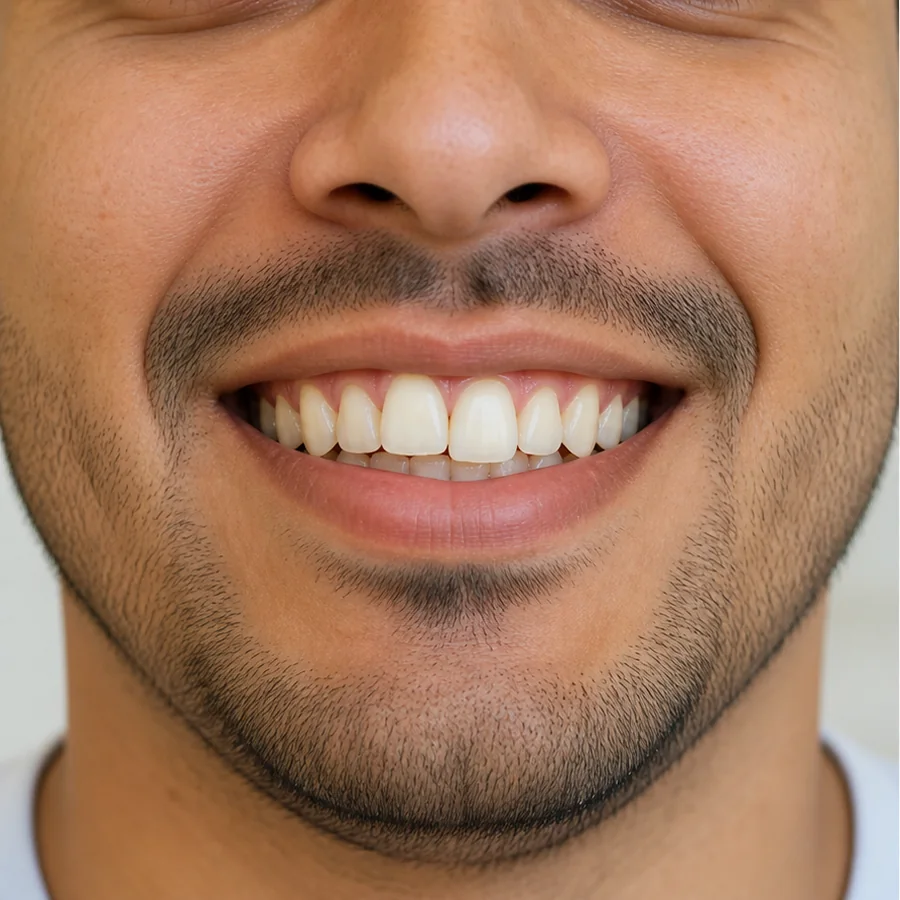
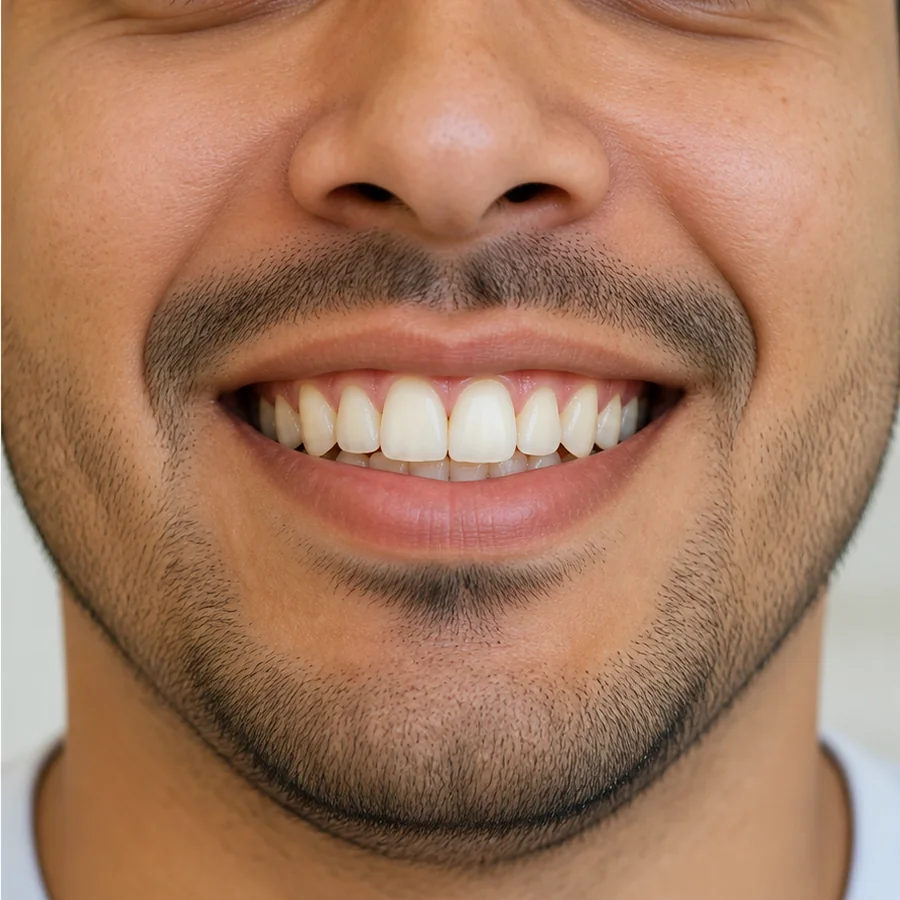
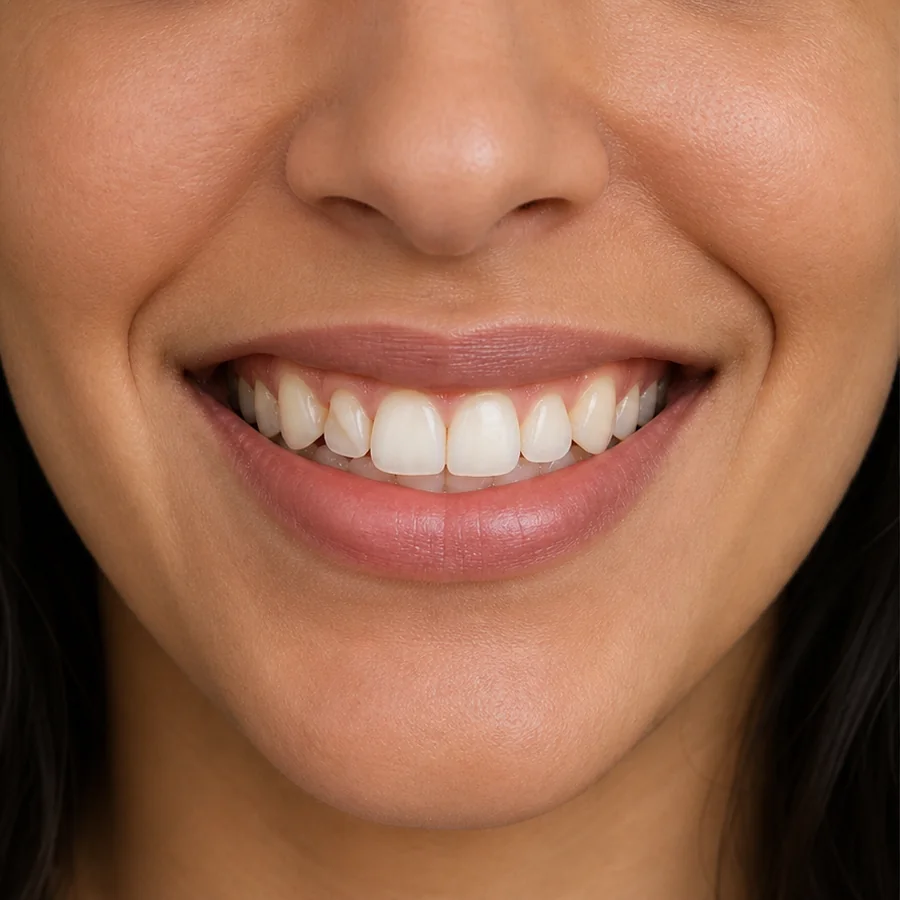
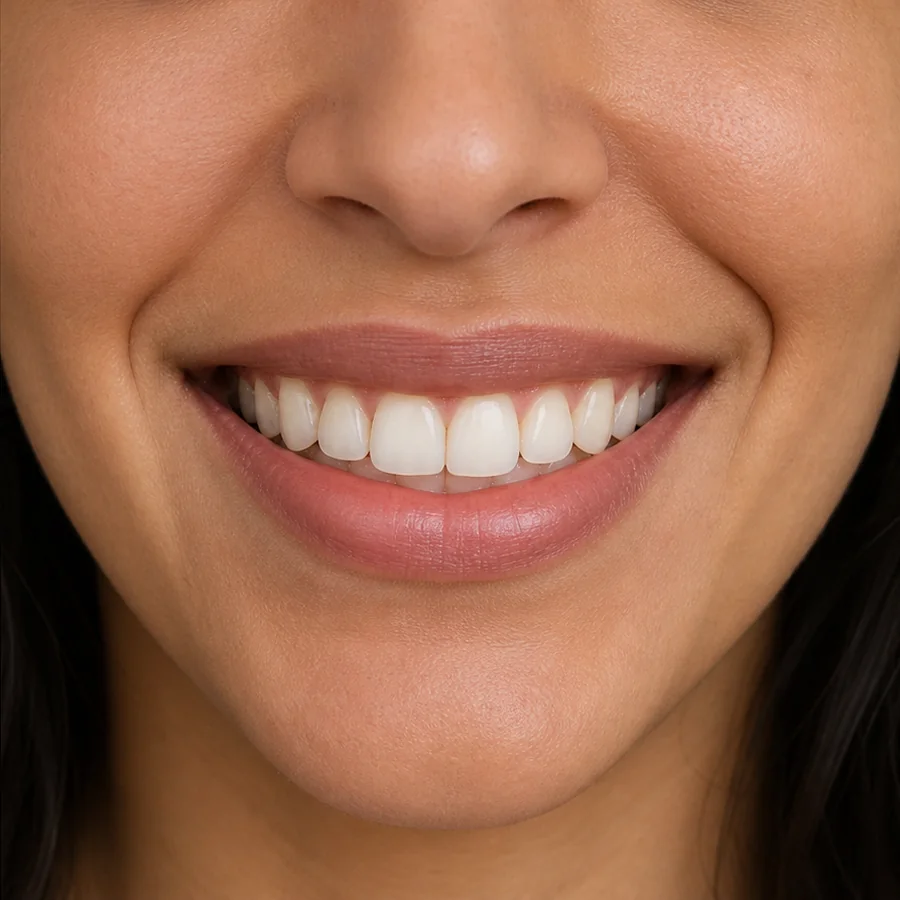
Orthodontic force remodels the tissues supporting a tooth. When active movement stops, those tissues do not instantly become fixed in the new position. Everyday biting forces, aging, and the natural tendency toward the original alignment can all contribute to relapse.
A retainer holds the teeth while the surrounding structures adapt and continues to limit movement over the long term.
How long do you wear retainers?
The exact schedule is individualized. Many plans begin with more frequent wear and later move to nighttime wear. Long-term or lifelong nighttime retention is commonly recommended because teeth can change throughout life.
Follow the instructions from the clinician who finished your case. Do not reduce wear just because the retainer feels easy; an easy fit often means it is doing its job.
Clear, Hawley, and fixed retainers
Clear removable retainers look similar to aligners but are designed to hold rather than actively move teeth. Hawley retainers use an acrylic base and wire. Fixed retainers are bonded behind selected teeth. Each type has different maintenance, visibility, and monitoring needs.
Hello My Teeth includes two sets of retainers with its plans. Your care team can explain the prescribed wear schedule and when replacement is appropriate.
How to care for a removable retainer
- Rinse it when removed and clean it daily with a soft brush and cool or lukewarm water.
- Use only cleaning products approved for the material.
- Keep it in its protective case when it is not in your mouth.
- Avoid hot water, dashboards, dishwashers, bleach, and alcohol-based products.
- Continue brushing, flossing, and regular dental checkups.
For a side-by-side look at soaking tablets, crystals and foam, see our 2026 clear aligner and retainer cleaner comparison. Confirm that any cleaner suits your retainer material before use.
What if the retainer feels tight?
A retainer that still fits and is only mildly tight may indicate small movement, but follow your provider's advice. Do not force a retainer that will not seat or that causes pain. Contact the care team; you may need a replacement or an evaluation.
When to replace a retainer
Ask for help if the retainer cracks, warps, develops a sharp edge, becomes very loose, or no longer fits. Also report a fixed retainer that detaches from a tooth. Keep a backup set stored safely so you are not left without retention while a replacement is made.
Frequently asked questions
Do I really need a retainer forever?
Many clinicians recommend long-term nighttime retention because teeth can change throughout life. Follow the schedule written for your case and ask before reducing wear.
Can I use my last aligner as a retainer?
Only if your care team explicitly directs it as a temporary step. Active aligners and long-term retainers have different purposes and may use different materials or designs.
Why are two retainer sets useful?
A backup prevents a long gap in retention if one set is lost or damaged. Store the spare safely, and make sure it still fits when your provider advises checking it.
Sources and clinical guidance
This article is educational and does not replace an individualized dental diagnosis or treatment plan. Clinical guidance consulted:
- American Association of Orthodontists: Retainers
- American Association of Orthodontists: Retainer Care
- NHS: Orthodontic Treatments and Retainers
Want a plan built for your smile?
Take the 2-minute candidacy check, then let a licensed dentist review whether a Hello My Teeth plan fits your case.