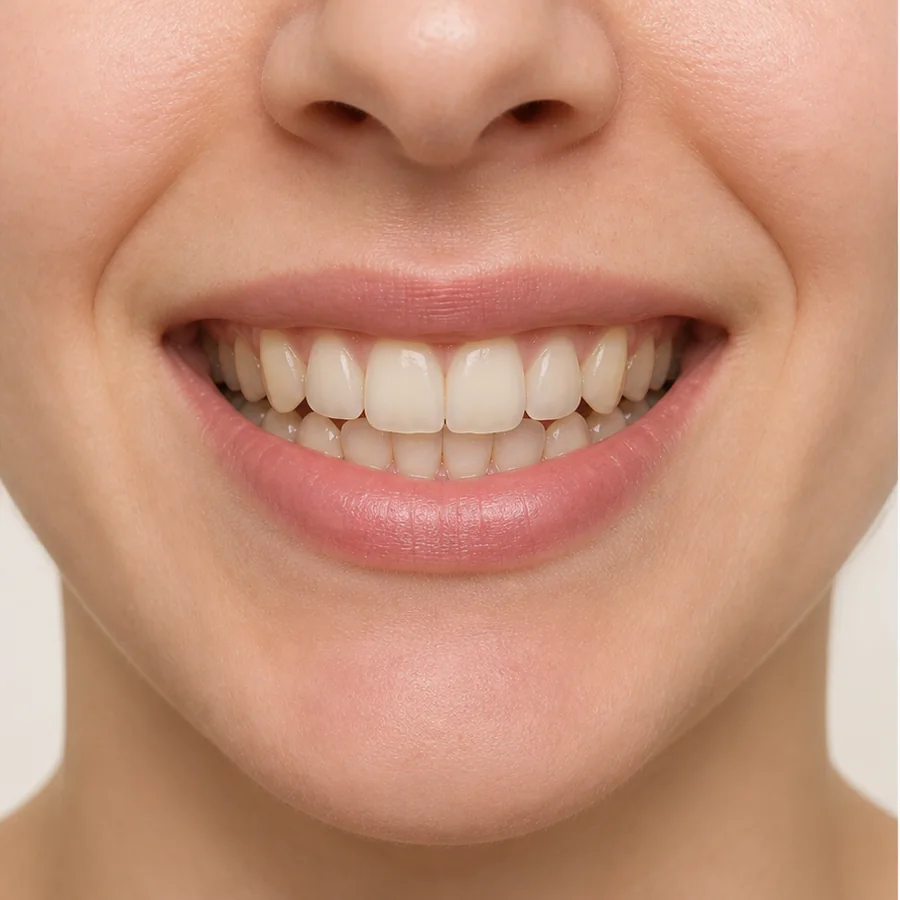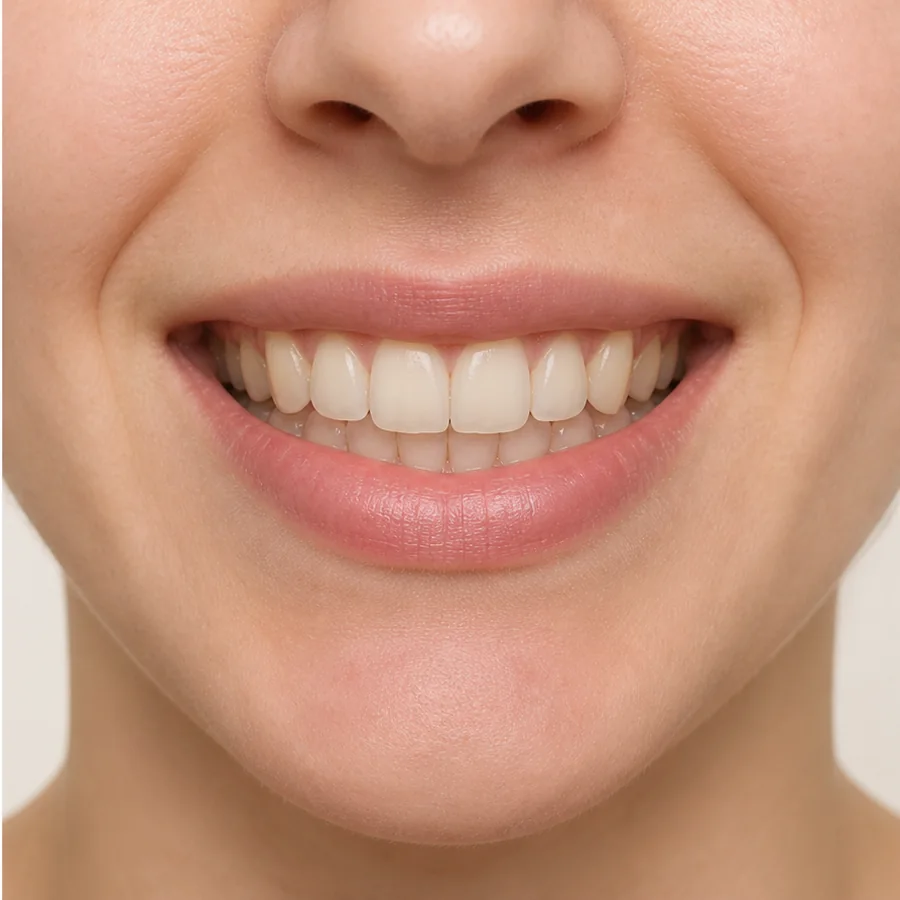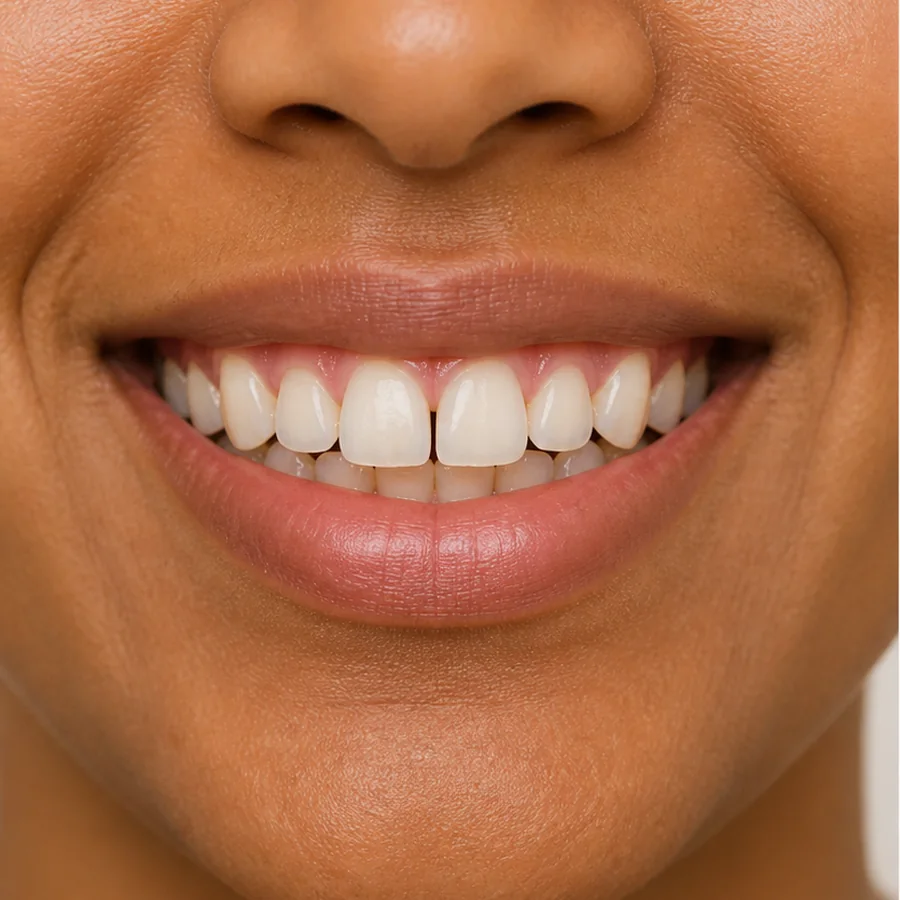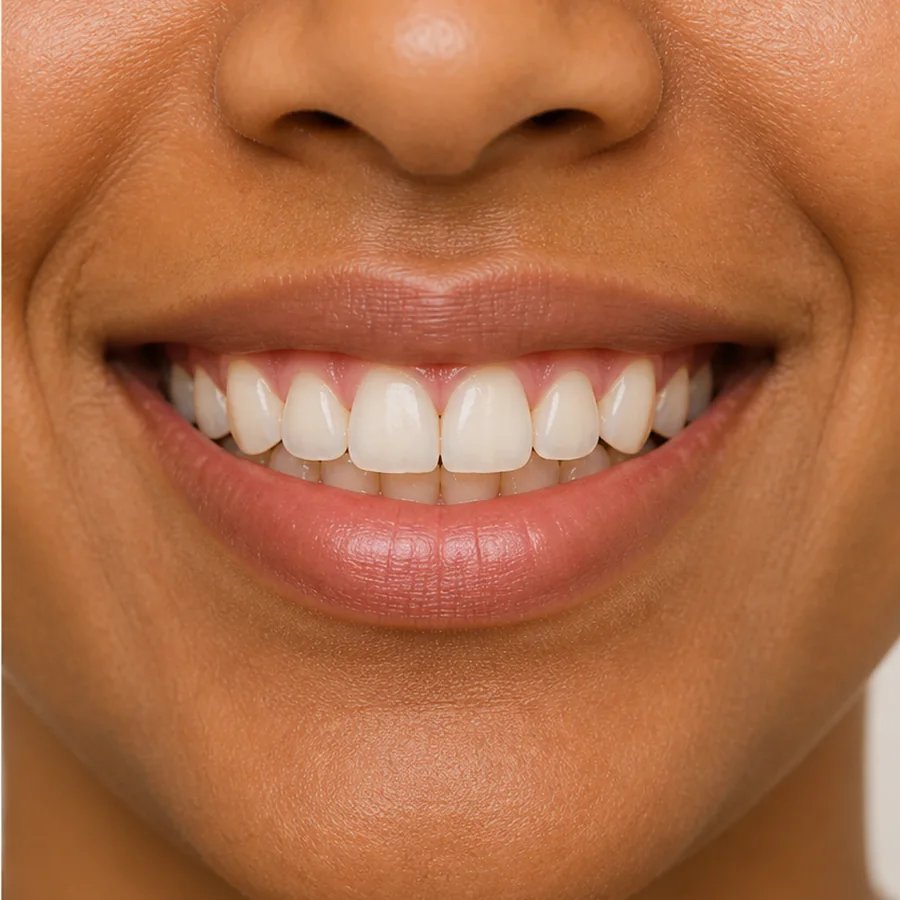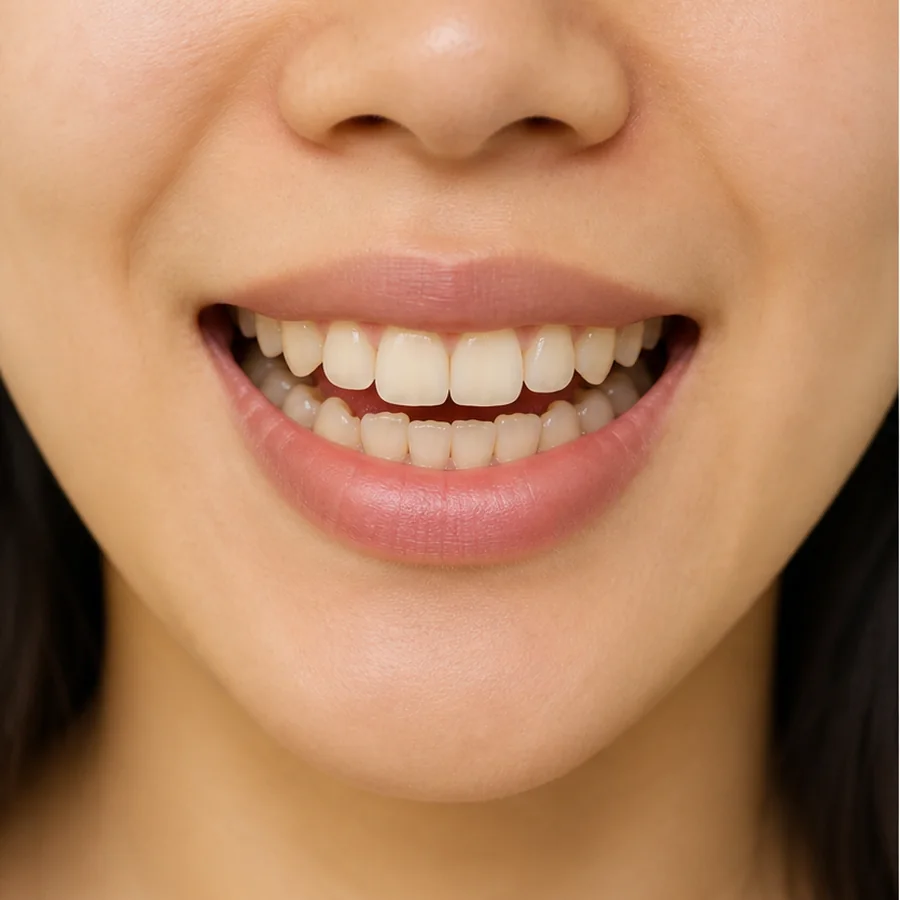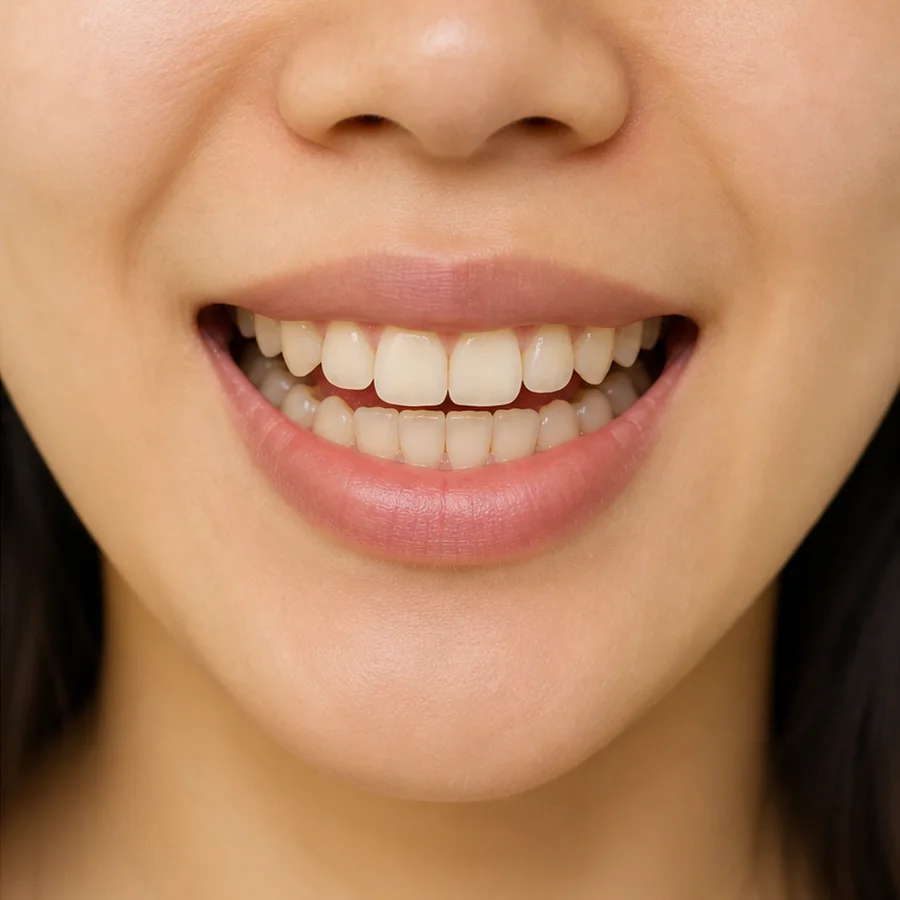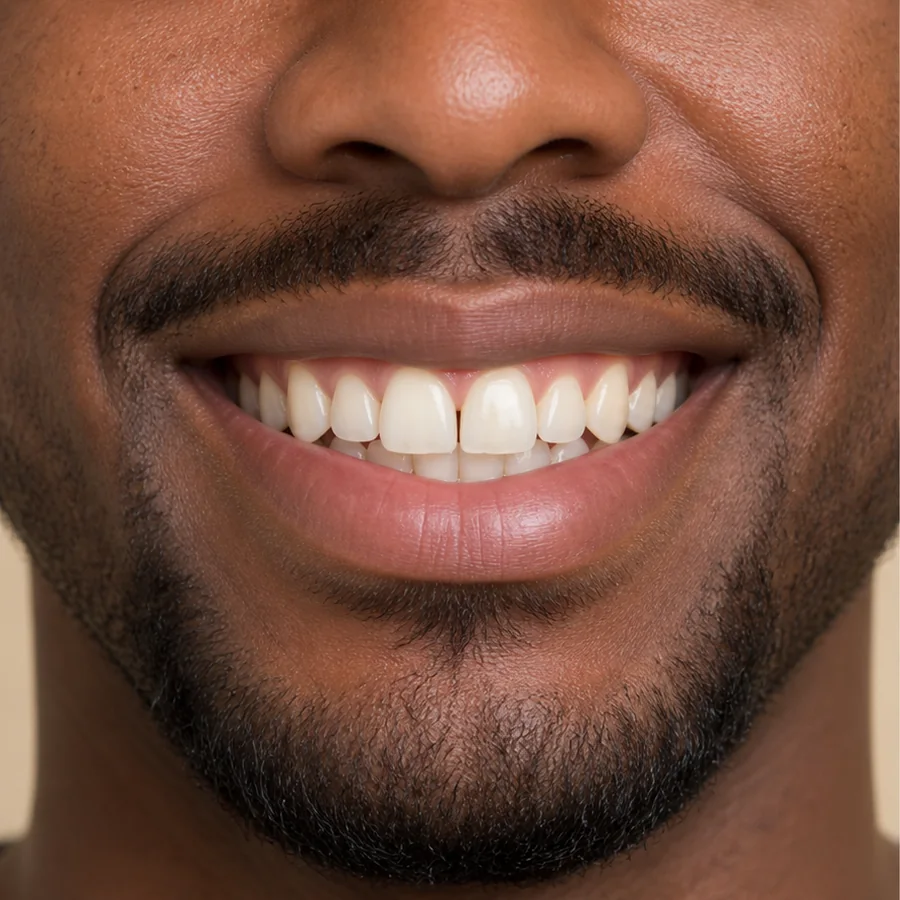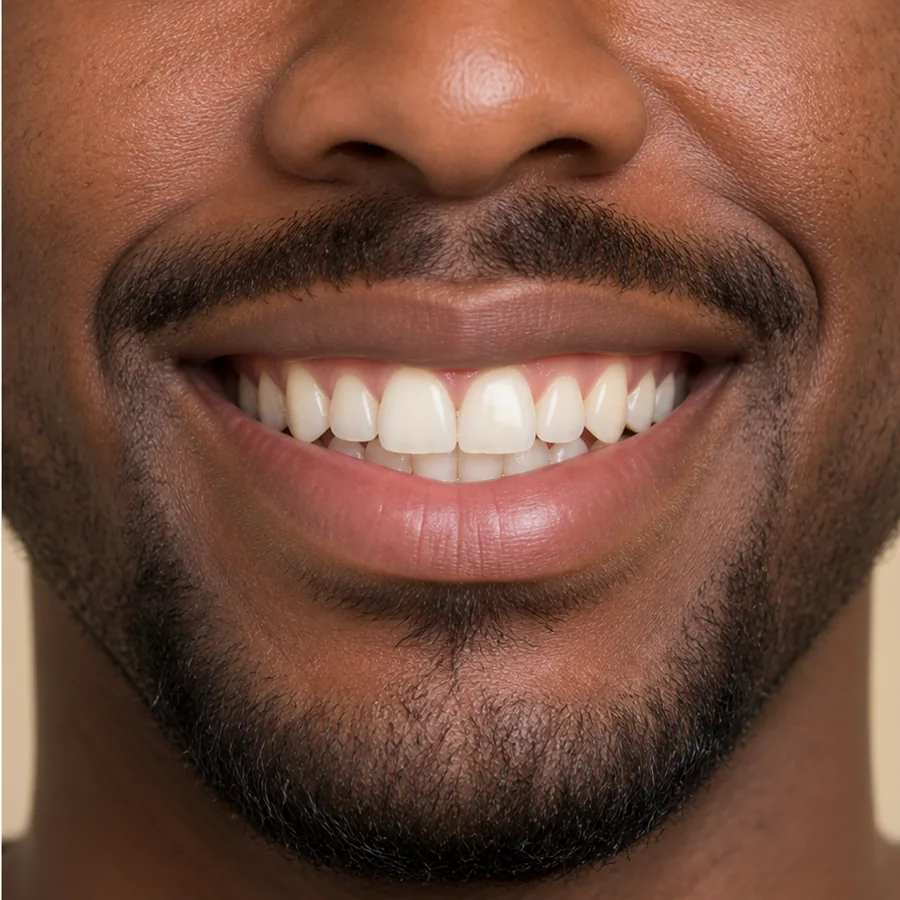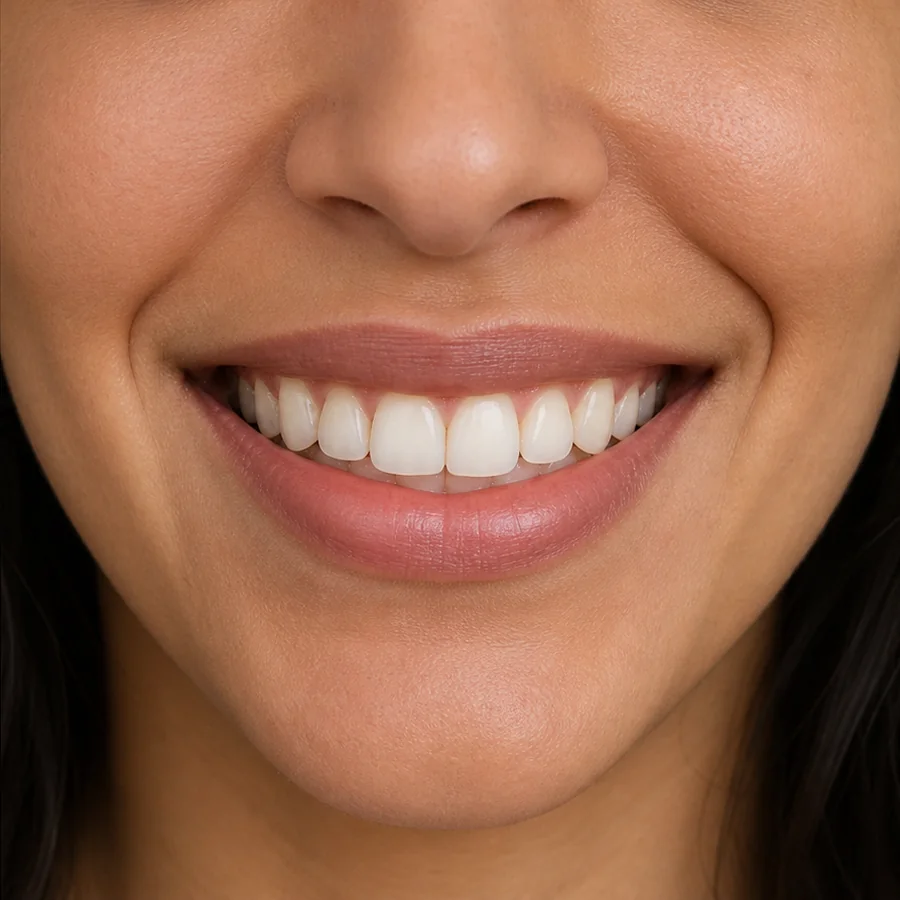
What determines your treatment time
The starting position of your teeth is only one factor. Your dentist also evaluates root position, gum and bone health, the amount and direction of movement, your bite, and whether space must be created. Two people who appear to have similar front teeth can need different plans after a full assessment.
Hello My Teeth plans are designed for approved minor-to-moderate cases. The estimate shown in your personal treatment preview is more useful than an average from an advertisement.
A typical clear aligner timeline
The process begins with impressions or a 3D scan, followed by a dental review and a digital treatment plan. After you approve the preview, the aligner sequence is manufactured and delivered. Active treatment then moves through a series of trays, each designed for a small step.
Some people see visible changes early, but appearance is not the same as completion. Back teeth, roots, and the bite must also track as planned. The final stage is retention, which protects the result after active movement ends.
How wear time affects progress
Aligners can move teeth only while they are being worn. Long or frequent periods out of the mouth can allow teeth to rebound, make the tray feel tight, and cause the sequence to fall behind. Follow your prescribed daily schedule and change trays only on the date your care team provides.
Do not double up, skip trays, or switch early to make treatment faster. More force or faster staging is not automatically safer.
Common reasons treatment takes longer
- Inconsistent wear or leaving trays out after meals.
- A lost, cracked, or warped aligner.
- Teeth not tracking the digital plan.
- Untreated decay or gum inflammation.
- Missed photo check-ins or delayed responses to the care team.
- A refinement sequence needed to improve the final position.
How to know whether you are on track
Your trays should progressively seat over the teeth, and your scheduled photos should show the expected changes. Keep every remote check-in and continue routine dental exams and cleanings. Contact the team early if a tray stops fitting, pain becomes unusual, or you miss substantial wear time; small course corrections are easier than fixing a large delay.
Frequently asked questions
How soon will I see a difference?
Some people notice small changes within the first stages, but visible change does not mean the bite and roots are finished. Compare progress at planned check-ins, not every day.
Can I change trays early to finish faster?
No. Change only on the schedule your care team gives you. Switching early can introduce forces before the planned movement has occurred and may reduce tracking.
What is an aligner refinement?
A refinement is an additional set of trays designed after progress is reassessed. It can improve tracking or fine-tune the final position and may extend active treatment.
Sources and clinical guidance
This article is educational and does not replace an individualized dental diagnosis or treatment plan. Clinical guidance consulted:
- American Association of Orthodontists: Clear Aligners
- American Association of Orthodontists: Clear Aligner Therapy
- American Dental Association: Dentist-Supervised Care
Want a plan built for your smile?
Take the 2-minute candidacy check, then let a licensed dentist review whether a Hello My Teeth plan fits your case.