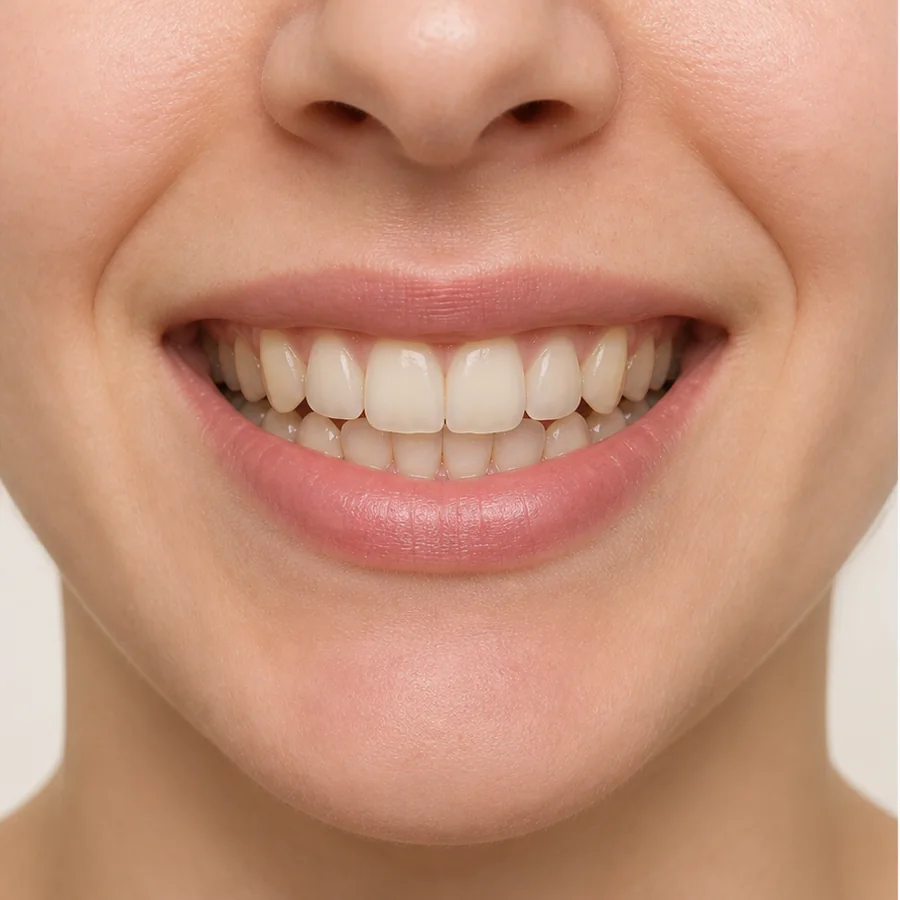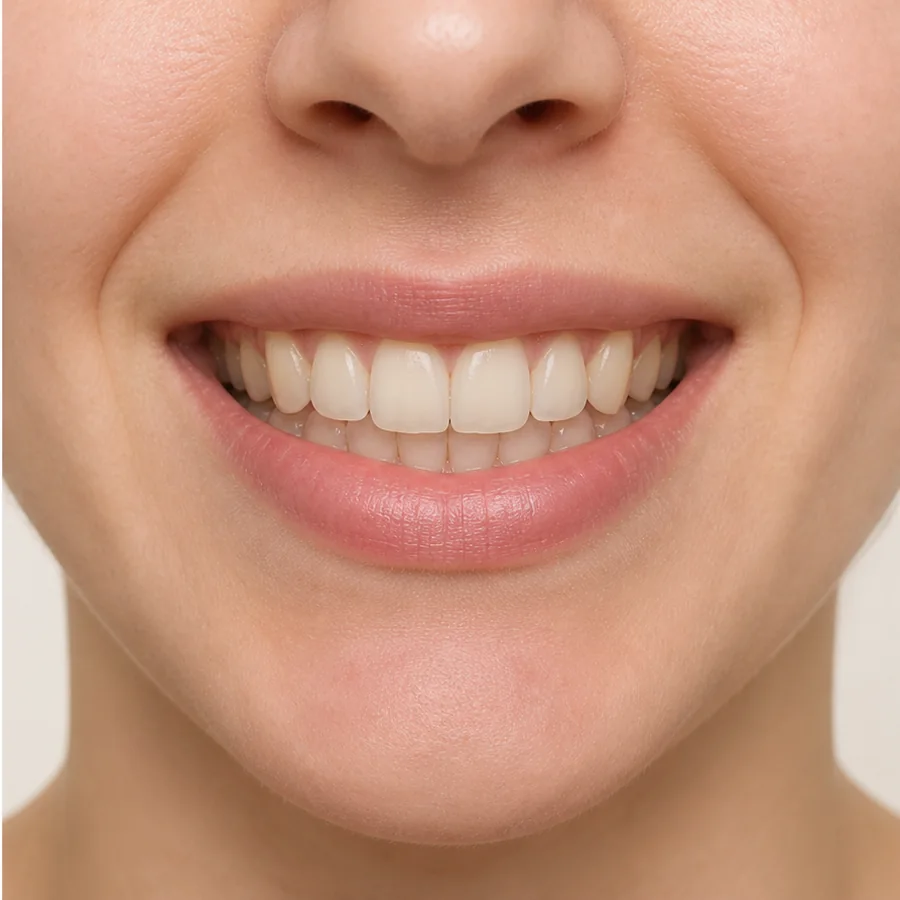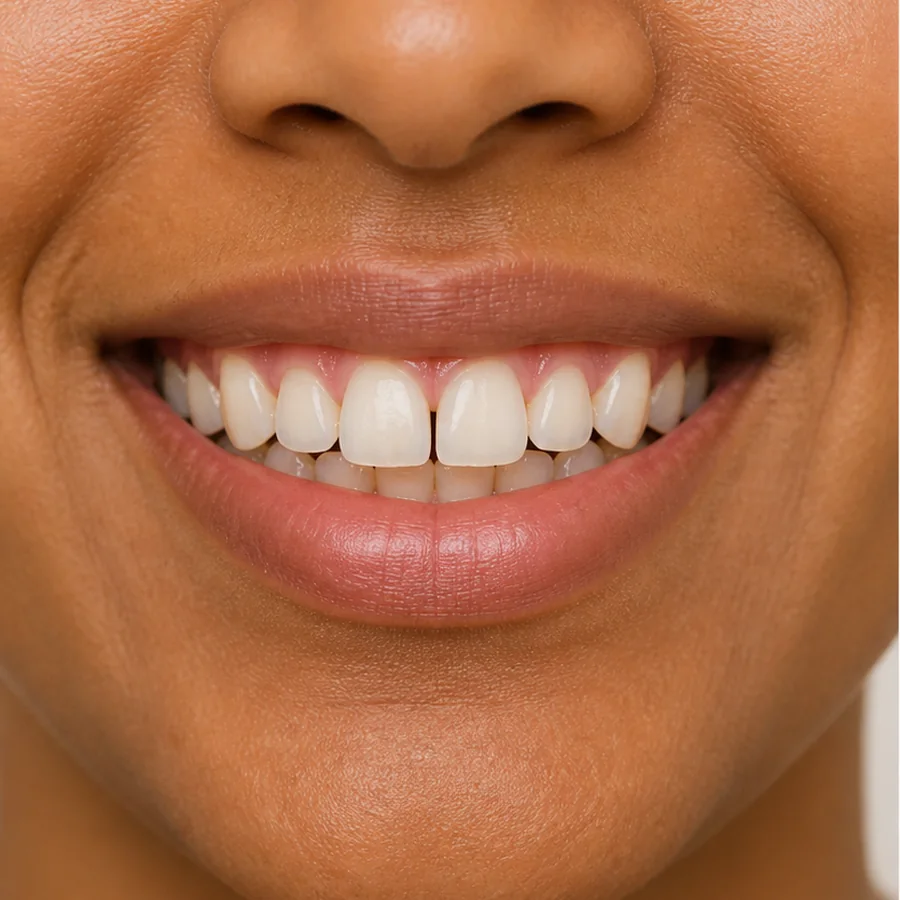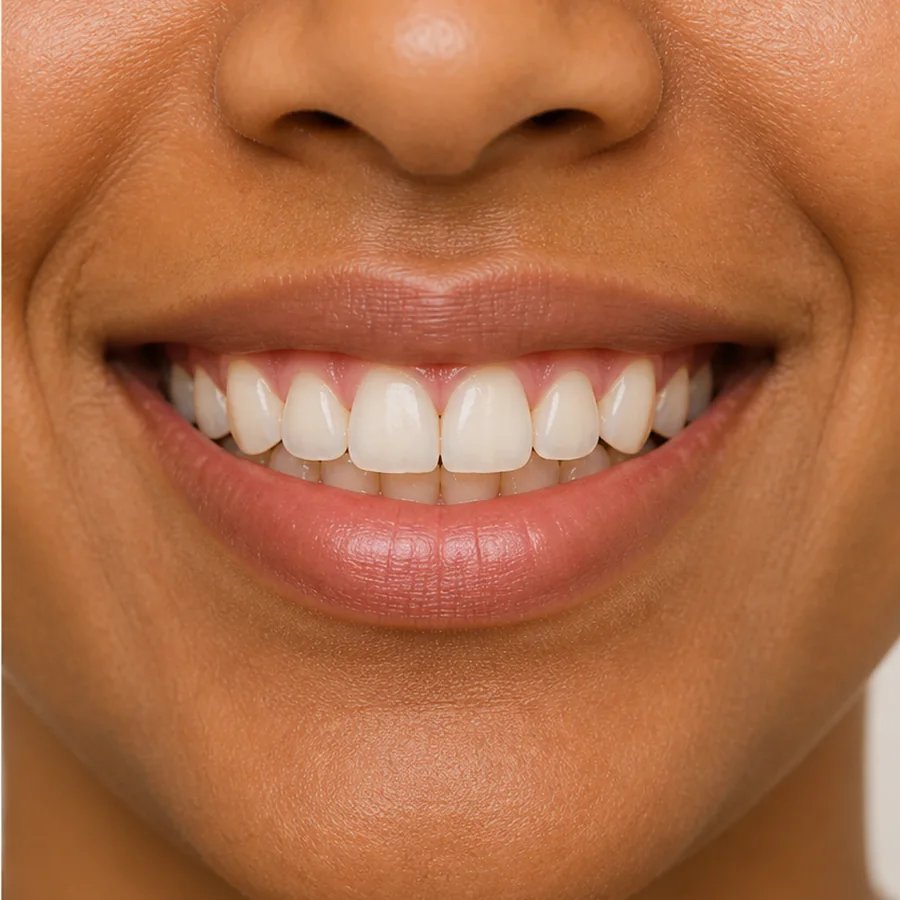
What normal aligner discomfort feels like
Normal soreness is usually a dull pressure across several teeth. You may notice it most when removing the tray or biting into firm food. A new edge can also rub the tongue, cheek, or gum until the tissue adapts.
The first tray often feels the most unfamiliar. Later tray changes may create a shorter period of tightness. Every plan is different, so a tray that feels almost effortless is not necessarily failing and a very painful tray is not necessarily working better.
How long does clear aligner pain last?
Mild discomfort commonly settles within a few days. Your mouth may take about a week to feel fully accustomed when treatment first begins. Pain that keeps intensifying, wakes you repeatedly, affects one tooth sharply, or continues beyond the expected adjustment period needs professional guidance.
Ways to make the adjustment easier
- Switch to a new tray at night so the first hours happen while you sleep.
- Choose softer foods during the tender period.
- Use a cool drink of water or a warm salt-water rinse for comfort.
- Keep wearing the tray as directed; repeated long breaks can make reinsertion feel tighter.
- Ask your dentist or pharmacist whether an over-the-counter pain reliever is appropriate for you.
Do not trim, heat, or reshape a tray unless your care team explicitly tells you how. A home alteration can change how force is applied.
Pain that is not normal
Contact your dental team for a tray that causes a cut, does not seat, has a large crack, or produces sharp pain. Also report swelling, pus, fever, a loose permanent tooth, significant bleeding, facial trauma, or trouble breathing or swallowing. The last two require urgent medical evaluation.
A sore tooth can come from decay, gum disease, grinding, or another dental problem unrelated to the aligner. Remote monitoring is useful, but it does not replace an in-person dental exam when one is needed.
Pressure versus a poor fit
A correctly fitting tray should sit closely over the teeth. Small spaces can occur early in a stage, but a tray that rocks, hangs away from multiple teeth, or will not go on should be checked. Send clear photos through your care channel and wait for individualized instructions before jumping ahead.
Frequently asked questions
Is the first clear aligner usually the most uncomfortable?
The first tray can feel especially noticeable because your mouth is adapting to both pressure and a new appliance. Later changes may still feel tight for a short time.
Should I take pain medicine for aligner soreness?
Ask your dentist, physician, or pharmacist whether an over-the-counter medicine is appropriate for your health history and other medications, then follow the label.
Should one tooth hurt more than the others?
A planned movement can make a tooth feel more tender, but sharp, severe, worsening, or persistent pain should be reported so a dental professional can rule out poor fit or disease.
Sources and clinical guidance
This article is educational and does not replace an individualized dental diagnosis or treatment plan. Clinical guidance consulted:
- American Association of Orthodontists: Clear Aligners
- American Association of Orthodontists: Clear Aligner Therapy
- American Association of Orthodontists: Orthodontic Emergencies
Want a plan built for your smile?
Take the 2-minute candidacy check, then let a licensed dentist review whether a Hello My Teeth plan fits your case.