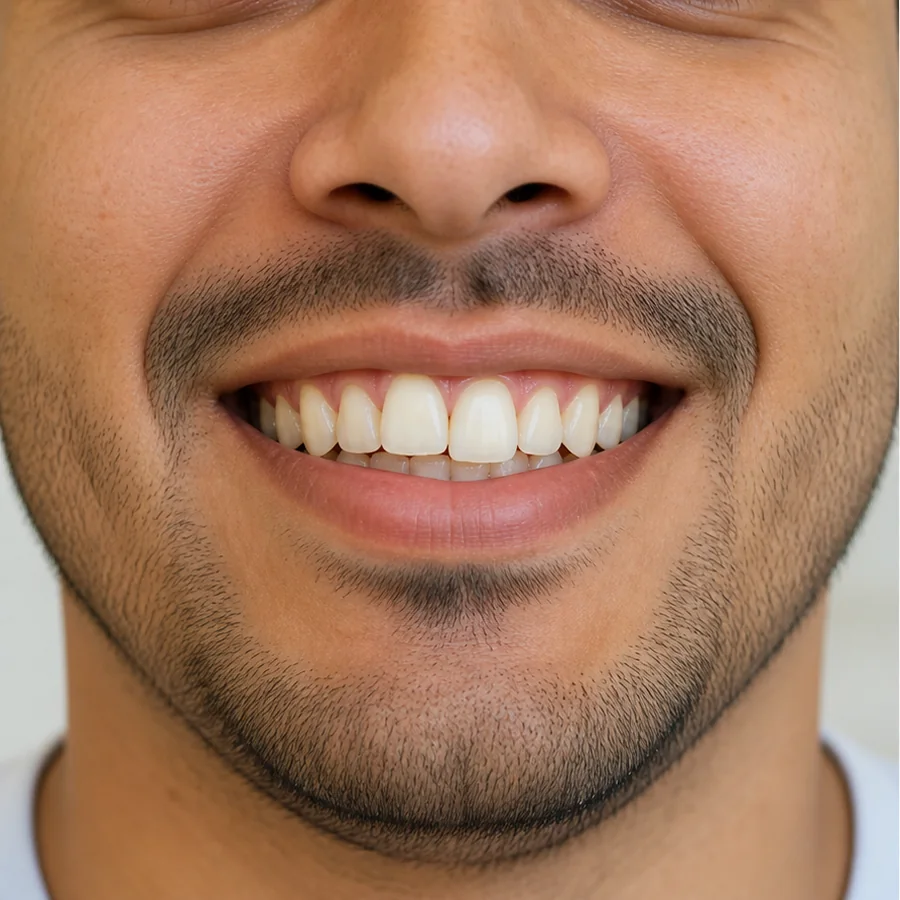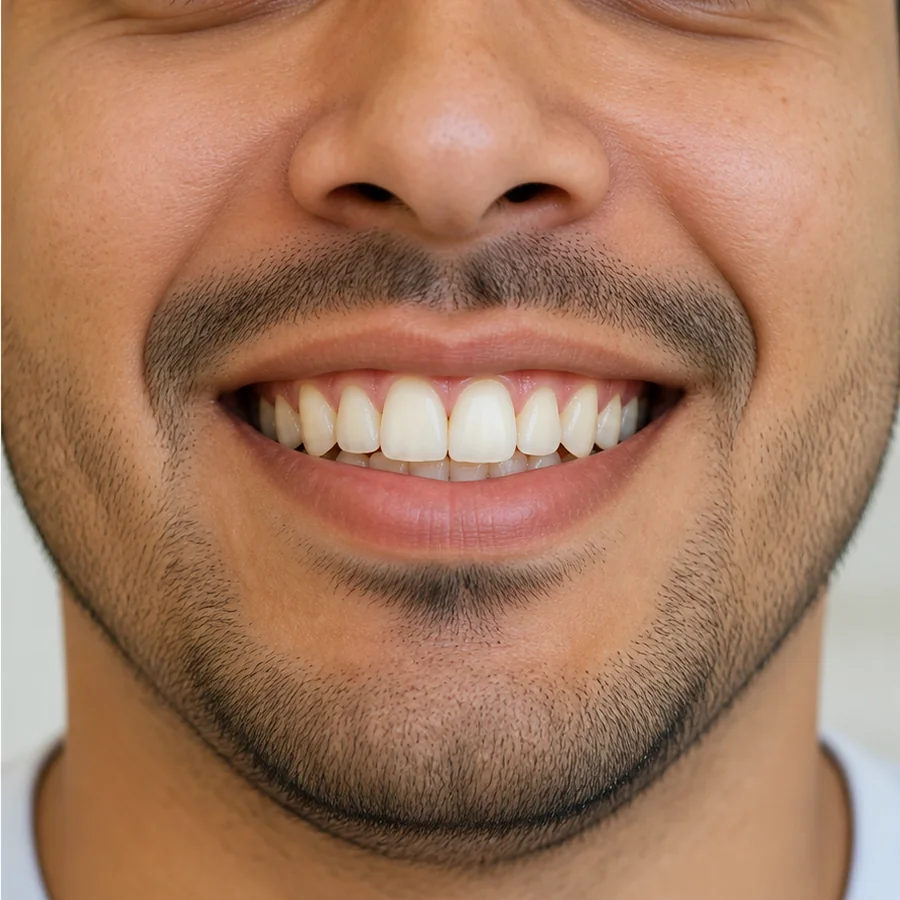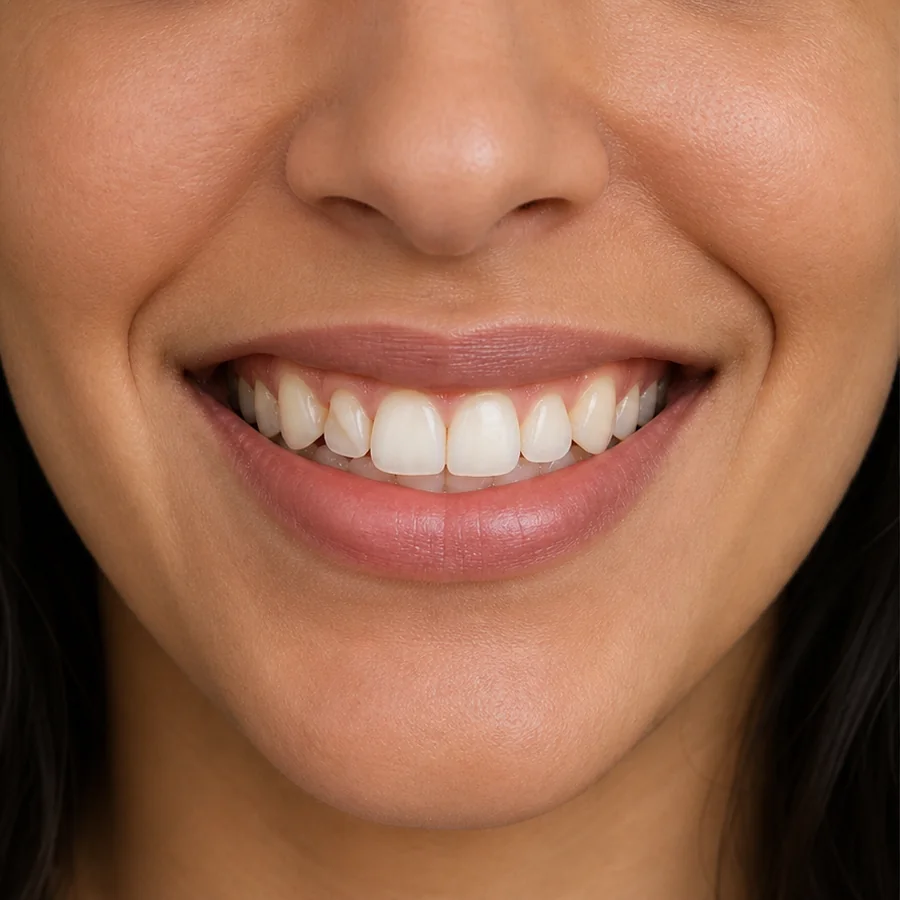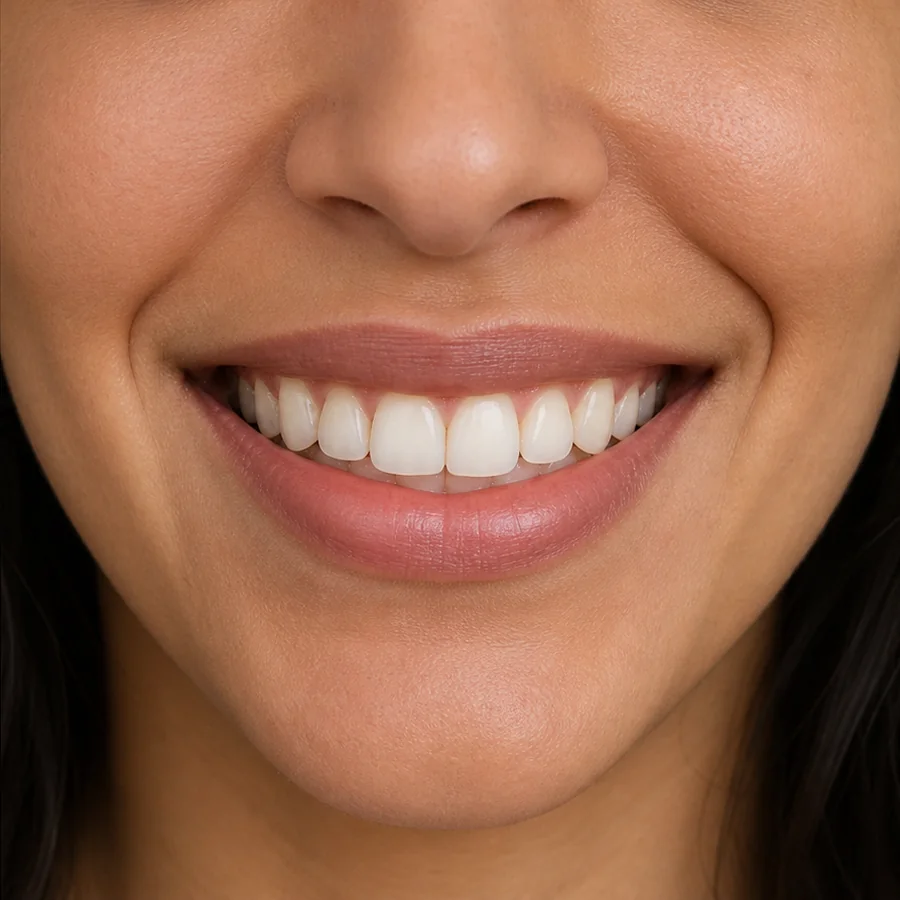
Why gaps form
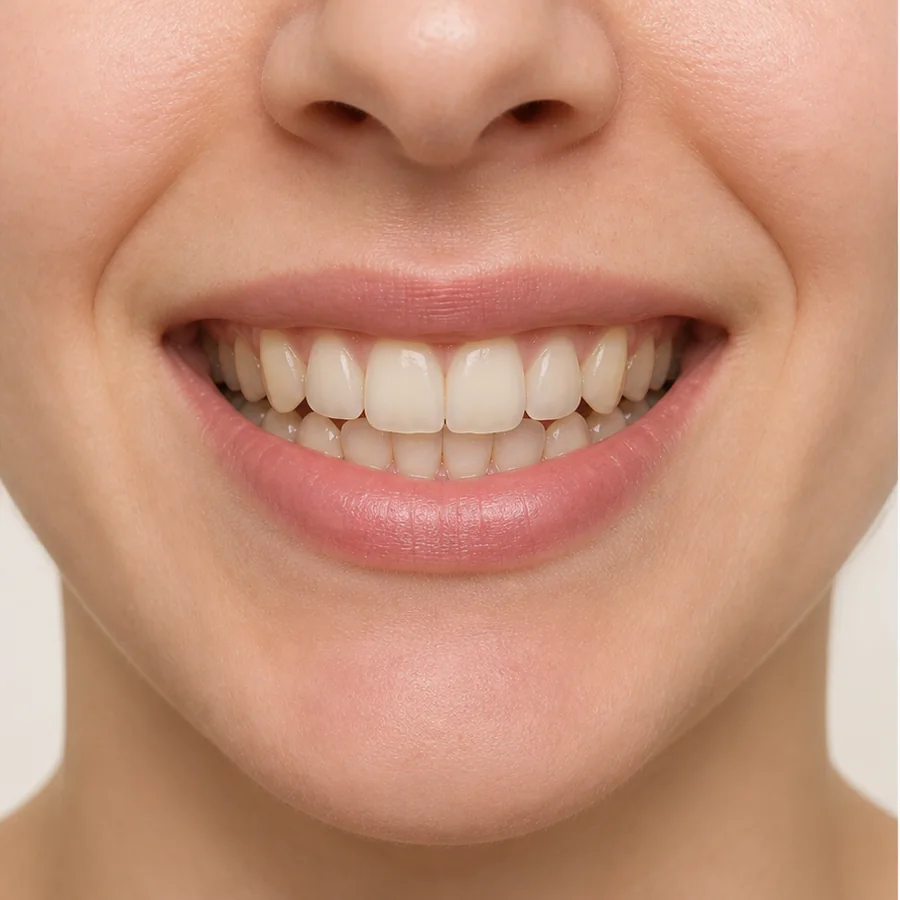
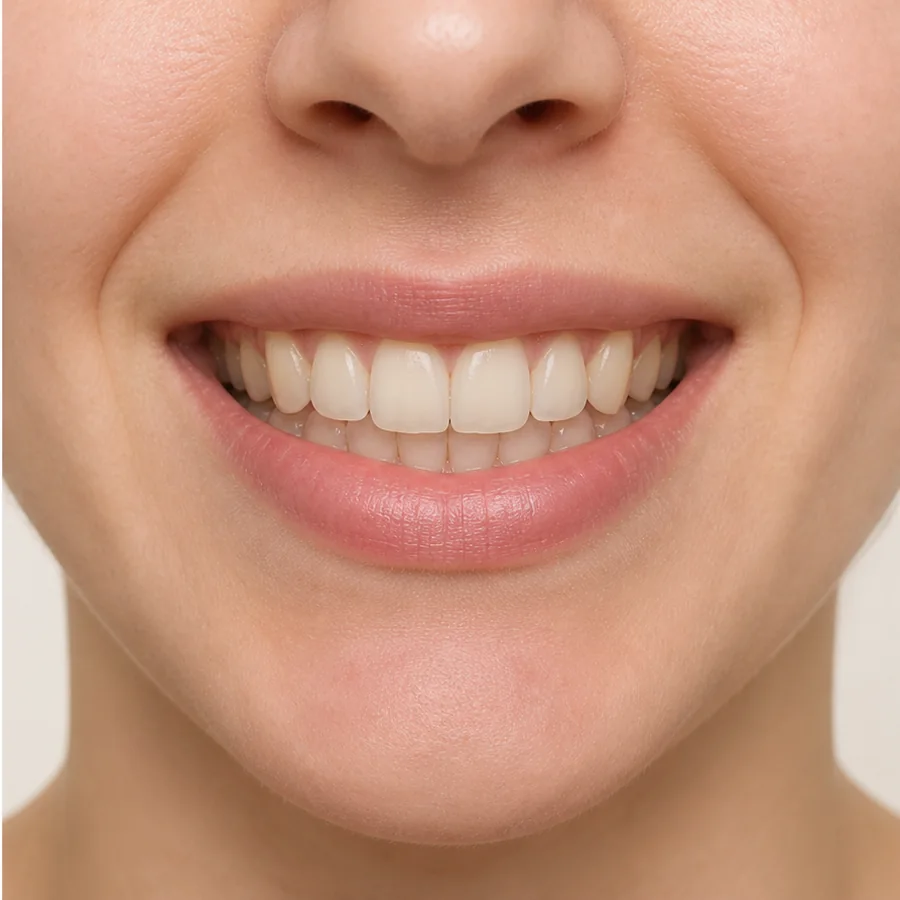
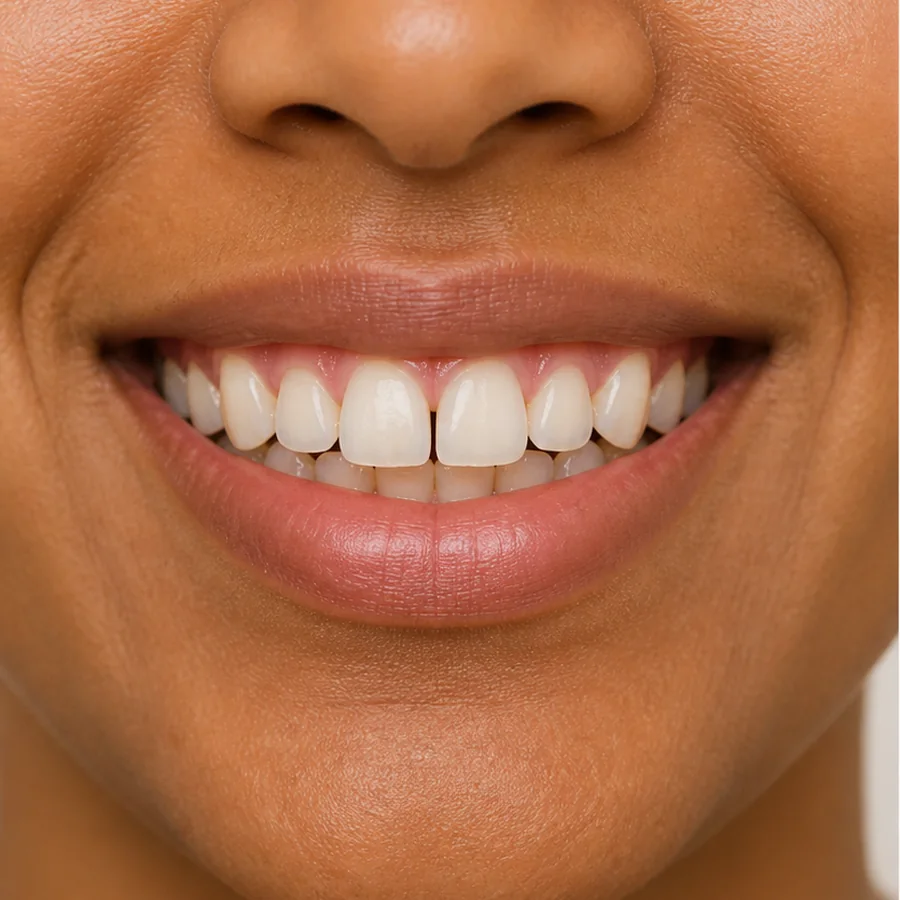
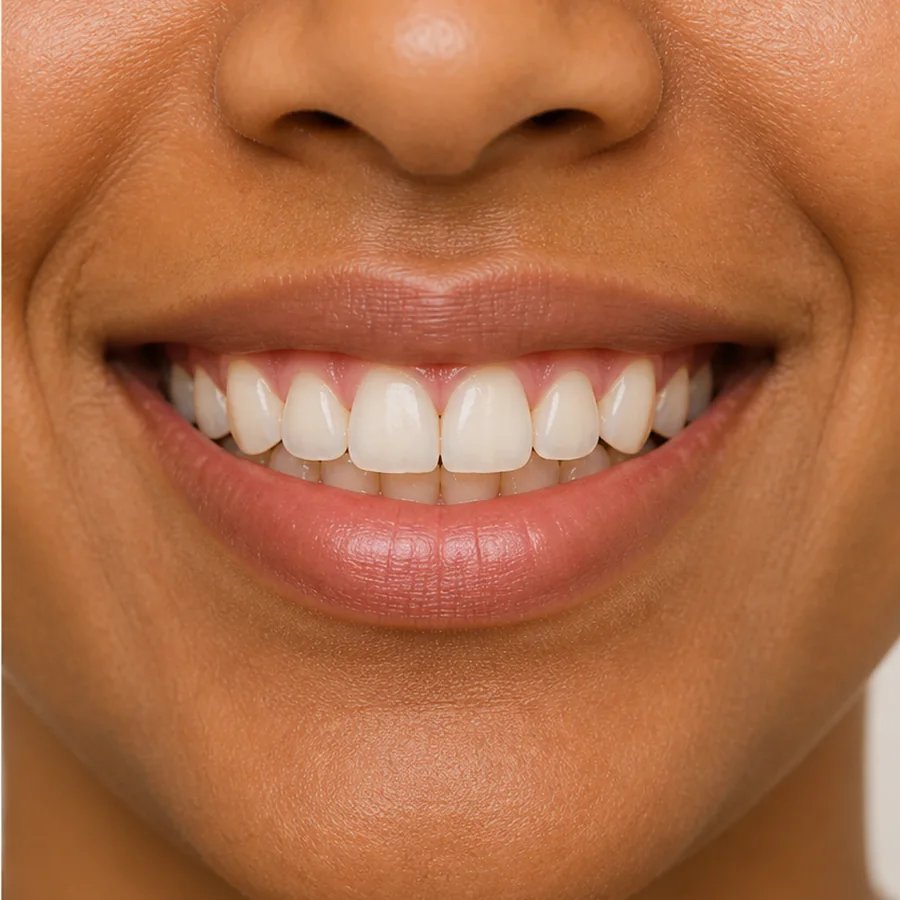
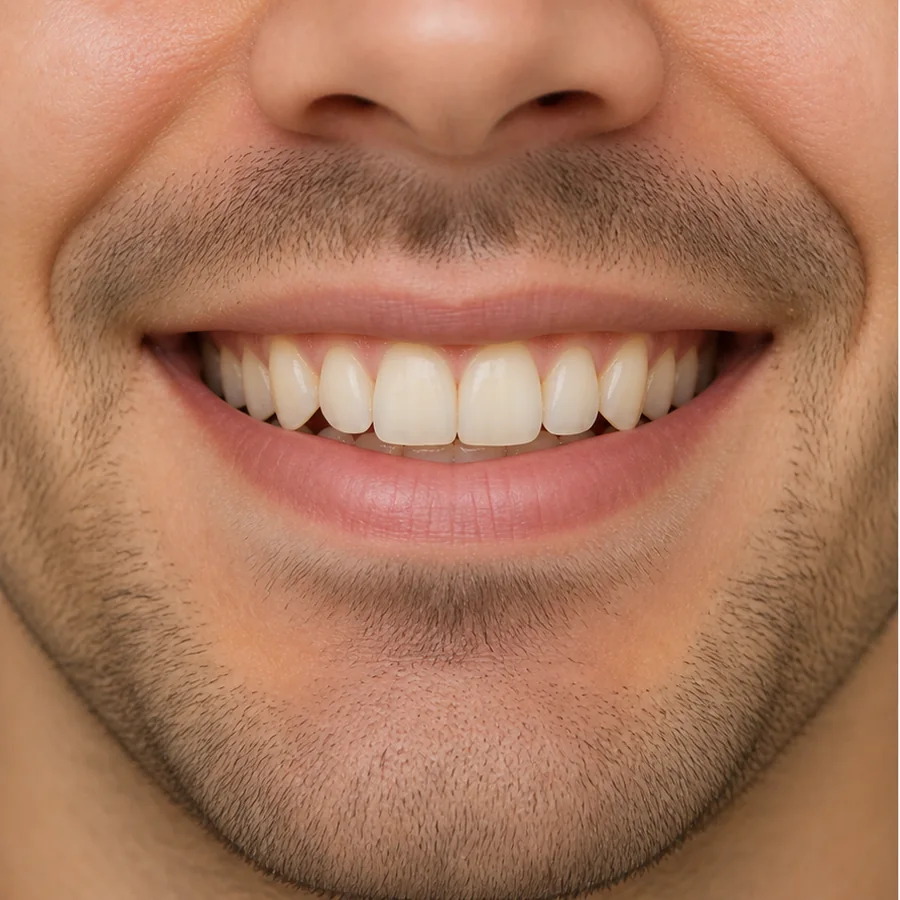
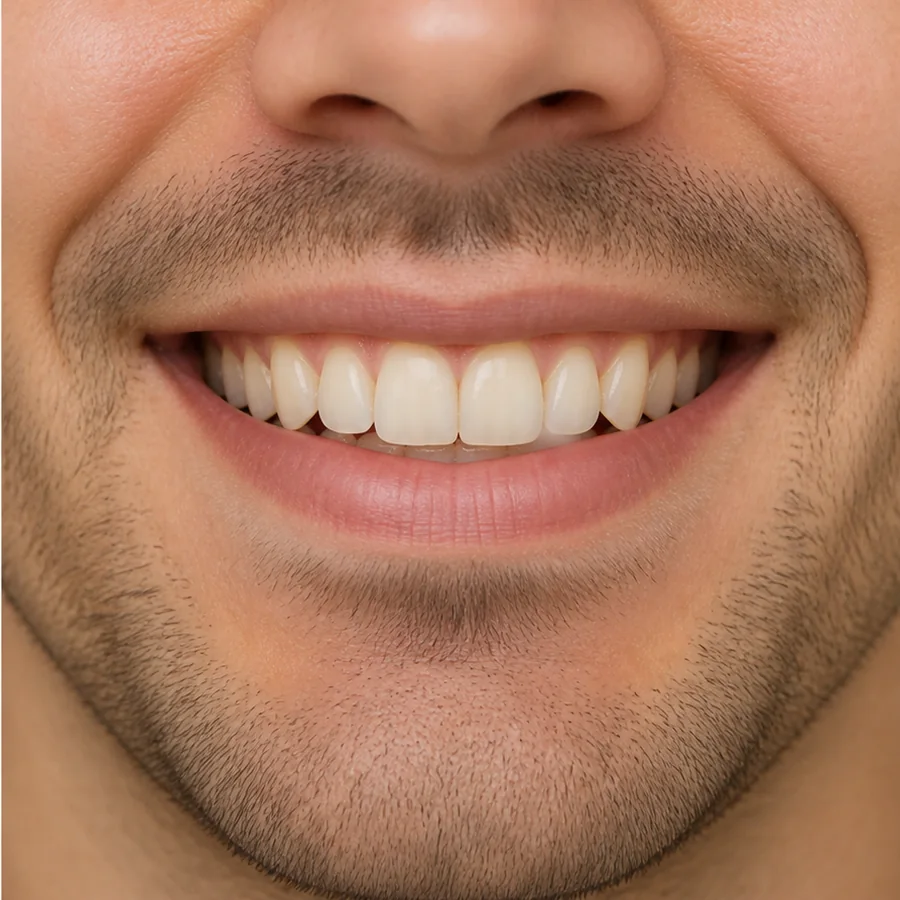
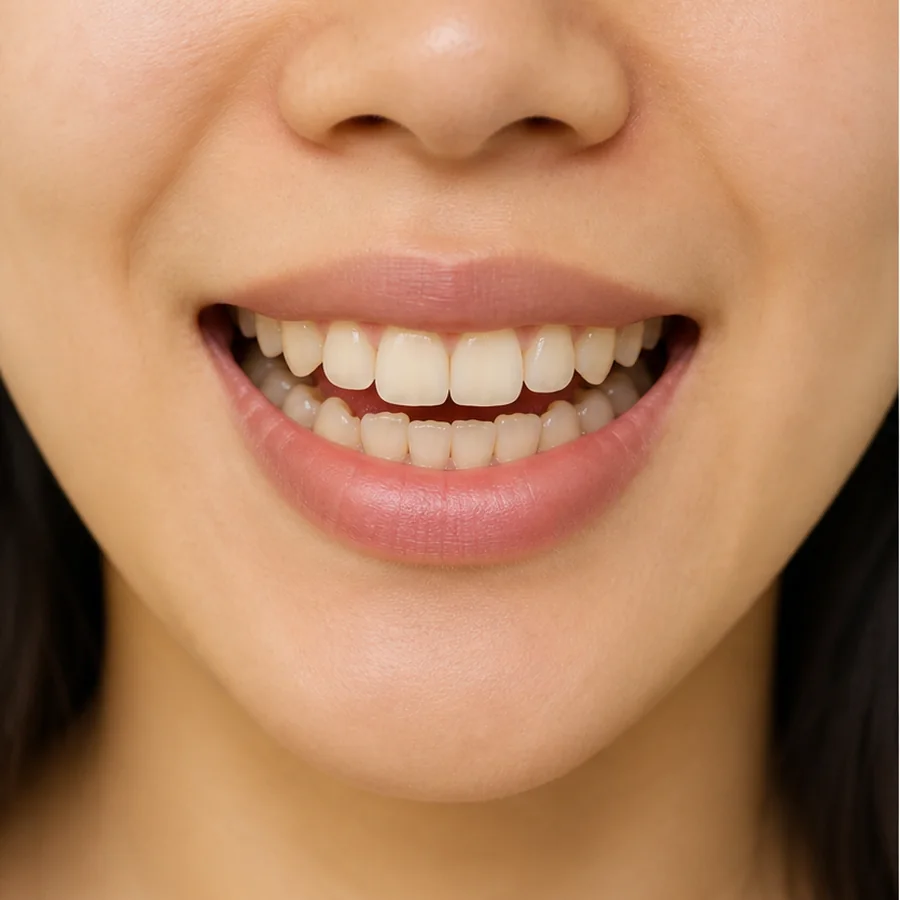
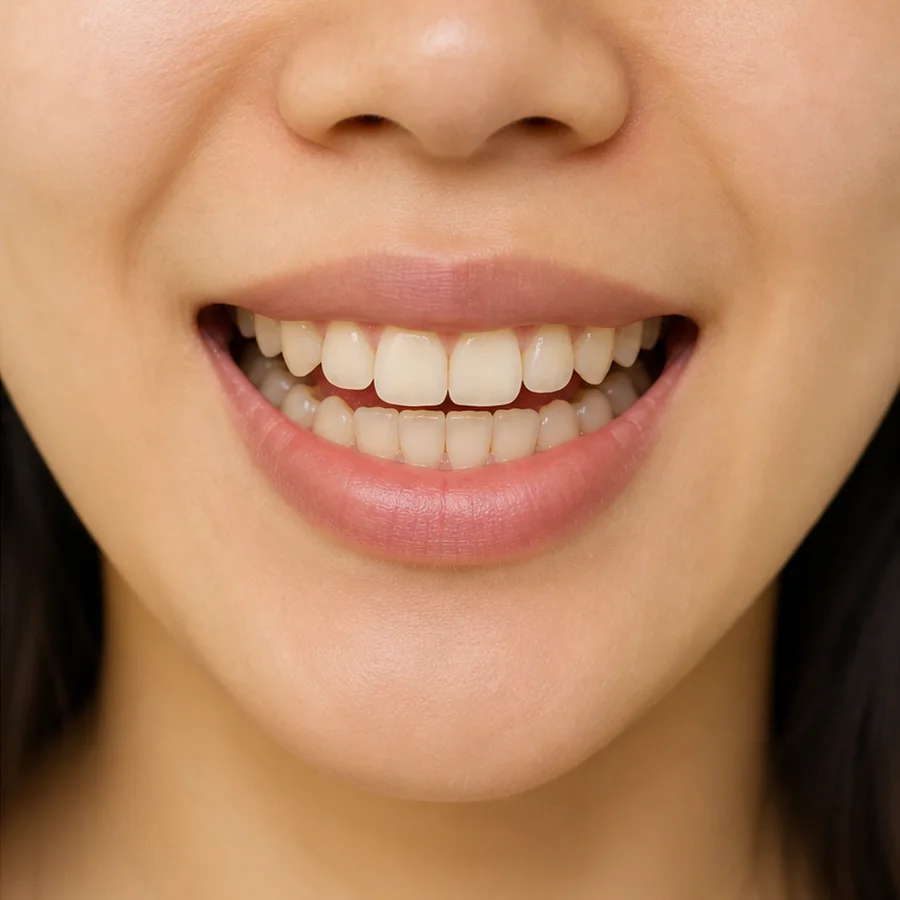
A space between teeth can come from small teeth relative to the jaw, a missing tooth, tooth movement, gum disease, or the position and size of the frenum tissue between the upper front teeth. Habits and bite forces may also contribute.
Those causes matter. Closing a simple alignment space is different from disguising a missing tooth or moving teeth affected by active periodontal disease.
How clear aligners close gaps
Each tray is shaped to bring selected teeth slightly closer while maintaining the overall arch and bite. The sequence may first correct rotations or tilts, then consolidate space. Some plans distribute a single large space into smaller, more balanced spaces before the final closure.
Moving the visible crown is not the whole goal. The roots and contacts between teeth should finish in positions the treating dentist considers healthy and stable.
Which gaps are commonly suited to aligners?
Small-to-moderate spacing with healthy teeth and gums is often a reasonable aligner indication. A clinical review is especially important when the space is new, increasing, associated with loose teeth, or located where a tooth is missing.
Large spaces, complex bite issues, unusually shaped teeth, or a frenum that contributes to relapse may require a combination of orthodontic and restorative care.
Will closing a gap create black triangles?
Sometimes the contact point between teeth moves together while the gum does not completely fill the space near the gumline. The result can look like a small dark triangle. Tooth shape, gum health, age, and the original spacing all affect this risk.
Your dentist can discuss whether slight reshaping, restorative bonding, or a different tooth position may improve the appearance. Do not file or reshape teeth yourself.
Why retainers matter after gap closure
Spaces can reopen because teeth naturally shift and the tissues need time to adapt. Wear the retainer exactly as prescribed. If it becomes tight, damaged, or stops fitting, contact your care team promptly rather than forcing it or waiting for the gap to return.
Frequently asked questions
How long does it take to close a tooth gap?
The answer depends on the size and cause of the space, other required tooth movements, and biological response. Your approved digital plan should provide the relevant estimate.
Can a gap reopen after aligners?
Yes. Teeth naturally shift, and spaces can relapse when retainers are not worn as prescribed. Contact your provider if a retainer becomes tight or stops fitting.
Can aligners close a gap from a missing tooth?
Moving neighboring teeth may be part of a restorative plan, but simply closing the space is not always appropriate. The dentist should coordinate alignment with any implant, bridge, or bonding plan.
Sources and clinical guidance
This article is educational and does not replace an individualized dental diagnosis or treatment plan. Clinical guidance consulted:
- American Association of Orthodontists: Clear Aligners
- American Association of Orthodontists: Retainers
- American Dental Association: Dentist-Supervised Care
Want a plan built for your smile?
Take the 2-minute candidacy check, then let a licensed dentist review whether a Hello My Teeth plan fits your case.