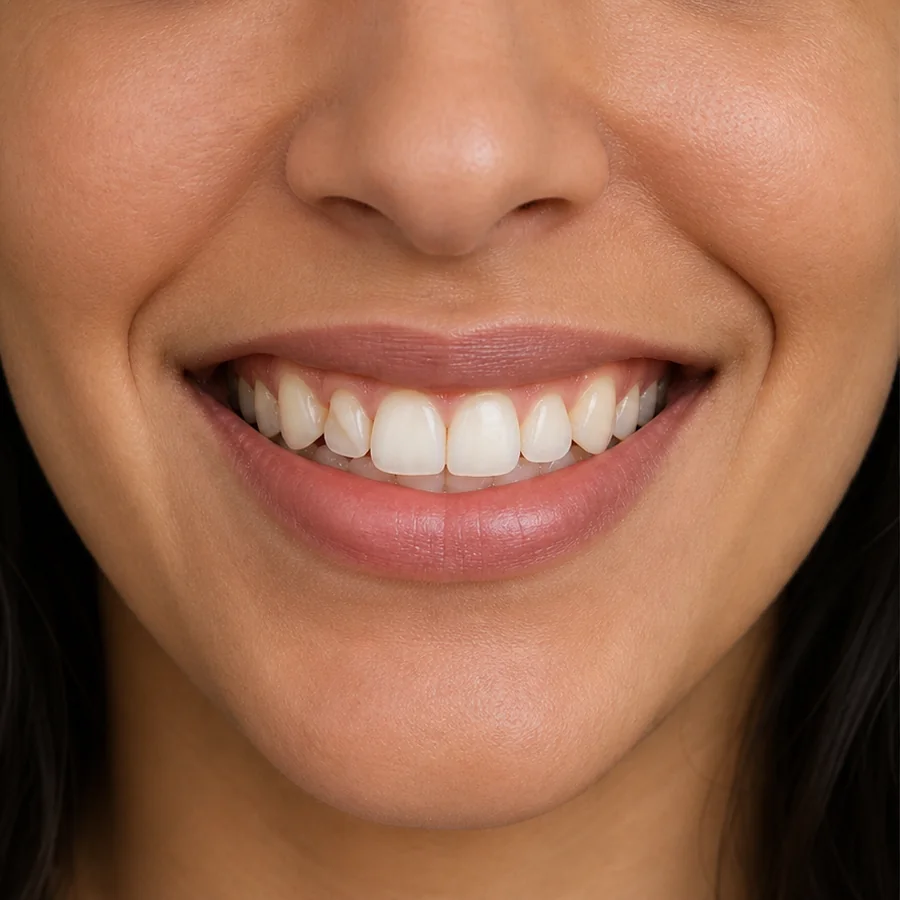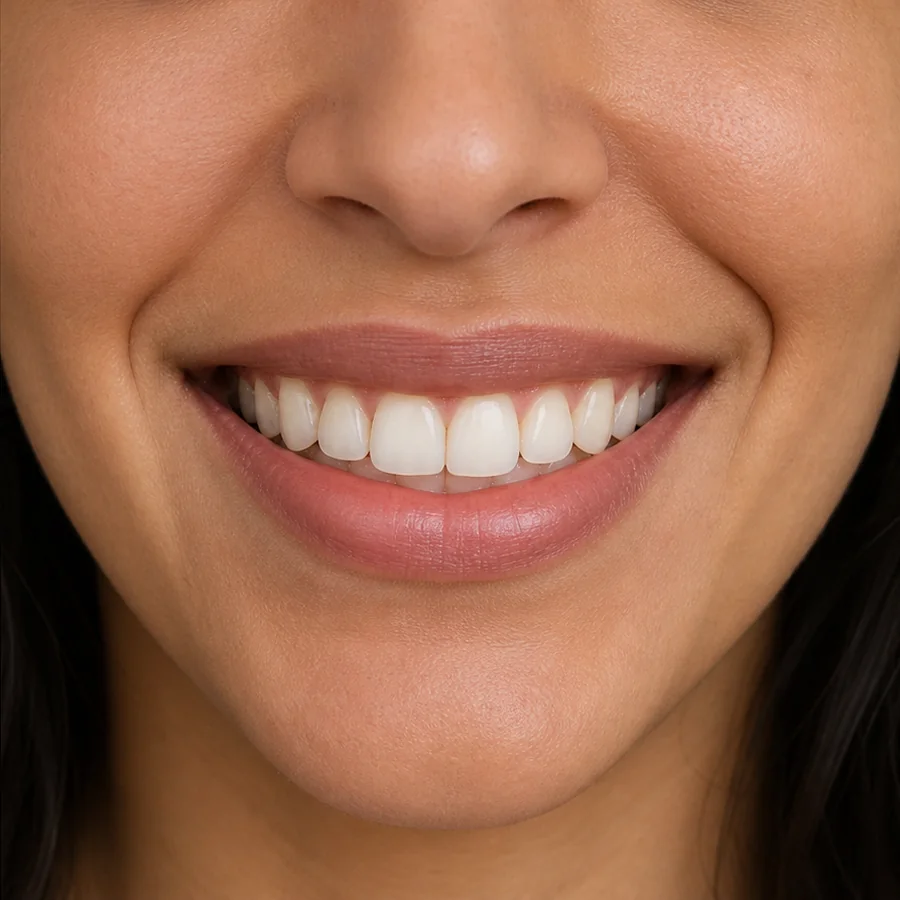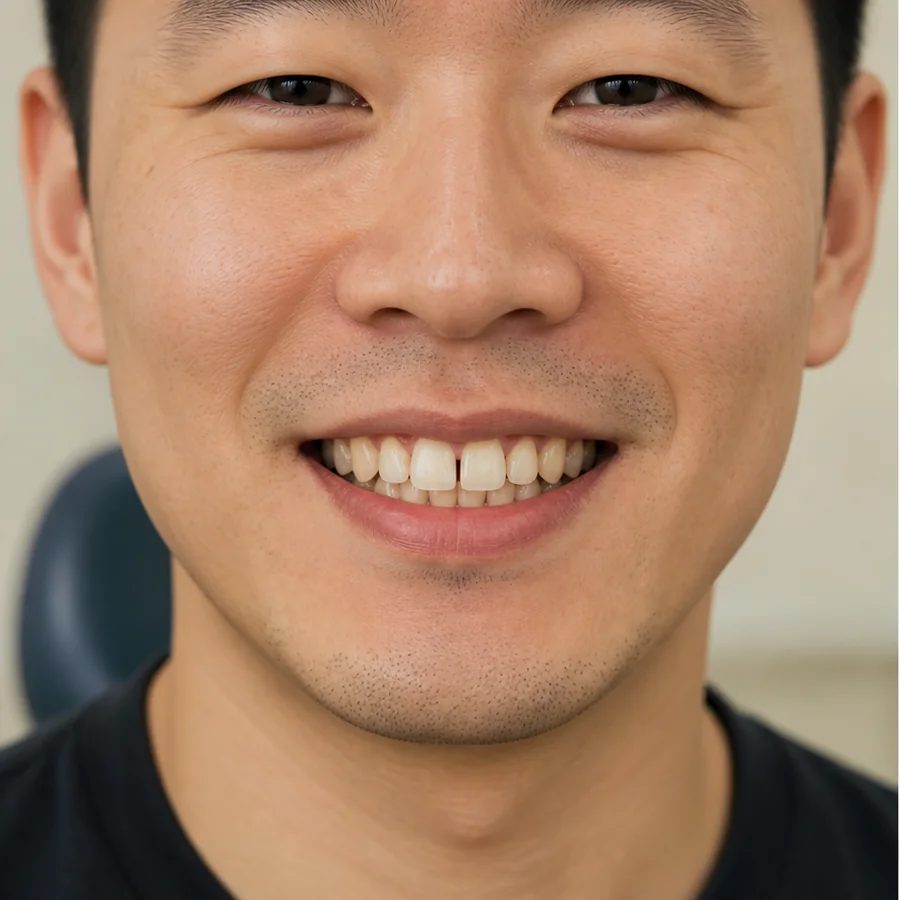
What crowded teeth means
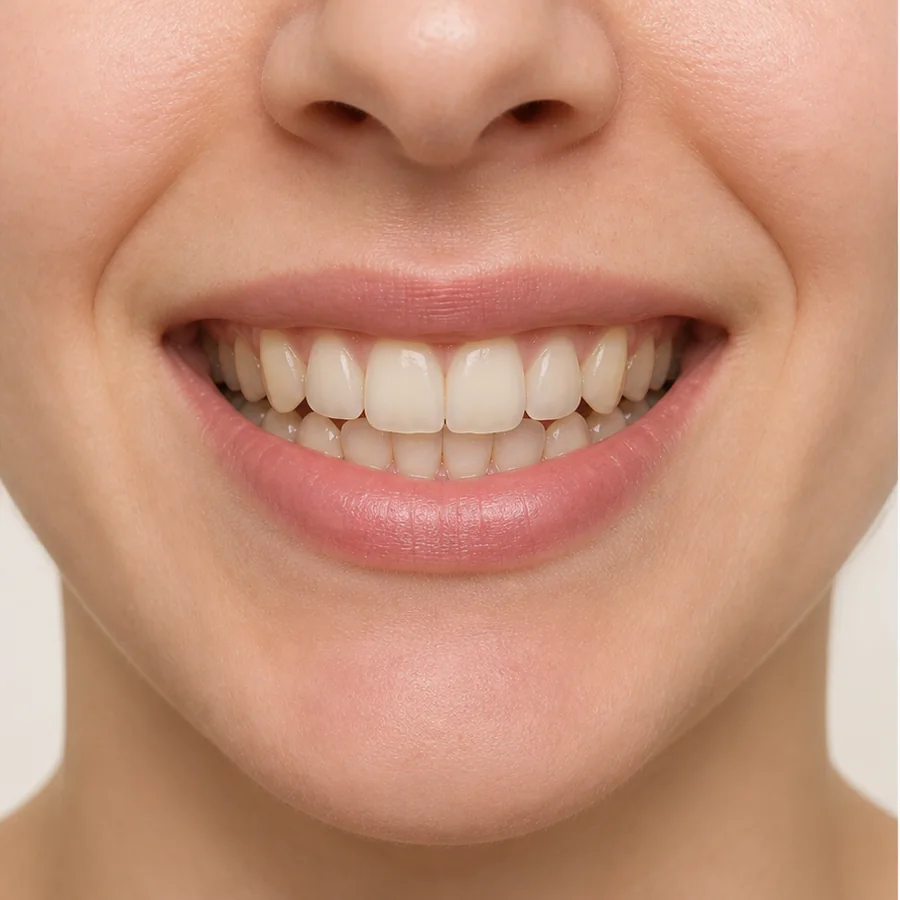
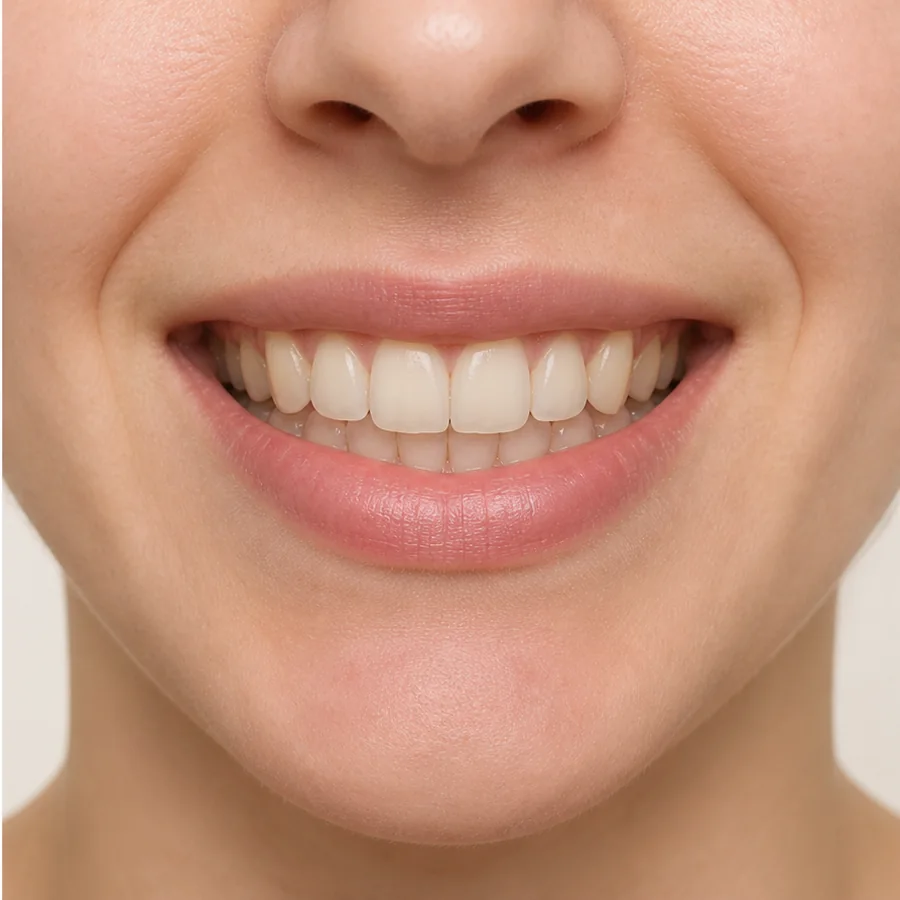
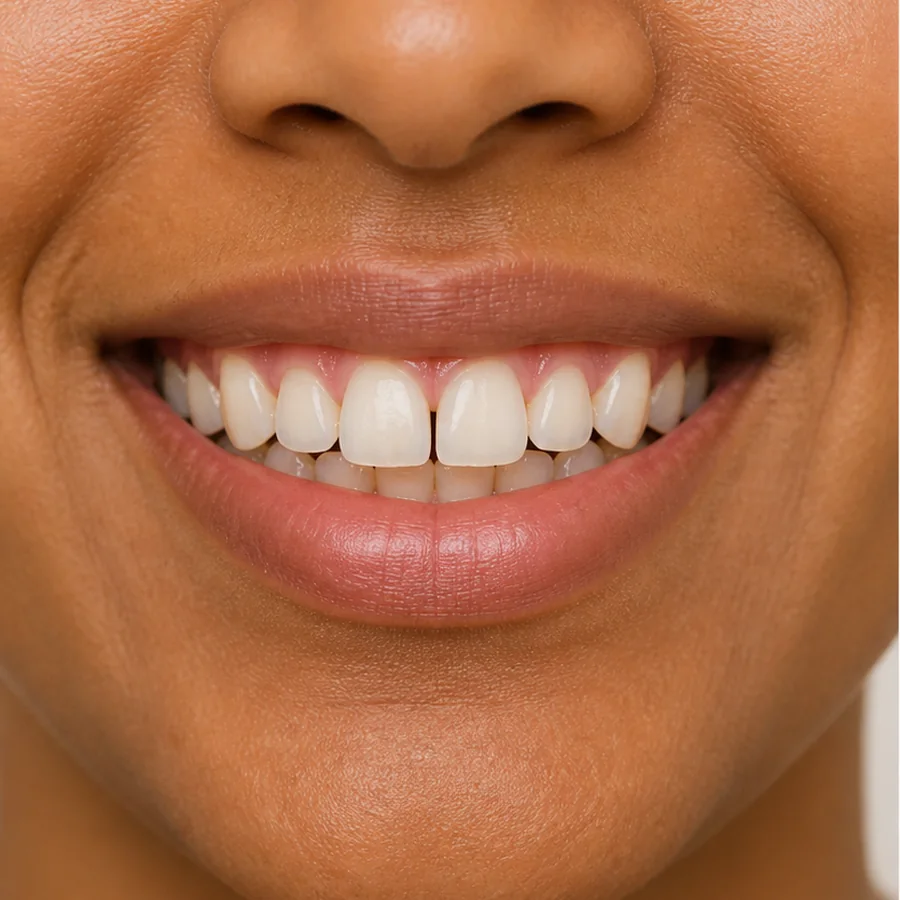
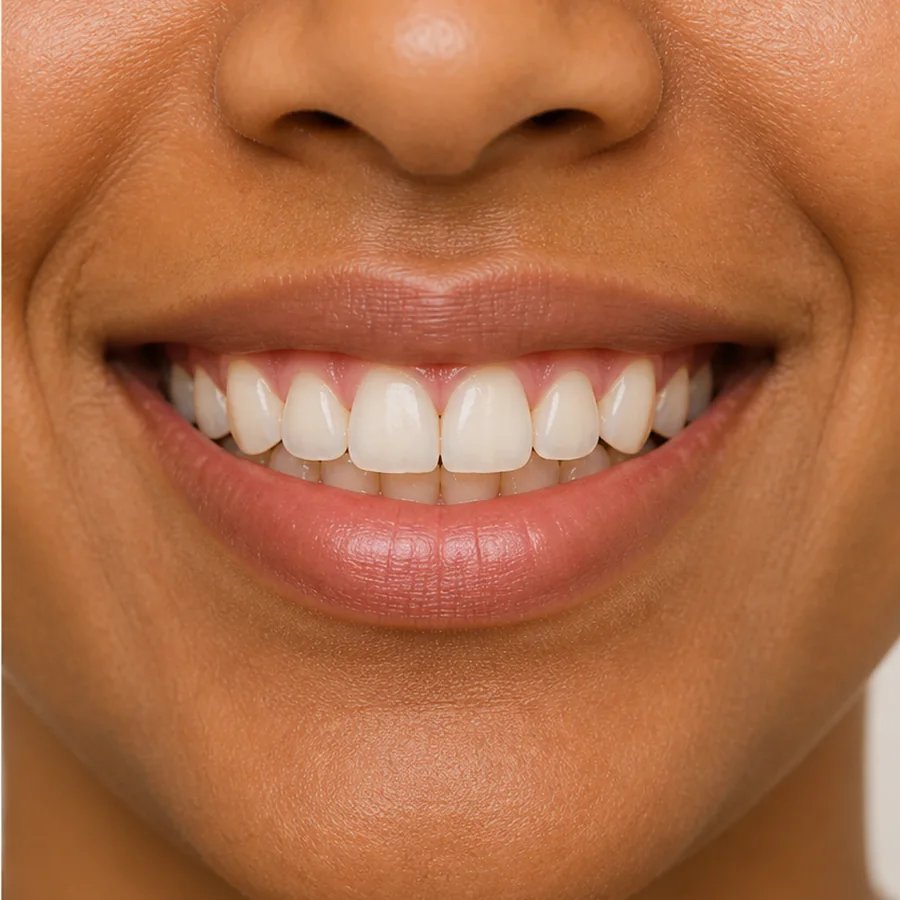
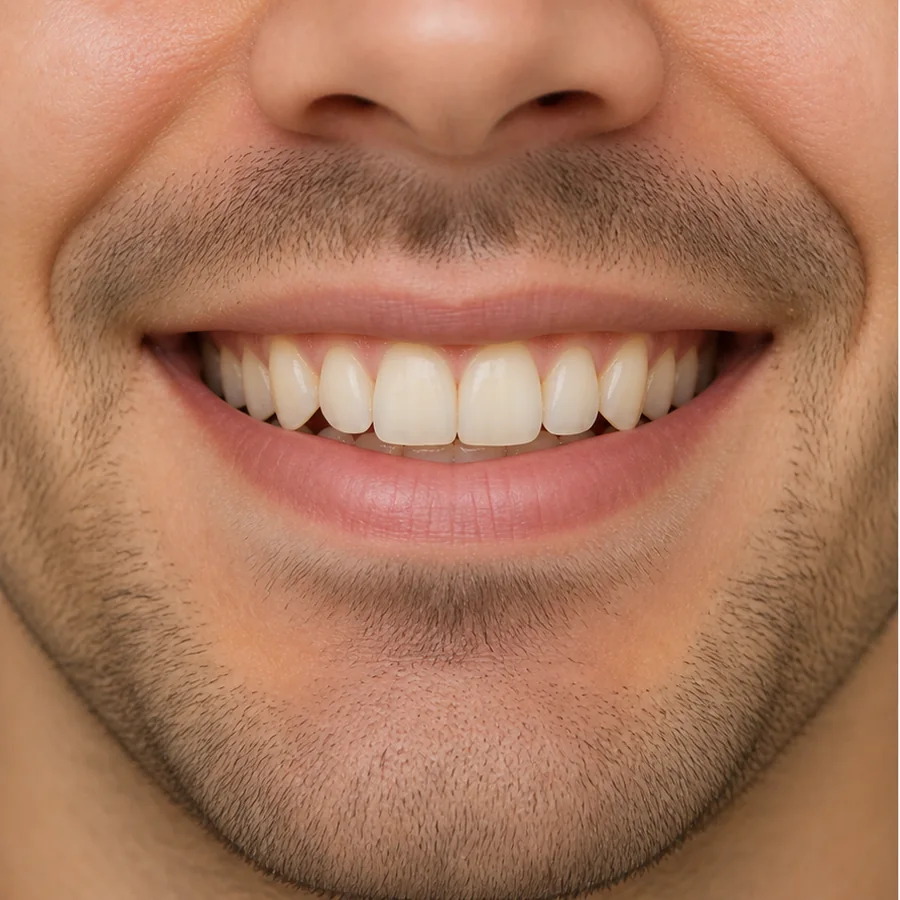
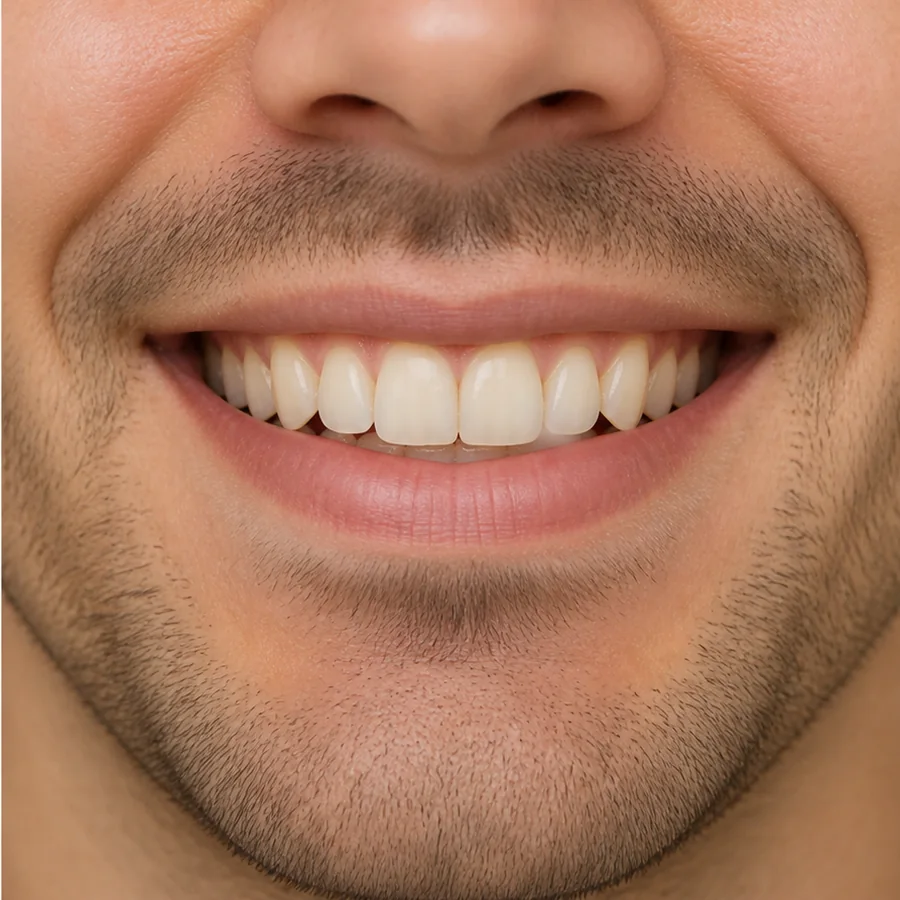
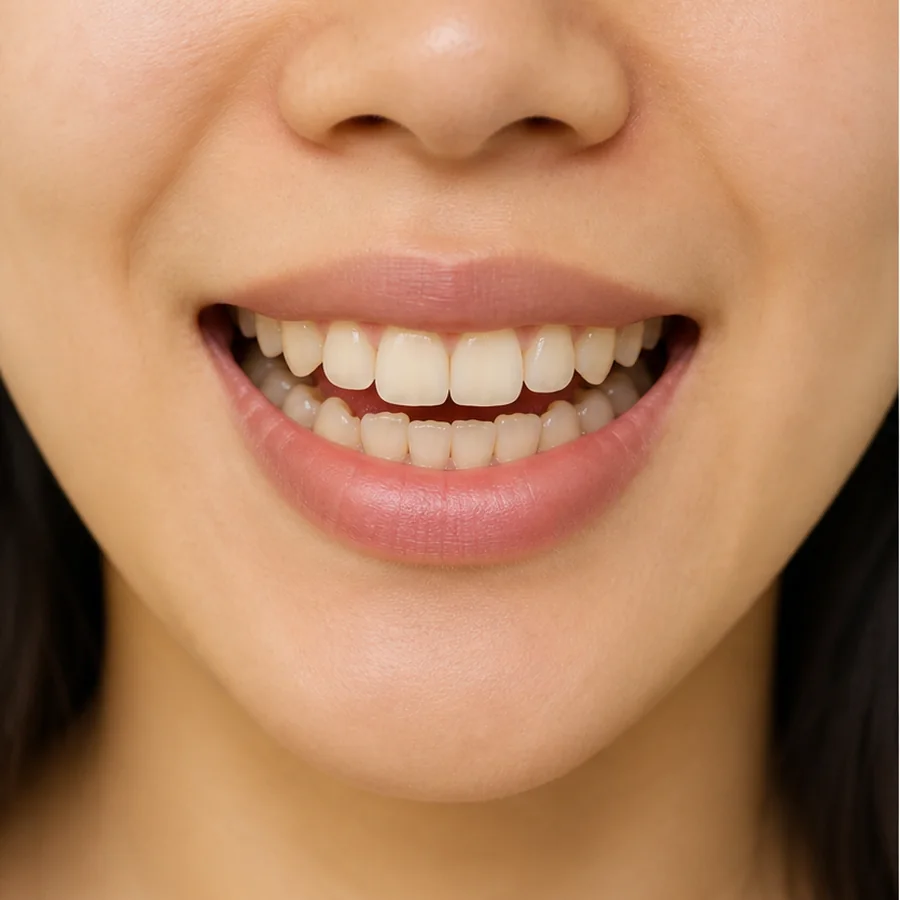
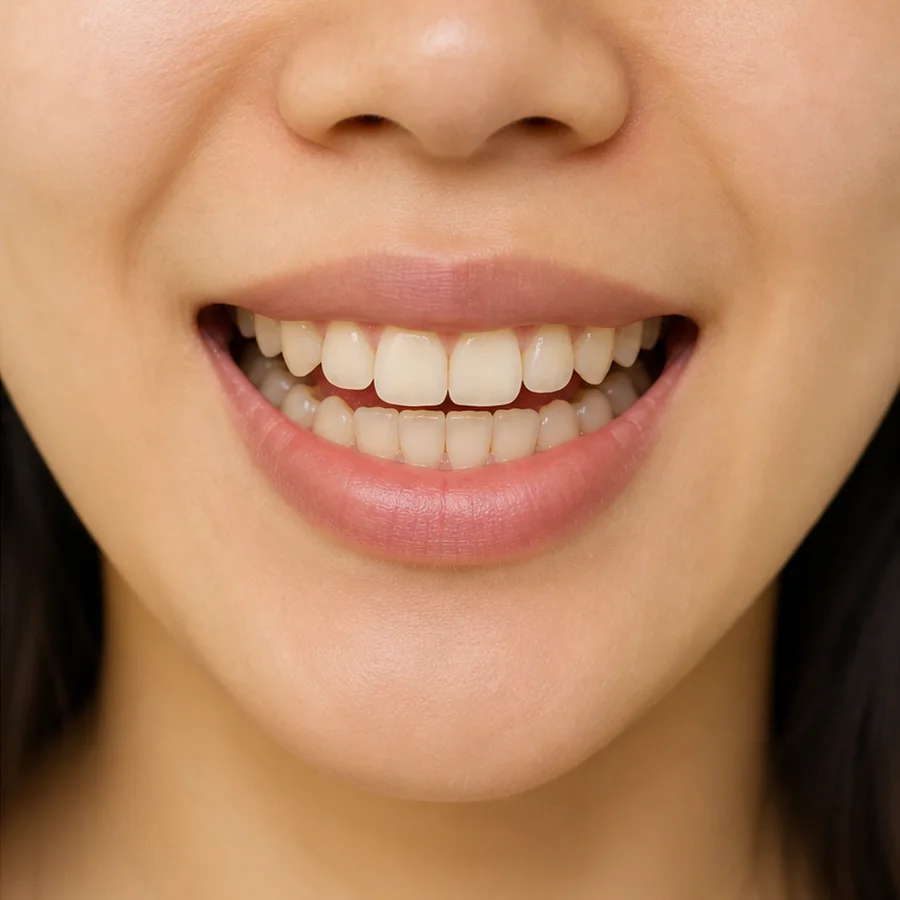
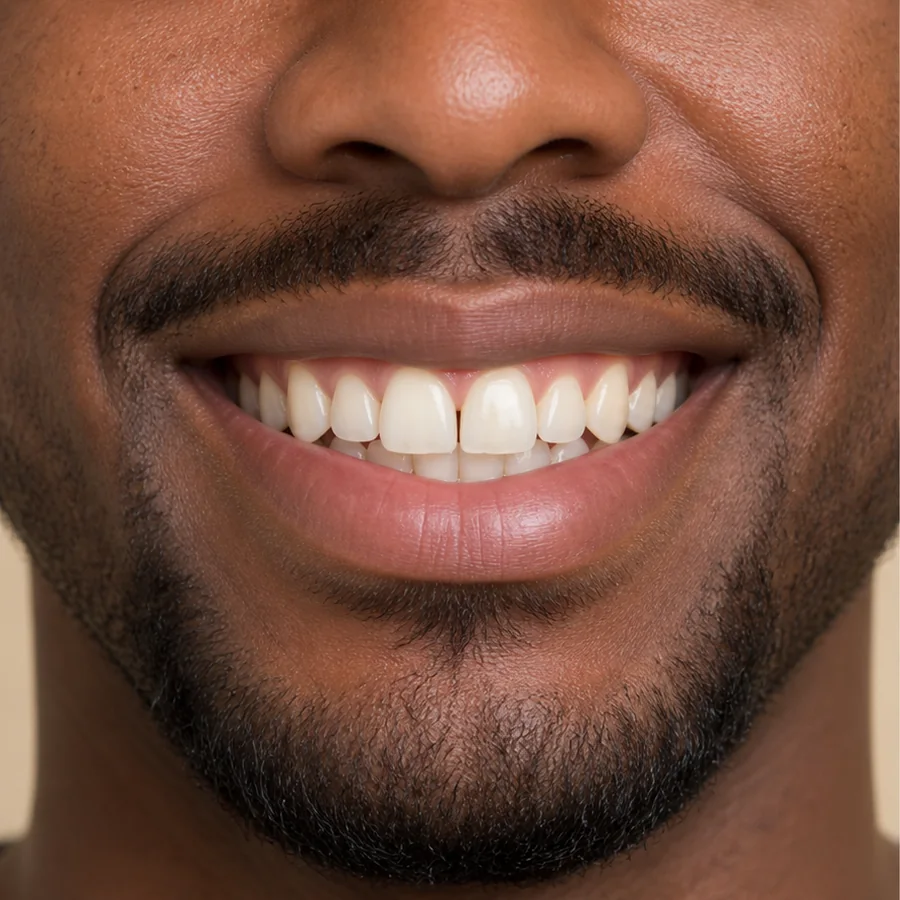
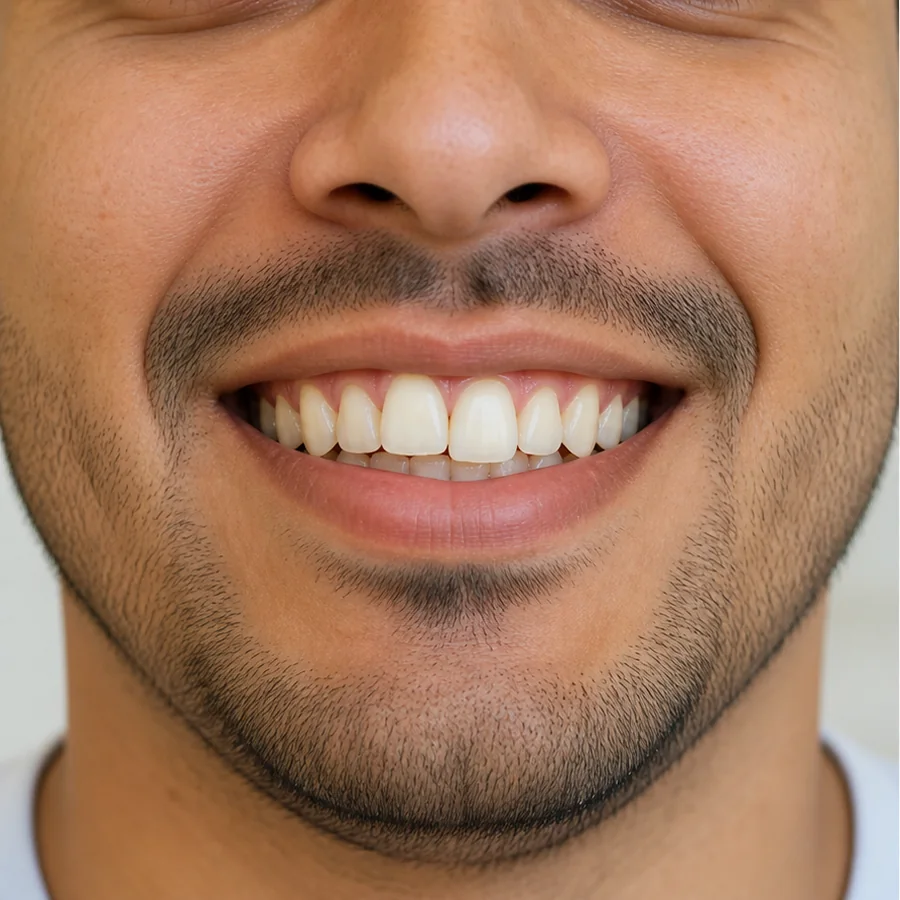
Crowding happens when the jaw does not have enough usable space for the teeth to line up normally. Teeth may overlap, twist, tilt, or erupt outside the arch. The visible front-tooth overlap is only part of the diagnosis; root positions and the way the upper and lower teeth meet are also important.
Crowding can make some surfaces harder to brush and floss. Straightening can improve access, but orthodontic treatment does not replace daily oral care or routine dental visits.
How aligners create room
An aligner plan may expand the dental arch within safe limits, rotate teeth, tip teeth into better positions, or create tiny amounts of space between selected teeth. The exact approach depends on anatomy and the dentist's treatment design.
Each tray applies a planned force to selected teeth. The sequence matters: one tooth may need to move before another has room. That is why skipping ahead can disrupt the plan.
When crowded teeth may be a good aligner case
Aligners are often considered when crowding is mild or moderate, gums and supporting bone are healthy, and the required movements are predictable with removable appliances. Consistent wear and reliable check-ins are essential.
Severe lack of space, impacted teeth, significant jaw mismatch, active gum disease, or movements that need surgical or fixed-appliance support can make another treatment safer or more predictable.
What a proper assessment should check
A dentist should review your dental history, current oral health, impressions or scans, and the relationship of your bite. X-rays or an in-person examination may be needed when the available information does not show roots, bone, decay, or gum health clearly enough.
That clinical review is the difference between matching trays to a cosmetic photo and designing orthodontic treatment for a real mouth.
What results should you expect?
Your 3D preview can illustrate planned crown movement, but it is a simulation rather than a guarantee. Biology and wear habits affect the real response. Keep your check-ins, report trays that do not fit, and wear retainers after active treatment so the improved alignment has the best chance to last.
Frequently asked questions
Can severe crowding be fixed with clear aligners?
Some complex cases can be treated with comprehensive in-person aligner therapy, but severe lack of space may need braces, extractions, or other procedures. A remote plan should not assume eligibility.
Will teeth need to be removed?
Most mild crowding plans do not require extraction, but only a clinician with the appropriate examination and imaging can decide whether creating space by another method is safe.
Does crowding affect cleaning?
Overlapping teeth can create difficult brushing and flossing areas. During aligner treatment, keep those areas especially clean and continue professional exams and cleanings.
Sources and clinical guidance
This article is educational and does not replace an individualized dental diagnosis or treatment plan. Clinical guidance consulted:
- American Association of Orthodontists: Clear Aligners
- American Dental Association: Dentist-Supervised Care
- American Association of Orthodontists: Oral Hygiene During Treatment
Want a plan built for your smile?
Take the 2-minute candidacy check, then let a licensed dentist review whether a Hello My Teeth plan fits your case.