What a crossbite is
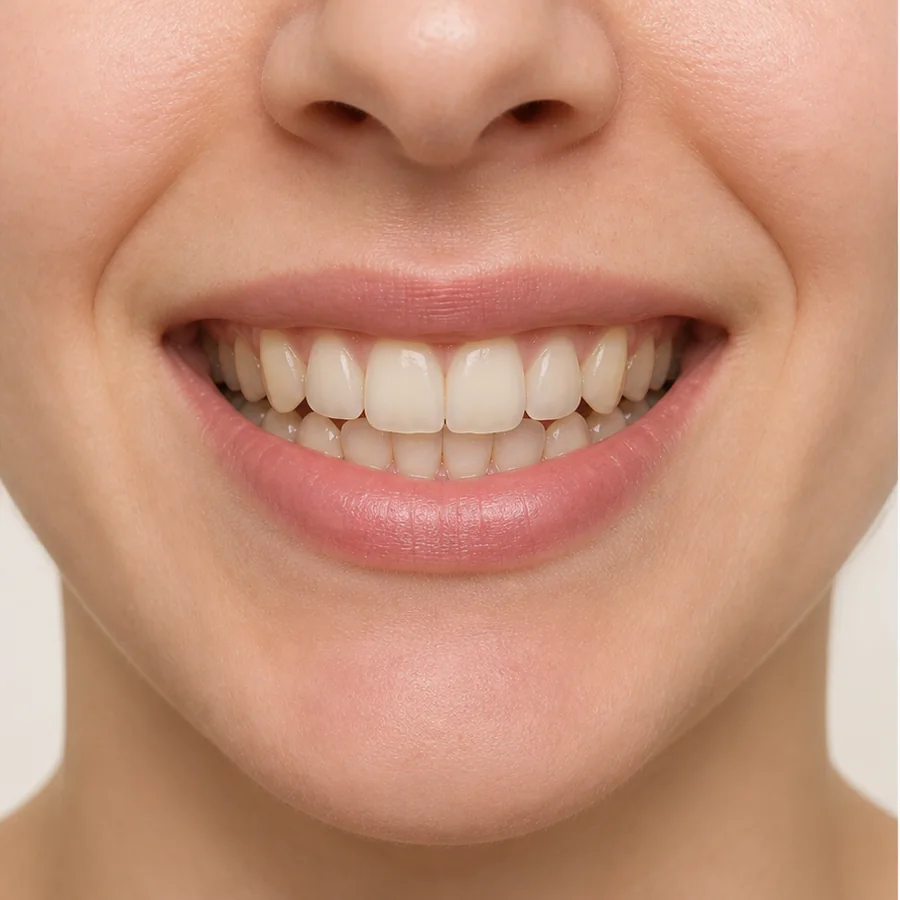
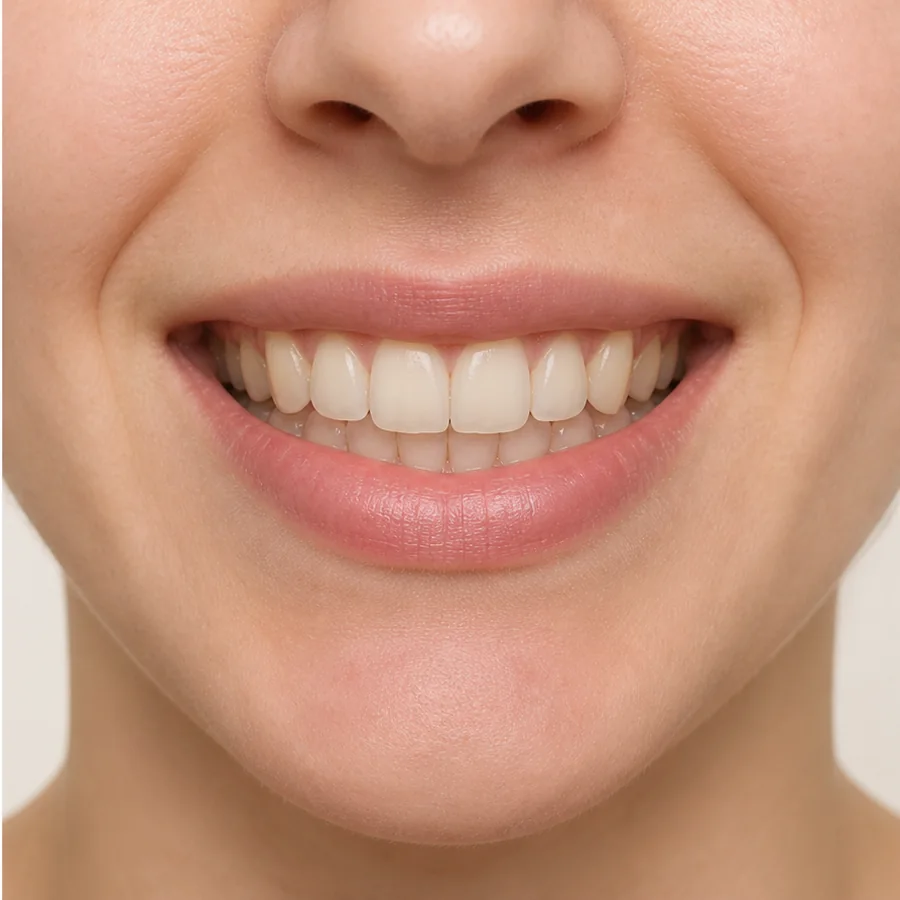
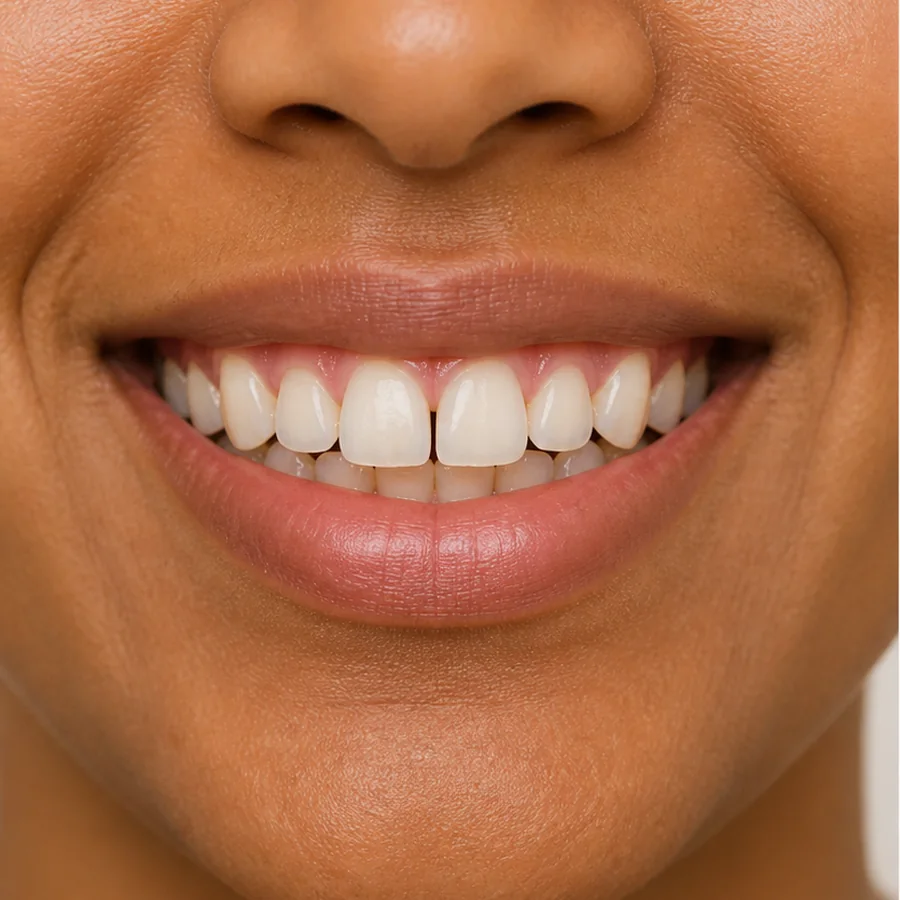
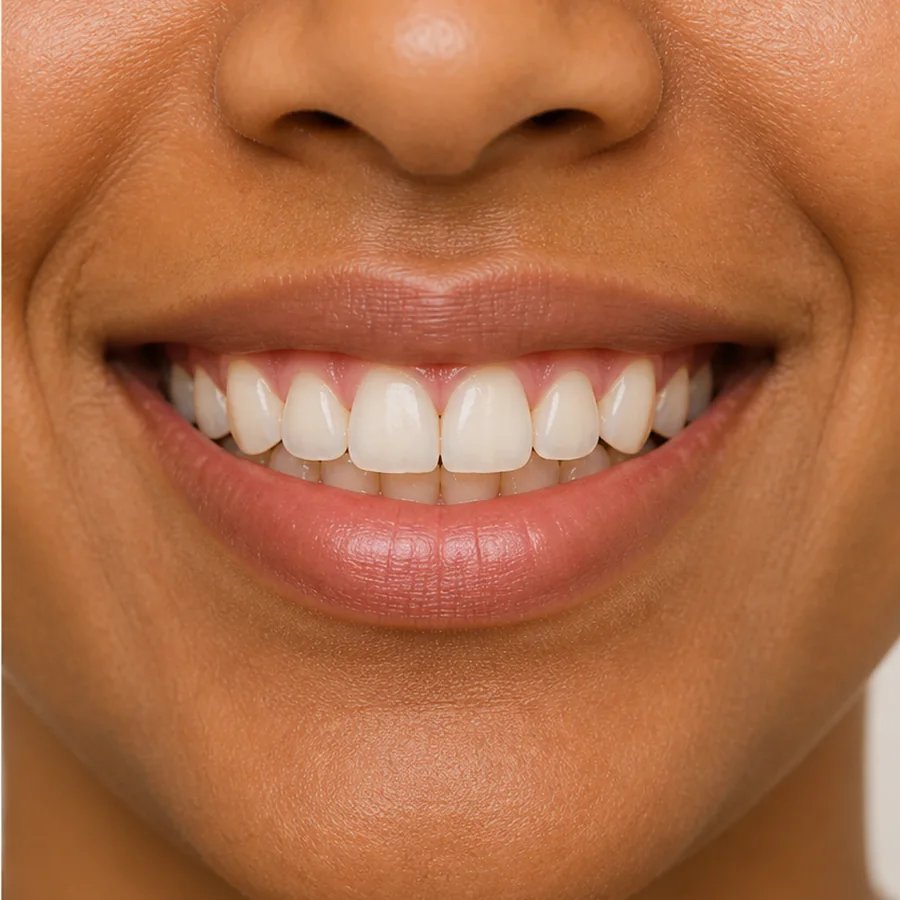
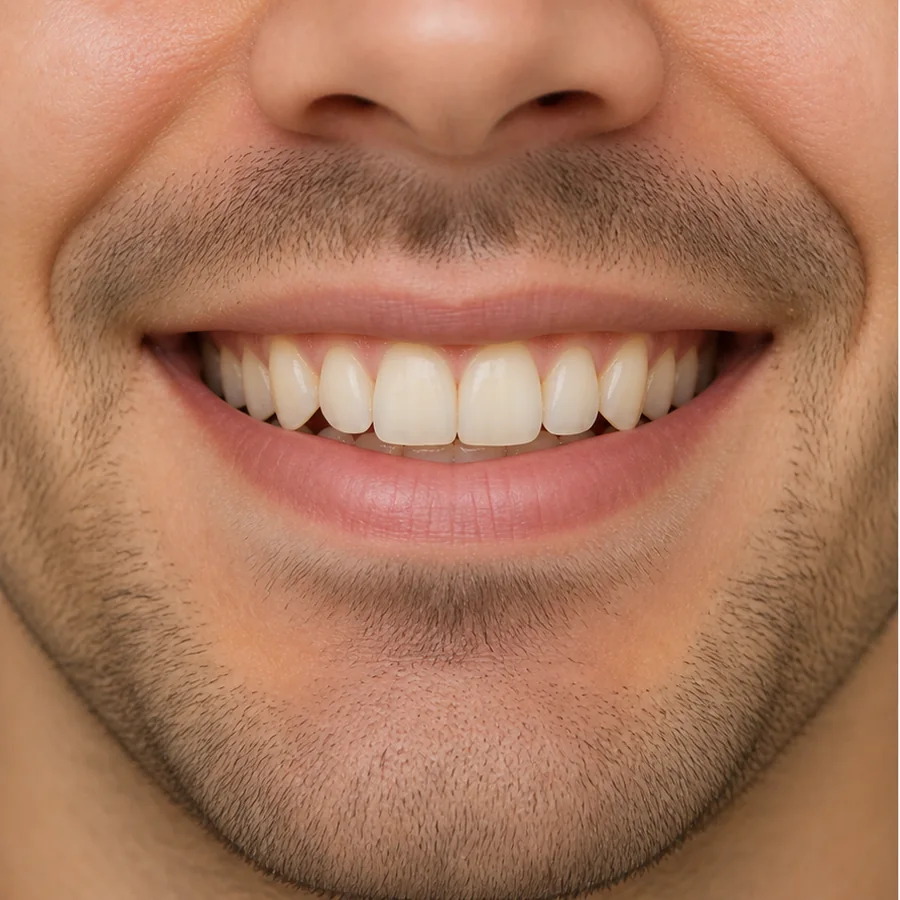
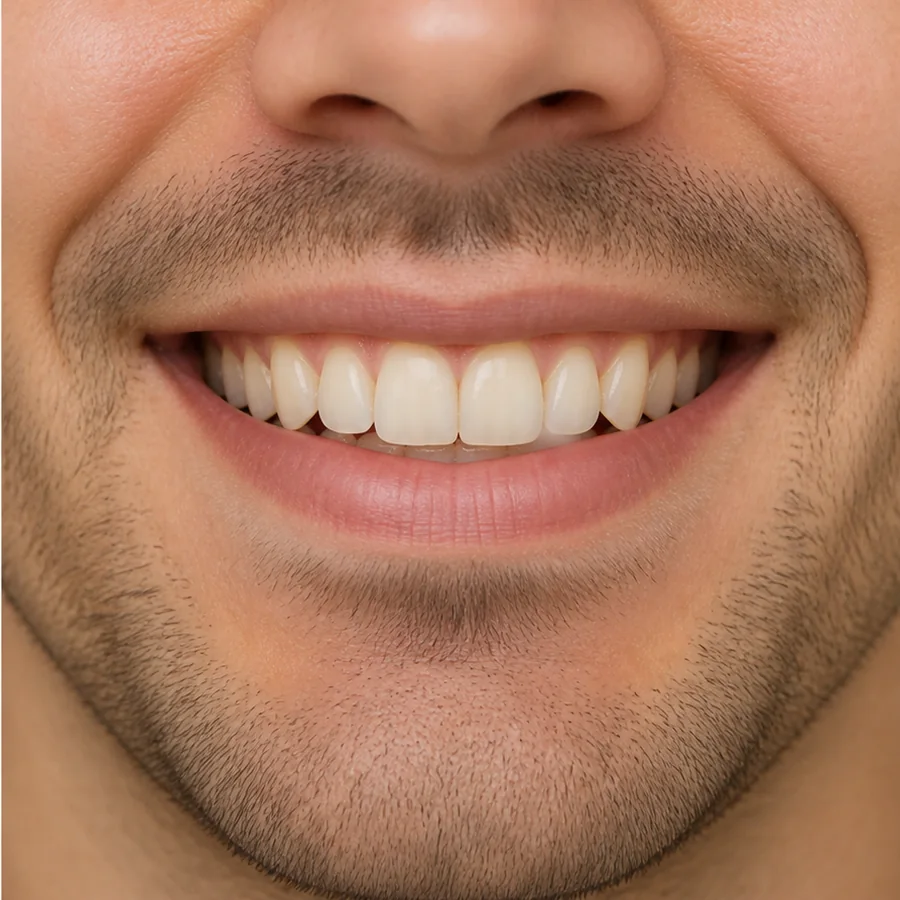
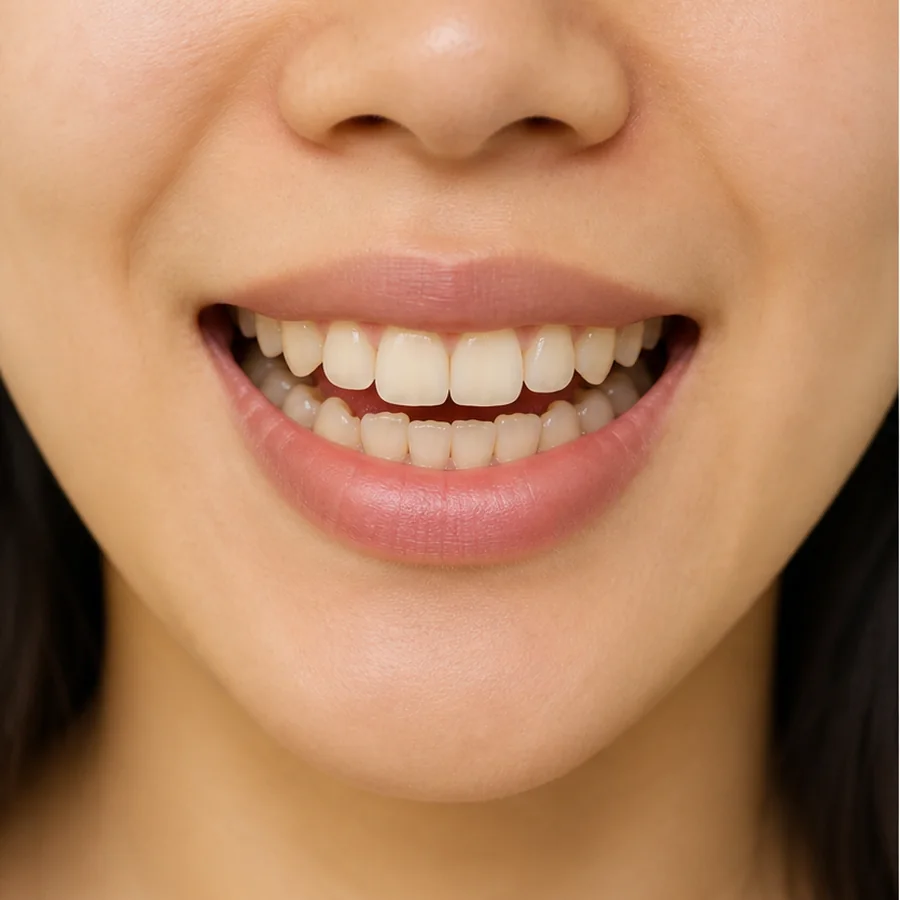
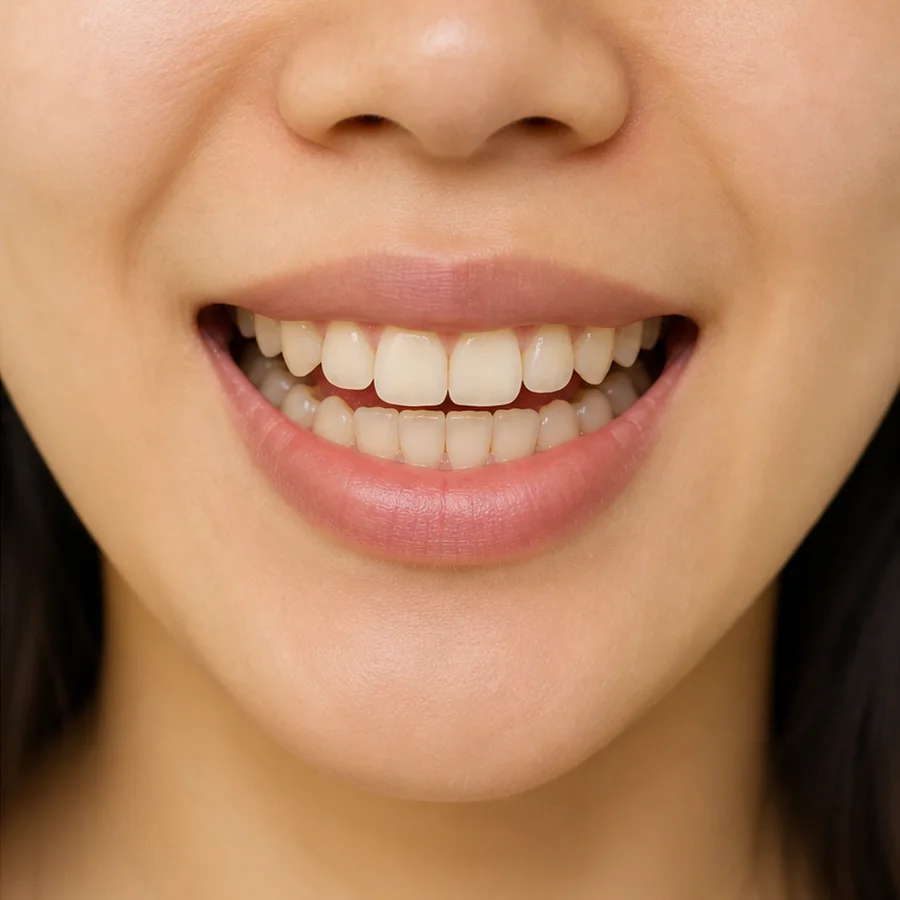
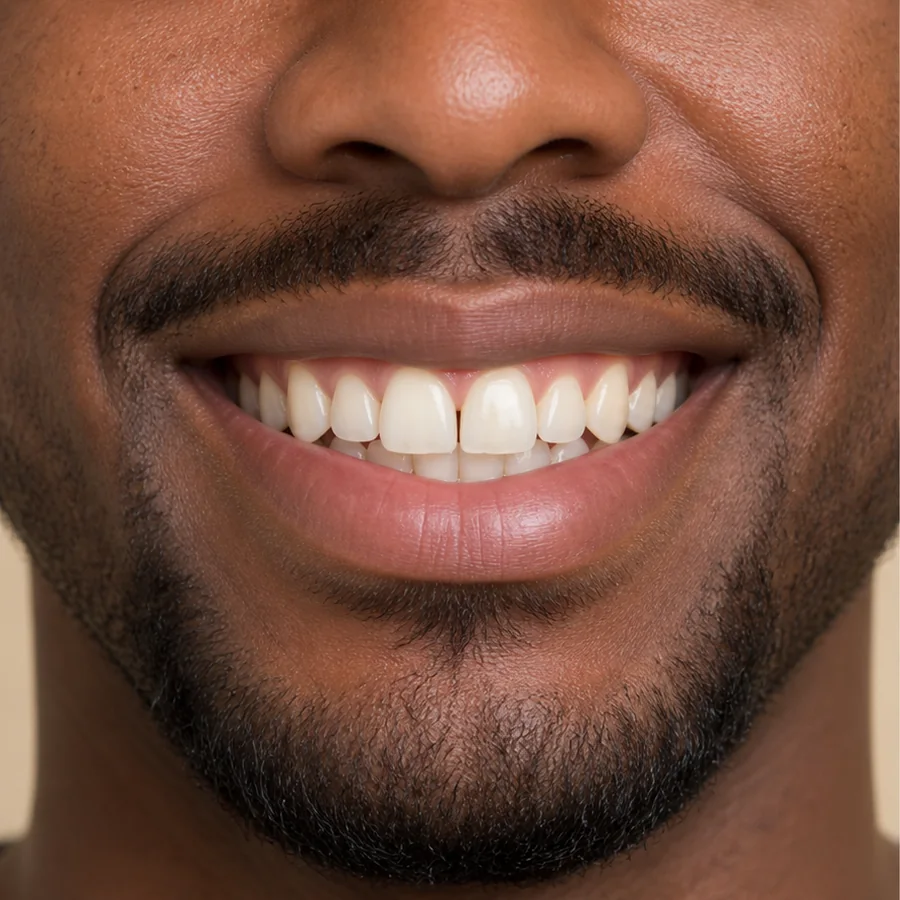
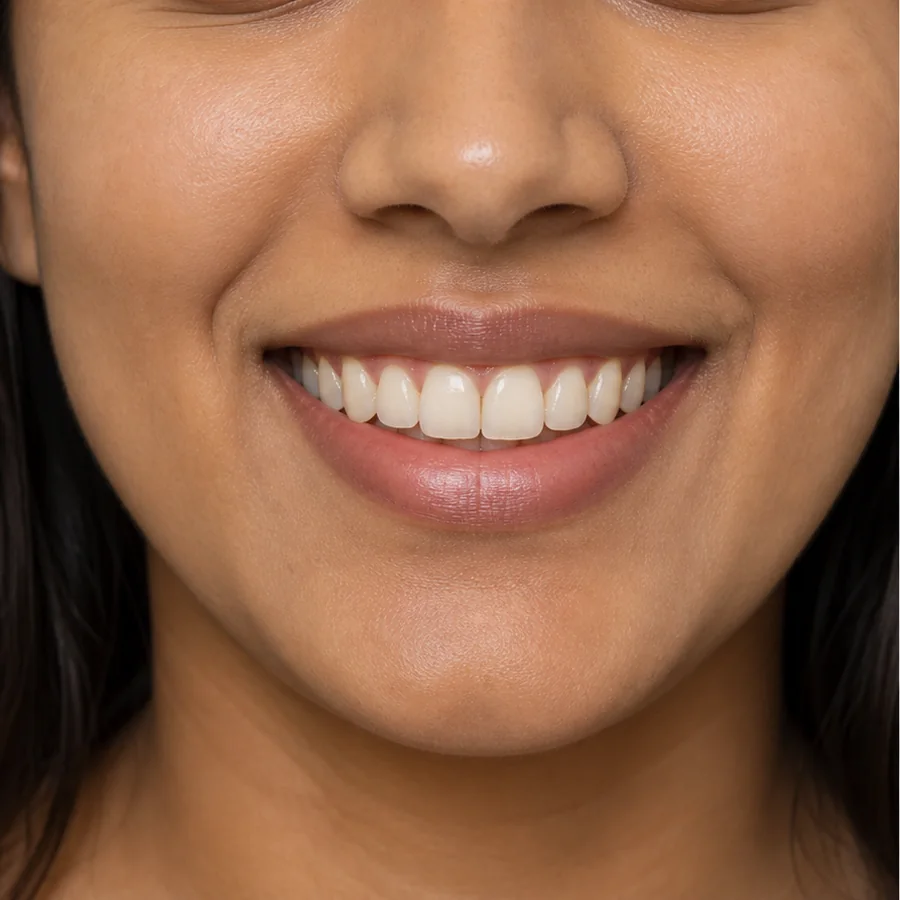
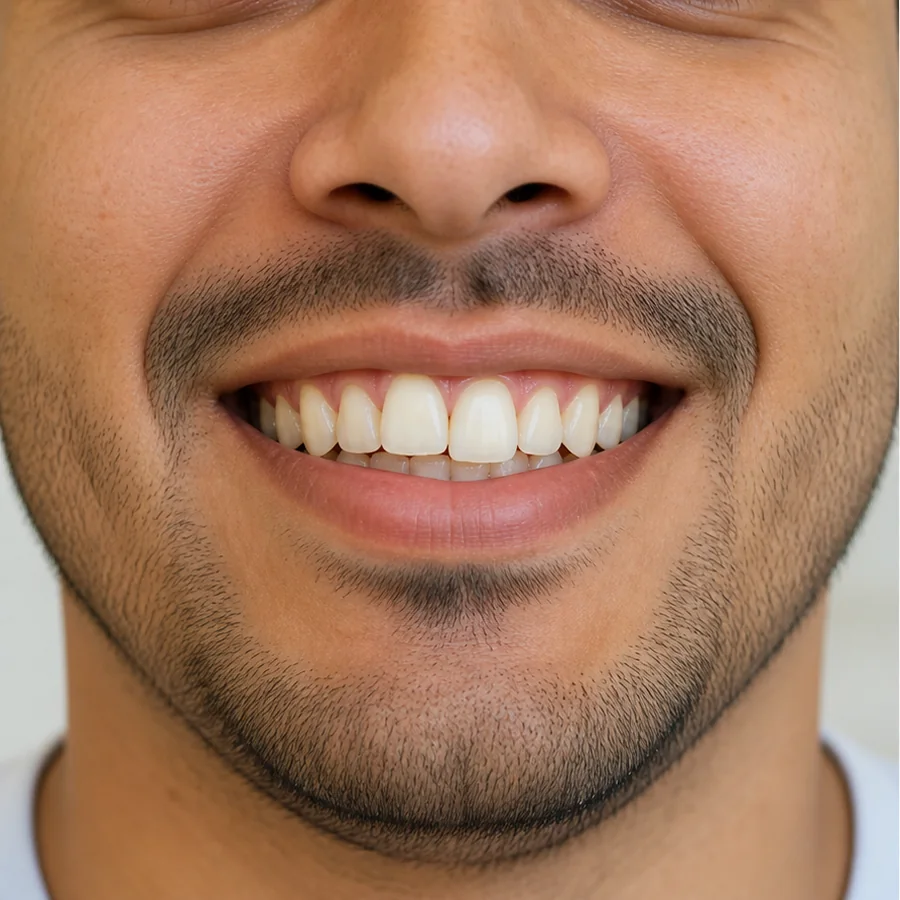
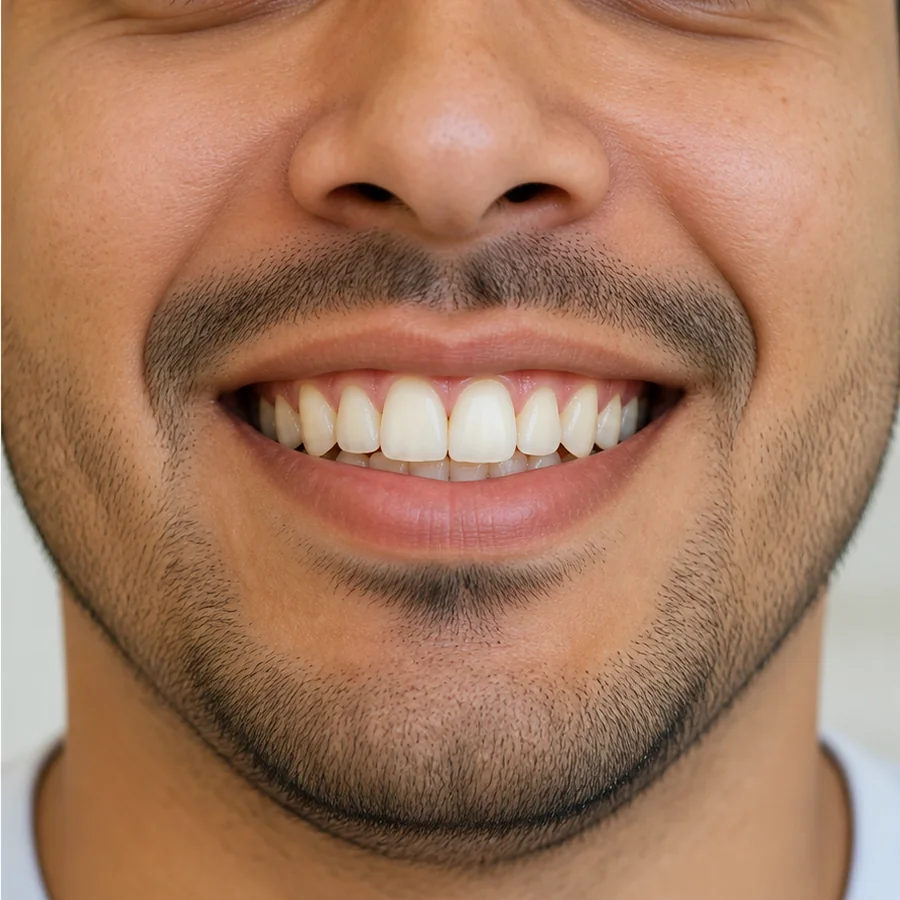
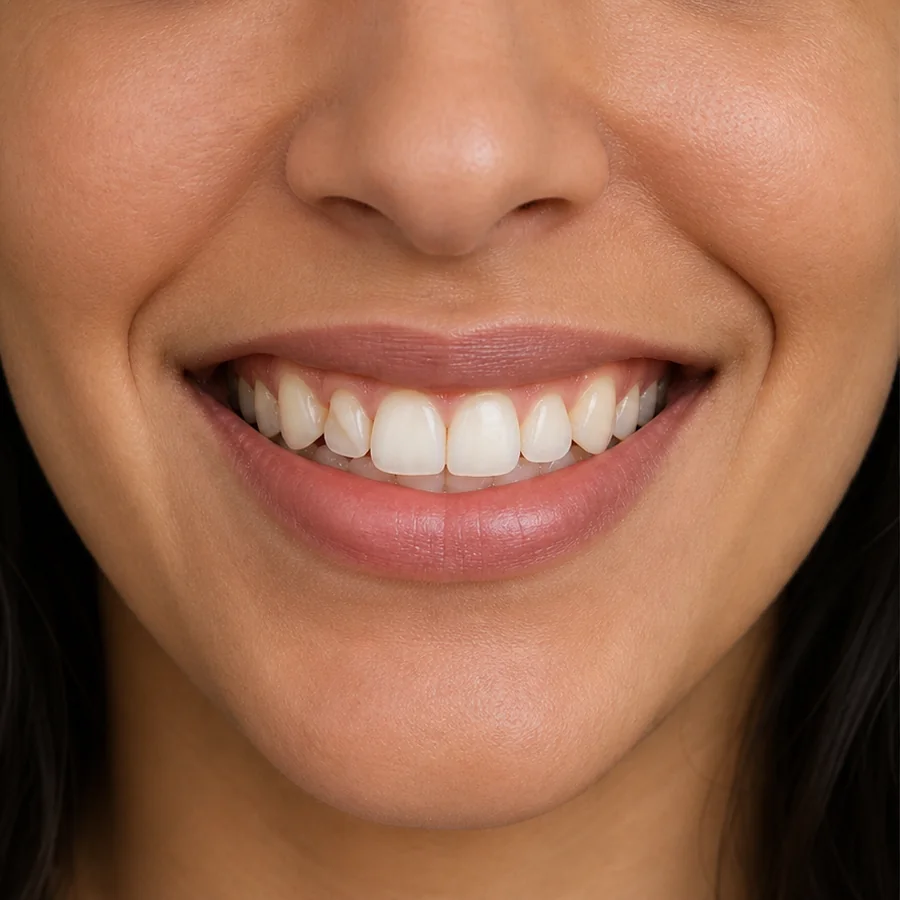
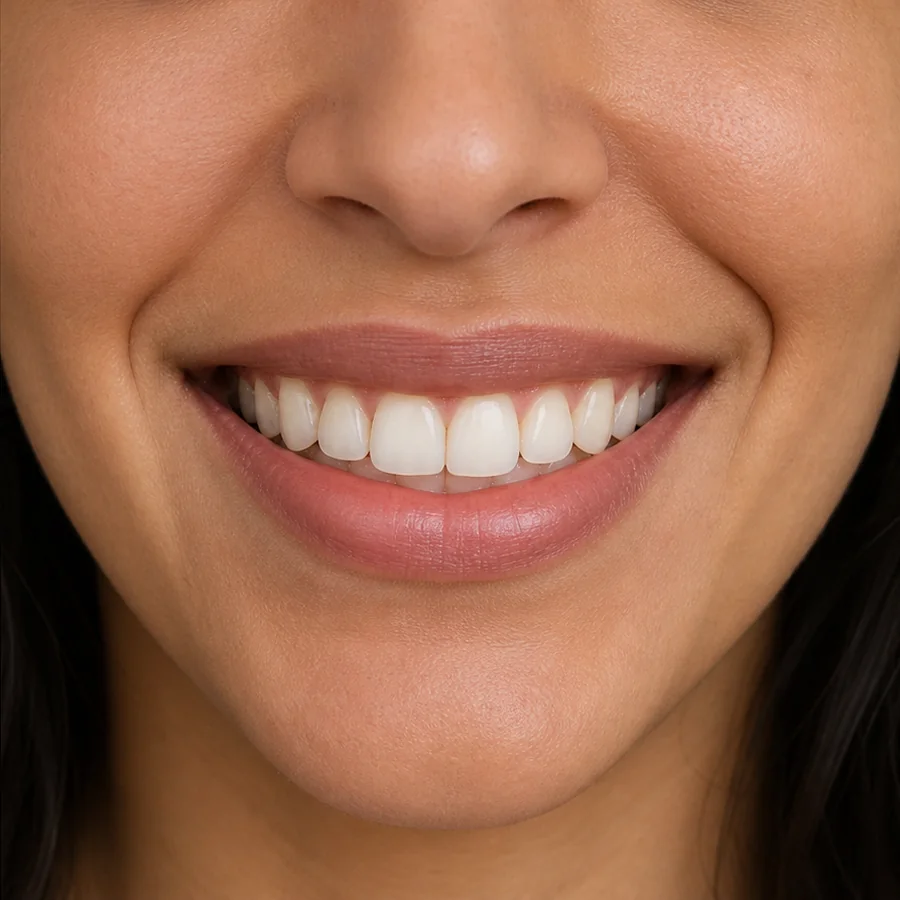
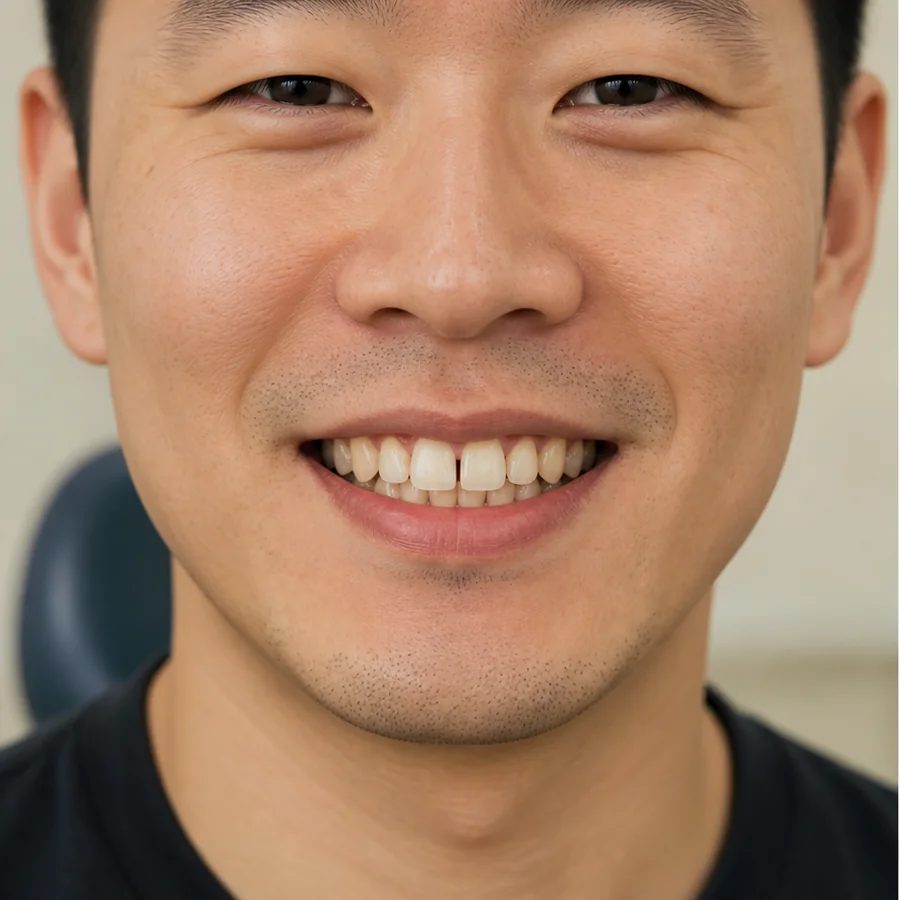
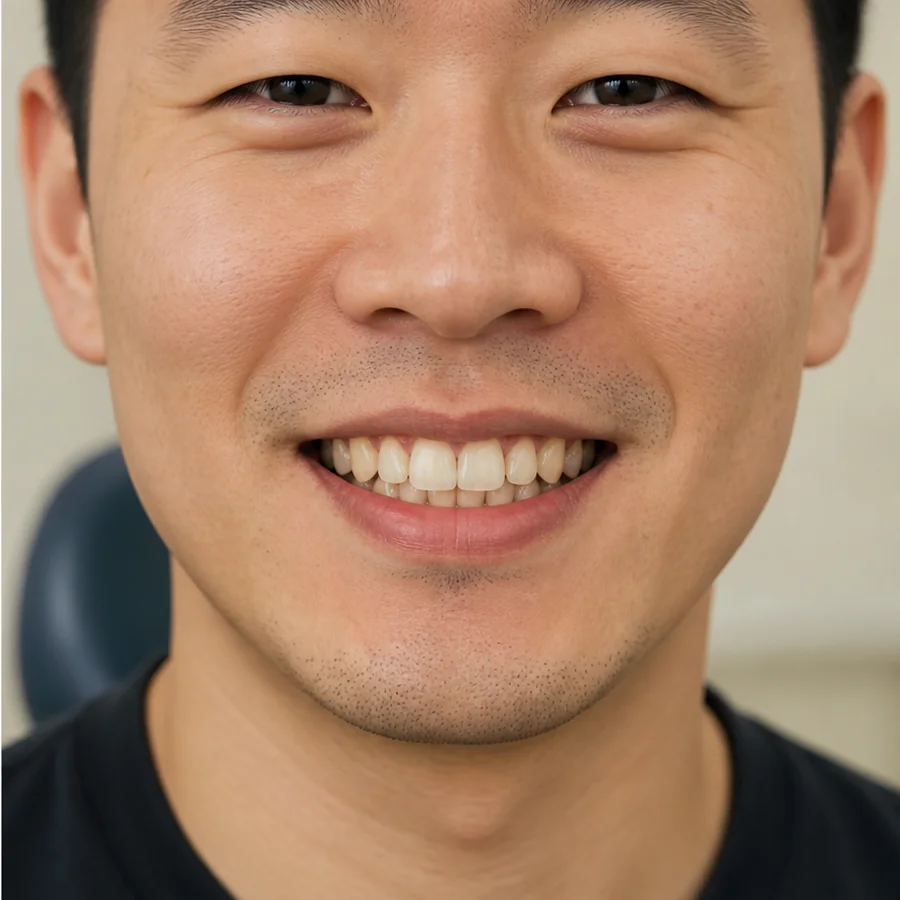
In a typical bite, upper teeth sit slightly outside the lower teeth. In a crossbite, one or more upper teeth bite inside the lower teeth or, less commonly, excessively outside them. Anterior crossbite affects front teeth; posterior crossbite affects premolars or molars.
A functional shift can make the jaw slide sideways when closing. In growing patients, early assessment can be especially important because jaw growth and facial symmetry may be involved.
Dental versus skeletal crossbite
A dental crossbite is primarily related to tooth position and may respond to controlled tipping, rotation, expansion or space creation. A skeletal crossbite reflects a jaw-width or jaw-position discrepancy and may require growth modification in children or combined orthodontic and surgical care in adults.
Appearance alone cannot reliably distinguish the cause. Clinical bite assessment, photographs, scans and appropriate radiographs help define it.
How aligners may correct it
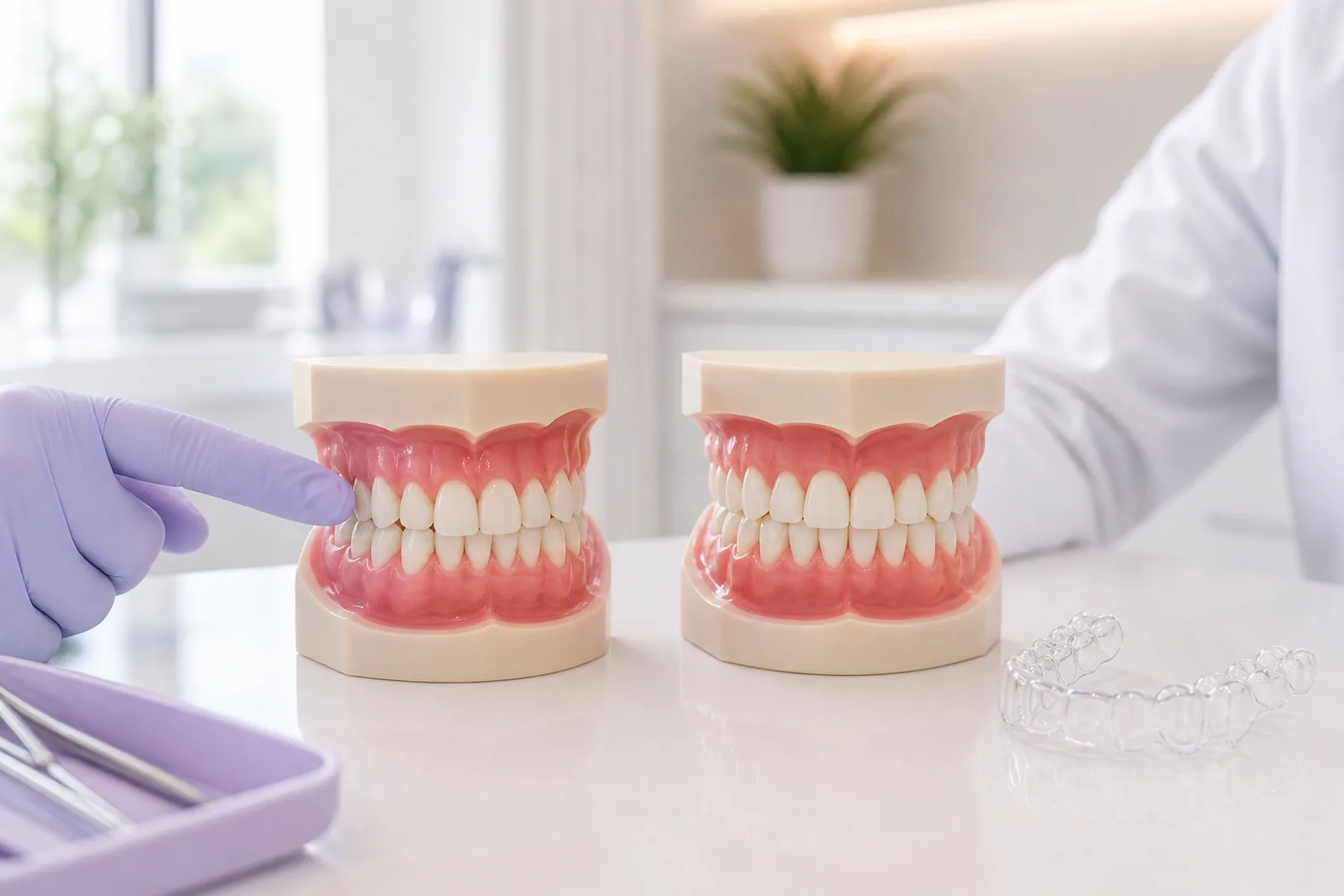
A plan may stage tooth movement to unlock the bite, broaden an arch dentally, rotate teeth or coordinate upper and lower arches. Attachments provide grip, bite ramps can create clearance, and elastics may add force between the arches.
These additions are part of the active biomechanics, not optional decorations. Wear and replacement instructions must be followed closely for the programmed sequence to work.
Important limitations
Aligners have limits when major skeletal expansion, large jaw correction, severely displaced teeth or complex vertical control is required. Gum thickness, bone boundaries, impacted teeth and existing restorations can also narrow the safe movement range.
Promises based on a mail-in impression or a smile photo may overlook these constraints. A comprehensive examination is needed before deciding that a crossbite is a cosmetic alignment problem.
Timeline and monitoring
Treatment length depends on how many teeth are involved, whether the bite must first be opened, and how consistently trays and elastics are worn. Posterior contacts may feel different during correction; the clinician monitors whether those contacts are developing as intended.
Poor seating, a tooth colliding with the opposing arch, worsening jaw shift or gum recession should be reported. Refinements are sometimes needed to improve the final bite after the first series.
Why treating a crossbite may matter
Depending on the case, an untreated crossbite may contribute to uneven tooth wear, gum stress, chewing imbalance or functional shifting. Correction aims for stable contacts and healthy tooth positions, not just a straighter photograph.
Seek an orthodontic evaluation if a child’s jaw shifts on closure, if biting causes trauma to a tooth or gum, or if the bite changes suddenly. A personalized diagnosis is the starting point for deciding whether clear aligners are suitable.
Practical planning checklist
At consultation, ask the clinician to identify every tooth in crossbite and demonstrate whether the jaw shifts when closing. Request an explanation of which part is dental and whether skeletal width or jaw position contributes. These distinctions determine what aligners can realistically change.
The digital plan should show how the bite will be unlocked so teeth can pass one another safely. That may require staged movement, bite ramps, attachments or elastics before visible alignment progresses. Ask how gum and bone boundaries are assessed around teeth being expanded outward.
During treatment, monitor both fit and function. Report a tooth that hits painfully before others, a worsening side shift, new gum recession or difficulty chewing. Do not bite harder to force teeth past an interference; the sequence may need modification.
At the finishing stage, evaluate the bite without relying only on a front-smile image. The clinician should check right and left contacts, functional movement and stability, then prescribe retention. Some cases benefit from settling after active trays, while others need refinement to prevent a corrected tooth from drifting back.
What to document before treatment
Write down when the crossbite was first noticed, whether the jaw shifts on closing, and whether chewing or gum trauma occurs on one side. Bring records of previous orthodontic treatment, extractions and jaw symptoms. For a child or teenager, growth stage and family history of jaw discrepancies can influence both timing and appliance choice. These details help the clinician separate an isolated tooth problem from a broader arch or skeletal relationship.
Ask to see the crossbite from several angles on the scan and to understand the planned final contacts. Which teeth need tipping, rotation or expansion? Will bite ramps or elastics be used, and how will the team check that roots remain inside healthy bone? Also ask what result would trigger a switch to another appliance or an in-person specialist. A transparent contingency plan is more useful than a guarantee that every crossbite can be corrected with trays.
Frequently asked questions
Can clear aligners fix a posterior crossbite?
Some dental posterior crossbites can respond to aligners, often with attachments, bite ramps or elastics. Skeletal cases may need other treatment.
Can aligners widen the upper jaw?
They can produce some dental arch expansion by moving teeth, but this is different from skeletal expansion of the jaw.
How long does crossbite treatment take?
It varies with cause, severity, age, auxiliaries and adherence. A clinician can estimate only after full records.
Do crossbites always need treatment?
Not every bite is managed the same way, but functional shifts, trauma, wear or unstable contacts deserve professional evaluation.
Sources and review notes
This article was prepared by the Hello My Teeth Editorial Team from authoritative dental guidance and peer-reviewed research. It provides general education, not an individualized diagnosis or treatment plan.
- American Association of Orthodontists: Clear Aligners
- American Dental Association: Direct-to-Consumer Dental Services
- PubMed: Clear Aligner Treatment of Anterior Open Bite—Systematic Review
Ready for a professionally reviewed plan?
Complete the candidacy check and provide the requested records so a licensed professional can determine whether a Hello My Teeth plan fits your case.