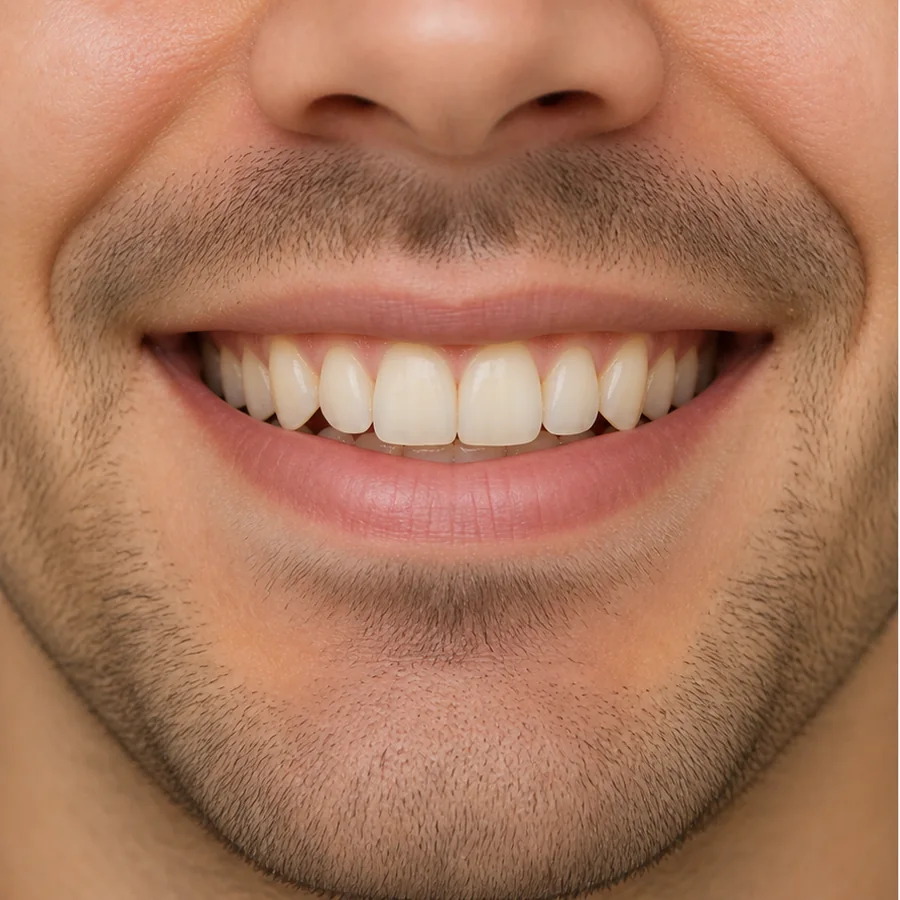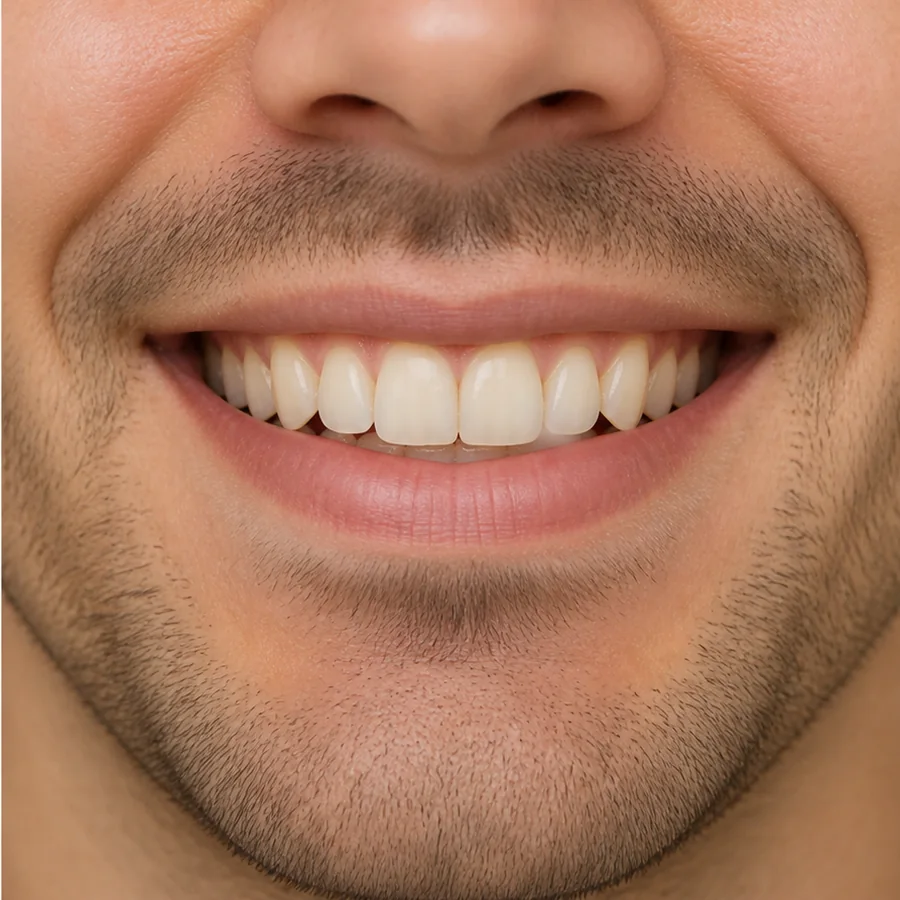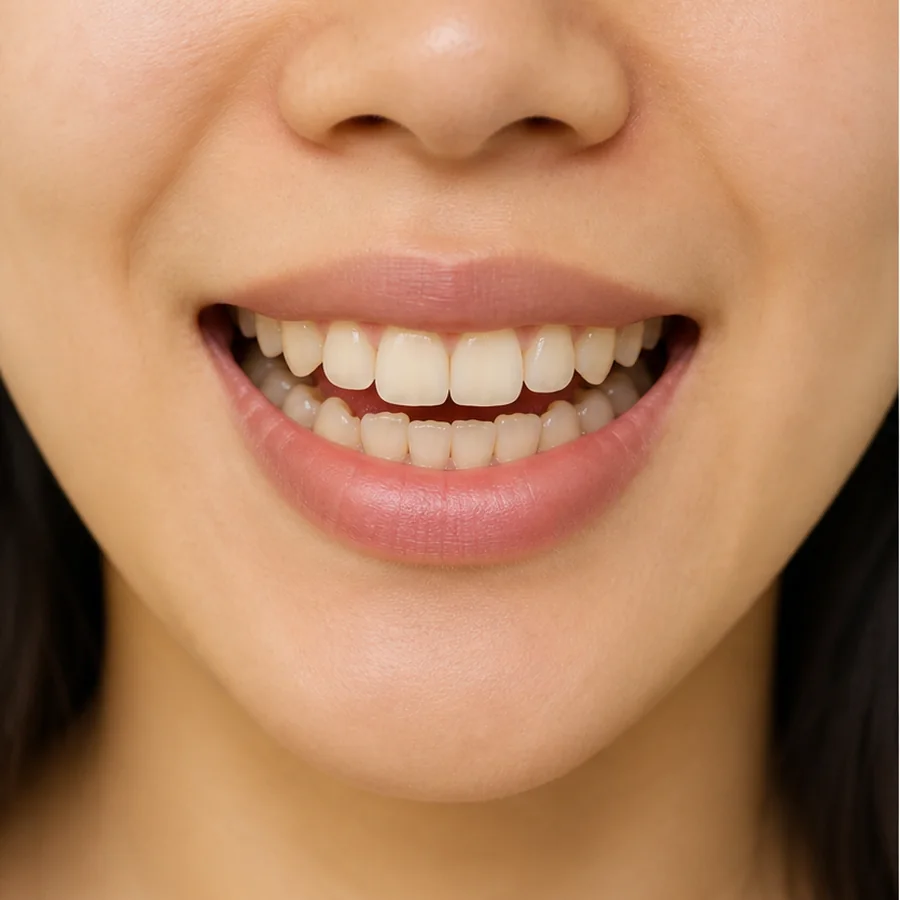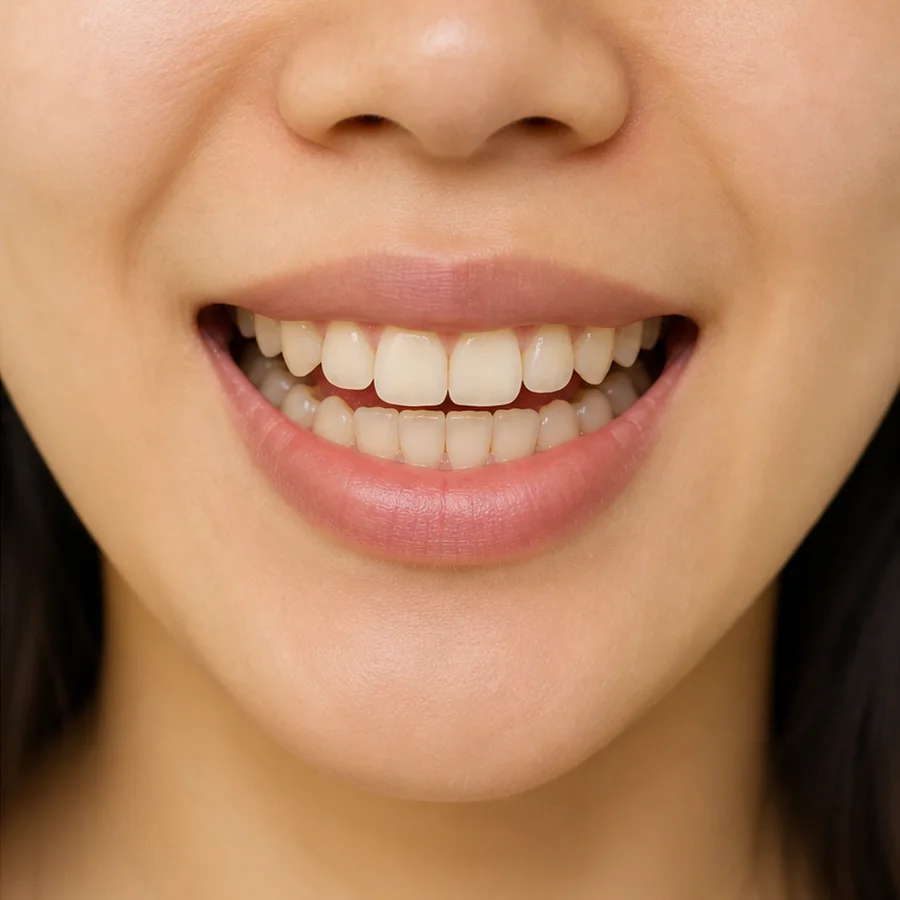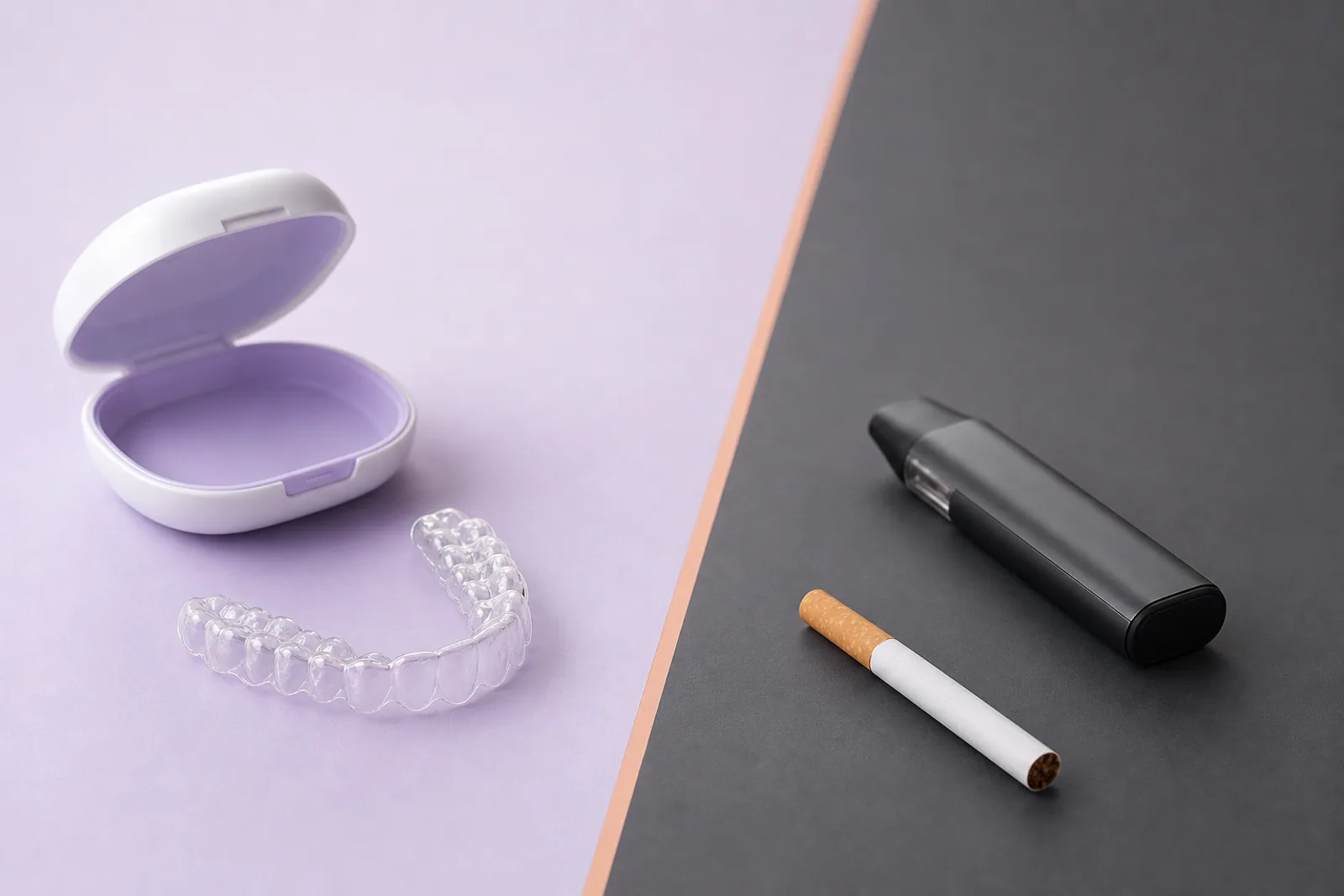
The concern goes beyond stained plastic
Nicotine and tobacco exposure can affect blood flow and the body’s inflammatory response. Smoking is a major risk factor for gum disease, which damages the tissues and bone supporting teeth. Orthodontic movement should not proceed casually when that foundation is unhealthy.
Clear trays can mask visual signs by covering teeth for much of the day. Stain removal does not reverse the biological effects of smoking or vaping on oral tissues.
Why you should not smoke or vape with trays in
Heat and chemical exposure can discolor, roughen or potentially distort thermoplastic. Residue and flavoring compounds may remain against enamel and attachments. Vaping is not a clean workaround simply because it produces aerosol rather than conventional smoke.
Removing trays for every use also creates a wear-time problem. Frequent nicotine breaks can reduce prescribed hours and increase the chance of losing or contaminating the aligners.
Oral warning signs to watch
Report gums that bleed persistently, recession, new spaces, loose teeth, sores that do not heal, white or red patches, ongoing dry mouth or a change in bite. Some tobacco users bleed less despite serious disease, so an absence of bleeding does not prove the gums are healthy.
Regular in-person examinations and periodontal measurements help the clinician detect changes that a selfie or tray-fit image cannot.
Cleaning helps appearance, not the underlying risk
Rinse and clean trays using the method approved by the manufacturer or provider. Do not use hot water, bleach or abrasive toothpaste to chase stains; these can damage the material or leave unsafe residue.
Brush with fluoride toothpaste and clean between teeth daily. These steps matter, but no cleaning routine cancels the oral-health risks of smoking or vaping.
Use treatment as a quitting opportunity
A clear-aligner plan creates natural checkpoints and daily routines that can support a quit attempt. Ask a physician, dentist or pharmacist about evidence-based cessation support and medications appropriate for you.
If you are not ready to quit, be honest with the treating clinician about frequency and product type. Accurate information helps them assess periodontal risk, monitor more closely and decide whether active movement should pause.
When treatment may need to change
Active gum disease may require periodontal treatment before or during orthodontics. A clinician may lengthen intervals, modify movements or stop treatment if supporting tissues are deteriorating.
Seek urgent evaluation for facial swelling, fever, rapidly increasing tooth mobility, difficulty swallowing or breathing, or a suspicious mouth lesion. Protecting long-term oral health takes priority over staying on a tray calendar.
Practical planning checklist
Record the products used, nicotine strength and frequency rather than saying only “occasionally.” Cigarettes, cigars, smokeless tobacco, heated tobacco and vaping products create different exposure patterns, but none should be hidden from the dental professional assessing gum risk.
Ask for periodontal measurements and an explanation of any recession or bone loss before movement starts. Tobacco can alter visible inflammatory signs, so healthy-looking gums in a photograph are not enough. The decision to move teeth should rest on clinical findings and stability over time.
Create a concrete quit or reduction plan with qualified support. Identify triggers tied to meals and tray removal, carry water and the aligner case, and use evidence-based cessation resources recommended by a clinician. Do not substitute unreviewed nicotine products that may create new oral exposure or interact with health conditions.
If trays discolor, report wear and exposure honestly. Replacing stained plastic may improve appearance but does not address tissue risk. Worsening recession, loose teeth, persistent ulcers or white and red patches take priority over orthodontic progress and require timely examination.
Prepare for an honest periodontal review
Request an explanation of gum measurements, recession, tooth mobility and any bone loss on radiographs. Ask what improvement is required before movement starts and how stability will be rechecked. Tobacco exposure can complicate interpretation, so the plan should use recorded clinical findings rather than tray appearance alone.
Choose one concrete cessation step before the next visit: contact a quit service, discuss medication with a qualified clinician, remove a high-risk trigger or set a documented quit date. If a lapse occurs, resume the plan without hiding it. Accurate disclosure lets the dental team protect tissues, adjust monitoring and pause movement when needed. Orthodontic speed should never take priority over preserving tooth support.
Dry mouth is another issue to discuss. Nicotine products, medications and dehydration can reduce comfort and saliva protection, while frequent flavored aerosol exposure may introduce sweeteners or acids. Sip plain water, follow professional fluoride advice and avoid keeping sugary or acidic drinks under the trays. Persistent dryness, burning or altered taste needs assessment. Saliva substitutes or other measures should be selected with a clinician, especially when medical conditions or multiple medications contribute.
Frequently asked questions
Can smoking stain clear aligners?
Yes. Smoke and residue can discolor trays and cause odor, but staining is not the only concern.
Is vaping safe with aligners in?
No vaping product should be considered harmless to oral tissues, and heat or residue can affect trays. Remove them only according to your treatment and cleaning plan.
Can I clean nicotine stains off trays?
Approved cleaning may improve appearance, but harsh chemicals, abrasive toothpaste and hot water can damage aligners.
Will smoking affect whether I can have aligners?
It may increase periodontal risk. Your clinician should evaluate gum and bone health and may require treatment or closer monitoring.
Sources and review notes
This article was prepared by the Hello My Teeth Editorial Team from authoritative dental guidance and peer-reviewed research. It provides general education, not an individualized diagnosis or treatment plan.
- CDC: Smoking, Gum Disease, and Tooth Loss
- American Dental Association: Home Oral Care
- American Association of Orthodontists: Clear Aligners
Ready for a professionally reviewed plan?
Complete the candidacy check and provide the requested records so a licensed professional can determine whether a Hello My Teeth plan fits your case.