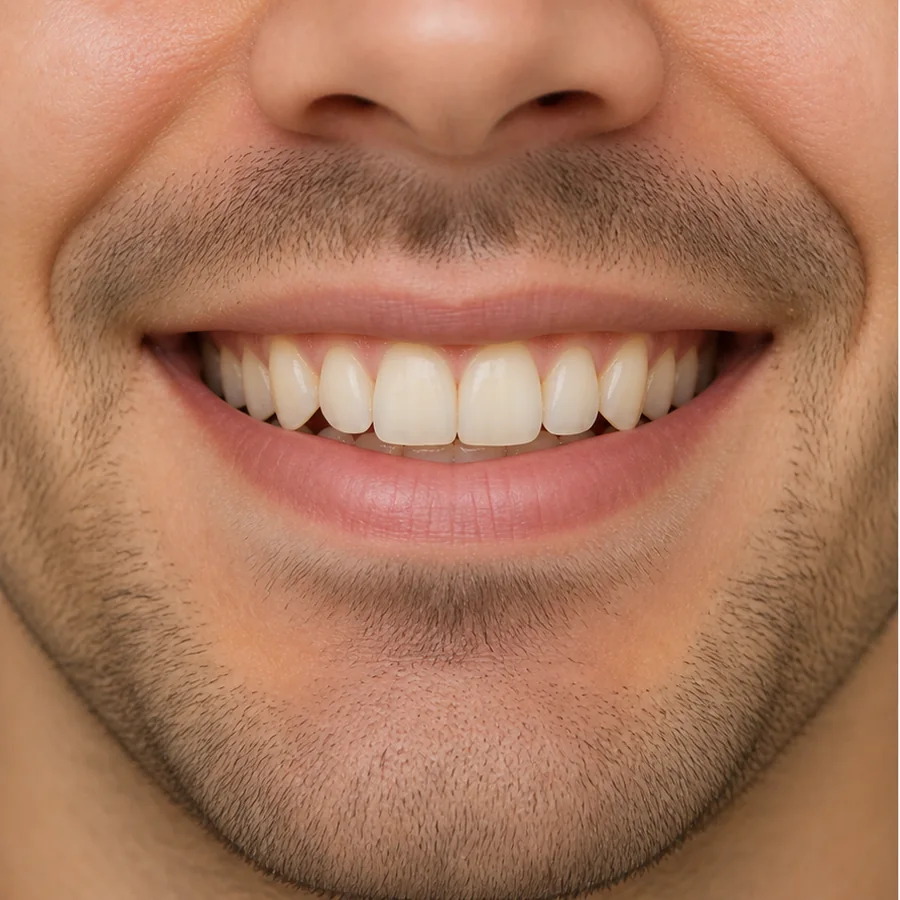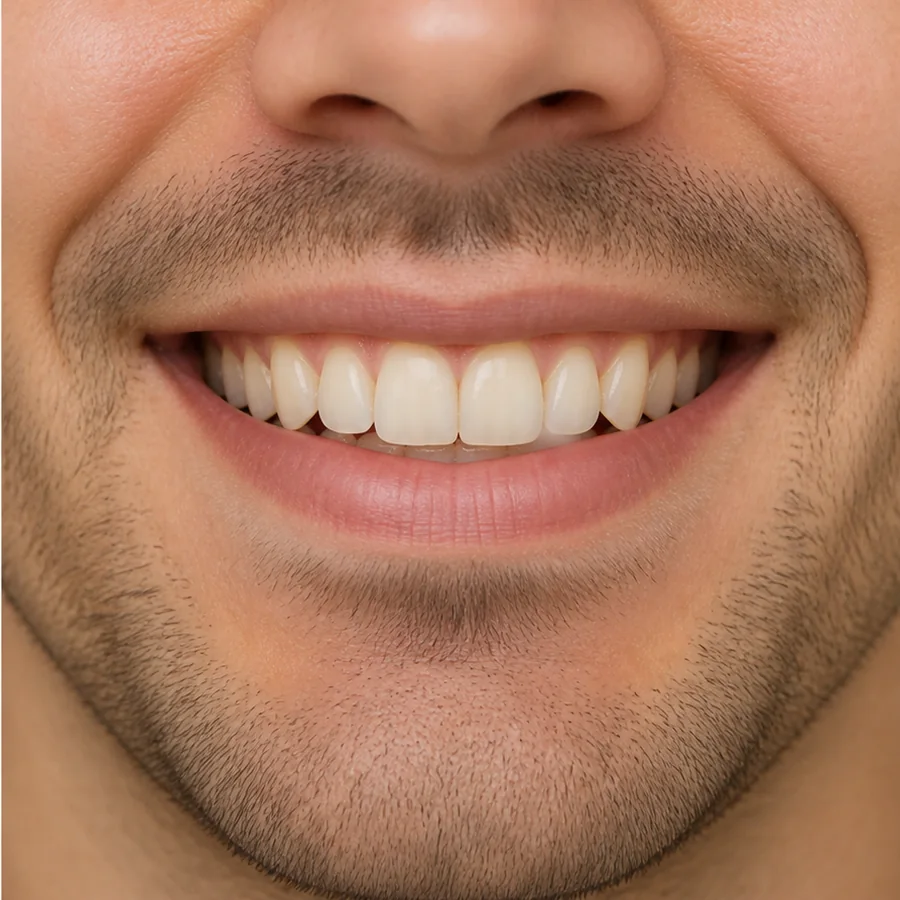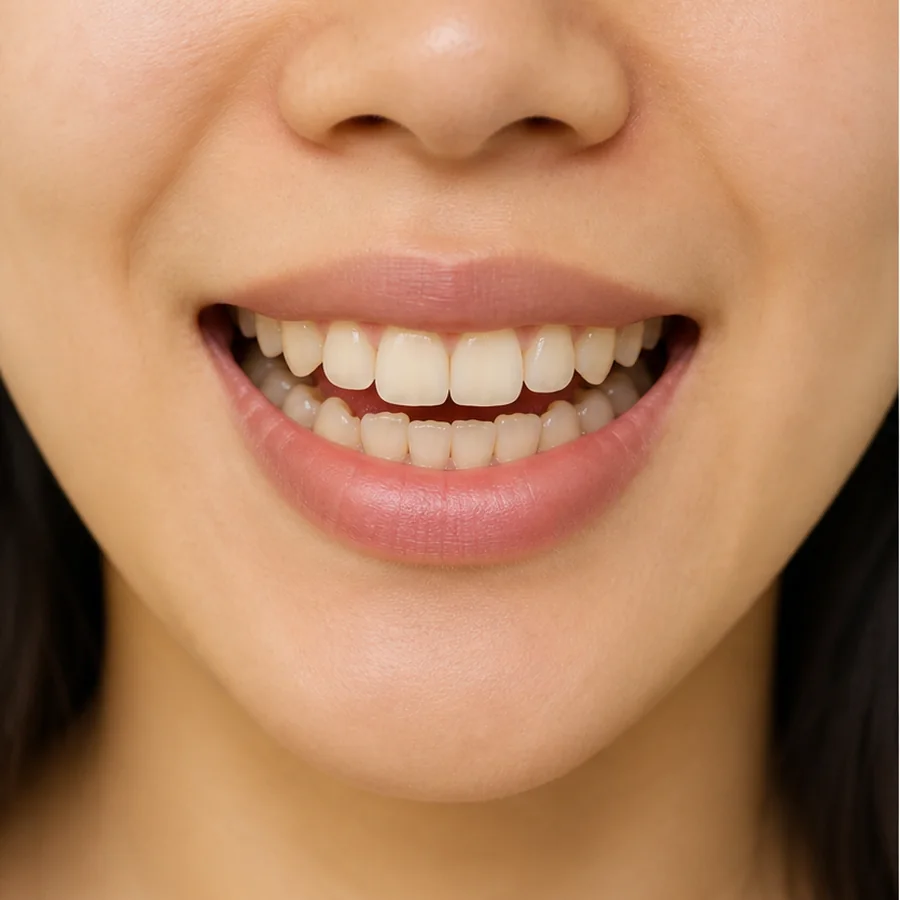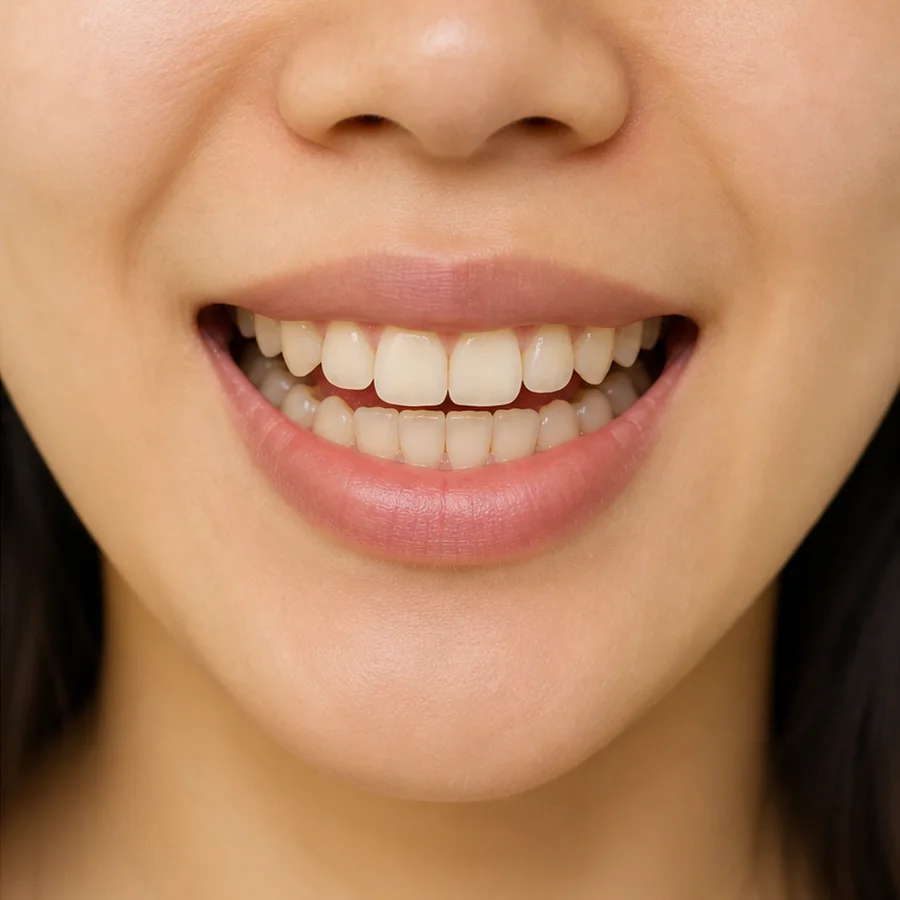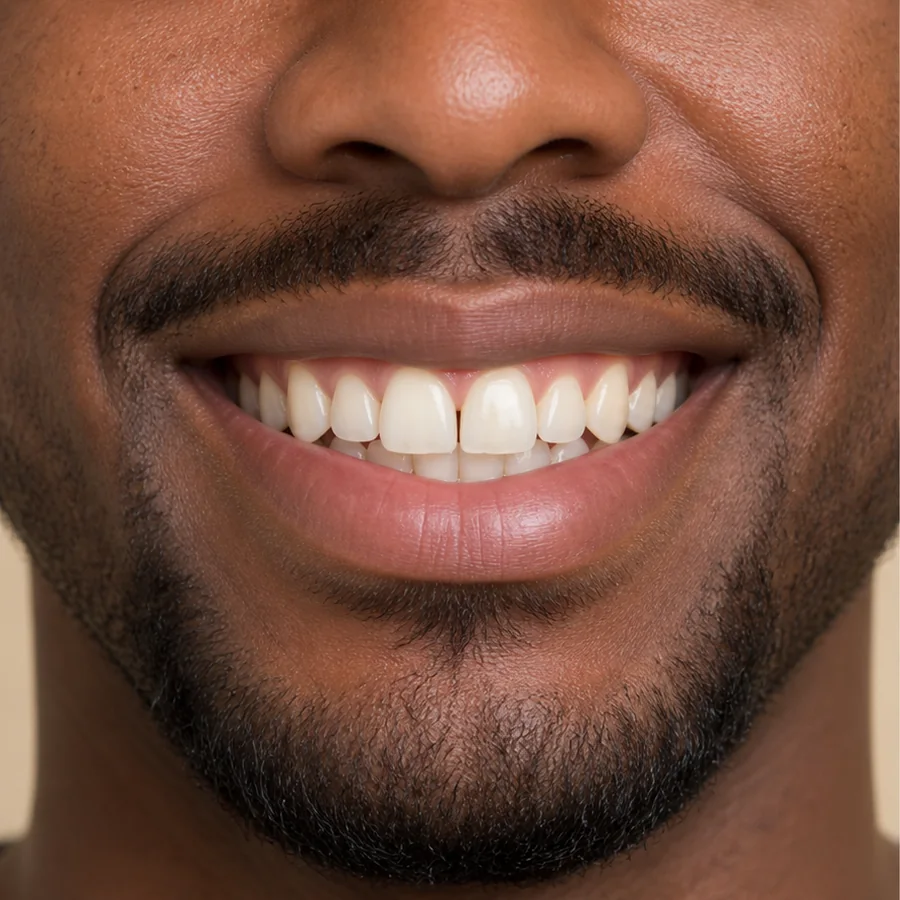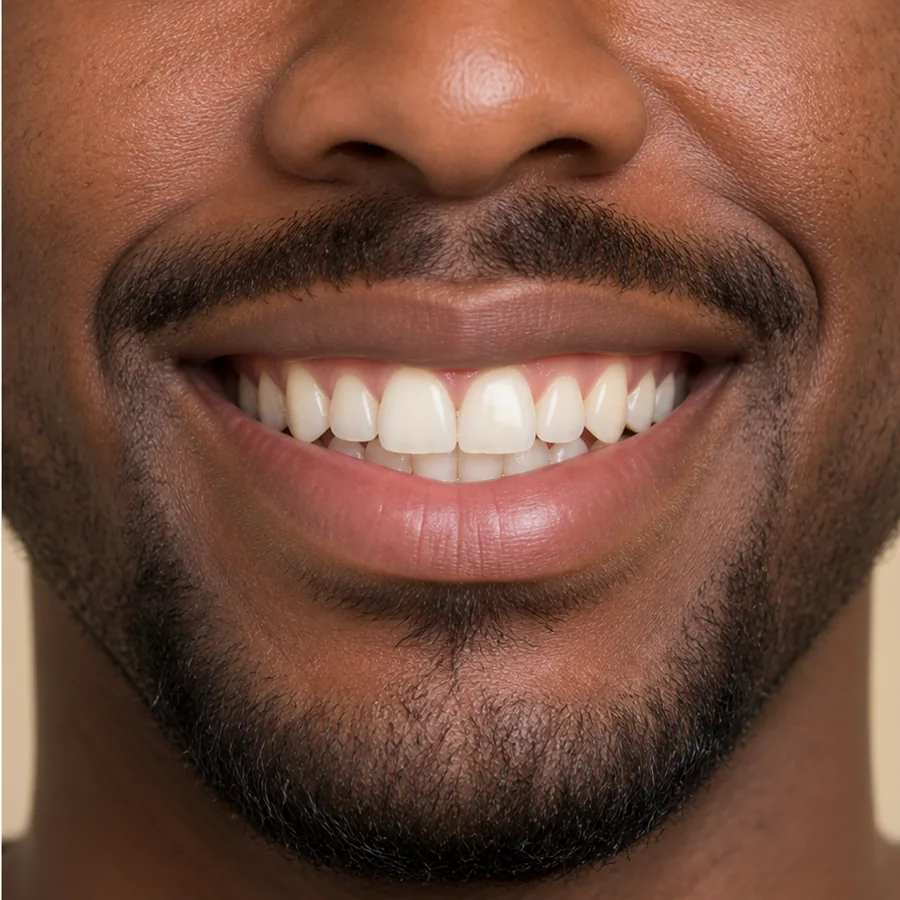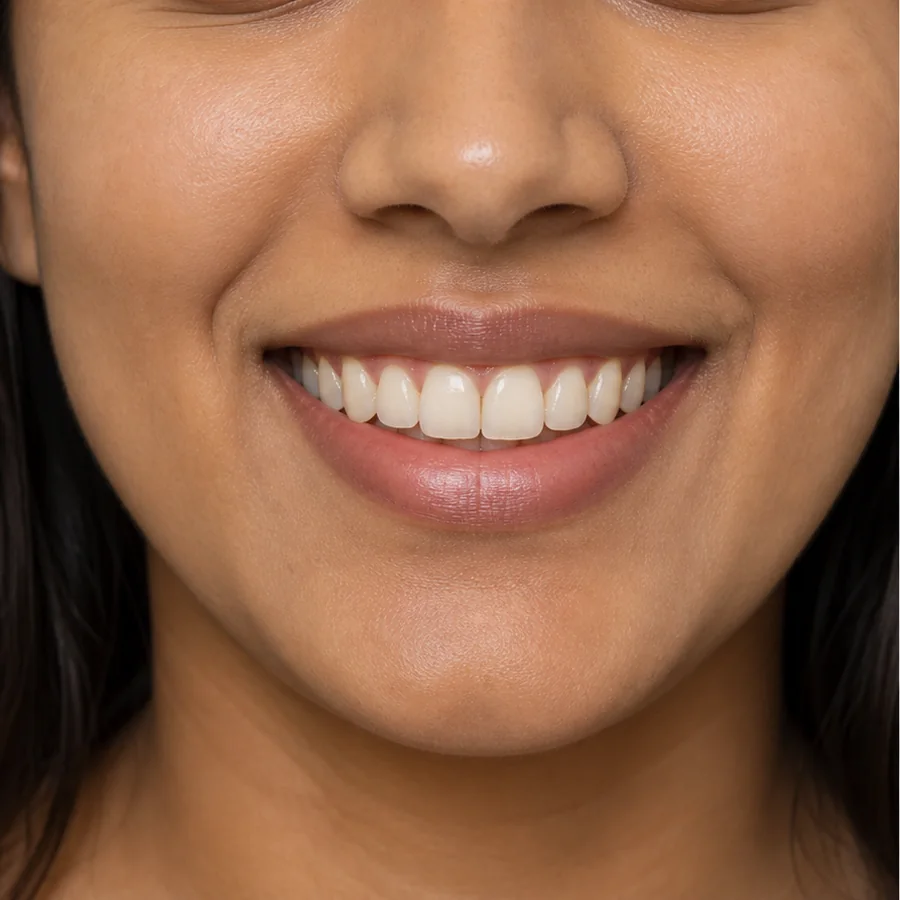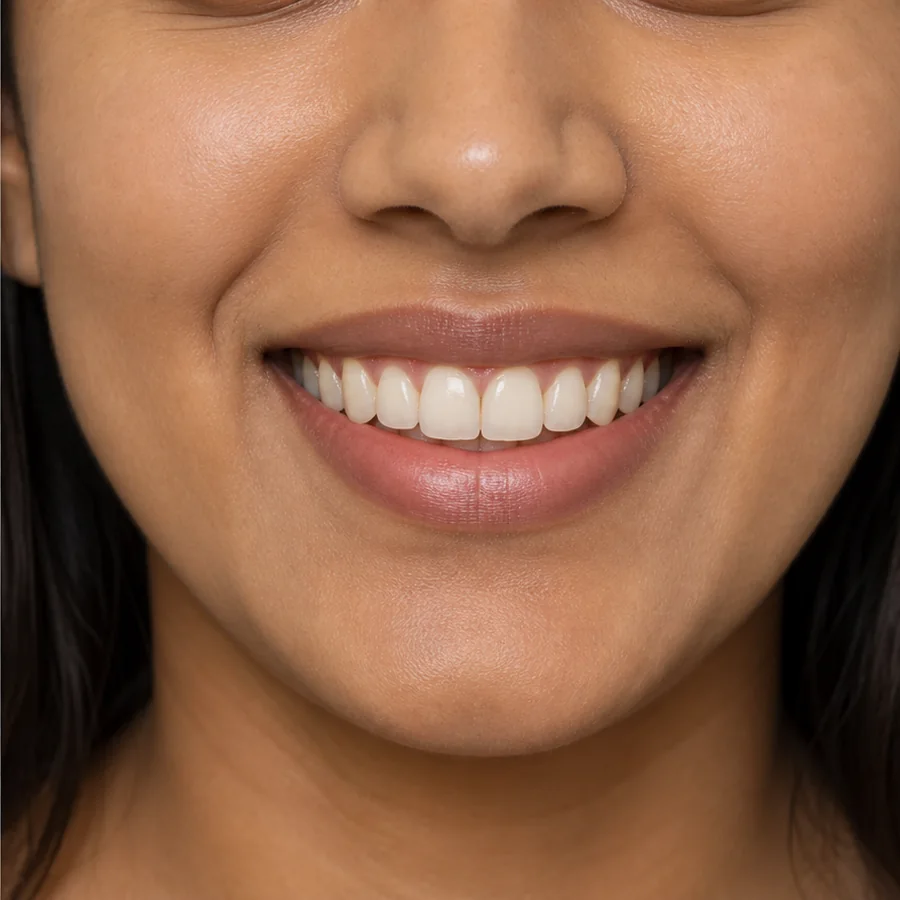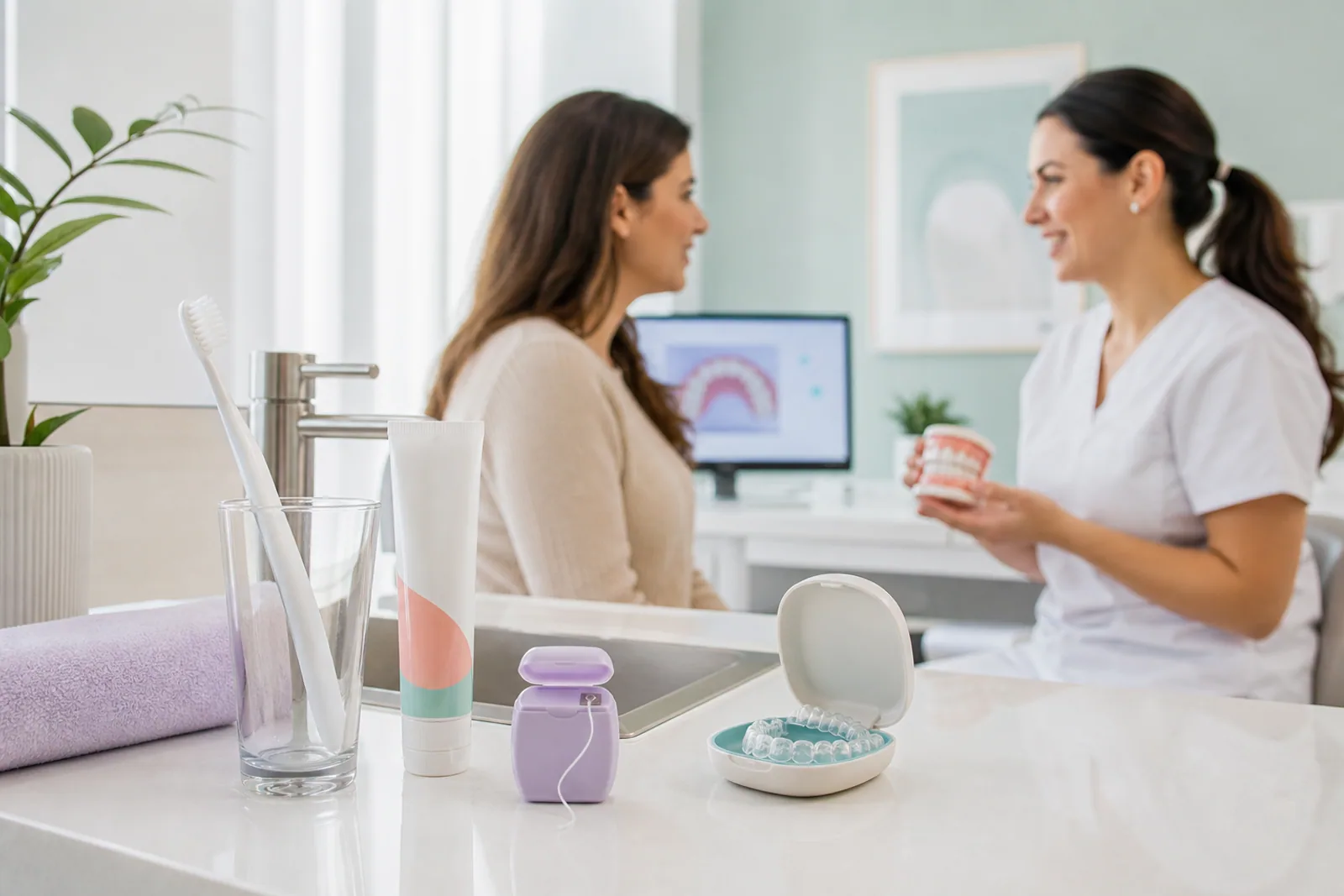
Start movement on a healthy foundation
Orthodontic treatment should not begin as a workaround for untreated decay, active gum disease, unexplained pain, or poor oral hygiene. Moving teeth through unhealthy supporting tissues can complicate care. A recent dental evaluation helps identify cavities, gum inflammation, failing restorations, and the need for radiographs.
The dentist and aligner provider may have different roles. Make sure each knows treatment is planned and how records will be shared. Routine preventive care continues during orthodontics.
Why trays change the tooth environment
Saliva helps dilute acids and clear food from exposed tooth surfaces. A close-fitting tray can limit that natural washing effect while worn. If a sugary or acidic drink remains under plastic, exposure can continue longer.
Research comparing aligners with fixed appliances often reports easier hygiene with removable trays, but evidence quality and patient behavior vary. The practical advantage exists only when trays are removed, teeth are cleaned, and dental visits continue.
A daily routine that protects teeth and gums
Brush twice daily with fluoride toothpaste and clean between teeth every day. After meals, brush before reinserting when practical. When brushing is not possible immediately, rinse with plain water, keep trays safely stored, and clean thoroughly as soon as possible.
Clean aligners separately using cool or lukewarm water and the approved method. A clean tray on plaque-covered teeth is not enough, and clean teeth inside a dirty tray are not enough.
Why sipping and frequent snacking matter
Wear goals can tempt people to eat quickly or put trays back over residue. Plan defined meal periods instead of grazing. Remove trays for any drink except plain water unless your provider instructs differently.
Sugar-free does not always mean acid-free, and clear drinks can still affect enamel. Read the eating guide and coffee guide.
Warning signs that deserve an examination
Bleeding that continues, swollen gums, recession, persistent bad taste, sensitivity, a dark or chalky spot, pain when biting, or a loose tooth should not be diagnosed through a chatbot or ignored until treatment ends. Contact a dentist.
Some soreness after a new tray differs from pain caused by decay or infection. Symptoms focused on one tooth, worsening, waking you at night, or continuing beyond expected adjustment need professional evaluation.
What if you need dental work mid-treatment?
Fillings, crowns, gum treatment, or extraction can change tooth shape and tray fit. Tell both teams before work is completed. The plan may need to pause, use a temporary step, or collect new records.
Do not delay necessary care simply to stay on schedule. Health comes before the original timeline. Keep the previous tray and bring current appliances to dental appointments when requested.
Practical planning checklist
A pre-treatment dental check should document active cavities, old fillings, gum pocketing, bleeding, recession and any teeth with uncertain vitality. Aligners do not cause every oral problem, but moving teeth before disease is controlled can complicate symptoms and make restorative work change tray fit.
During treatment, inspect the same areas weekly: gum margins around attachments, crowded contacts, back teeth and any spot where the tray traps liquid. Bleeding that continues despite careful cleaning, increasing recession, a persistent bad taste or pain on biting should be reported rather than waiting for the next automated check-in.
If a filling or crown is needed, the restorative dentist and aligner provider should coordinate timing. A small restoration may not alter fit; a major shape change can require a new scan or replacement tray. Never force an old tray over newly changed dental work.
Preventive care continues alongside orthodontics. Routine examinations, professional cleaning intervals based on risk, fluoride advice and dietary counseling are not replaced by remote monitoring. The safest treatment calendar is flexible enough to pause movement while decay or periodontal inflammation is treated.
A prevention plan that fits aligner wear
Review your personal decay risks: frequent snacks, dry mouth, reflux, exposed roots, previous cavities and medications that reduce saliva. The dental team may suggest a higher-fluoride product, different cleaning tools or shorter recall intervals. These choices should be individualized; adding multiple harsh cleaners or mouthwashes without advice can irritate tissues and does not compensate for plaque trapped under a tray.
Make meals and reinsertion predictable. Remove trays for anything except plain water, store them in a case and clean teeth before replacing them when practical. If brushing is temporarily impossible, rinse and complete full care soon afterward. Track a suspicious rough spot, food trap or bleeding area rather than waiting for pain. Early restorative or periodontal care is usually simpler than trying to continue tooth movement around an untreated problem.
Frequently asked questions
Do clear aligners cause cavities?
Not automatically, but trapping plaque, sugar, or acid and skipping dental care can increase risk.
Why do gums bleed when I floss?
Bleeding can indicate inflammation or another problem; persistent bleeding should be evaluated.
Can I wear aligners after a filling?
The tray may or may not fit depending on the filling’s location and shape.
How often should I see my dentist?
Follow the interval recommended for your oral health; aligner check-ins do not replace routine care.
Sources and review notes
This article was prepared by the Hello My Teeth Editorial Team from authoritative dental guidance and peer-reviewed research. It provides general education, not an individualized diagnosis or treatment plan.
- American Dental Association: Home Oral Care
- American Dental Association: Periodontitis
- PubMed: Oral Hygiene and Periodontal Health With Clear Aligners
- CDC: Oral Health Tips for Adults
Ready for a professionally reviewed plan?
Complete the candidacy check and provide the requested records so a licensed professional can determine whether a Hello My Teeth plan fits your case.