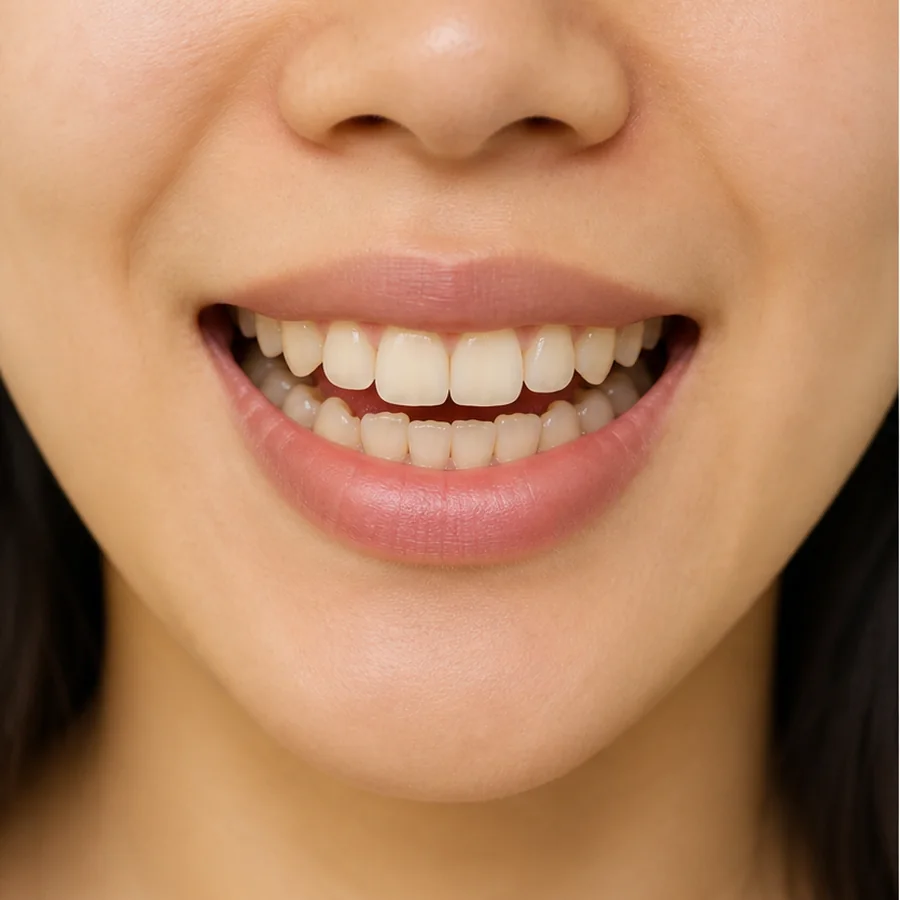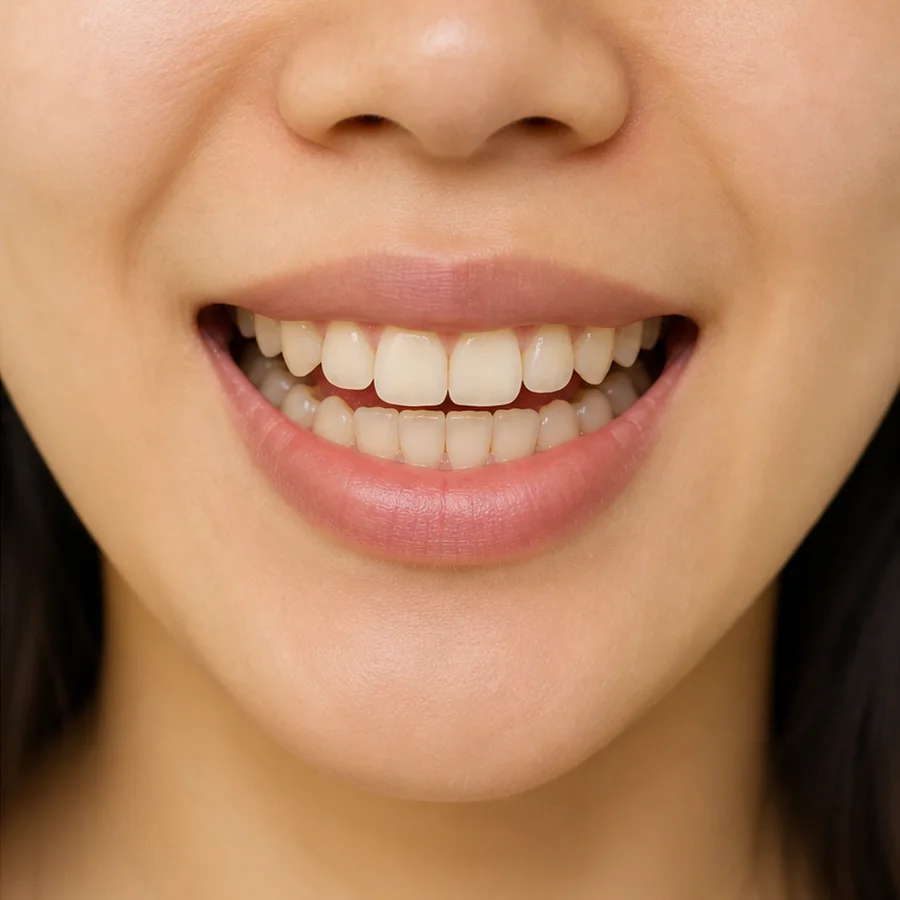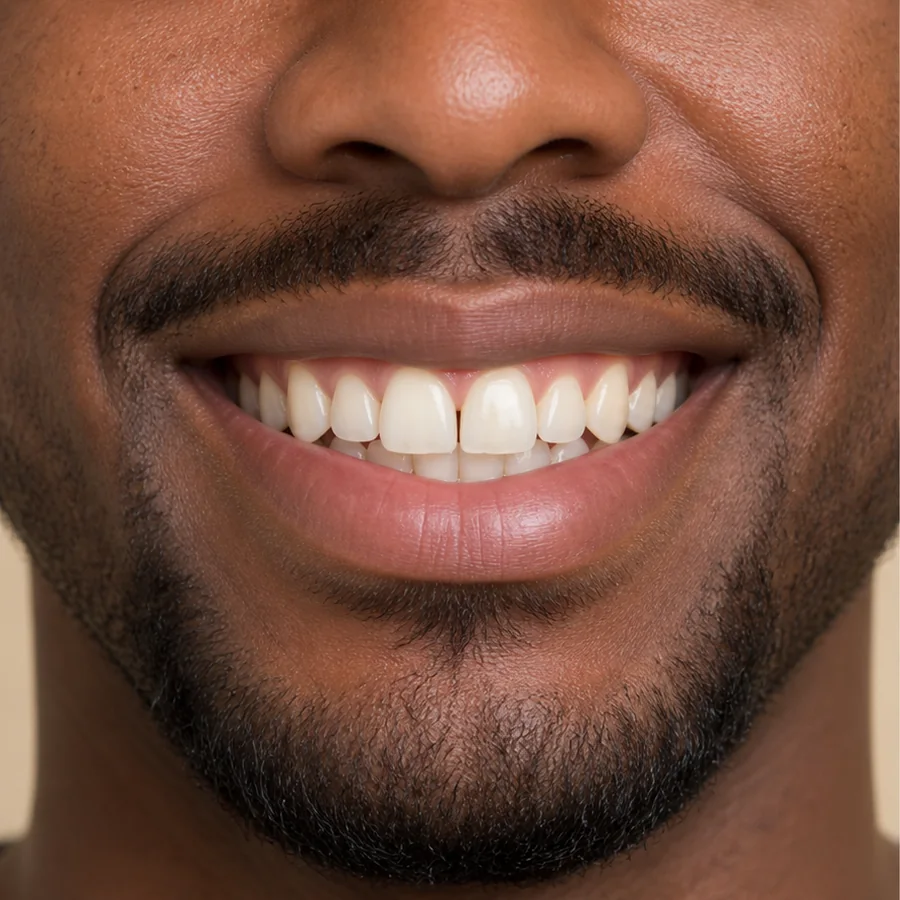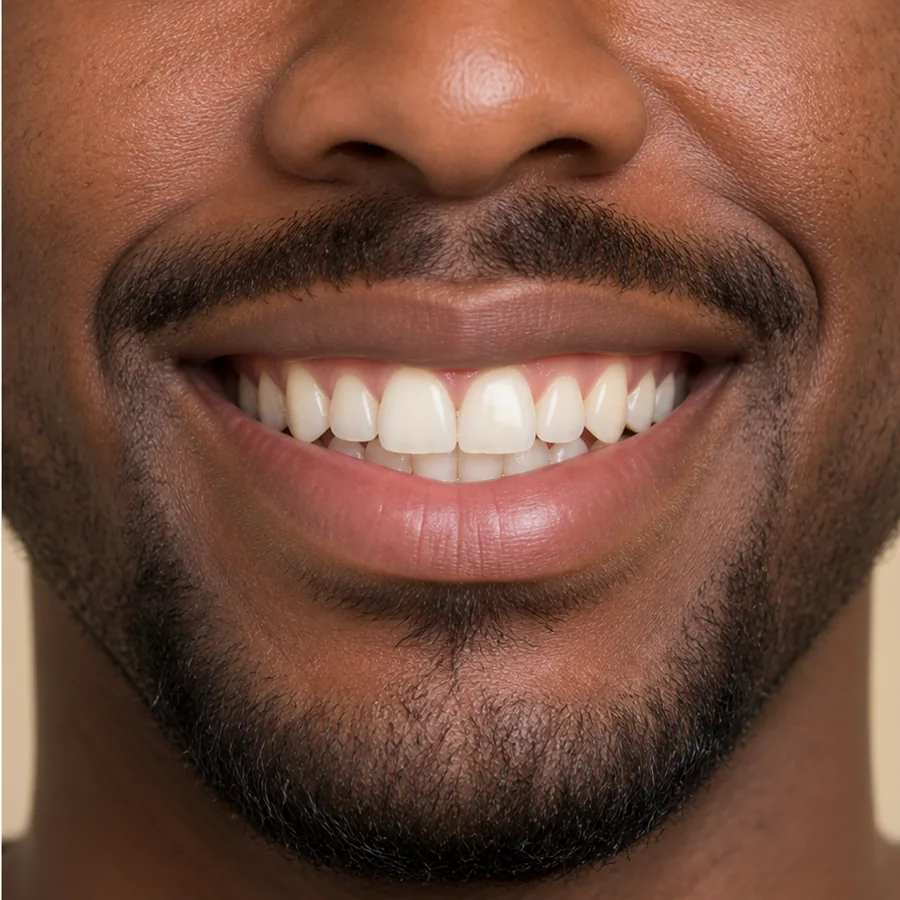
Why an aligner plan may include IPR
Crowded teeth need usable room before they can line up. Space can come from moving teeth within safe limits, selected dental expansion, extraction in complex care, or measured IPR. The right approach depends on roots, bone, gum tissues, tooth shape, facial profile, and bite goals.
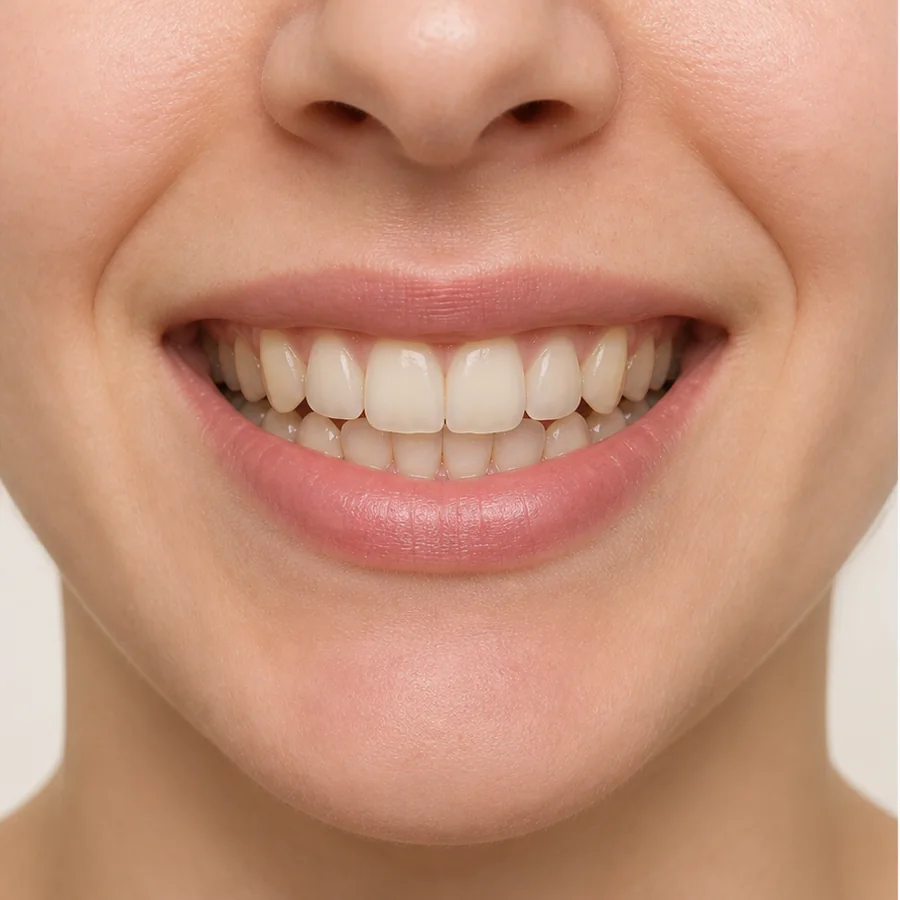
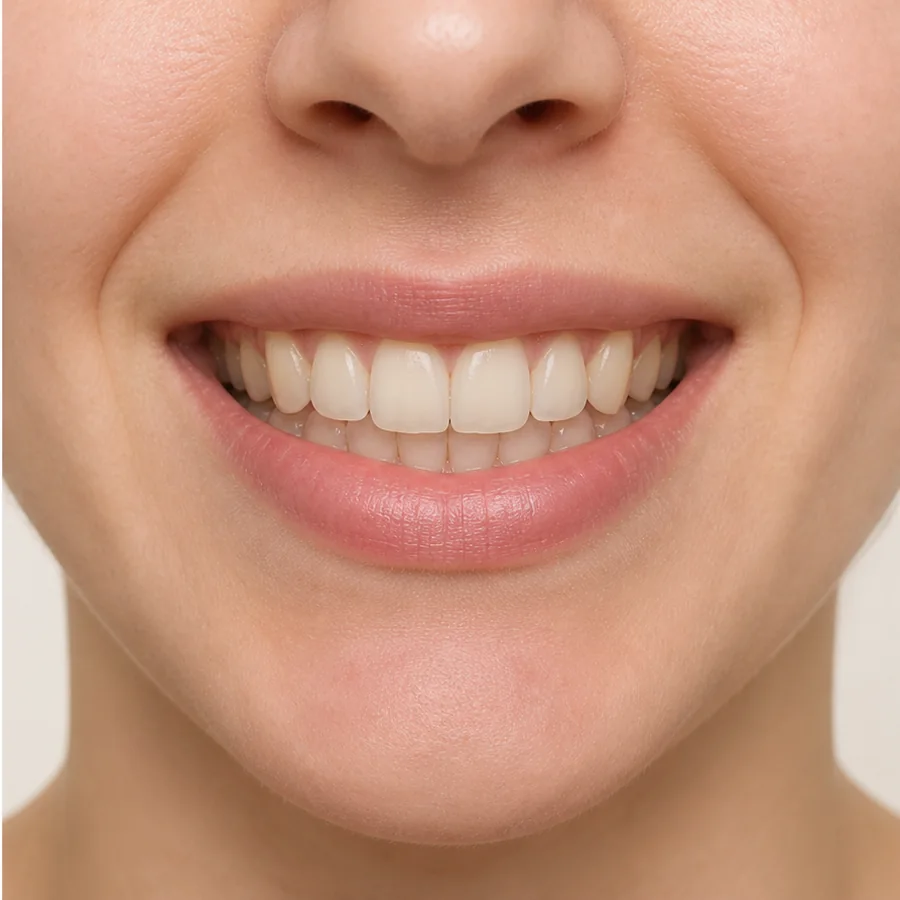
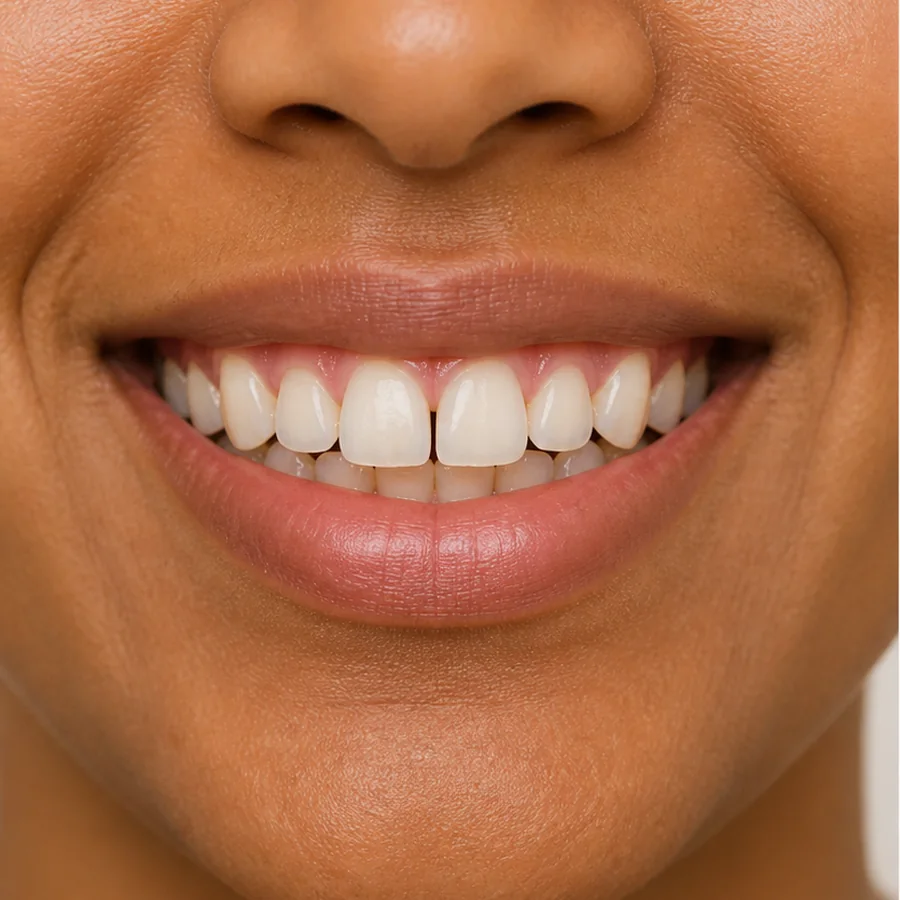
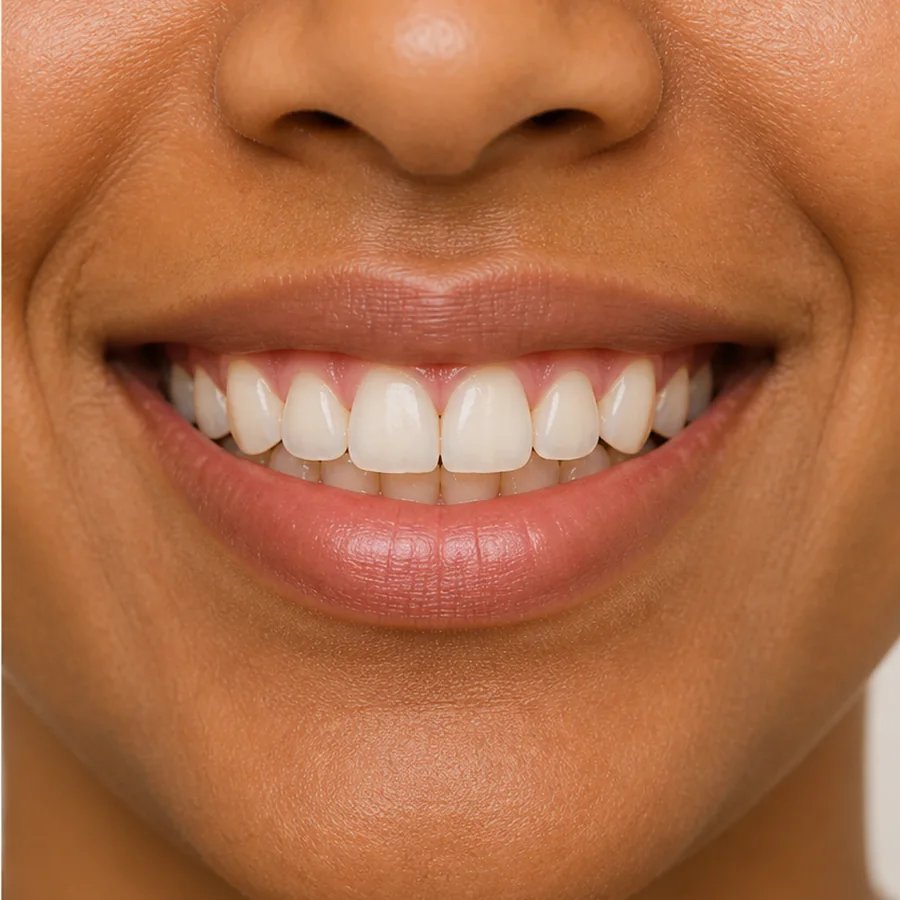
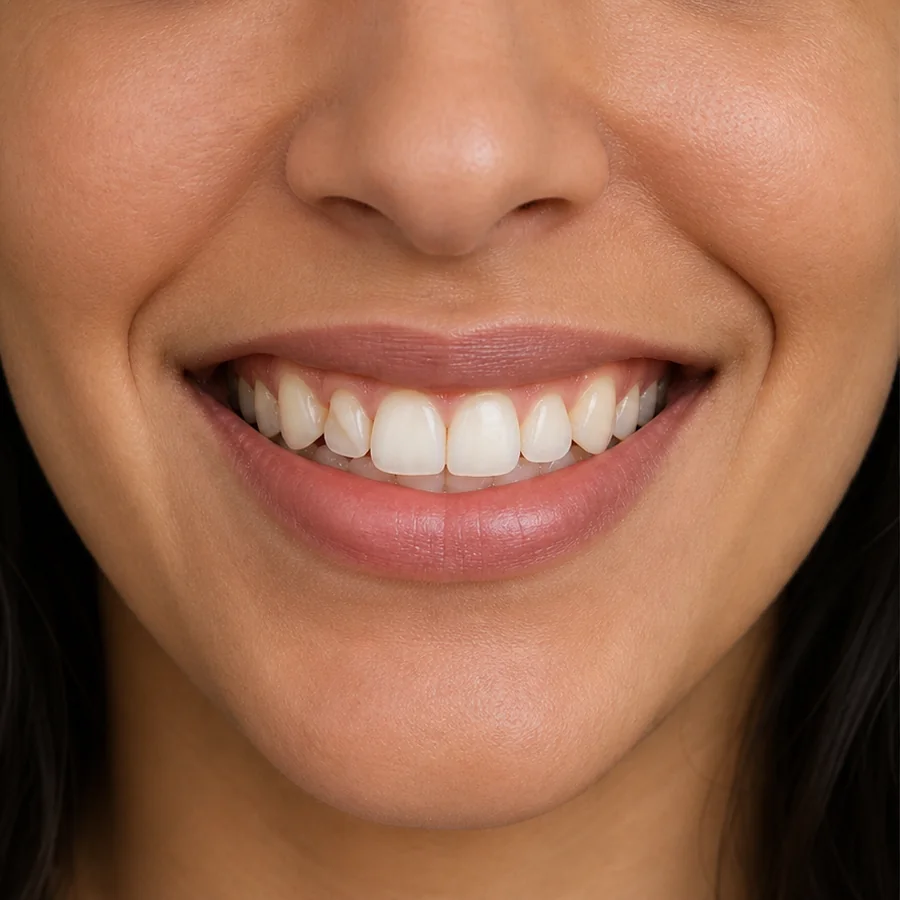
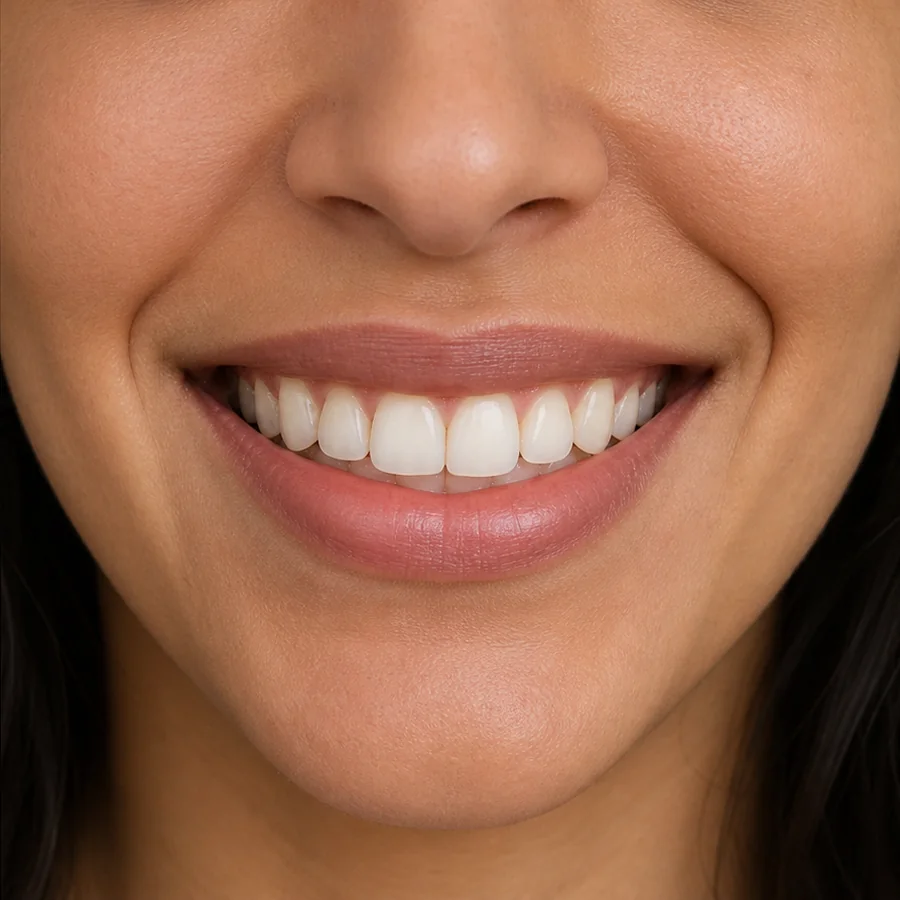
IPR can also reduce small triangular spaces near the gumline by adjusting contact shapes before teeth are brought together. It is not a universal fix. A plan should state which contacts are involved, how much reduction is intended, and why.
How much enamel is removed?
The quantity is usually expressed in fractions of a millimeter and allocated across specific contacts. Small numbers can add up across several teeth, which is why the written plan and clinical measurement matter. The clinician may use gauges to verify space instead of relying on appearance alone.
There is no safe one-size-fits-all number. Enamel thickness varies. Restorations, existing wear, sensitivity, cavities, and tooth shape can change what is appropriate. If the planned amount or location changes, ask for the reason to be documented.
What the IPR appointment is like
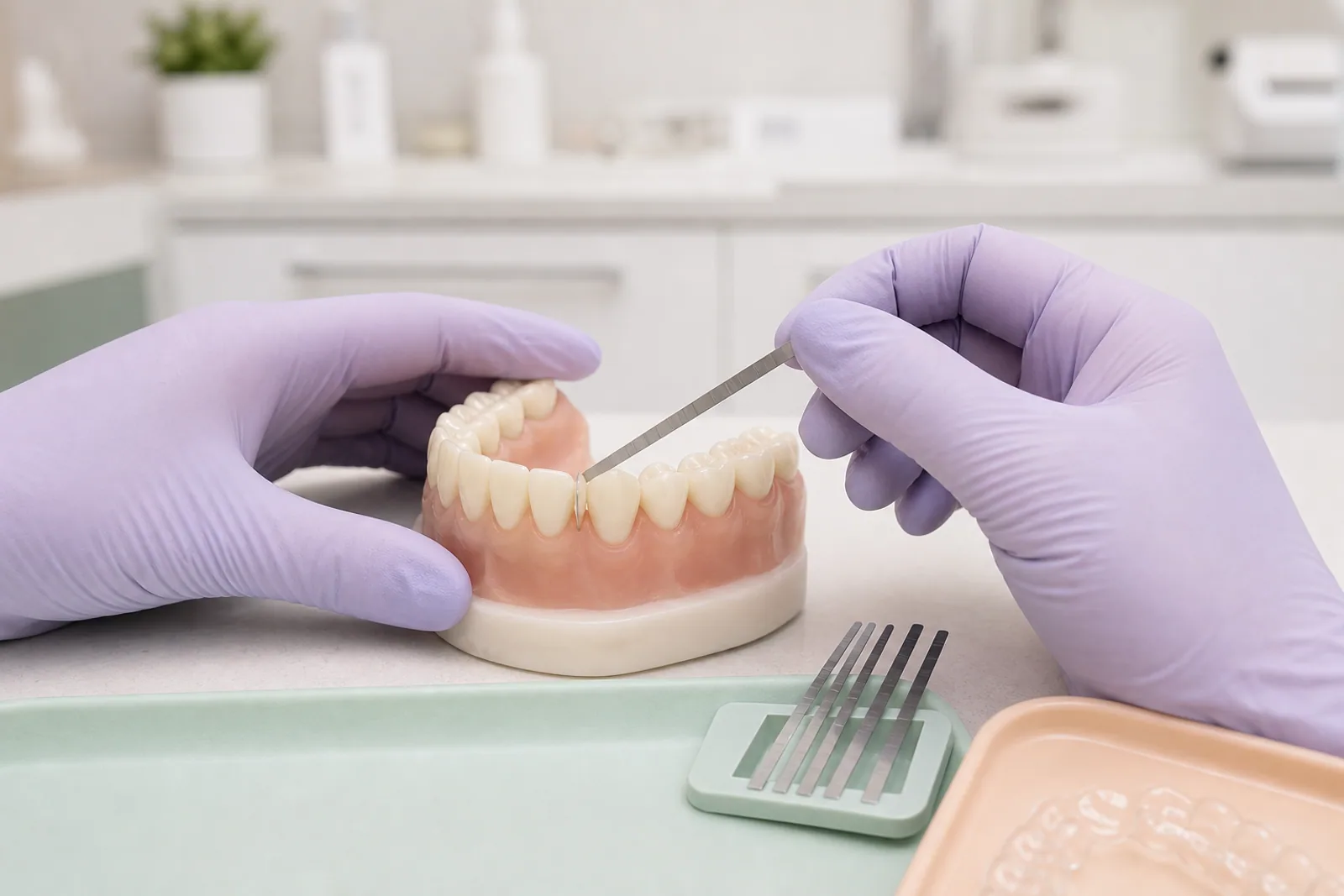
After confirming the treatment stage, the clinician isolates the area and uses a calibrated strip, disc, or another instrument designed for the procedure. Contact points are reduced gradually, measured, finished, and polished. Surrounding gums are protected as much as possible.
IPR changes enamel width; it is not intended to cut into the inner sensitive part of a tooth. Some people feel pressure or vibration. Sharp pain should be reported immediately rather than tolerated.
Possible risks and how planning reduces them
Poorly planned or excessive reduction can alter tooth shape, contact quality, sensitivity, or plaque retention. Rough surfaces can be harder to clean. Those risks are why IPR belongs inside a diagnosed plan with proper instruments, measurements, finishing, and follow-up.
A systematic review has examined effects of orthodontic IPR techniques, but study designs and methods vary. Evidence should guide care without being turned into a guarantee for one patient. Enamel, gum condition, and exact movement still need evaluation.
Aftercare and warning signs
Follow the tray schedule because newly created space is intended for planned movement. Brush with fluoride toothpaste, clean between teeth, and continue routine dental care. Ongoing sensitivity, a rough catching edge, gum injury, or food trapping deserves review.
Do not use nail files, sandpaper, whitening strips, or any home tool to make more room. If the next tray does not seat, contact the care team and read the tracking guide.
Questions to ask before IPR
Ask which teeth are involved, the amount planned at each contact, how it will be measured, which alternative strategies were considered, and how surfaces will be finished. If you have crowns, veneers, bonding, or sensitive teeth, make sure those details are documented.
Also ask whether the procedure is included and where it will be performed. A remote assessment may help plan care, but enamel reduction itself requires appropriate hands-on treatment.
Practical planning checklist
A good IPR conversation names the exact contacts, the planned amount at each contact and the reason space is needed. The clinician should explain alternatives—such as expansion, tooth movement elsewhere, extraction or accepting a limited result—and why the selected approach fits the enamel, gums and bite.
Measurements are small, so calibrated gauges and controlled instruments matter. The surface should be finished and polished, and the contact should remain shaped so food is not unnecessarily trapped. Your records should document what was actually performed, especially when IPR is staged across several visits.
Temporary sensitivity or a changed contact feeling can occur, but persistent sharpness, a ledge that catches floss, ongoing pain or food packing deserves review. Removing more enamel at home or asking an unqualified person to “make room” is unsafe because enamel does not grow back.
Long-term success depends on where the teeth finish, not merely on creating millimeters of space. Roots should remain supported, contacts should be cleanable and the bite should be stable. Retainers then preserve the alignment; IPR itself does not prevent relapse or eliminate the need for retention.
Consent questions before enamel is reduced
Ask to see where IPR appears in the digital sequence and why it is scheduled at that stage. Confirm the total planned reduction and how the clinician verifies that enough enamel is present. If you have sensitivity, enamel defects, restorations between teeth or a history of decay, bring those concerns forward before an instrument touches the contact.
Afterward, floss should pass without shredding on a rough edge, and the space should be consistent with the plan. Follow fluoride and hygiene advice and report lasting sensitivity or food trapping. Keep the treatment record because later clinicians may otherwise assume the original tooth widths. Conservative, measured IPR is very different from unrecorded filing performed merely to force a tray to fit.
Frequently asked questions
Is IPR the same as filing teeth?
It is a precisely planned dental procedure that removes a measured amount of interproximal enamel. Casual filing is not an acceptable substitute.
Does IPR cause gaps?
It creates small planned spaces that aligners are intended to use; visible spacing can be temporary during staging.
Can IPR be done on a crown or veneer?
Restorative materials behave differently from enamel and require individualized assessment.
Will IPR make teeth sensitive?
Some people notice temporary sensitivity. Persistent or significant sensitivity should be evaluated.
Sources and review notes
This article was prepared by the Hello My Teeth Editorial Team from authoritative dental guidance and peer-reviewed research. It provides general education, not an individualized diagnosis or treatment plan.
- PubMed: Interproximal Enamel Reduction in Clear Aligner Treatment—Systematic Review
- American Dental Association: Home Oral Care
- American Association of Orthodontists: Clear Aligners
- American Dental Association: Direct-to-Consumer Dental Services
Ready for a professionally reviewed plan?
Complete the candidacy check and provide the requested records so a licensed professional can determine whether a Hello My Teeth plan fits your case.