Is there an age limit for clear aligners?
Age alone does not determine candidacy. Adult teeth can move in response to orthodontic force, but the rate and limits depend on bone, gum health, medications, dental history, and the type of movement. A healthy 55-year-old may be a better candidate than a 25-year-old with untreated periodontal disease.
Begin with a screening such as the Hello My Teeth candidacy assessment, then make sure the professional review considers recent dental findings—not only smile photographs.
Treat cavities and active gum disease first
Aligners cover the teeth for long periods, and orthodontic force acts through the tissues that support each tooth. Active decay, infection, uncontrolled gum inflammation, or significant bone loss needs evaluation and stabilization before elective tooth movement.
Research on adults with periodontitis describes clear aligner treatment only within structured periodontal care after infection control and with ongoing maintenance. That is not a do-it-yourself pathway. Tell the reviewing clinician about bleeding gums, loose teeth, recession, deep cleanings, or a history of periodontal treatment.
Crowns, veneers, implants and missing teeth
Existing dental work changes the plan but does not produce one automatic answer. Crowns and veneers affect attachment bonding and the shape used for tray fit. Bridges connect teeth that may not be movable independently. Implants and missing spaces can change how forces and future restorative work are coordinated.
List every crown, bridge, implant, veneer, root canal, extraction, and planned restoration. If you expect an implant or crown after alignment, the dentist and restorative provider may need to coordinate the sequence before aligners are manufactured.
Which adult cases fit clear aligners best?
Clear aligners are often considered for selected spacing, crowding, rotations, and bite concerns. Evidence and expert consensus support their use in many mild-to-moderate cases, while acknowledging limits for complex movements and evidence gaps in some categories.
Hello My Teeth publishes a practical overview on Treatable Cases. It is educational, not a diagnosis. Cases needing extraction, complex root control, significant jaw correction, or extensive chairside procedures may be better managed in person.
The adult routine: wear, meals and work
Removable trays can fit professional and social routines, but they require consistency. Meals, coffee, and snacks create time out of the mouth. Travel requires a case, cleaning supplies, and a plan for replacements. A busy schedule is not a contraindication; inconsistent wear is a treatment risk.
Review how meals work with aligners and how to handle coffee and other drinks. Choose a prescribed wear model you can follow rather than the one that sounds easiest in an advertisement.
Set expectations for the smile and the bite
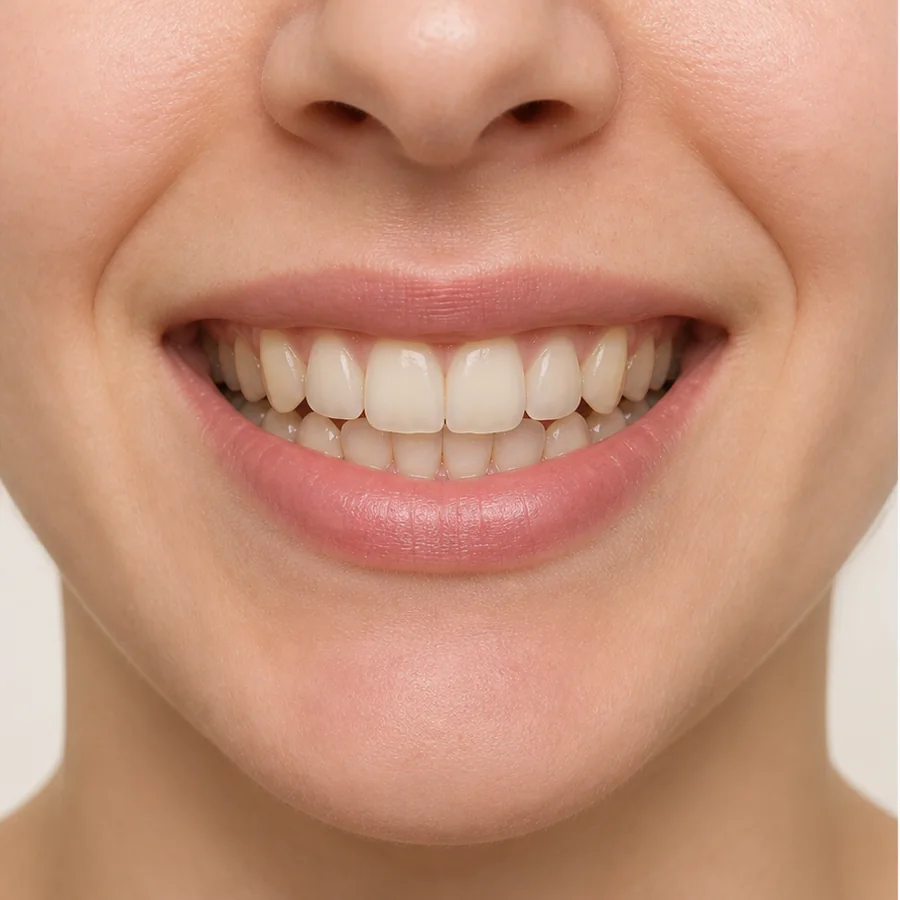
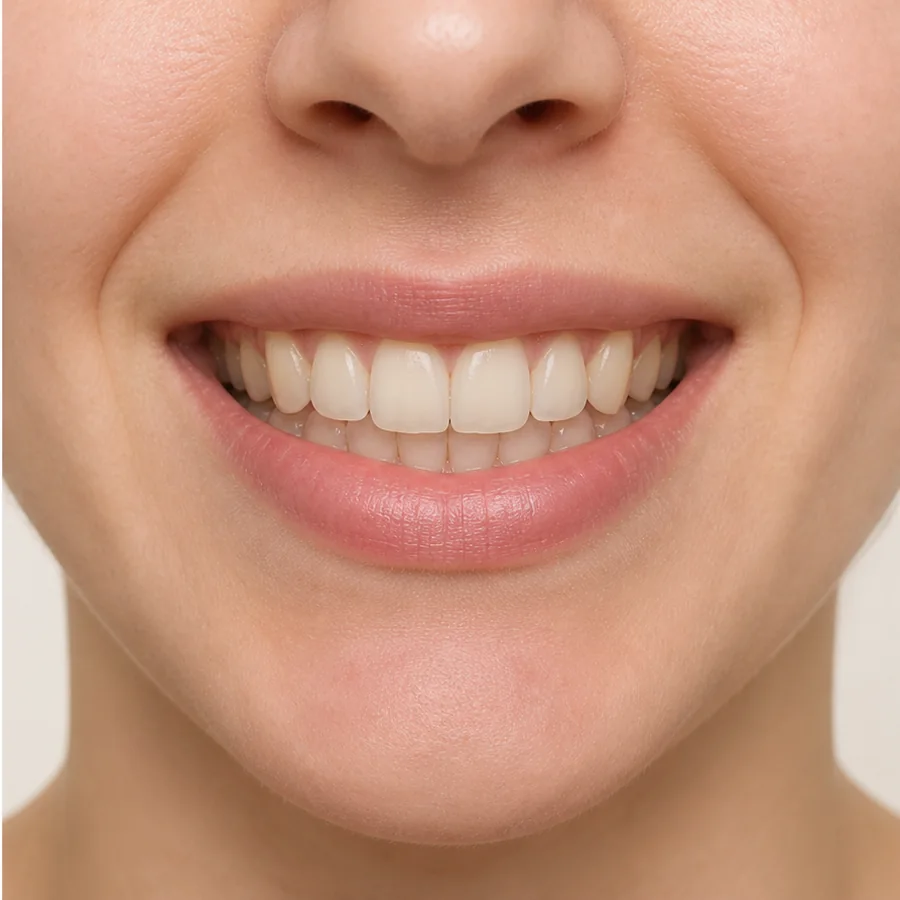
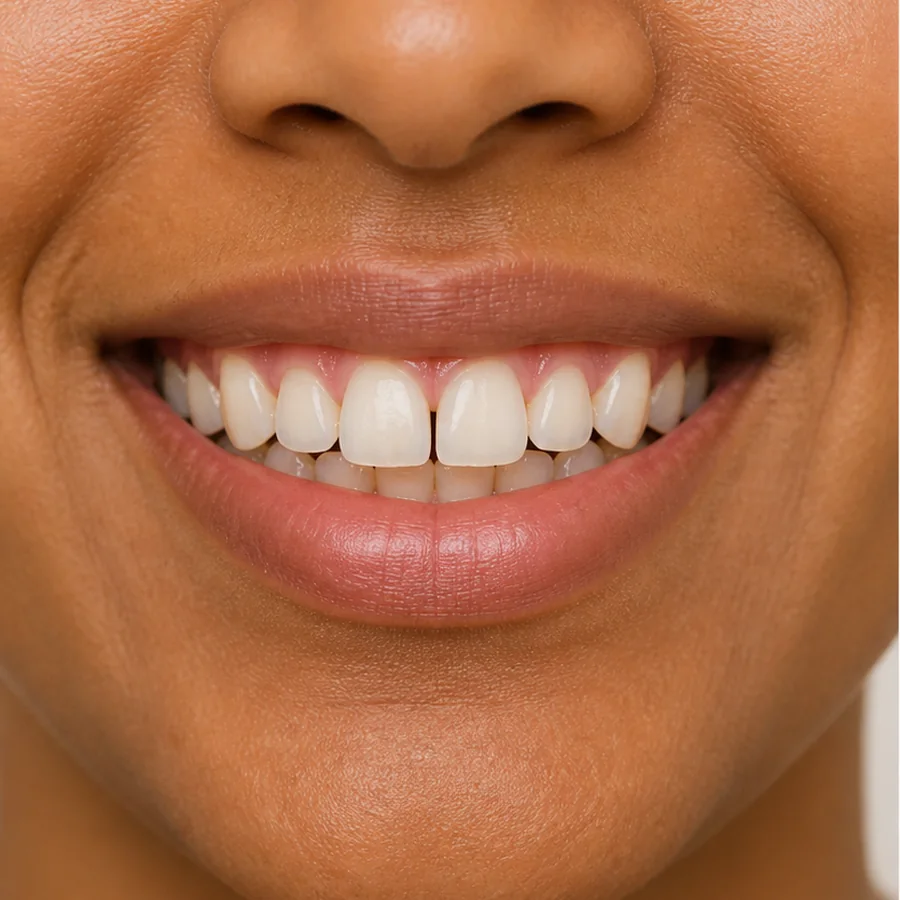
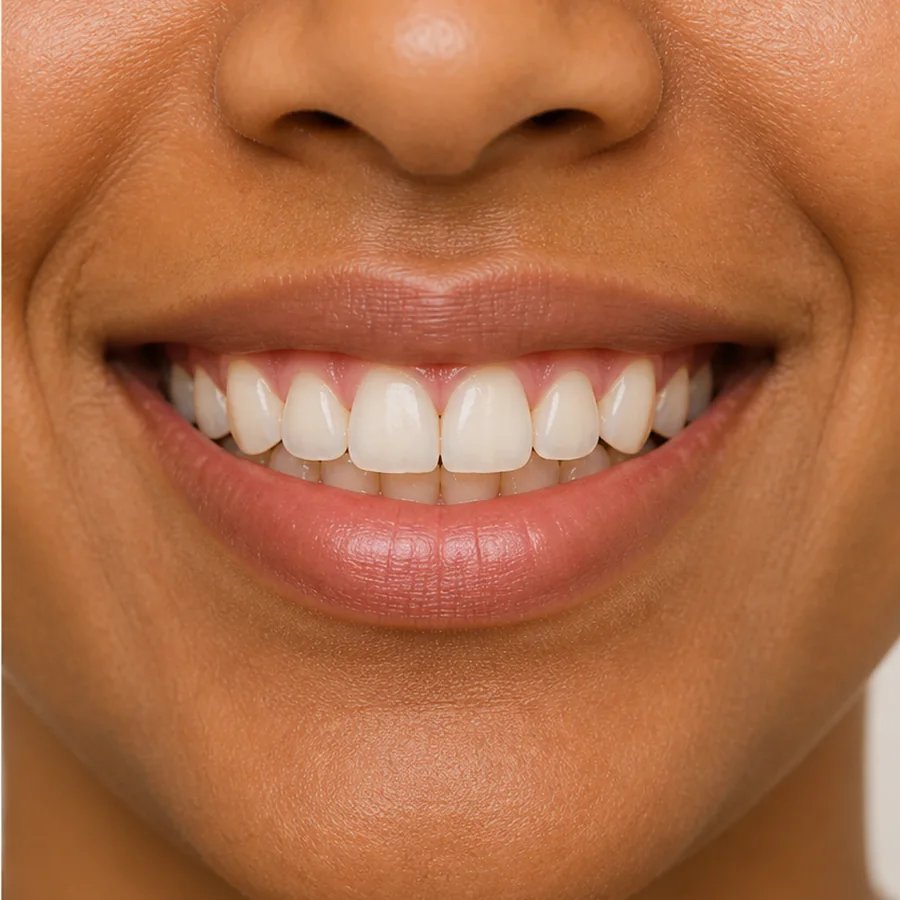
Adults may have worn edges, uneven gum heights, triangular spaces between teeth, or discoloration that alignment alone will not remove. Straightening changes tooth position; it does not automatically change tooth shape, replace missing enamel, or treat gum recession.
Ask the reviewer to separate three outcomes: the movements planned, the cosmetic details that will remain, and any follow-up dentistry that may improve the final result. Look at real results as examples, not guarantees.
The adult clear aligner checklist
- Have a current dental exam and complete any urgent treatment.
- Report gum disease, recession, loose teeth, and bone-loss history.
- List restorations, implants, missing teeth, and planned dental work.
- Ask whether X-rays or additional records are needed.
- Confirm who is responsible for clinical decisions and monitoring.
- Understand the movements the plan will not attempt.
- Compare total price and inclusions with the clear aligner cost guide.
- Plan for retention after active treatment.
If the answers are incomplete, pause. A second opinion is reasonable before any irreversible dental work or orthodontic purchase.
Frequently asked questions
Am I too old for clear aligners?
Age by itself is not a cutoff. Oral health, case complexity, medications, restorations, and the supporting bone and gums are more important to candidacy.
Can I get aligners if I have crowns?
Sometimes. The clinician must account for the crown’s shape, condition, and material and whether attachments or movement are planned for that tooth.
Can clear aligners work when a tooth is missing?
A missing tooth changes space and bite planning. Aligners may be used in a coordinated plan, but the clinician and any restorative dentist should agree on the sequence.
Do adults need retainers after clear aligners?
Yes. Retention is part of orthodontic treatment at any adult age because teeth can shift after active movement. Follow the prescribed schedule.
Sources and review notes
This article was prepared by the Hello My Teeth Editorial Team using the sources below. It is general education, not an individualized diagnosis, treatment plan, insurance determination, or tax opinion.
- American Association of Orthodontists: Clear Aligners
- American Association of Orthodontists: At-Home Orthodontics
- PubMed: Clear Aligners in Adults with Periodontitis
- PubMed: Indications and Limits of Clear Aligner Therapy
Want a plan built for your smile?
Take the candidacy check, then provide the records requested for a licensed professional to determine whether a Hello My Teeth plan fits your case.