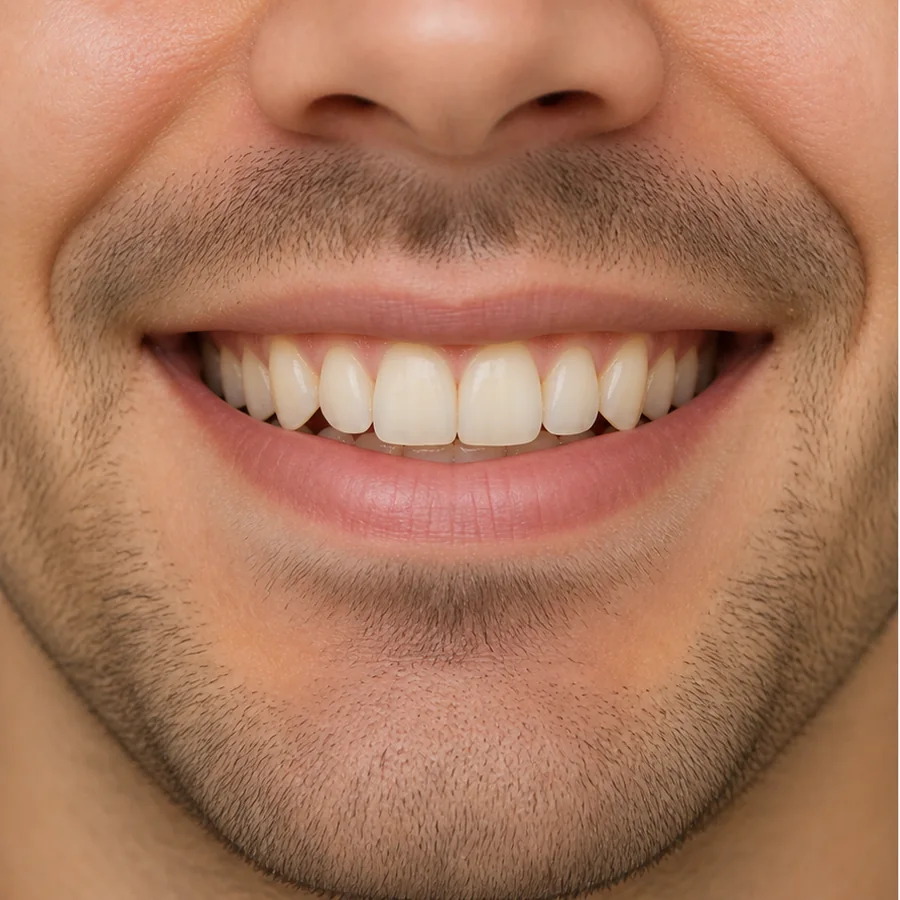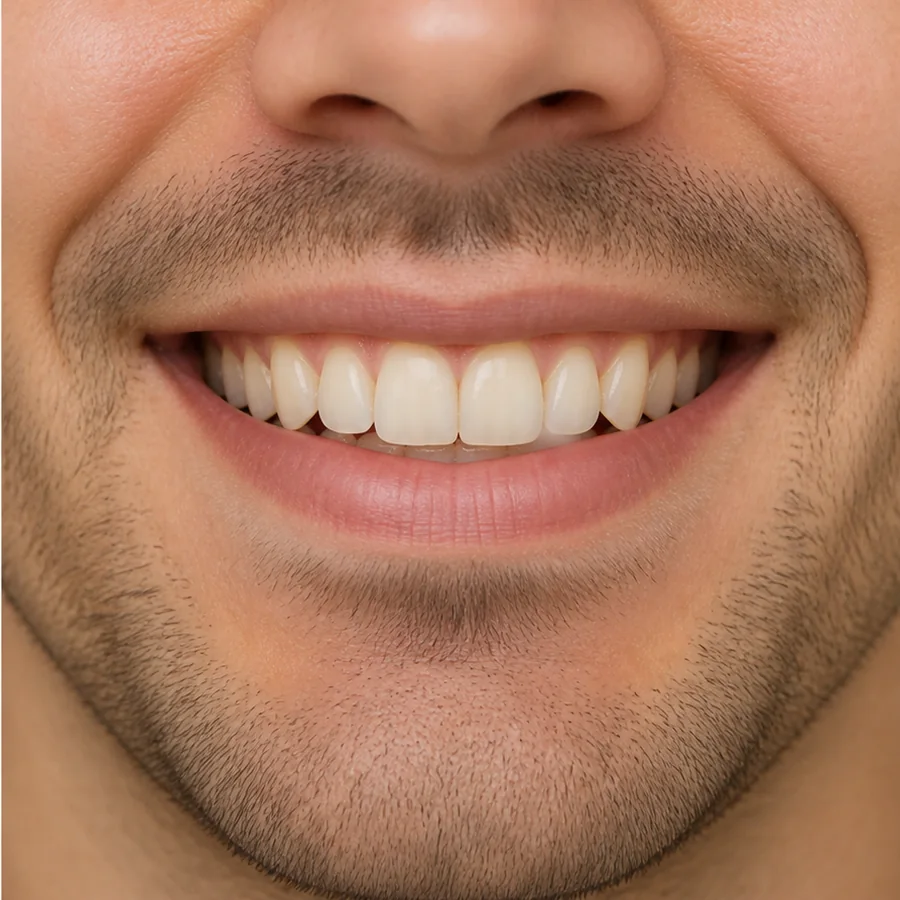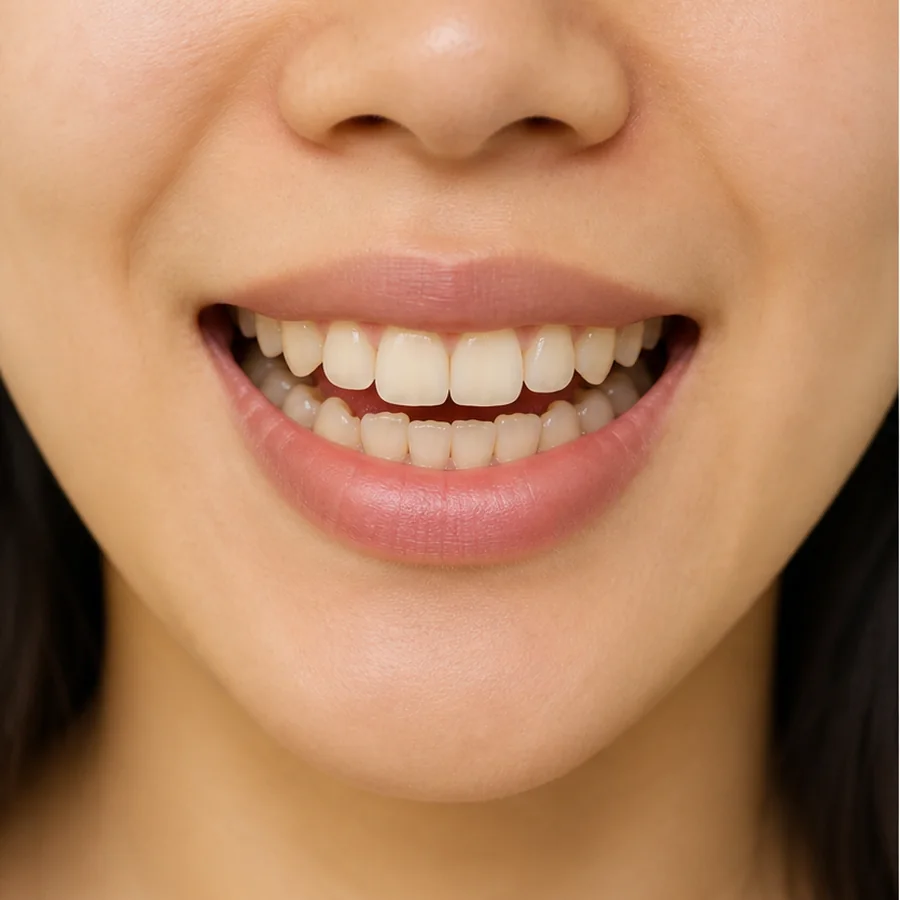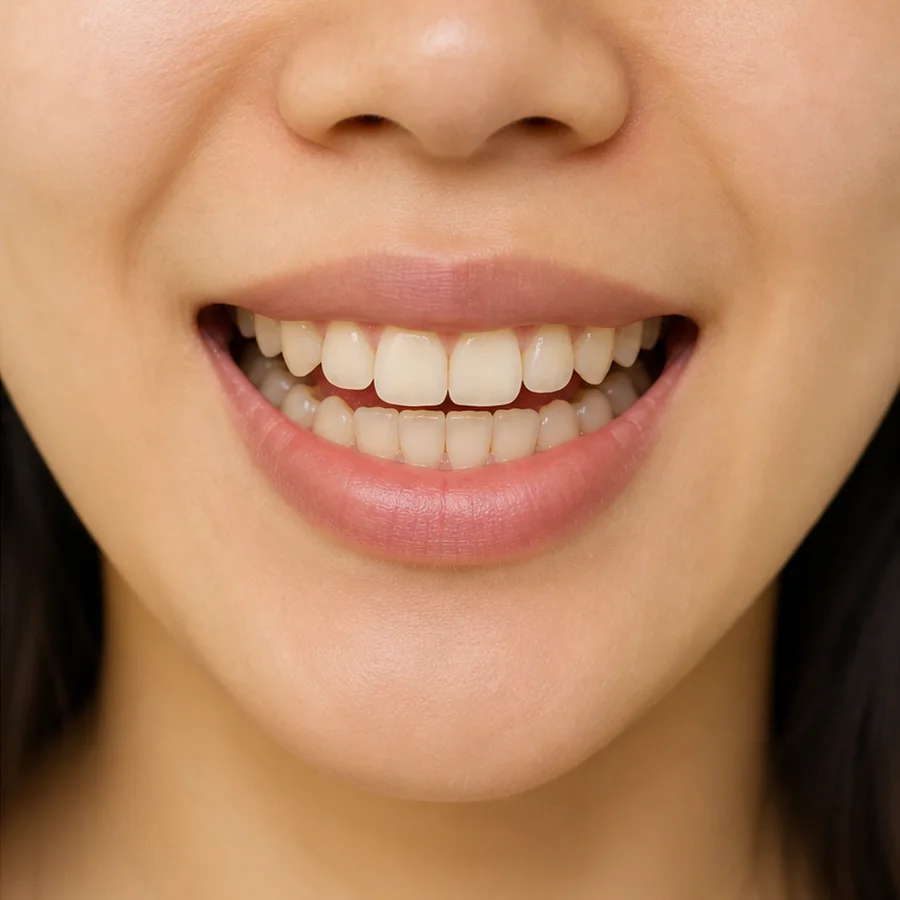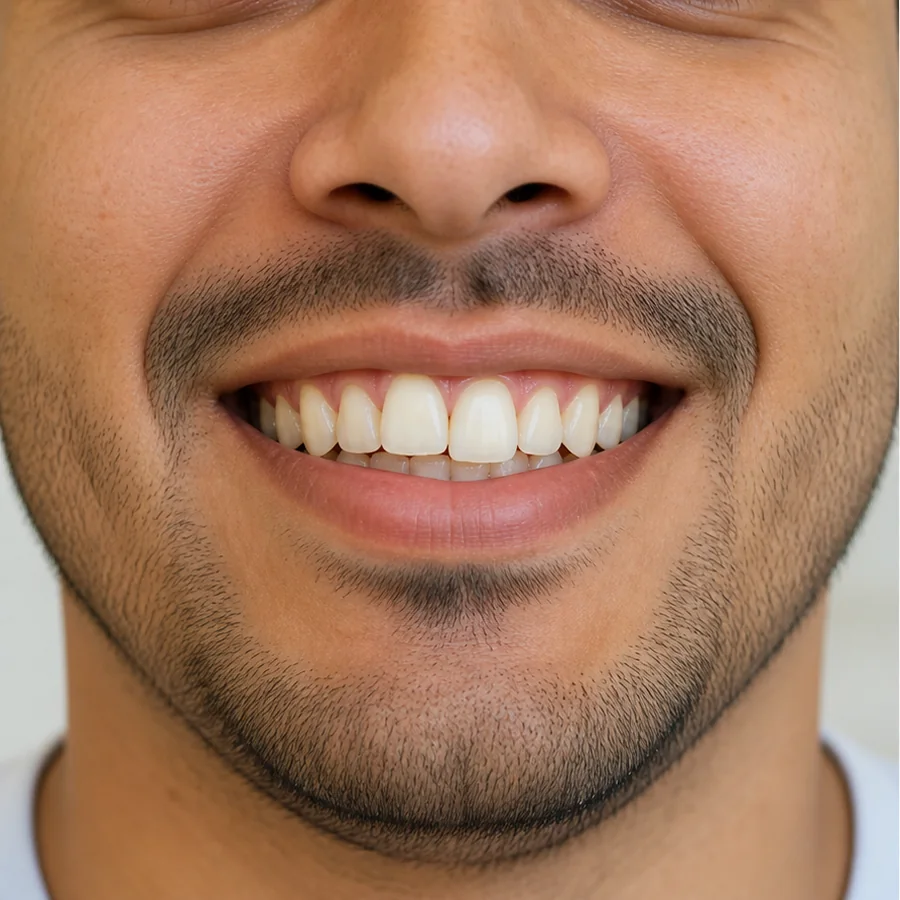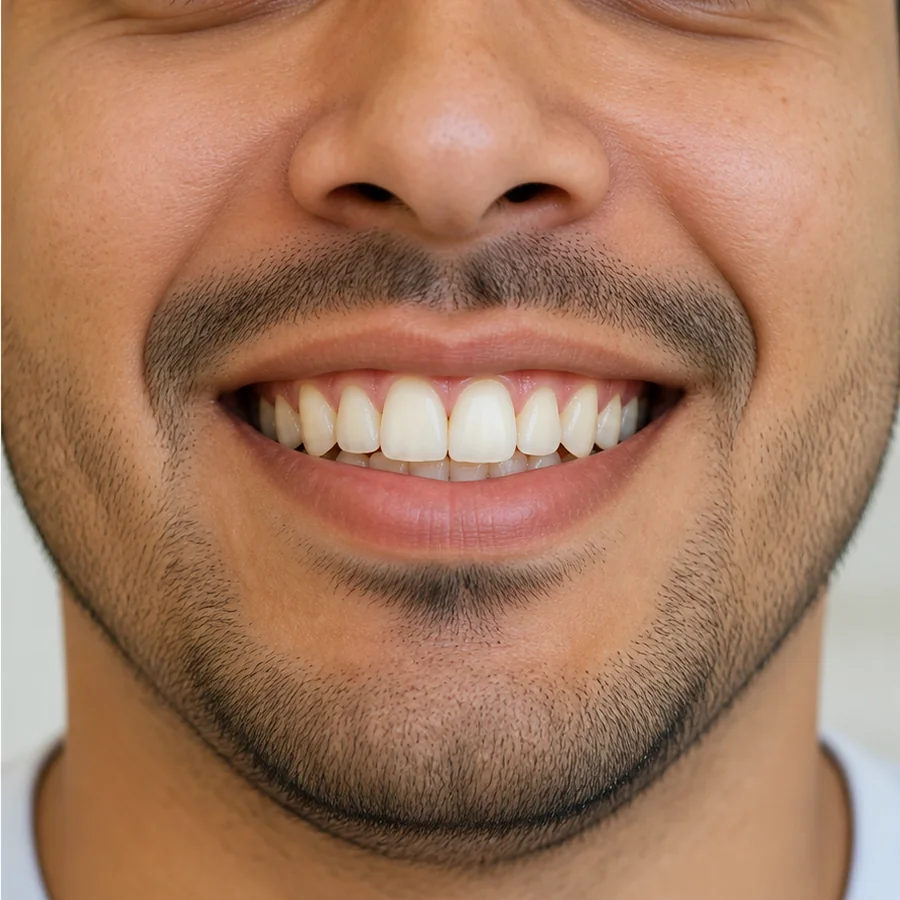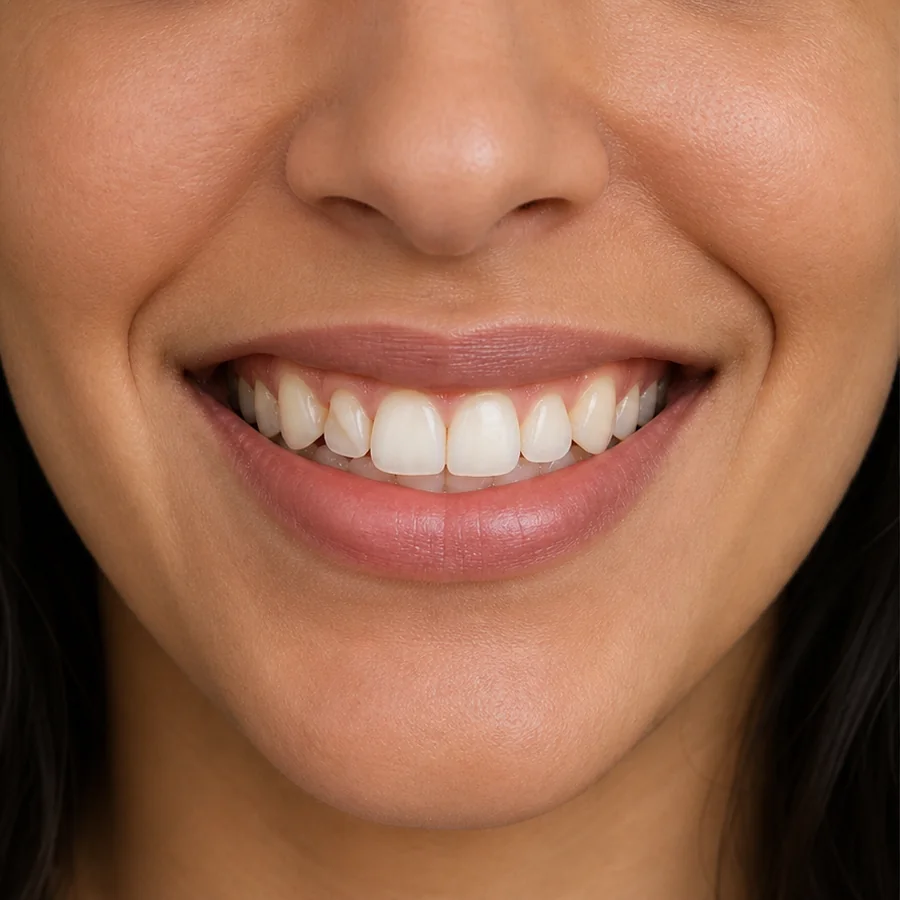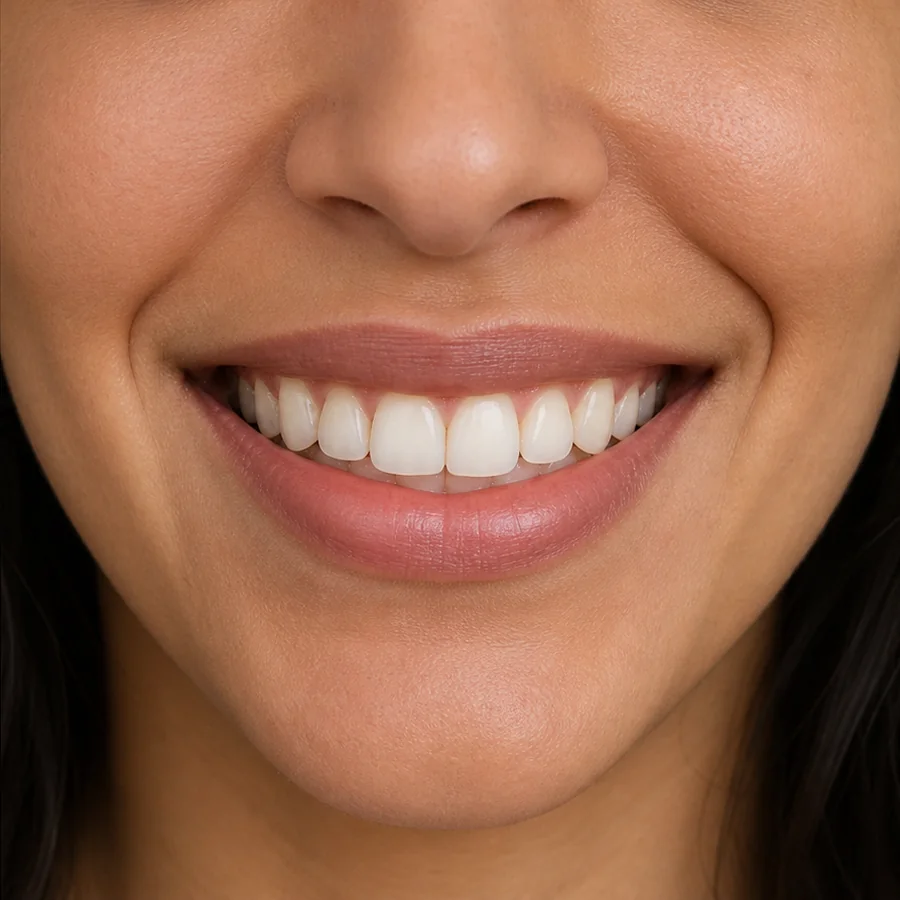
The short answer on single-arch aligners
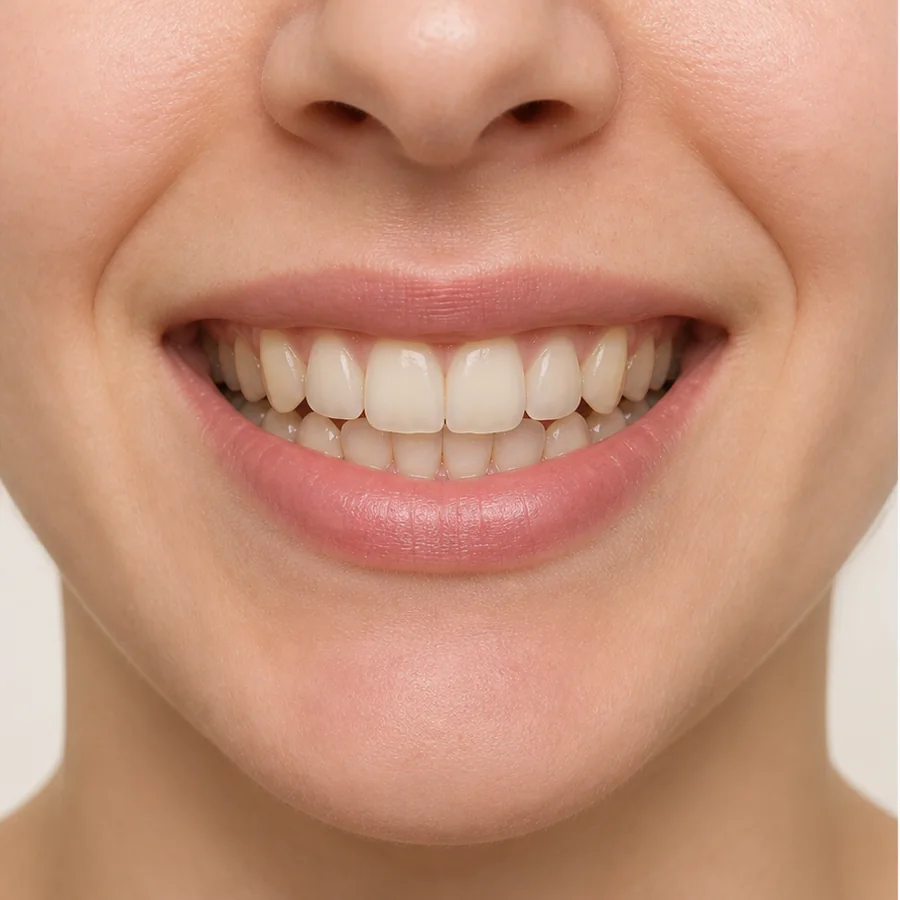
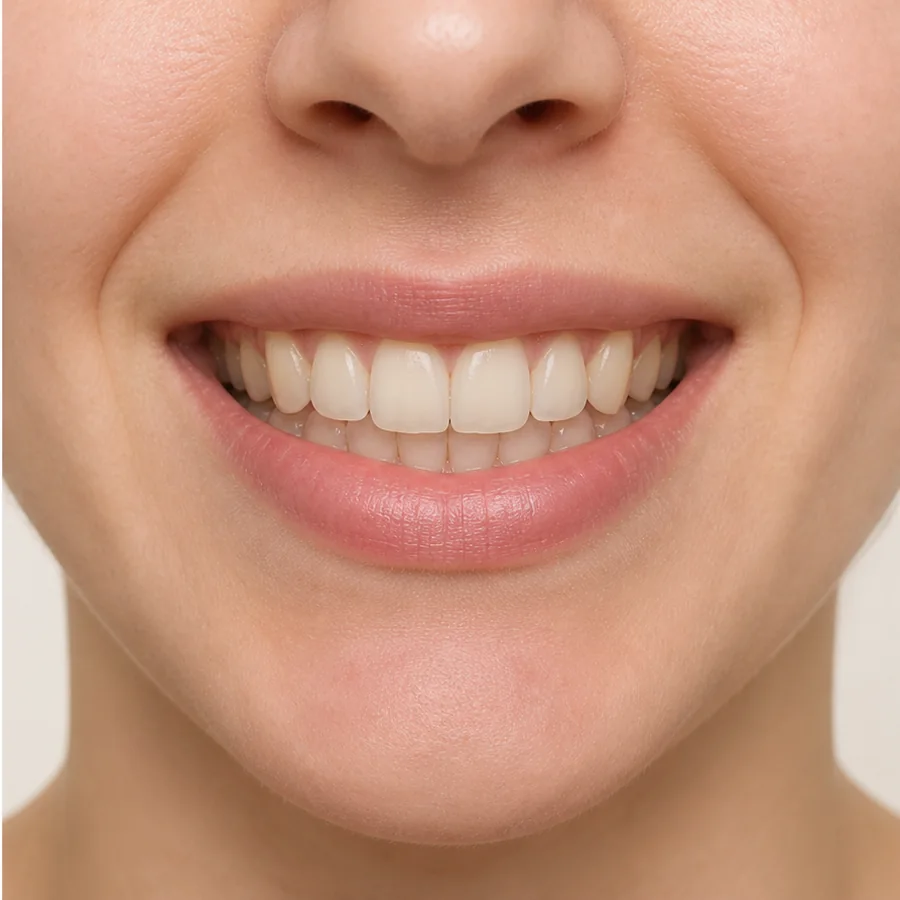
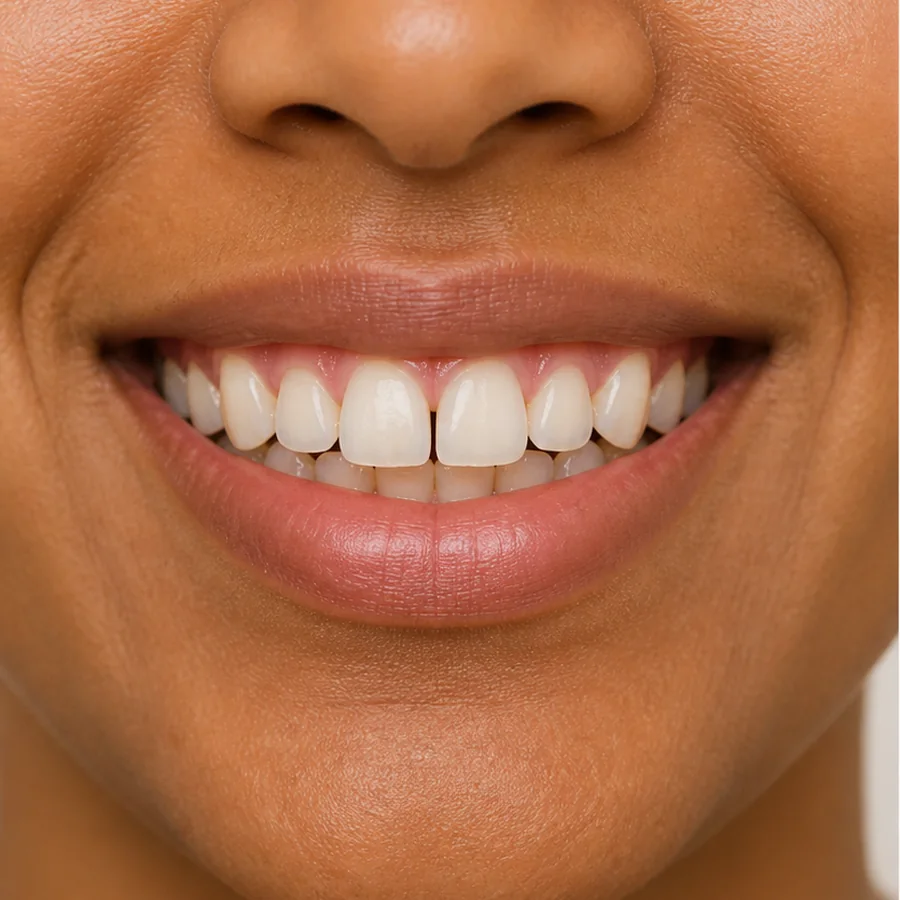
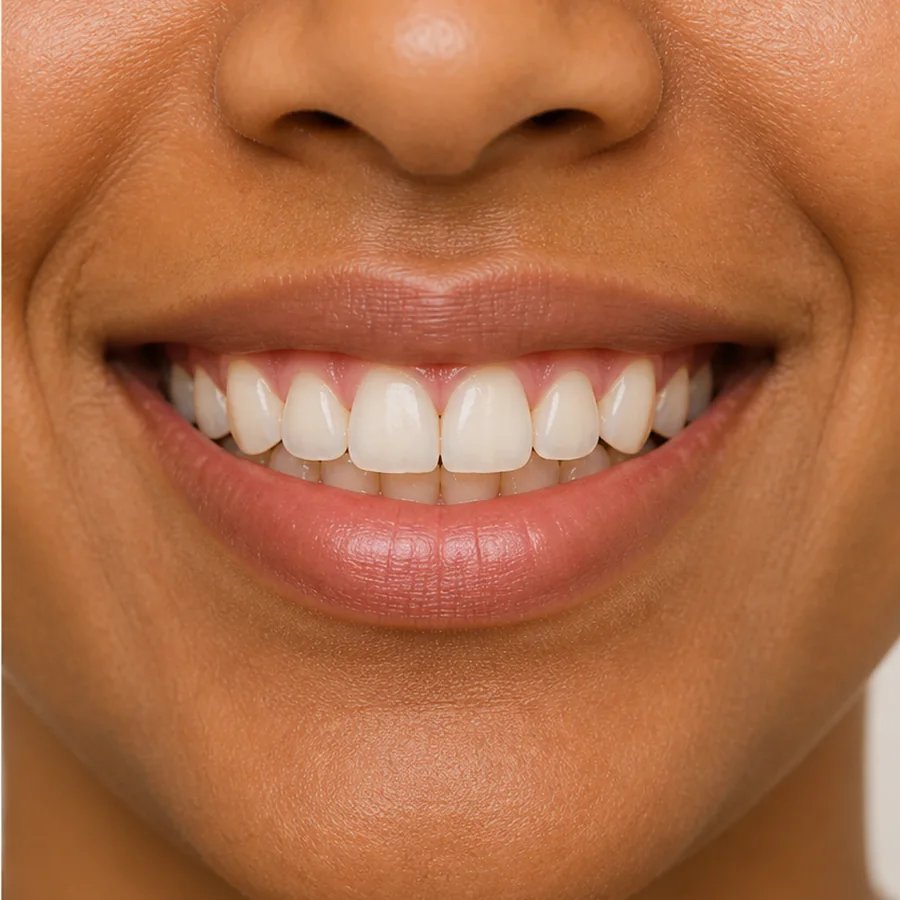
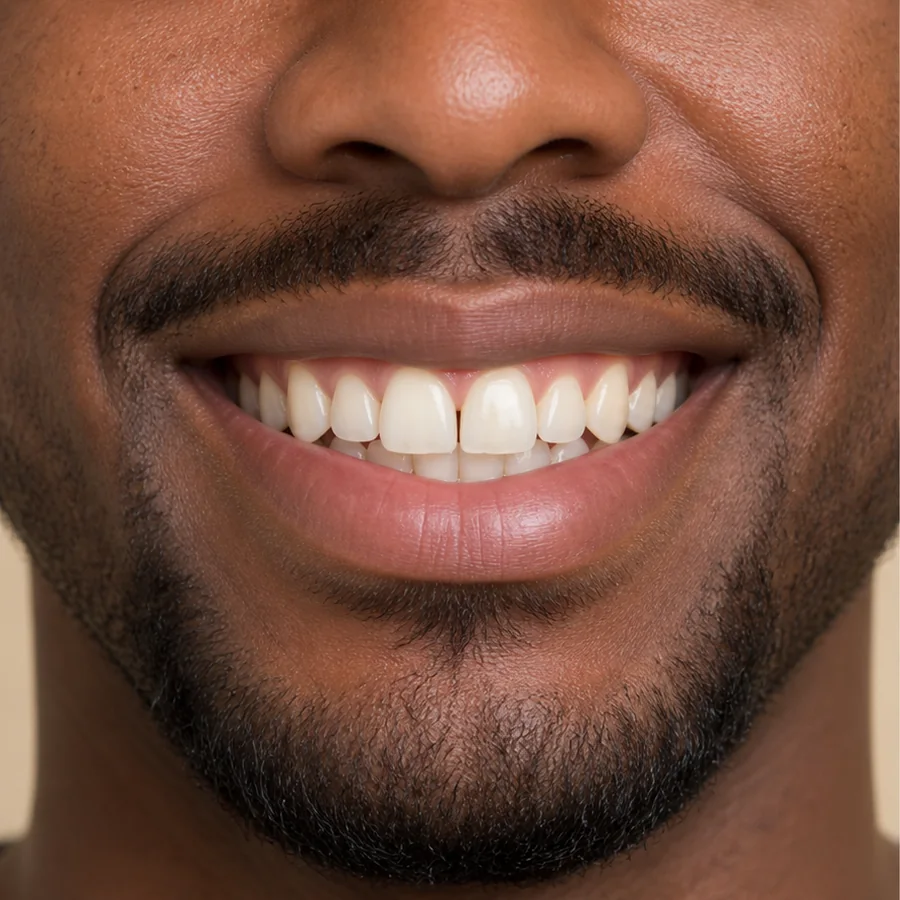
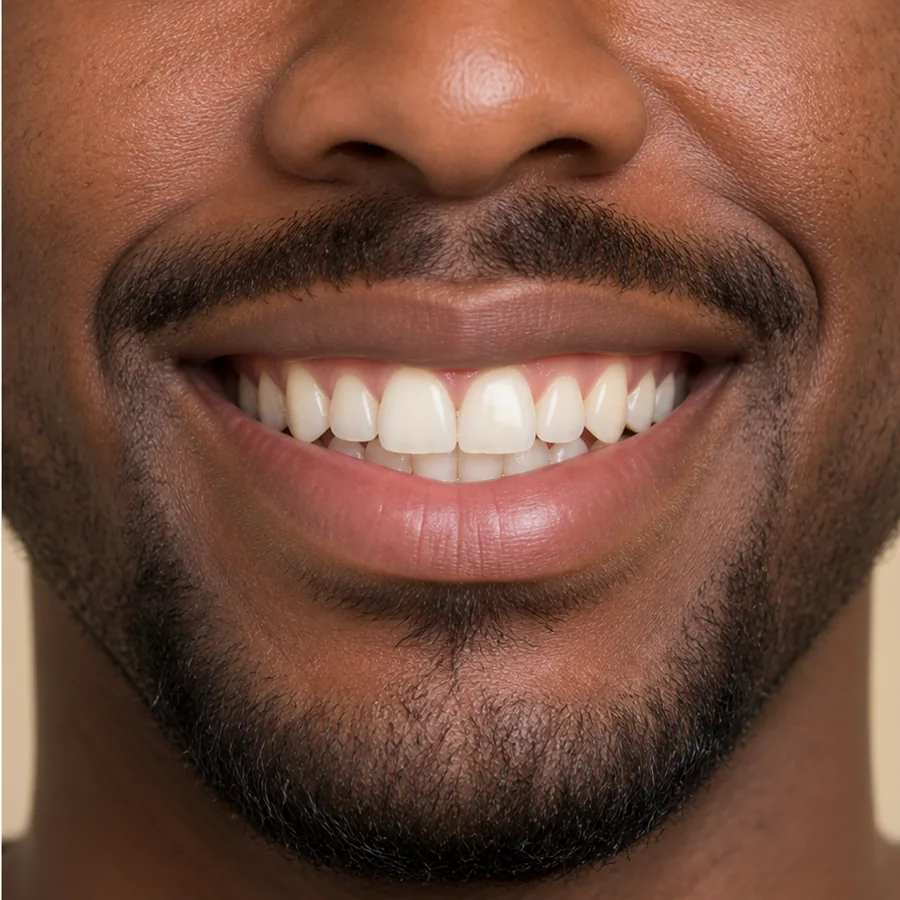
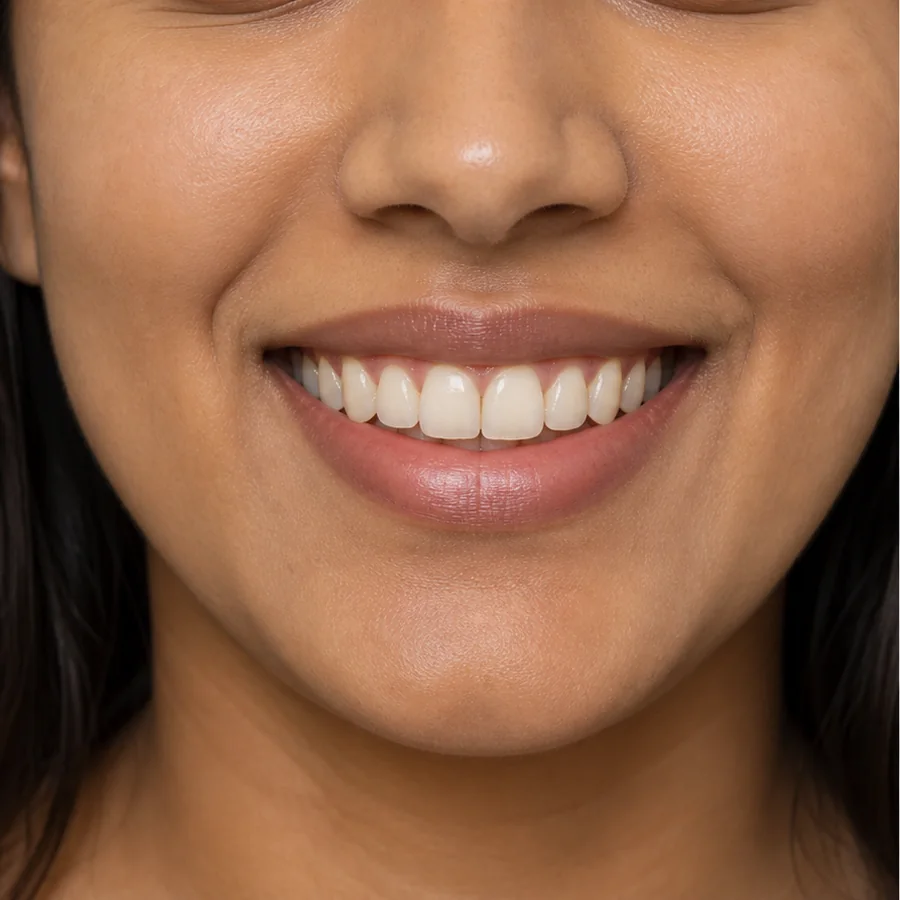
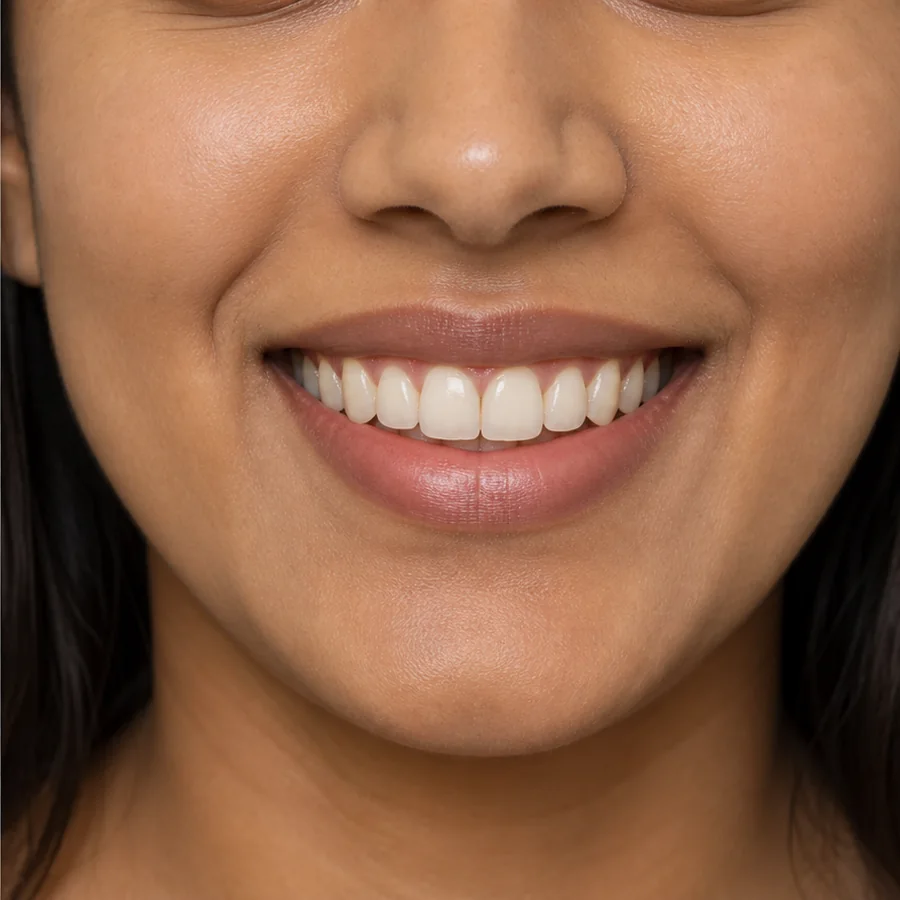
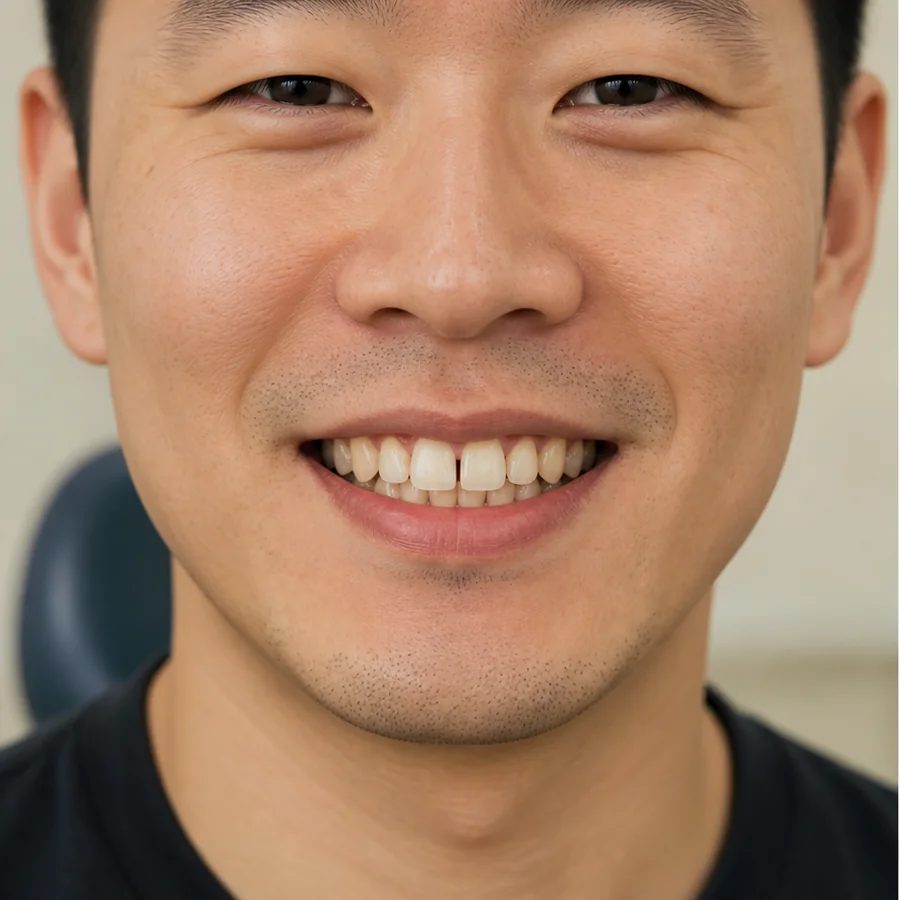
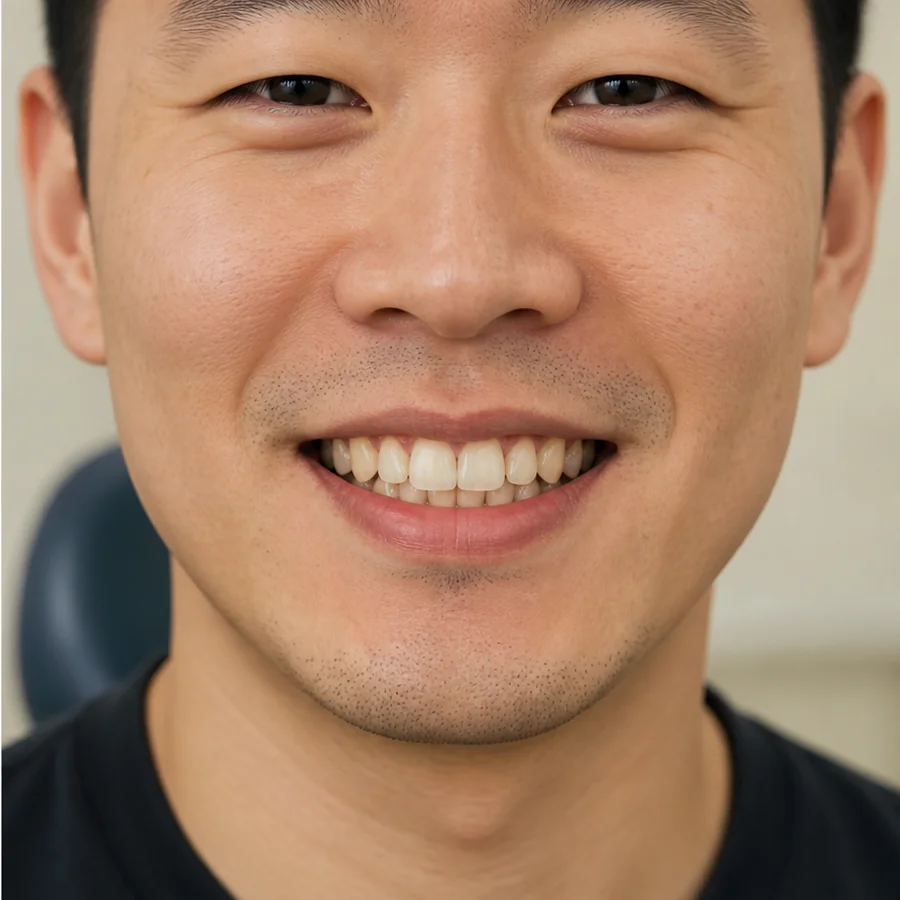
Single-arch treatment means active aligners are planned for one dental arch while the opposing arch is not intentionally moved. It may be considered when the concern is small, the untreated arch is stable, the bite is already acceptable, and the planned movement is unlikely to create interference.
It is not automatically the right choice simply because only the top front teeth look crooked in a photograph. A dental professional needs records of both arches and how they meet. Start with the Hello My Teeth candidacy assessment, then provide the requested records for review.
Why both arches must be evaluated
Your bite is the set of contacts between upper and lower teeth. Moving a top tooth changes where it meets the tooth below it. A movement that looks small from the front can alter overbite, overjet, guidance, or posterior contacts.
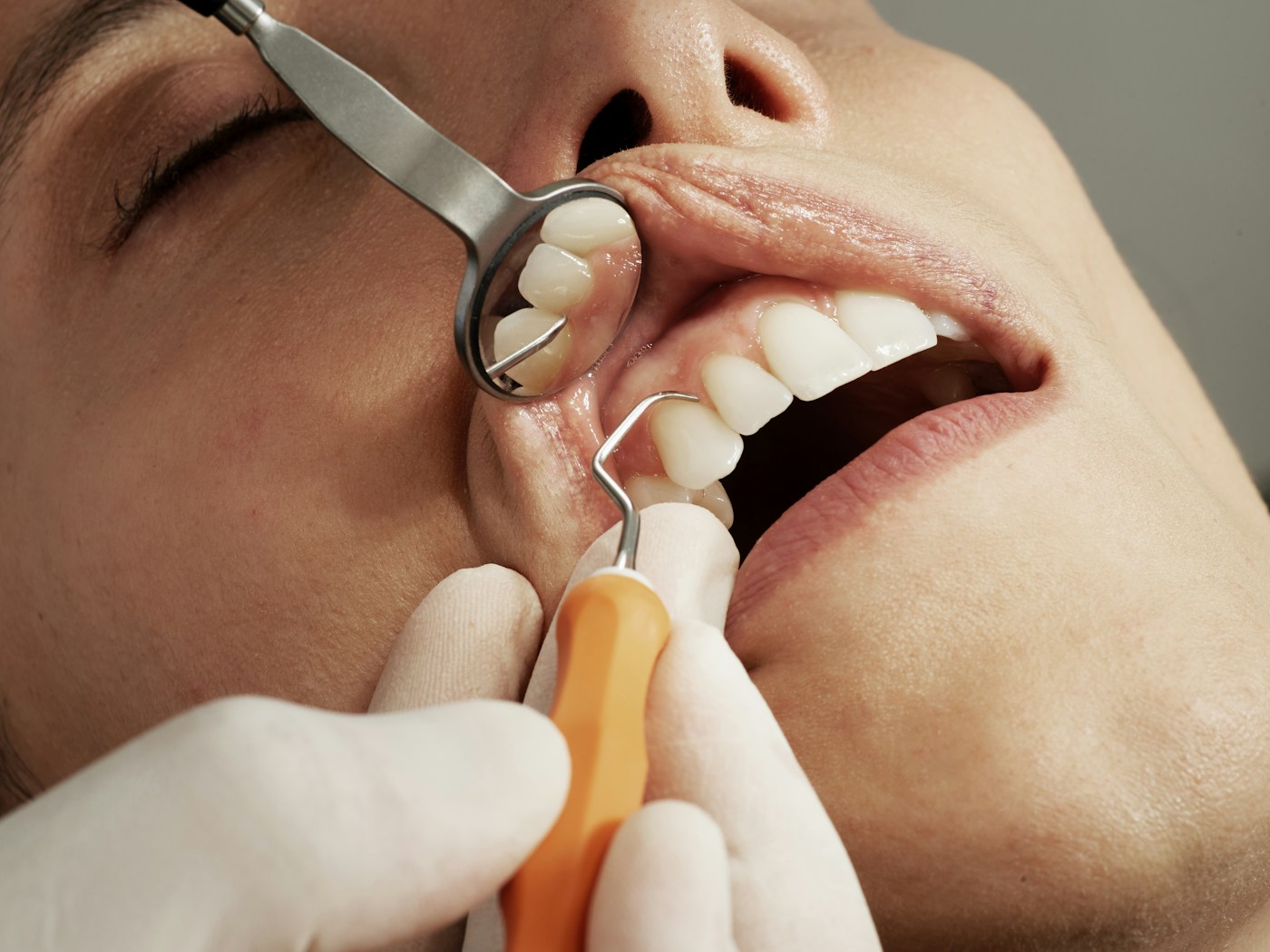
Clinical studies of clear aligner treatment measure these contacts because a straight-looking smile is not the only treatment goal. The evidence also shows that contact patterns can change during and immediately after orthodontic treatment. That is why a proposed single-arch plan should be assessed as a full-mouth bite plan, not a cosmetic edit.
When top-only or bottom-only treatment may be considered
A clinician may consider single-arch treatment when all of the following are true:
- The alignment concern is limited and the required movement is predictable.
- The opposing arch is stable and does not need correction.
- The current bite leaves room for the planned movement.
- There is no active decay, uncontrolled gum disease, or unresolved pain.
- The desired result can be achieved without moving teeth beyond healthy biological limits.
Even then, the reviewing clinician may recommend aligners or passive retainers for the other arch to manage the bite and maintain fit. The recommendation should be based on records, not a generic package.
When treating both arches is usually safer
Both arches are more likely to need treatment when crowding exists above and below, the dental midlines do not coordinate, the front teeth overlap too much or too little, or the bite already feels uneven. Crossbites, open bites, significant rotations, missing teeth, and complex restorative work also require a more complete assessment.
Hello My Teeth is designed for approved minor-to-moderate cases. Review the examples and limitations on Treatable Cases. If records show that the remote model is not appropriate, an in-person dentist or orthodontist is the safer route.
Top teeth only versus bottom teeth only
Top-front alignment is often the visible concern in a smile, while lower-front crowding can feel less noticeable. Neither is automatically simpler. Lower incisors may have limited space and thin supporting tissues; upper movements can affect overjet and how the front teeth guide the jaw.
Restorations also matter. Crowns, bridges, implants, missing teeth, and worn edges can change what is feasible. Include this history in your assessment and continue routine dental care during treatment.
Does single-arch treatment cost less?
Sometimes, but not necessarily by half. The provider still performs diagnosis, digital planning, manufacturing setup, supervision, and monitoring. The price should reflect the actual scope and what happens if the bite needs additional correction.
Use the 2026 clear aligner cost guide to compare total inclusions. Ask whether the quote covers records, refinements, retainers, and care for the untreated arch.
Questions to ask before accepting a one-arch plan
- What records show that the untreated arch can stay where it is?
- How will the plan change my overbite, overjet, and back-tooth contacts?
- Will the other arch receive a passive tray or retainer?
- What result is realistic, and what will remain unchanged?
- What happens if the teeth track but the bite feels worse?
- Which signs require an in-person examination?
A clear answer to those questions is more valuable than a promise to straighten only the teeth visible in a selfie.
Frequently asked questions
Can I straighten only my two front teeth?
Possibly, but the movement must be planned in relation to neighboring teeth, roots, gums, available space, and the opposing bite. A photograph cannot answer this safely.
Can I wear an aligner on top and a retainer on the bottom?
A clinician may prescribe an active tray for one arch and retention for the other in selected cases. Do not create this combination yourself; both appliances must be planned together.
Will top-only aligners change my bite?
They can. Any tooth movement can change where upper and lower teeth contact, which is why both arches must be examined and monitored.
Are single-arch aligners faster?
A limited movement may require fewer stages, but speed depends on the exact plan, biology, wear, and tracking. Fewer trays should not be promised before records are reviewed.
Sources and review notes
This article was prepared by the Hello My Teeth Editorial Team using the sources below. It is general education, not an individualized diagnosis, treatment plan, insurance determination, or tax opinion.
- American Association of Orthodontists: Clear Aligners
- American Association of Orthodontists: At-Home Orthodontics
- PubMed: Occlusal Contact Changes with Clear Aligners
- PubMed: Occlusal Contacts after Aligner and Fixed Treatment
Want a plan built for your smile?
Take the candidacy check, then provide the records requested for a licensed professional to determine whether a Hello My Teeth plan fits your case.