Create a complete restoration map first
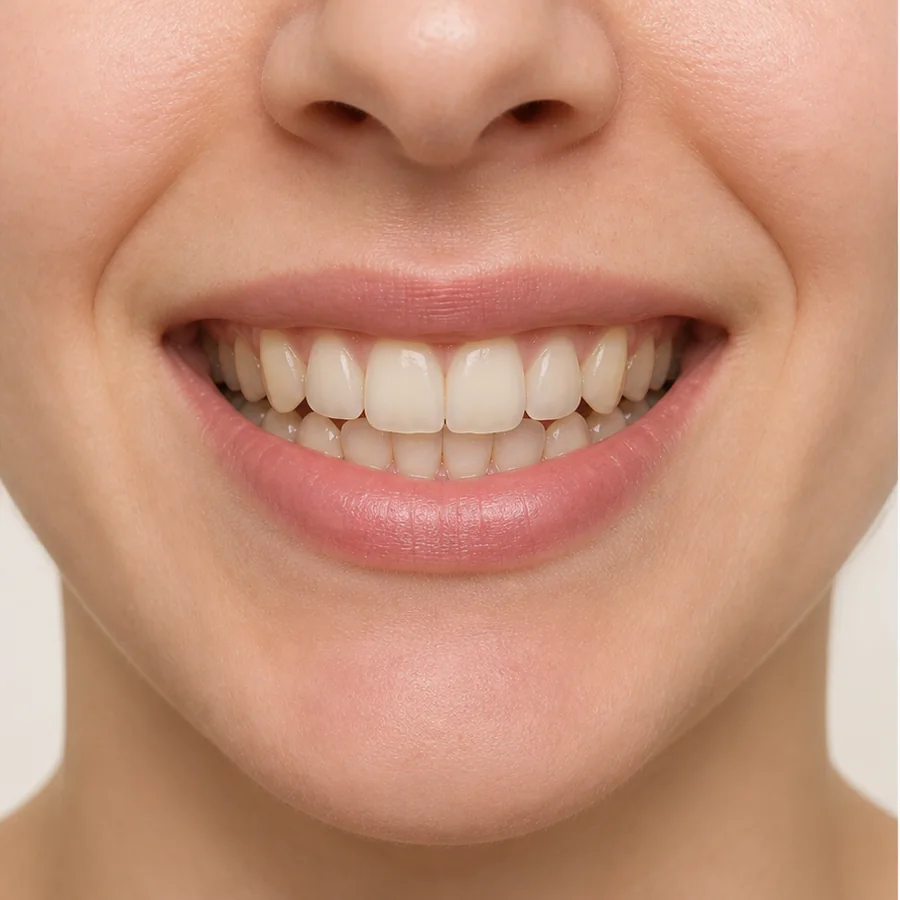
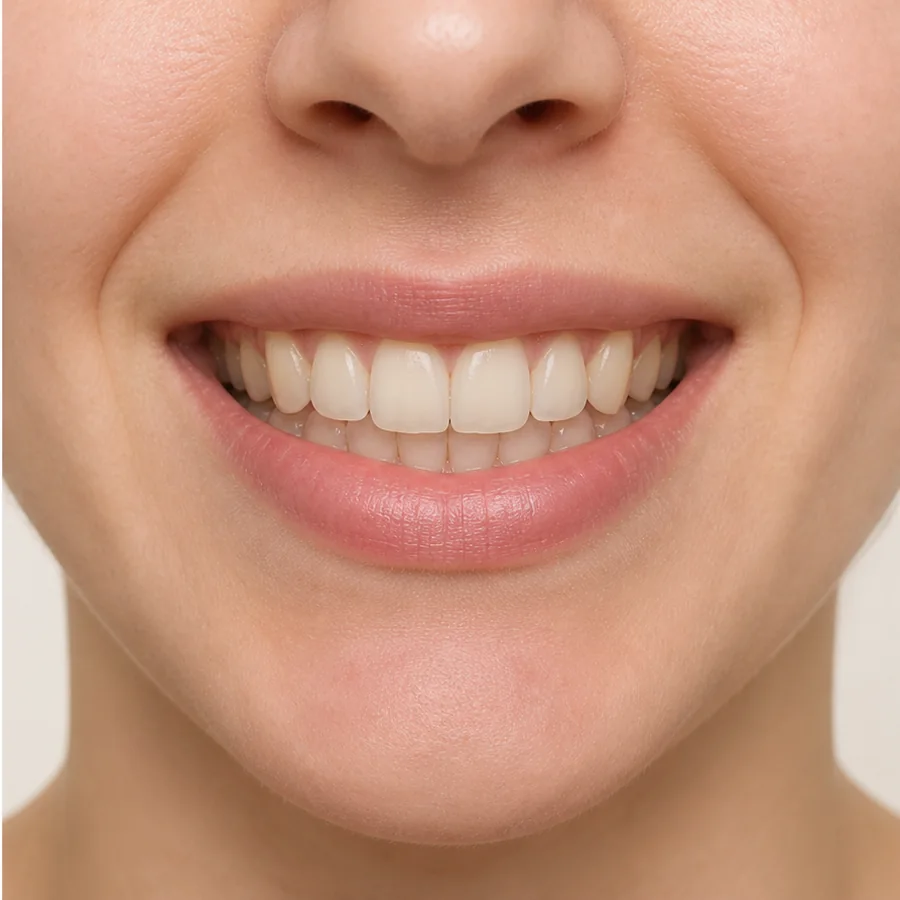
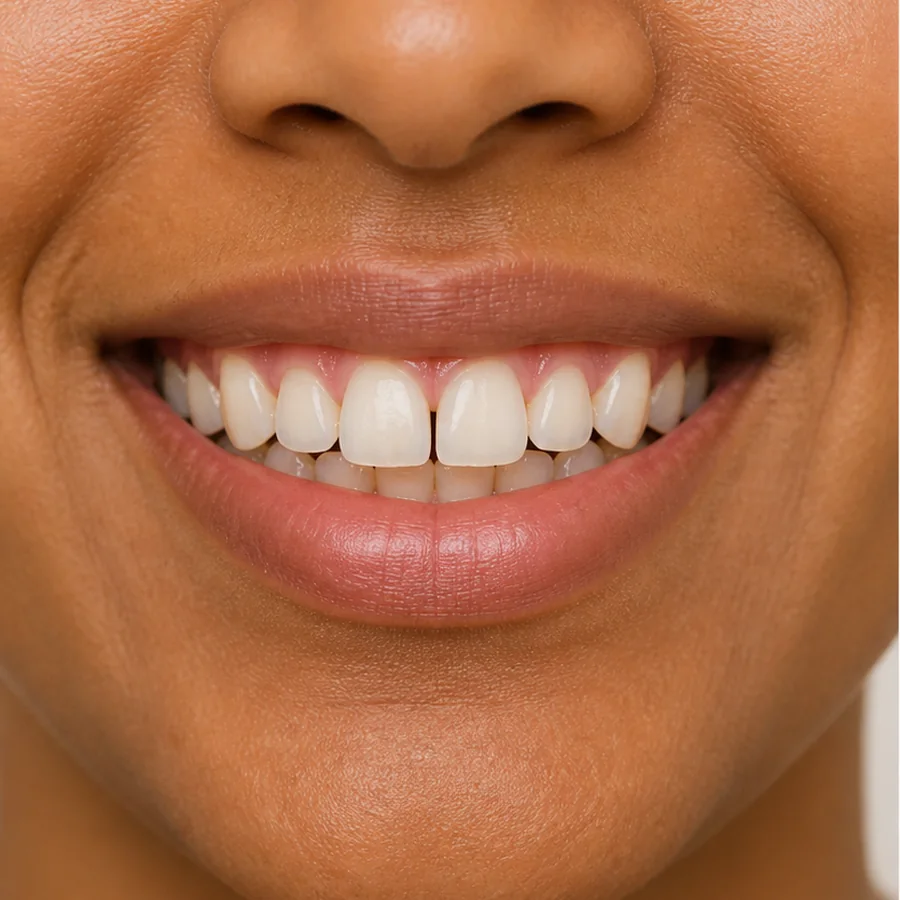
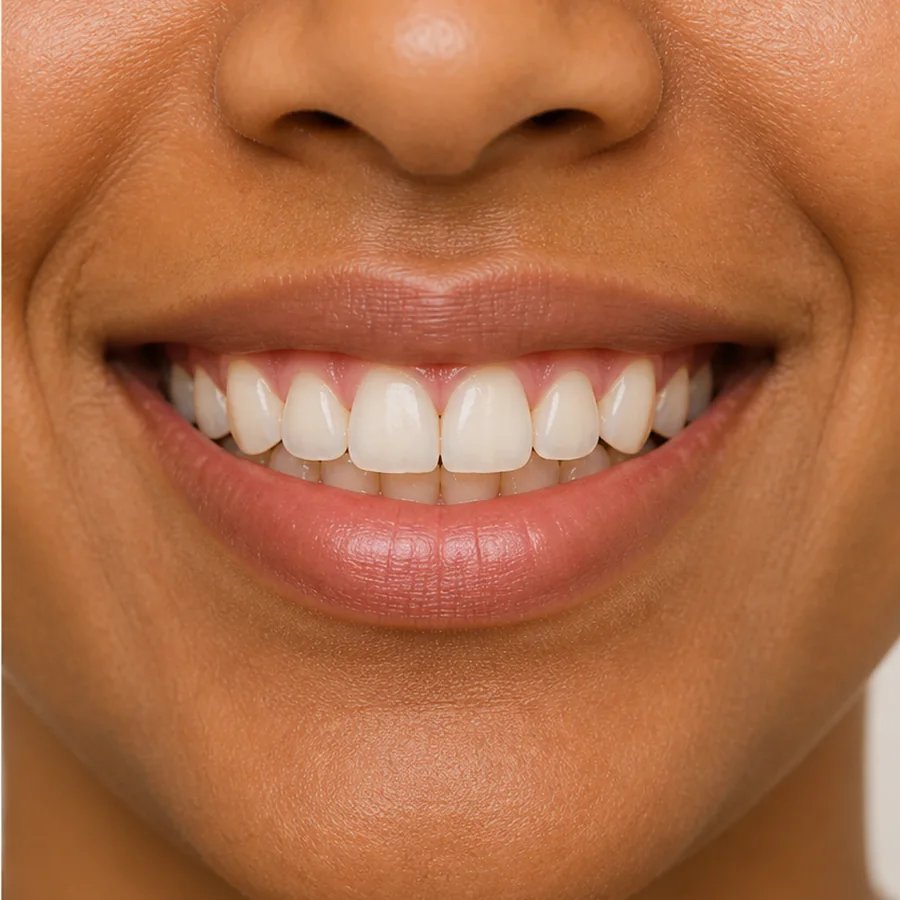
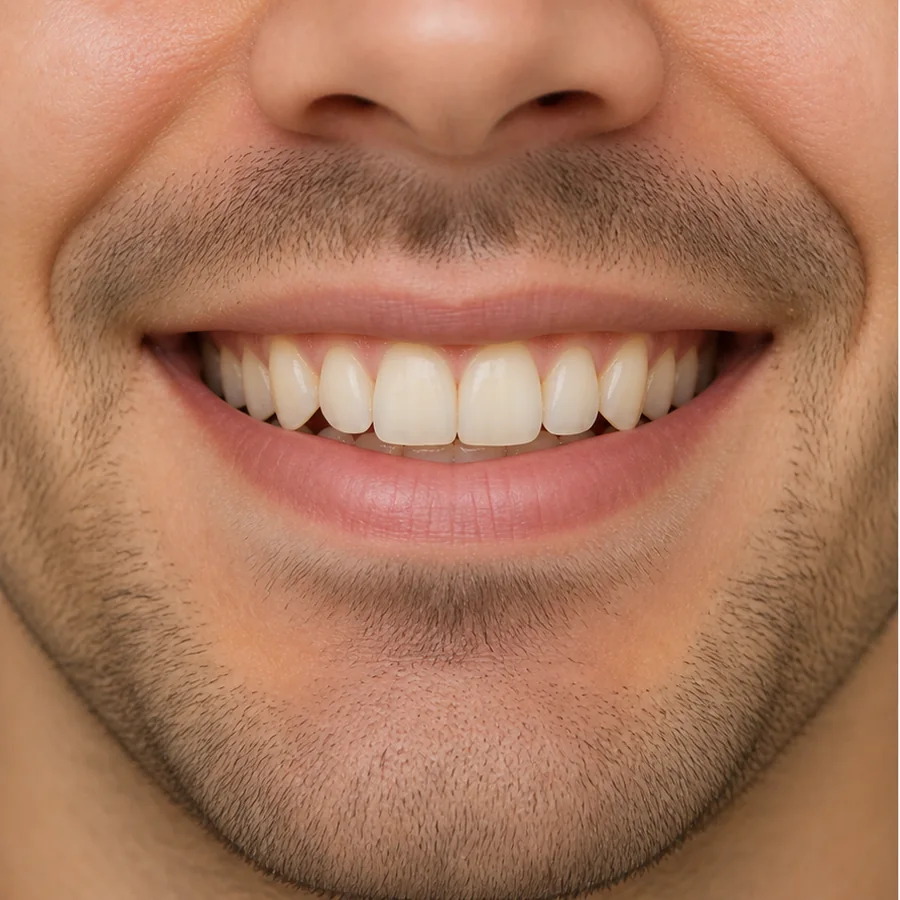
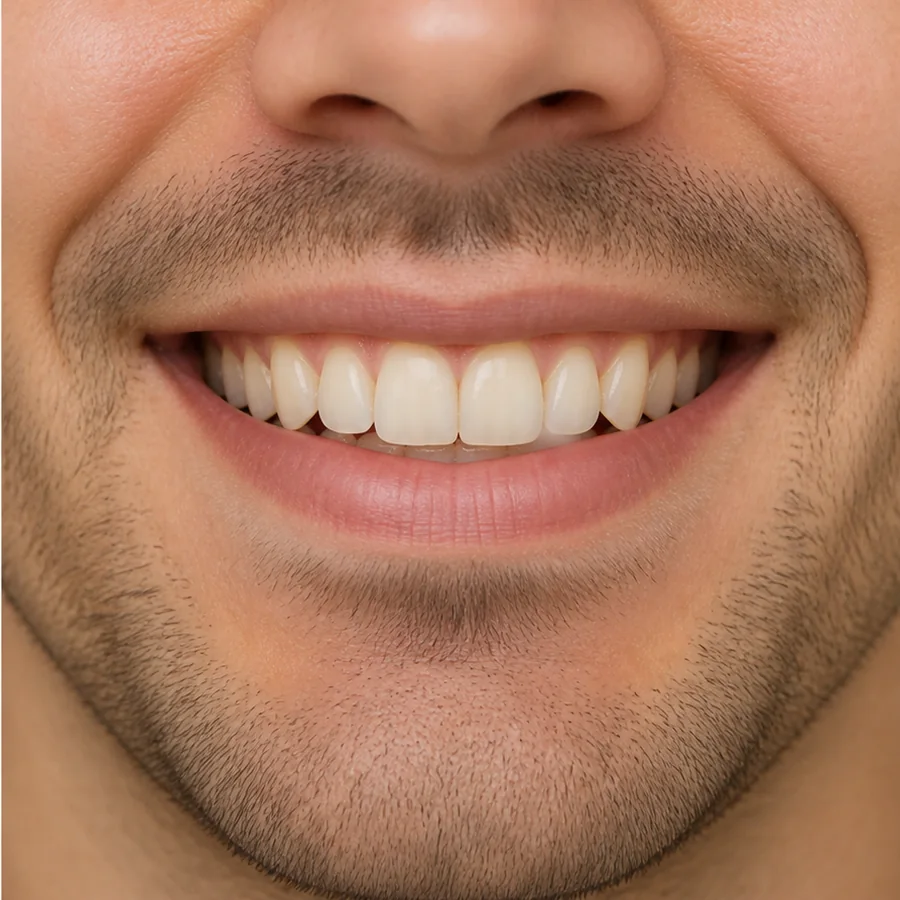
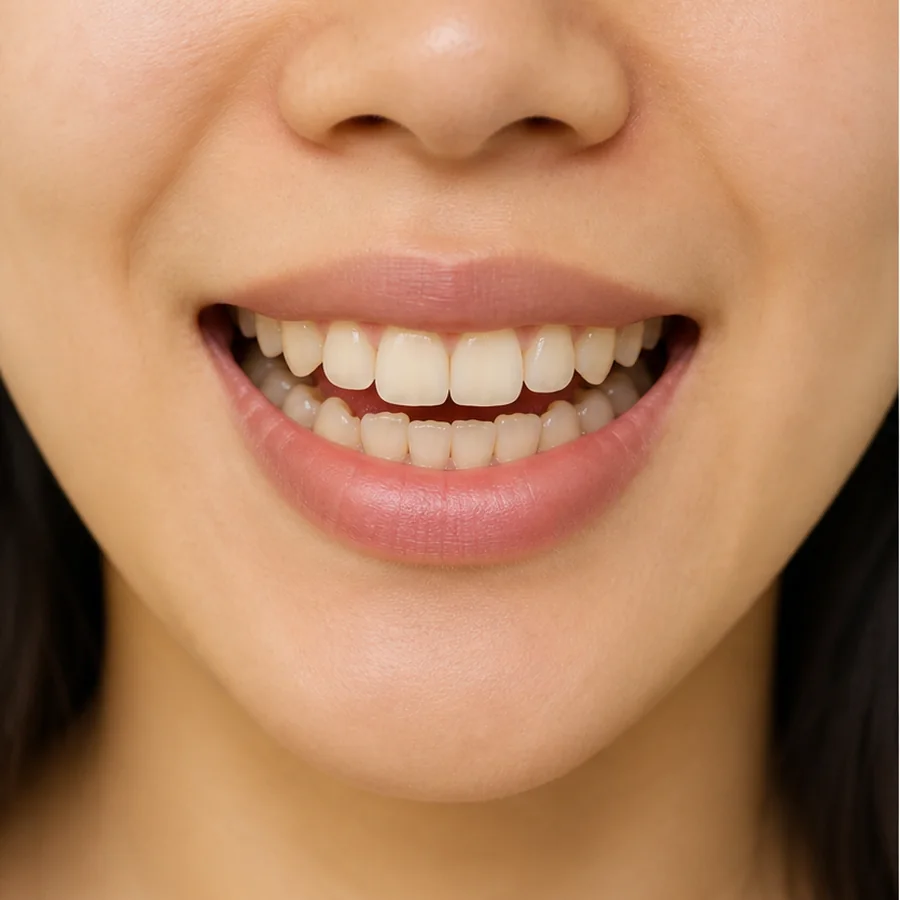
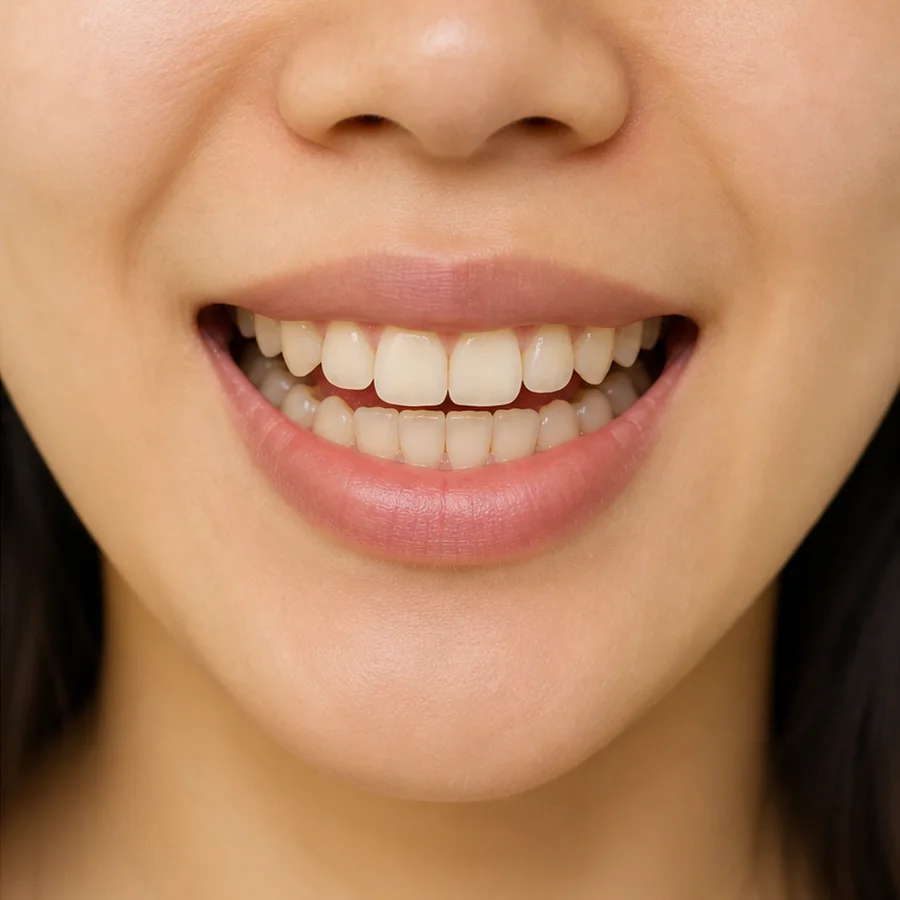
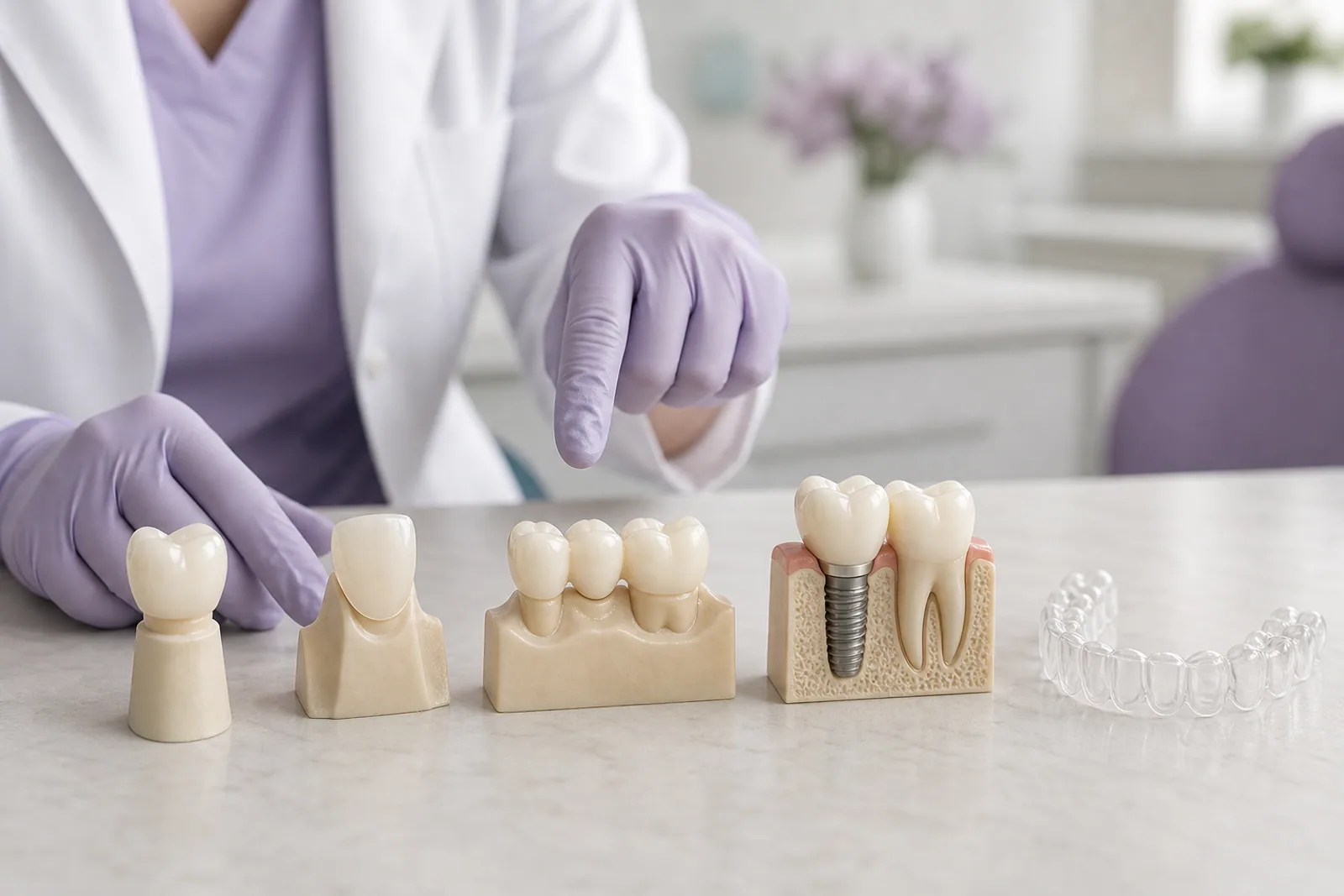
List every crown, veneer, implant, bridge, filling, bonded edge, root canal, missing tooth, and removable appliance you know about. Include approximate dates and symptoms. Photographs alone may not distinguish enamel from tooth-colored material.
A clinician may request an examination and radiographs to evaluate roots, bone, margins, decay, or implant position. Planning is safer when restorative records and orthodontic goals are coordinated before trays are manufactured.
How crowns and veneers affect movement
A crowned natural tooth can sometimes be moved because its root and periodontal ligament remain. The restoration’s condition, root health, and margin still matter. Veneers and bonding may change surface shape and make attachment bonding or removal more complex.
Ask whether an attachment is planned on restored material and how it will be bonded and removed. A cracked, loose, decayed, or poorly fitting restoration should be addressed first.
Why dental implants do not move like teeth
A dental implant is integrated with bone and lacks the periodontal ligament that allows a natural tooth to move. It may serve as a fixed reference, but it cannot simply follow an aligner stage.
Implant position can limit space closure and bite changes. If an implant is planned but not yet placed, the orthodontic and restorative teams may create or preserve precise space first.
Bridges and missing-tooth spaces
A fixed bridge joins teeth or implants, which can restrict independent movement. Its design may need modification before treatment, or the plan may work around it. A missing space may be closed, opened, maintained, or prepared for future restoration.
For appearance, a tooth-colored placeholder may sometimes be placed in an aligner. It is cosmetic and does not replace a functional tooth. Read the missing-teeth guide.
Sequence new dental work carefully
Final veneers, crowns, bridges, or implants are often best planned after positions are stable, but urgent health needs come first. Temporary restorations may be used. A new restoration can make existing trays stop fitting.
Before dental work, share the current stage and planned positions. Afterward, the aligner team may need a new scan, modified tray, or refinement. Do not force a tray over a new crown.
Questions for both providers
Which restored teeth are expected to move? Which units are fixed? Are attachments planned on restorative material? Does anything need repair first? How will implant space be measured? Who approves final timing? What happens if a restoration debonds?
A safe answer may require an in-person consultation. The scan-versus-impression guide explains why surface records cannot diagnose everything below them.
Practical planning checklist
Create a complete restoration map before treatment: identify every crown, veneer, bridge, implant, large filling and root-canal-treated tooth. Note their age and any history of loosening or sensitivity. Digital scans show shape, but radiographs and clinical testing may reveal problems below the surface.
Attachments can sometimes bond to restorative materials, but preparation and removal techniques differ from natural enamel. The clinician must balance adequate grip with the risk of damaging porcelain or composite. A plan may use alternative attachment positions or accept a more limited movement.
Implants and bridge units do not move like natural teeth. They may serve as fixed boundaries while neighboring teeth are aligned, but forces and space must be planned around them. If a new restoration is anticipated, orthodontic and restorative clinicians should agree on final root position, space and bite before fabrication.
At the end, old trays are not a substitute for definitive retention. The final retainer must fit the completed restorative shapes. If a veneer or crown is replaced later, notify the provider because even a small contour change can make the retainer rock, bind or stop seating.
Coordinate the final smile before movement begins
Clarify whether any visible restoration will be replaced after alignment. Moving a natural tooth can expose a crown margin, change the space beside a veneer or alter how a bridge meets the opposing arch. If cosmetic work is planned, the restorative dentist should describe the desired space and proportions before the orthodontic setup is approved.
Ask who is responsible for temporary restorations, repairs during treatment and the final retainer scan. Keep copies of implant and restoration records where possible. At every dental visit, remind the provider that active orthodontic movement is underway before a filling or crown shape is changed. Coordination reduces the risk that a well-fitting tray becomes unusable or that the final restoration conflicts with the corrected bite.
Photographs are useful for cosmetic planning, but they cannot show whether a crowned tooth has recurrent decay, whether an implant is integrated or whether a root-canal-treated tooth has a new lesion. Appropriate examination and radiographs may be required before force is applied. Report biting pain, swelling, a bad taste or movement in a restoration promptly. Delaying care to avoid interrupting an aligner series can turn a manageable restorative issue into a larger problem and may compromise the supporting tooth.
Frequently asked questions
Can a crowned tooth move with aligners?
Sometimes, if it is a natural tooth with suitable root and supporting tissues.
Can aligners move a dental implant?
No. An osseointegrated implant does not move orthodontically like a natural tooth.
Can attachments be bonded to veneers?
Bonding and removal can be more complex and require an appropriate professional method.
Should old crowns be replaced first?
It depends on health, fit, and sequencing; coordinate both teams before final work.
Sources and review notes
This article was prepared by the Hello My Teeth Editorial Team from authoritative dental guidance and peer-reviewed research. It provides general education, not an individualized diagnosis or treatment plan.
- American Association of Orthodontists: Clear Aligners
- American Dental Association: Direct-to-Consumer Dental Services
- FDA 510(k): ClearCorrect System
- American Dental Association: Home Oral Care
Ready for a professionally reviewed plan?
Complete the candidacy check and provide the requested records so a licensed professional can determine whether a Hello My Teeth plan fits your case.