Which teenagers may qualify for clear aligners?
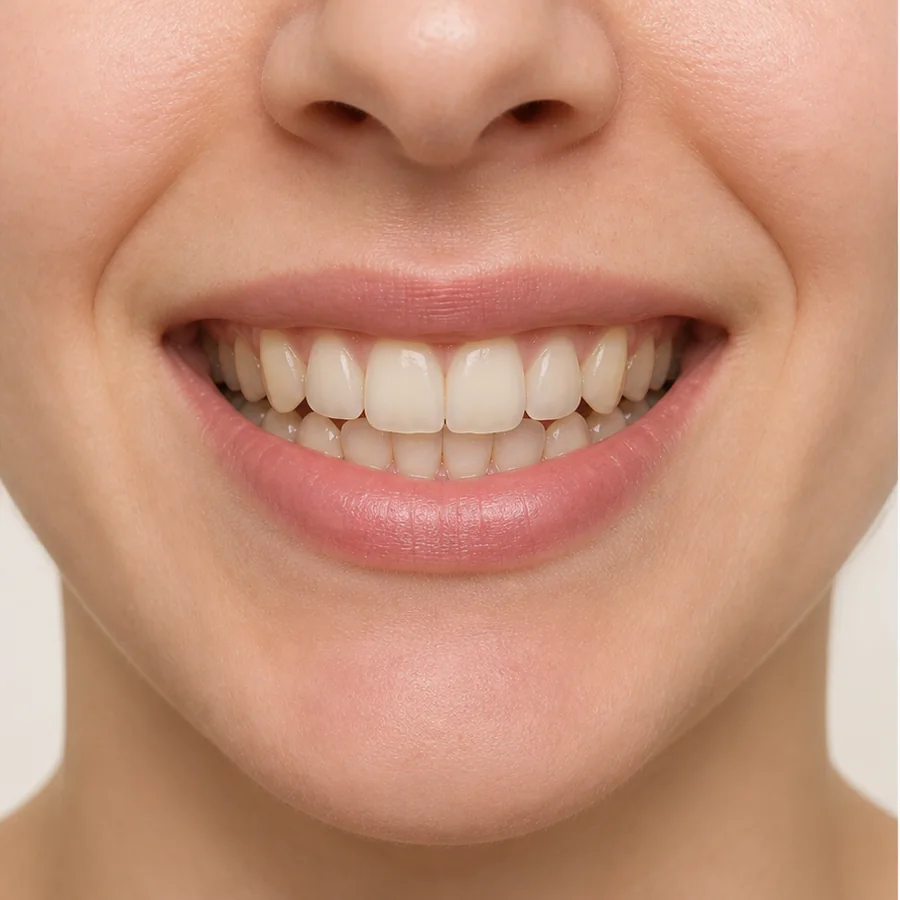
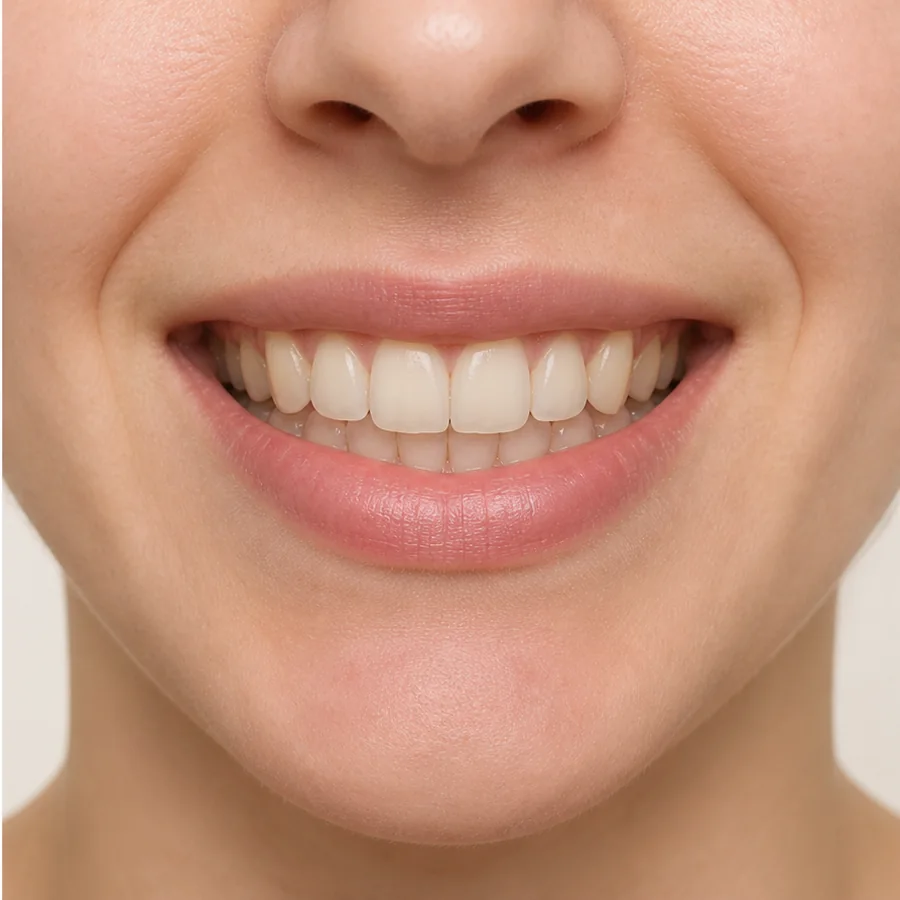
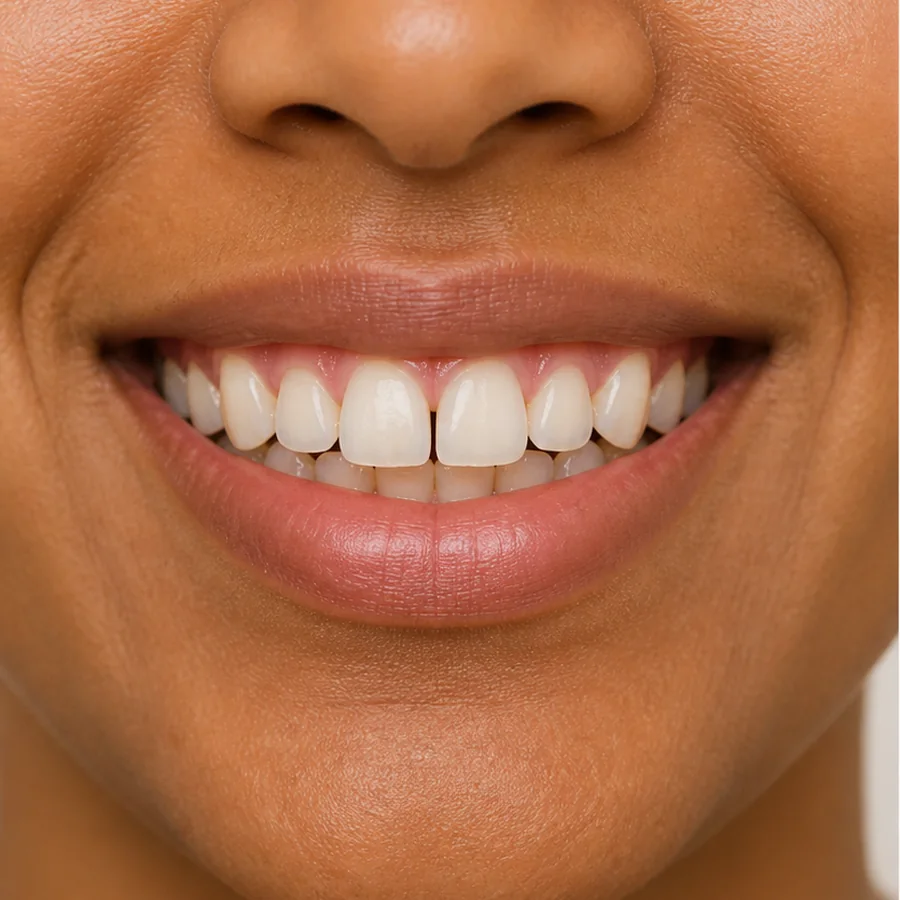
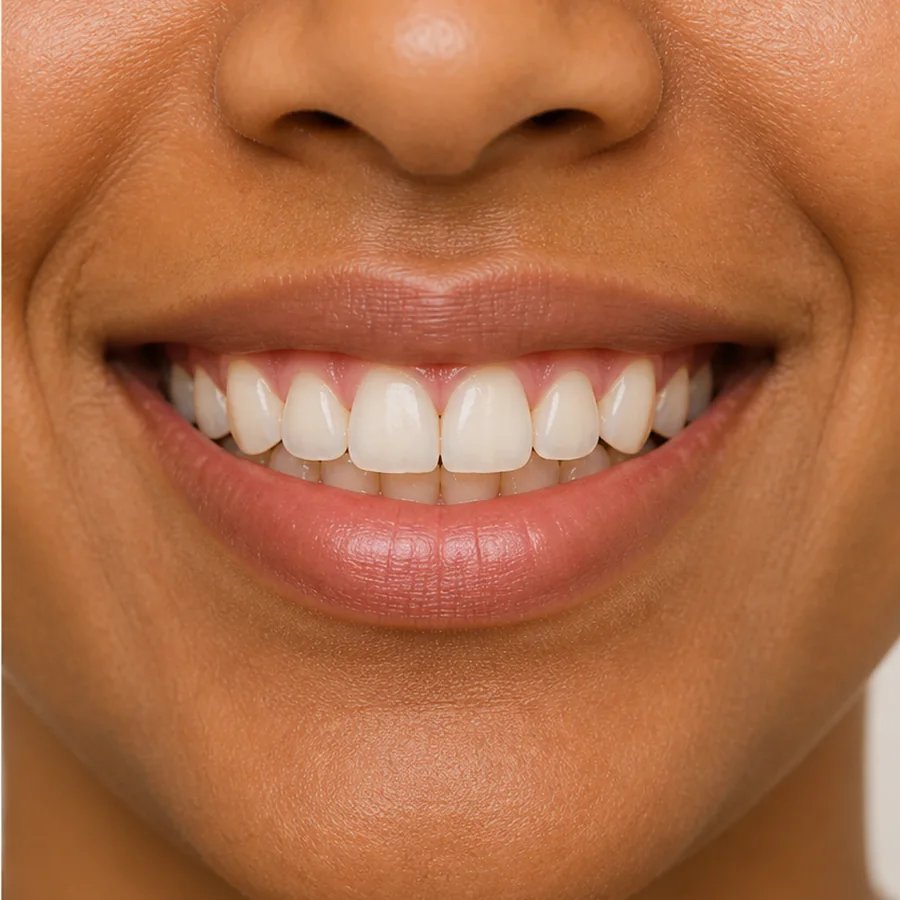
Teen aligner treatment is generally considered after enough permanent teeth have erupted for the planned movements to be designed and monitored. A clinician must also check whether roots and supporting tissues are ready, whether any teeth are impacted, and whether jaw growth changes the treatment choice. Two teens with similar-looking front teeth can need very different care.
Mild or moderate crowding, spacing, and selected tooth-position concerns may fit an aligner plan. Significant jaw discrepancies, complex bite problems, impacted teeth, active decay, or uncontrolled gum inflammation can require in-person orthodontic care or a different appliance. The goal is not to fit every teenager into trays; it is to select a method that can produce a healthy, stable bite.
The records a teen assessment should include
Selfies can describe a visible concern, but they cannot show roots, bone levels, unerupted teeth, cavities, or the full way the upper and lower arches meet. A responsible assessment starts with dental and medical history, clear photographs or scans of both arches, and a bite record. A recent dental examination is important, and radiographs may be required when the available records do not answer a clinical question.
Parents should know who reviews those records, where that professional is licensed, and how the family can reach the care team. If the reviewing clinician says an in-person exam or additional imaging is needed, that is a safety decision—not an unnecessary obstacle.
Wear time is the make-or-break factor
Removable trays only work while they are worn. School meals, sports, social events, snacks, and lost cases can quickly reduce daily wear. Before treatment, the teen should practice a simple routine: remove trays for anything except plain water, store them in the case, brush before reinserting when practical, and record the time they were out.
Parents can support the routine without turning every meal into a conflict. Agree on who tracks tray changes, what happens if a tray is lost, and when the teen should contact the care team. A plan that depends on perfect behavior without a backup process is fragile.
School, instruments, and sports
Aligners are usually discreet at school, although speech may feel slightly different during the first days. Students who play wind instruments may need a short adaptation period. A clean case, travel toothbrush, and water bottle make lunch routines easier.
For contact or high-risk sports, the sports mouthguard and orthodontic aligner serve different purposes. Do not assume a treatment tray replaces protective equipment. Ask the clinician how to handle aligners during practice and competition, and use a properly fitted sports mouthguard when the activity calls for one.
What progress monitoring should look like
Monitoring is more than asking whether the next tray still fits. Check-ins should look for tracking gaps, broken or missing attachments, gum changes, unusual pain, bite changes, and whether the planned wear schedule is realistic. Remote photographs can be useful, but they do not replace an in-person examination when symptoms or records call for one.
Families should receive clear instructions for urgent concerns, missed wear, lost trays, and dental work during treatment. The teen should never jump ahead, reshape a tray, or double elastics to catch up unless the treating professional gives that instruction.
A parent-and-teen decision checklist
Before accepting a plan, ask: Who is responsible for diagnosis? What records were reviewed? Which movements are planned? What cannot be corrected with this plan? How often are check-ins? Are refinements and retainers included? What happens if a tray stops fitting? Which symptoms require an in-person visit?
The best choice is the one the teenager can follow and the clinician can supervise. Review the current Hello My Teeth eligibility limits on the Treatable Cases page, then use the candidacy assessment as a starting point rather than a diagnosis.
Practical planning checklist
A teen consultation should cover more than whether trays are less visible than braces. Ask which permanent teeth are still erupting, whether any roots or jaw relationships need growth monitoring, and which parts of the correction depend on nearly full-time wear. Families should understand who checks scans, who answers an urgent question and what circumstances require an office visit.
Build responsibility before the first tray arrives. The teen should be able to remove and replace an aligner without twisting it, store it in a case at meals, clean teeth before reinsertion and identify the tray number. A shared calendar and a spare case at school reduce avoidable losses. Parents can support the routine without relying on punishment or guessing about wear.
School schedules, sports, music and social events should be discussed honestly. Wind instruments and speech may need a brief adjustment period; collision sports may require a separate mouthguard; frequent snacks can complicate wear time. A realistic plan accommodates daily life while preserving the prescribed hours rather than promising that trays will be effortless.
Before accepting treatment, ask what the plan will not correct, how growth could change the result, whether attachments or elastics are expected, and how refinements and retainers are handled. The strongest consent conversation includes alternatives such as braces or in-person orthodontic care for movements that do not suit a remote aligner model.
Frequently asked questions
What is the minimum age for clear aligners?
There is no single age that fits every patient. Dental development, permanent-tooth eruption, roots, bite complexity, oral health, and maturity all matter.
Can a teenager wear aligners only at night?
The prescribed schedule depends on the appliance and treatment plan. Do not reduce wear or switch schedules without approval.
What if a teen loses an aligner at school?
Keep the previous tray, contact the care team, and follow its instructions rather than automatically skipping forward.
Do parents need to approve treatment?
A parent or legal guardian generally participates in consent and financial decisions for a minor; confirm the exact process.
Sources and review notes
This article was prepared by the Hello My Teeth Editorial Team from authoritative dental guidance and peer-reviewed research. It provides general education, not an individualized diagnosis or treatment plan.
- American Association of Orthodontists: Clear Aligners
- American Association of Orthodontists: At-Home Orthodontics
- American Dental Association: Direct-to-Consumer Dental Services
- CDC: Oral Health Tips for Adults
Ready for a professionally reviewed plan?
Complete the candidacy check and provide the requested records so a licensed professional can determine whether a Hello My Teeth plan fits your case.