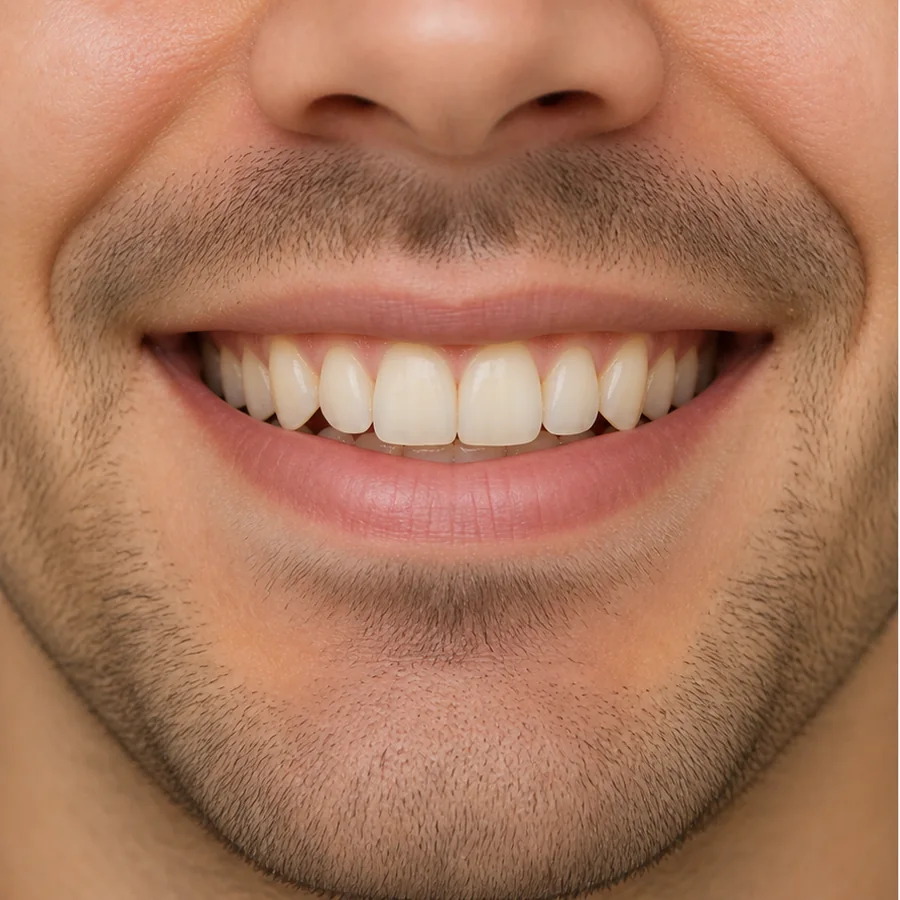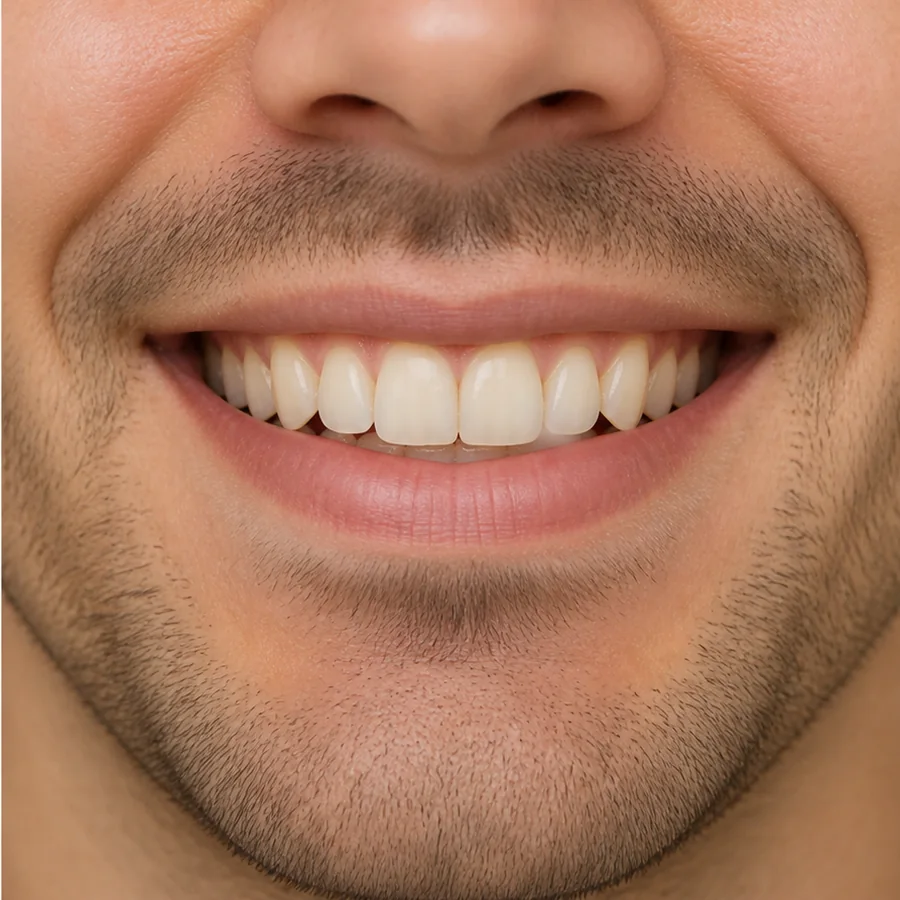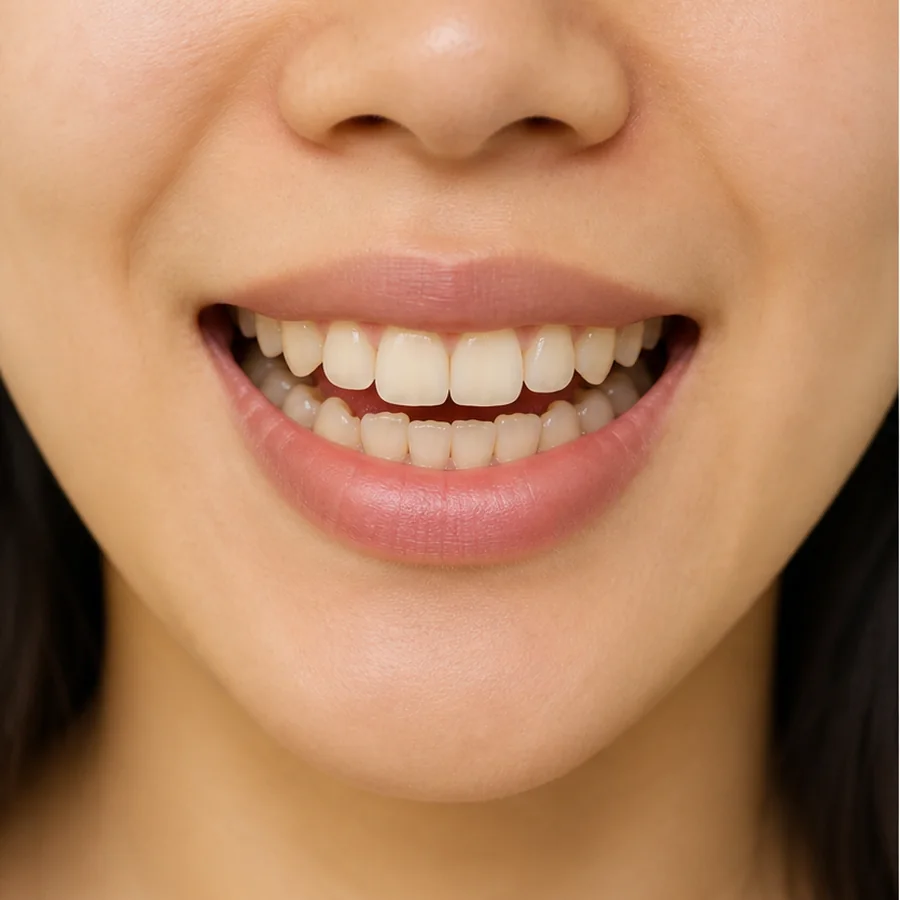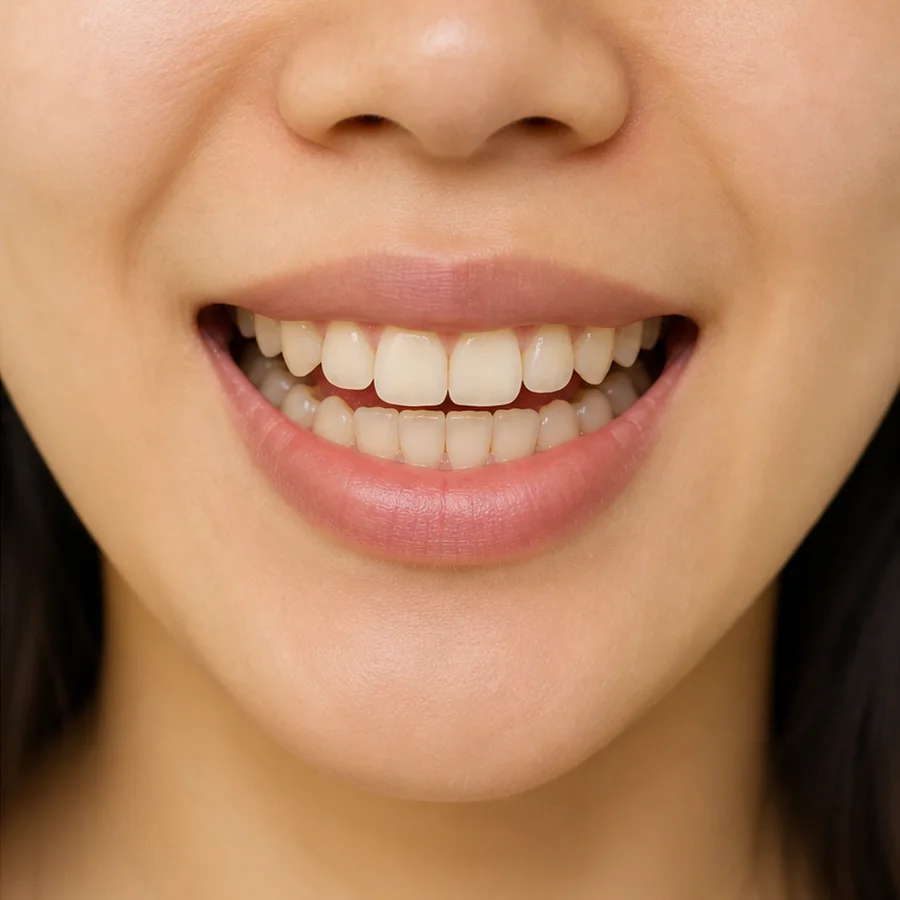
First, separate three different treatment models
In-office treatment usually begins with an examination, radiographs when indicated, photographs, and an intraoral scan or impression. The dentist or orthodontist sees you at scheduled appointments and can make chairside adjustments.
Clinician-directed remote treatment collects records remotely or through a partner, assigns a licensed dental professional, and monitors treatment through photographs, video, messaging, or a digital platform. It should have clear limits and a route to in-person care.
Unsupervised or unclear direct-to-consumer treatment is different. If you cannot identify the professional responsible for diagnosis and follow-up, you cannot evaluate accountability. The American Dental Association warns against moving teeth without the involvement of a licensed dentist.
At-home and in-office care compared
| Question | Clinician-directed at home | In office |
|---|---|---|
| How records are captured | At-home impressions, photographs, partner scan, or a combination | Intraoral scan or impression, photographs, exam, and other records as indicated |
| Who plans treatment | A licensed professional should be named and responsible | The treating dentist or orthodontist |
| Monitoring | Remote photos, messaging, video, or digital monitoring | Scheduled chairside visits, sometimes with remote tools between visits |
| Best fit | Selected cases suitable for remote records and monitoring | Simple through complex cases, depending on the clinician and appliance |
| Escalation | Must include instructions for in-person care when needed | Direct examination and appliance adjustment are available |
Why an impression or scan is only one part of diagnosis
An impression or digital scan records the visible shape and position of the teeth. It does not show roots, jawbone, unerupted teeth, infection, or every cause of pain. The AAO notes that radiographs and comprehensive records can reveal problems below the surface that matter before teeth are moved.
A responsible program should tell you when a recent dental exam or X-rays are needed and when remote records are insufficient. Our guide to dental impressions versus 3D scans explains what each record can—and cannot—capture.
Five signs of accountable remote supervision
- You are told the name, professional role, and licensed jurisdiction of the person responsible for care.
- The provider reviews health history and current dental concerns before approving movement.
- You receive a personalized treatment preview and realistic limitations.
- There is a defined monitoring schedule and a way to report pain, poor fit, or damage.
- The provider can pause treatment or refer you for an in-person exam when records show a concern.
The ADA's teledentistry policy says patients should know who is evaluating their information, what costs they are responsible for, and how follow-up care will be handled.
Which cases may need in-office orthodontics?
Complex bite problems, impacted teeth, substantial jaw discrepancies, severe crowding, active gum disease, significant restorative needs, or movements requiring attachments and chairside procedures may need in-person care. The exact boundary is clinical, not promotional.
Review what Hello My Teeth treats, but remember that an online list is not approval. The candidacy assessment is a screening step; the record review determines whether the model fits your case.
How the Hello My Teeth remote process is presented
Hello My Teeth describes its service as doctor-directed, with impressions or a scan, a 3D treatment preview, and ongoing support. The How It Works page explains the published steps, and Our Doctors explains the oversight model.
Before paying, confirm the current record requirements, the professional responsible for your case, the monitoring schedule, and what happens if you need local in-person care. Contact the care team through the Contact page if any part of that pathway is unclear.
How to choose between at-home and in-office treatment
Choose the model that can diagnose and manage your actual case. Remote care may reduce travel and offer a lower published package price for selected cases. In-office care provides direct examination and a wider range of chairside interventions. Neither label guarantees quality on its own.
The best provider is the one that clearly explains limitations, accepts responsibility, collects adequate records, and has a practical plan for problems—not simply the one that sends aligners fastest.
Frequently asked questions
Are at-home clear aligners safe?
They may be appropriate for selected cases when a licensed dental professional diagnoses, plans, and monitors treatment and refers for in-person care when needed. Avoid programs with unclear responsibility or inadequate records.
Do I need X-rays before clear aligners?
The need depends on your history, symptoms, recent records, and the planned movement. X-rays can show roots and bone that impressions and surface scans cannot. Follow the treating professional’s requirement.
Is an impression kit the same as a dental exam?
No. It records tooth surfaces for a model. It does not diagnose decay, gum disease, root problems, or jawbone conditions.
Can remote treatment handle emergencies?
A remote team should give clear instructions and refer you to local urgent or routine dental care when an issue cannot be assessed or treated remotely.
Sources and review notes
This article was prepared by the Hello My Teeth Editorial Team using the sources below. It is general education, not an individualized diagnosis, treatment plan, insurance determination, or tax opinion.
- American Association of Orthodontists: At-Home Orthodontics
- American Dental Association: Dentist-Supervised Care
- American Dental Association: Teledentistry Policy
- PubMed: Indications and Limits of Clear Aligner Therapy
Want a plan built for your smile?
Take the candidacy check, then provide the records requested for a licensed professional to determine whether a Hello My Teeth plan fits your case.