Edge-to-edge bite.
Understand your options.
When front teeth meet edge to edge, treatment planning focuses on their contacts, tooth wear and the wider bite relationship.
Explore my candidacy →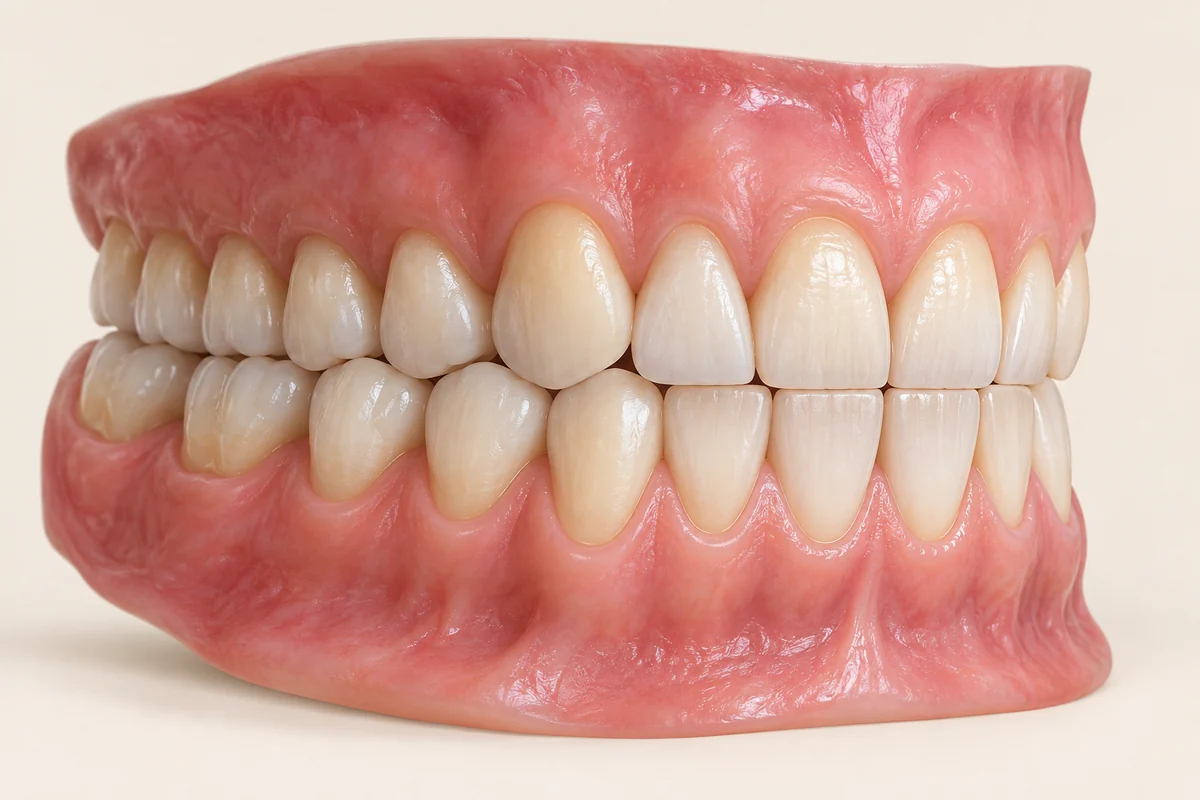
Understanding edge-to-edge bite
An edge-to-edge anterior bite occurs when the cutting edges of the upper and lower front teeth meet with little or no vertical overlap. It differs from an open bite, where they do not meet, and an underbite, where the lower front teeth sit ahead.
The position may relate to tooth inclination, jaw relationships or the way the jaw moves into its bite. Your clinician should assess wear, chips and the back-tooth contacts before deciding whether correction is needed.
When aligners may help
Selected dental edge-to-edge relationships may be addressed within a supervised aligner plan. Changing the contact can require coordinated movement in both arches. The goal and sequence should be explained in relation to the whole bite.
Where treatment has limits
Existing enamel loss cannot be regrown by orthodontic movement. A plan may need restorative care as well as tooth movement. A substantial skeletal discrepancy or ongoing wear calls for a comprehensive assessment rather than an assumption that trays alone are sufficient.
Plan for your whole smile
Before recommending movement, a dental professional needs to assess your teeth, gums, bite and relevant dental history. Records may include photographs, scans or impressions and X-rays when clinically indicated. Any active decay or gum disease needs appropriate care first.
Aligners used in comprehensive orthodontics may involve attachments, elastics, space-management procedures or regular office visits. These options are not necessarily part of a remote aligner service. Hello My Teeth eligibility must be confirmed individually; inclusion in this guide does not mean every case is accepted.
Ask your clinician
- Is there active wear or damage at the front-tooth edges?
- Is the relationship dental or skeletal?
- Would restorative treatment be needed alongside orthodontics?
Time, cost and follow-up
Ask for a written estimate based on your diagnosis, including the wear schedule, monitoring, possible refinements and retainers. The condition name alone cannot predict treatment time or price. See current plans and pricing and confirm what your recommended plan includes.
Edge-to-edge bite and clear aligners
Is an edge-to-edge bite an underbite?
They are different relationships. In an edge-to-edge bite the cutting edges meet; in an underbite the lower front teeth are positioned ahead of the upper teeth.
Can aligners repair worn tooth edges?
No. Aligners move teeth; they do not replace lost tooth structure. Your dentist can discuss whether a restorative procedure is also appropriate.
Can this bite be treated remotely?
Eligibility cannot be established from the label alone. An in-person assessment may be needed to evaluate contact, wear and jaw relationships.
Further reading: ClearCorrect: Patient information on alignment conditions. Educational information; updated September 30, 2026.
Related alignment concerns
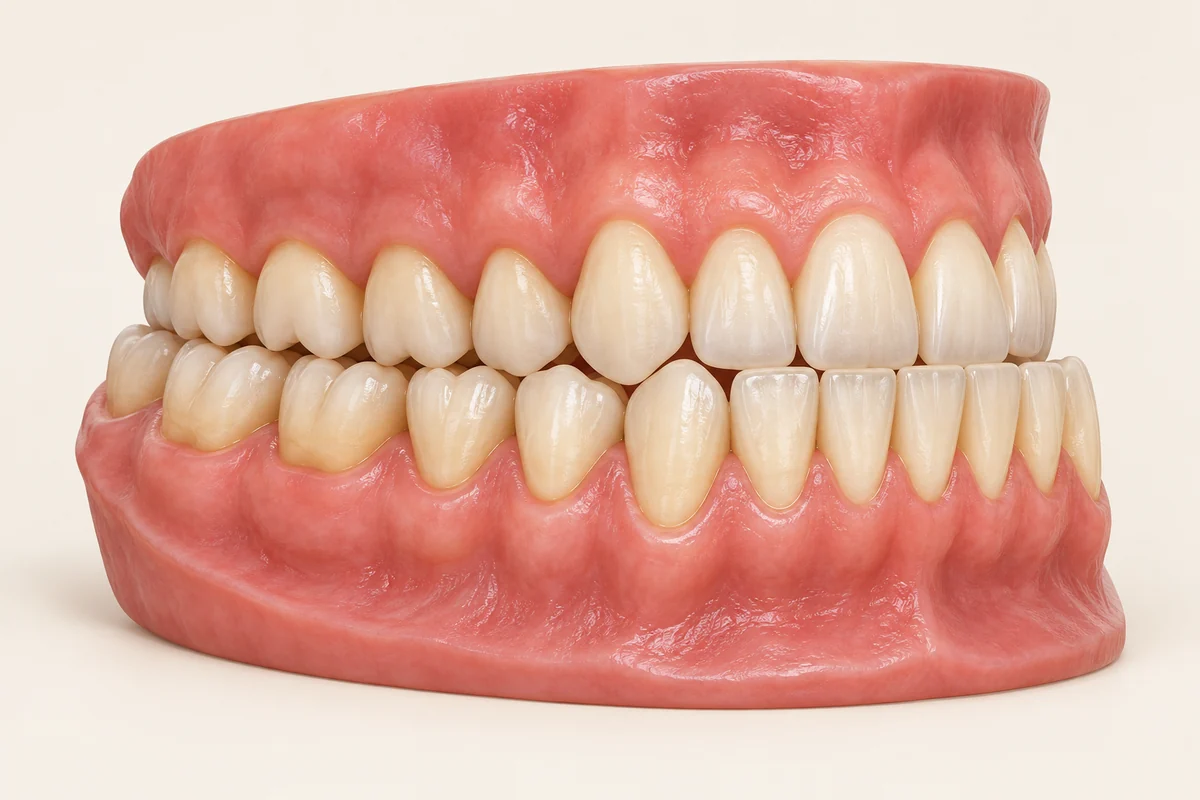
Underbite
Lower front teeth sit ahead of the upper front teeth.
Explore this case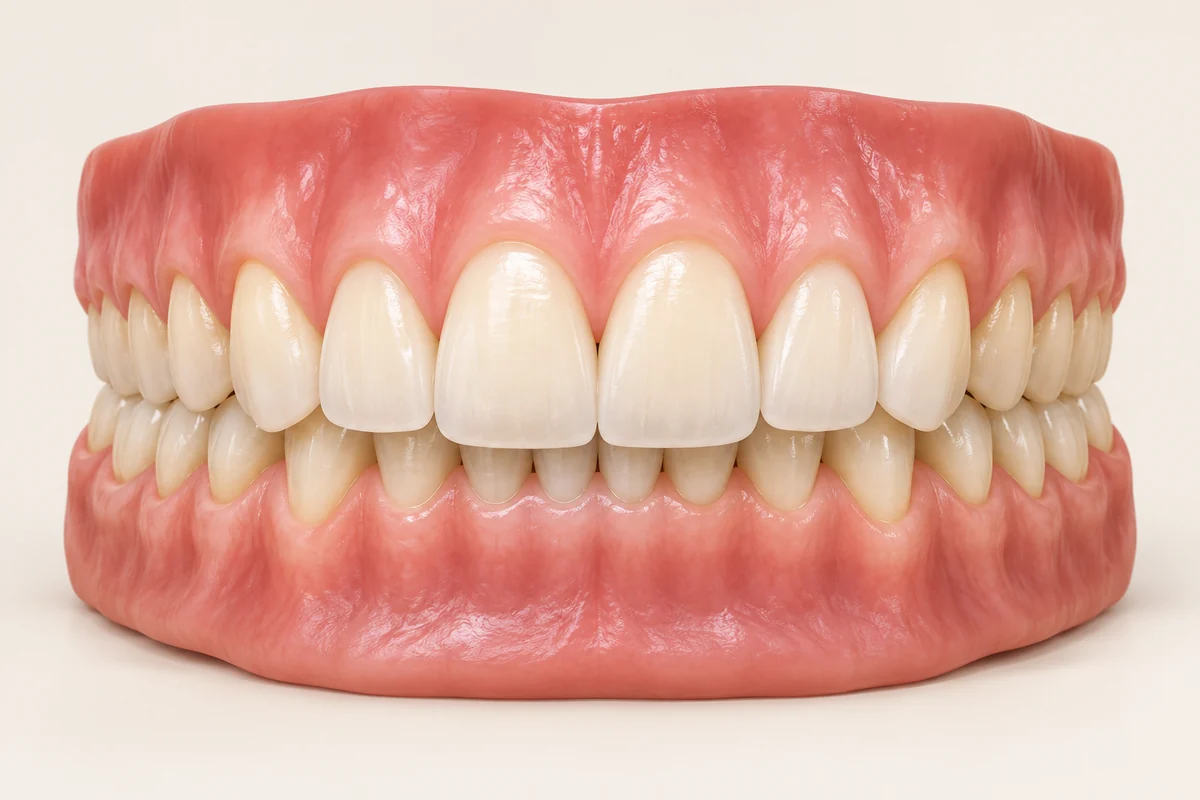
Overbite and deep bite
Excessive vertical overlap of the front teeth.
Explore this case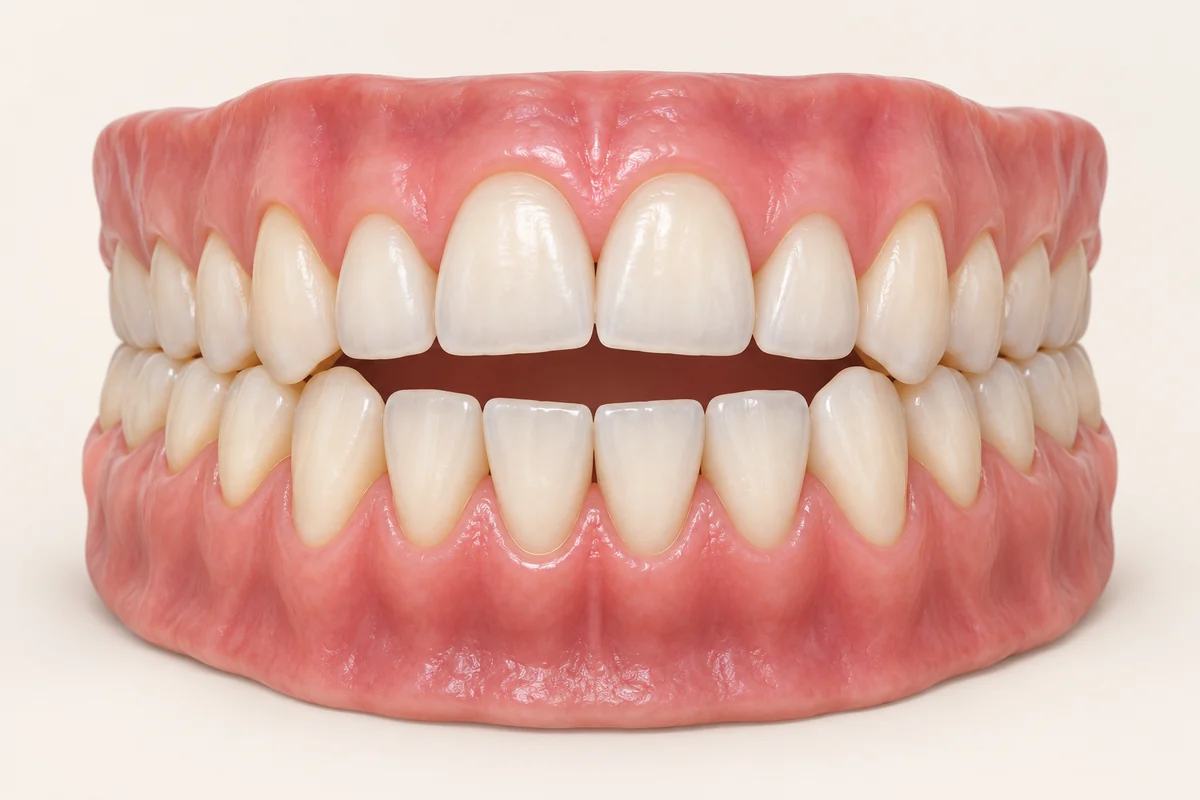
Open bite
Some upper and lower teeth do not meet when the bite closes.
Explore this caseA plan starts with
understanding your smile.
An online questionnaire is a starting point. A dental professional must confirm your oral health, diagnosis and treatment suitability.
Check my candidacy Read the clear aligners guide