Orthodontic relapse.
Understand your options.
If your smile has changed since braces or aligners, start with a fresh assessment rather than forcing an old retainer to fit.
Explore my candidacy →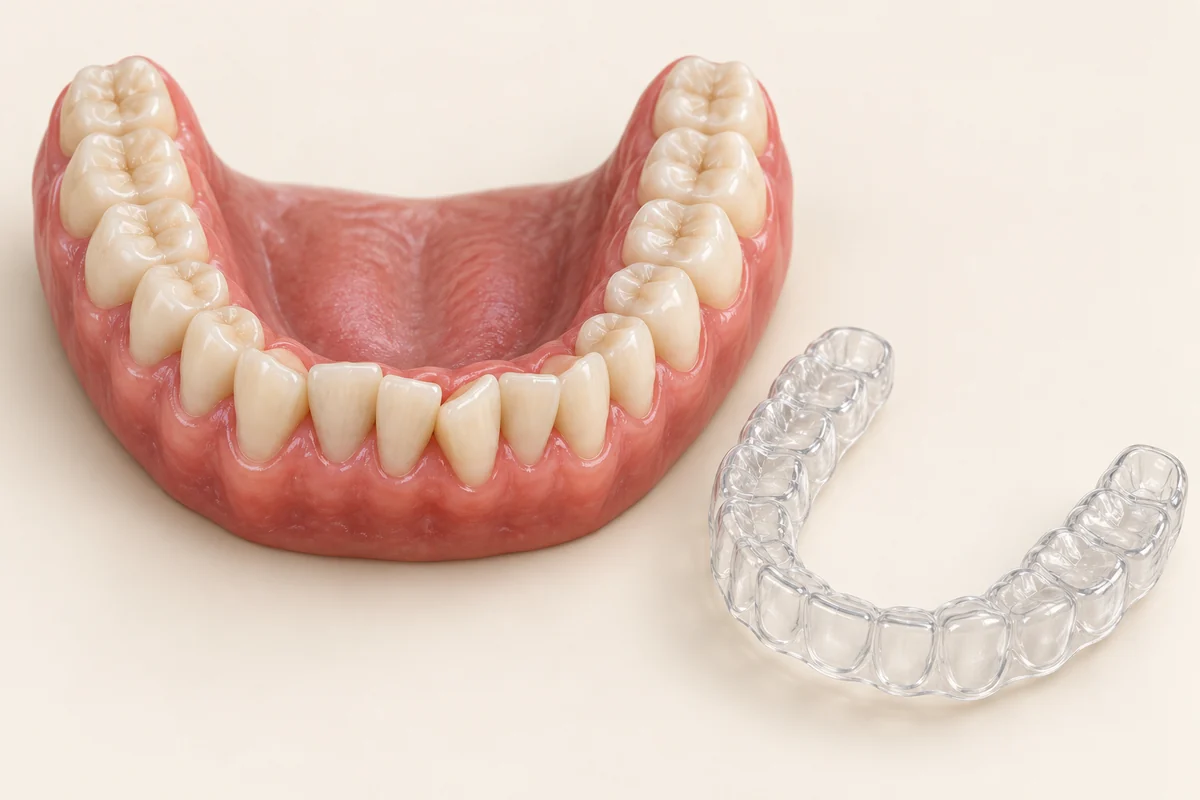
Understanding orthodontic relapse
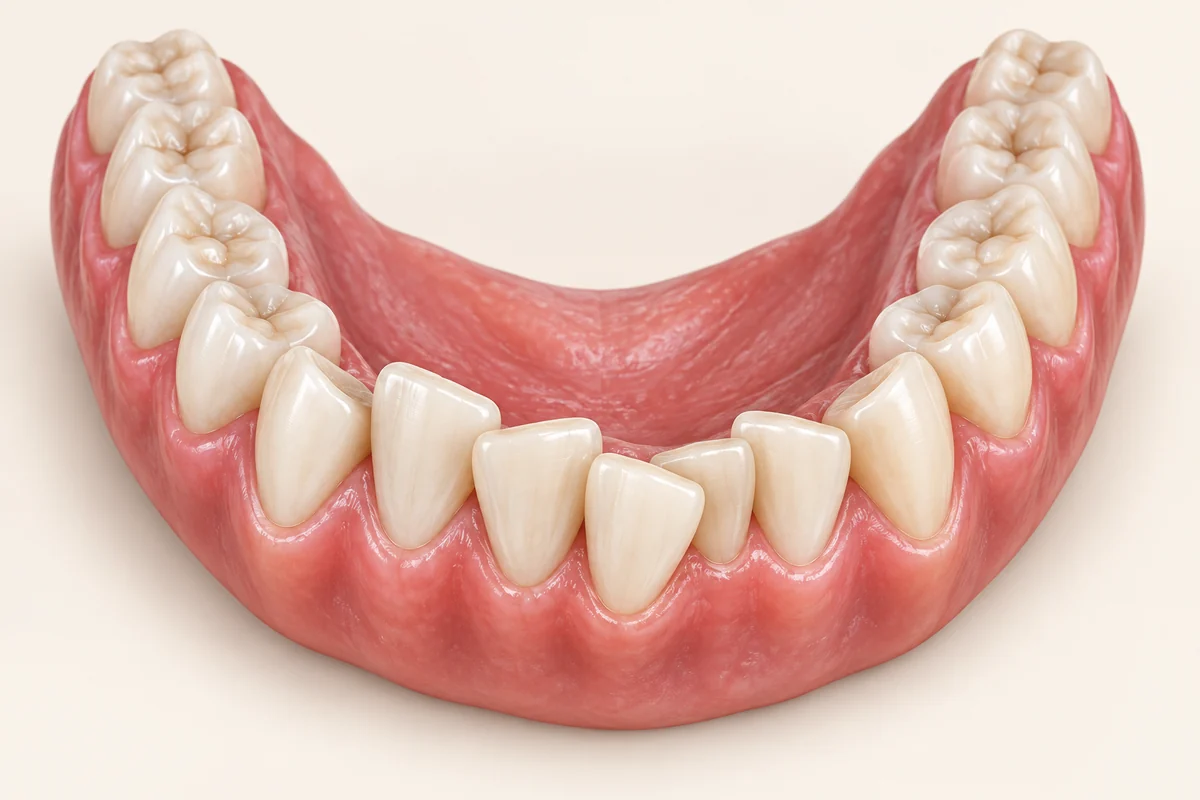
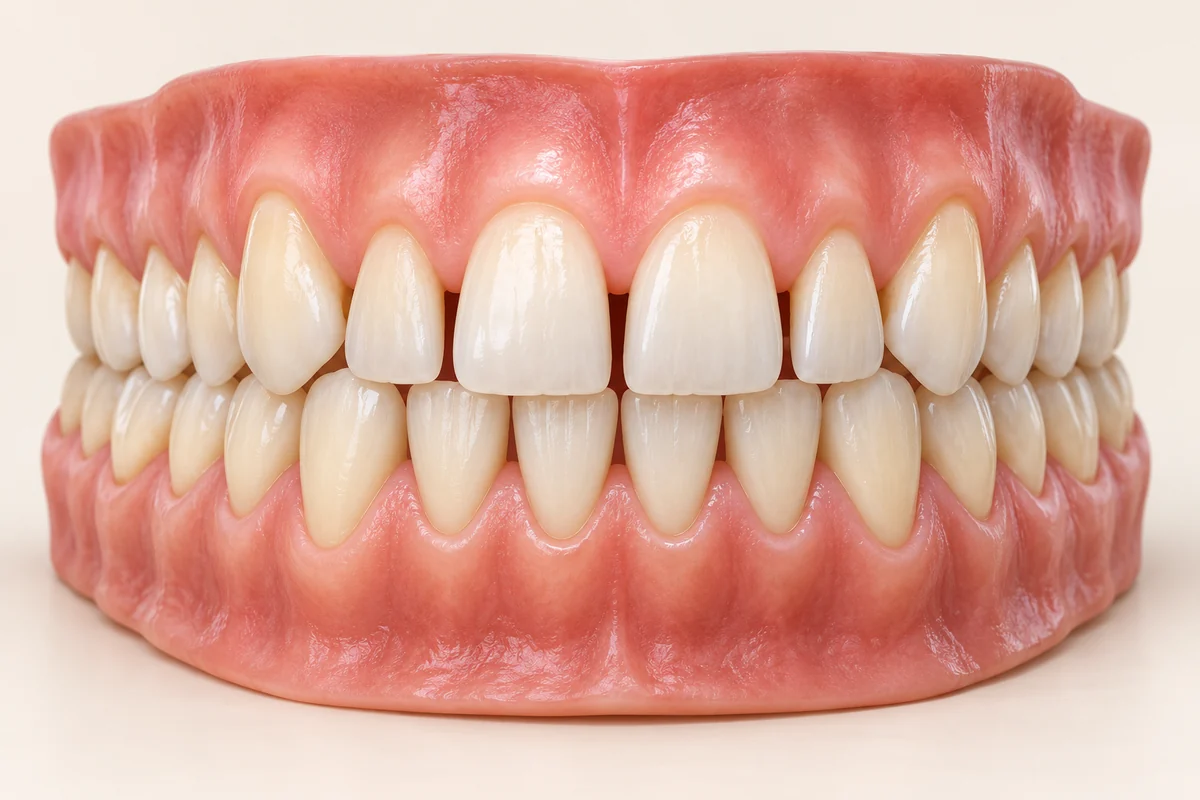
Orthodontic relapse describes unwanted tooth movement after previous treatment. It may appear as renewed crowding, a reopened gap or a changed bite. Changes can develop gradually and do not necessarily mean the original treatment failed.
Retention is an ongoing part of orthodontic care. A history of braces does not automatically make new treatment simple or faster. Your current oral health, bite, restorations and the amount of movement all need review.
When aligners may help
A new aligner plan may be considered for selected relapse cases. The goals may be limited realignment or a more comprehensive correction. Your clinician should compare the intended result with the current bite and explain how the new retention strategy will work.
Where treatment has limits
Do not force a retainer that is painful, distorted or no longer seats. A retainer intended to hold teeth is not a substitute for a professionally planned course of active movement. Larger bite changes need a broader assessment.
Plan for your whole smile
Before recommending movement, a dental professional needs to assess your teeth, gums, bite and relevant dental history. Records may include photographs, scans or impressions and X-rays when clinically indicated. Any active decay or gum disease needs appropriate care first.
Aligners used in comprehensive orthodontics may involve attachments, elastics, space-management procedures or regular office visits. These options are not necessarily part of a remote aligner service. Hello My Teeth eligibility must be confirmed individually; inclusion in this guide does not mean every case is accepted.
Ask your clinician
- How much has changed since my previous treatment?
- Is a new retainer sufficient, or is active treatment needed?
- What long-term retention and replacement plan do you recommend?
Time, cost and follow-up
Ask for a written estimate based on your diagnosis, including the wear schedule, monitoring, possible refinements and retainers. The condition name alone cannot predict treatment time or price. See current plans and pricing and confirm what your recommended plan includes.
Orthodontic relapse and clear aligners
Can I wear my old retainer to move teeth back?
Ask your clinician first. A poorly fitting retainer should not be forced onto the teeth. They can determine whether it remains suitable or whether another approach is needed.
Will relapse treatment be quicker because I had braces?
Not necessarily. Treatment duration depends on the movements required now, not just your treatment history.
Will I still need retainers after another course of aligners?
Yes. Discuss the type, wear schedule, checks and replacement arrangements before starting another course.
Further reading: AAO: Why retainers are necessary. Educational information; updated September 30, 2026.
Related alignment concerns
A plan starts with
understanding your smile.
An online questionnaire is a starting point. A dental professional must confirm your oral health, diagnosis and treatment suitability.
Check my candidacy Read the clear aligners guide