Crowded teeth.
Understand your options.
When teeth overlap or sit out of line, the first step is understanding how much space is needed and where it can safely come from.
Explore my candidacy →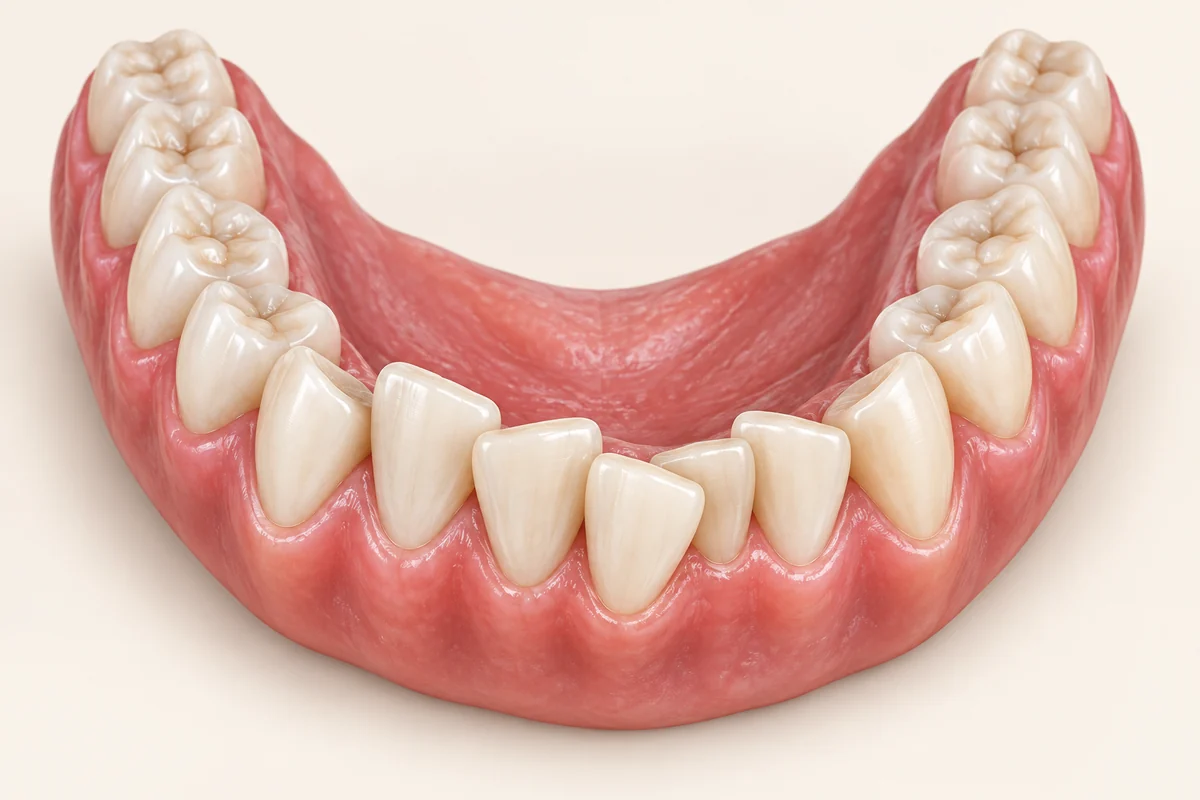
Understanding crowded teeth
Crowding describes a mismatch between the space available in the dental arch and the space the teeth need. Teeth may overlap, turn or sit toward the tongue or cheek. The amount of visible overlap alone does not show the position of roots or the health of the surrounding bone.
Crowding can involve the upper arch, lower arch or both. A narrow-looking smile is not automatically a reason to widen the teeth. Your clinician needs to consider the complete bite and the limits of the supporting tissues before recommending movements.
When aligners may help
Clear aligners may be considered for selected crowding cases. A plan can involve several types of movement rather than simply pushing teeth apart. Some treatment plans require attachments, carefully planned space creation or other procedures carried out in person.
Where treatment has limits
Significant crowding, teeth blocked out of the arch, gum recession or limited bone support can make treatment more complex. Extraction decisions and enamel reshaping require a professional assessment; they are not steps to attempt at home.
Plan for your whole smile
Before recommending movement, a dental professional needs to assess your teeth, gums, bite and relevant dental history. Records may include photographs, scans or impressions and X-rays when clinically indicated. Any active decay or gum disease needs appropriate care first.
Aligners used in comprehensive orthodontics may involve attachments, elastics, space-management procedures or regular office visits. These options are not necessarily part of a remote aligner service. Hello My Teeth eligibility must be confirmed individually; inclusion in this guide does not mean every case is accepted.
Ask your clinician
- How much space does my case require?
- Would my plan require attachments, enamel reshaping or extractions?
- How will the proposed movements affect my bite and gum margins?
Time, cost and follow-up
Ask for a written estimate based on your diagnosis, including the wear schedule, monitoring, possible refinements and retainers. The condition name alone cannot predict treatment time or price. See current plans and pricing and confirm what your recommended plan includes.
Crowded teeth and clear aligners
Can aligners straighten crowded lower front teeth?
They may be an option after assessment. Small visible overlaps can still involve challenging movements, so suitability depends on more than a photograph.
Will my teeth need to be removed?
Not necessarily. Whether extractions are appropriate depends on the whole diagnosis and available space. Your treating professional should explain the alternatives and trade-offs.
Does crowding mean I need a wider arch?
No. Expansion is not appropriate for every case. Your clinician must assess the supporting tissues, tooth positions and bite before deciding how to create space.
Further reading: AAO: Clear aligners. Educational information; updated September 30, 2026.
Related alignment concerns
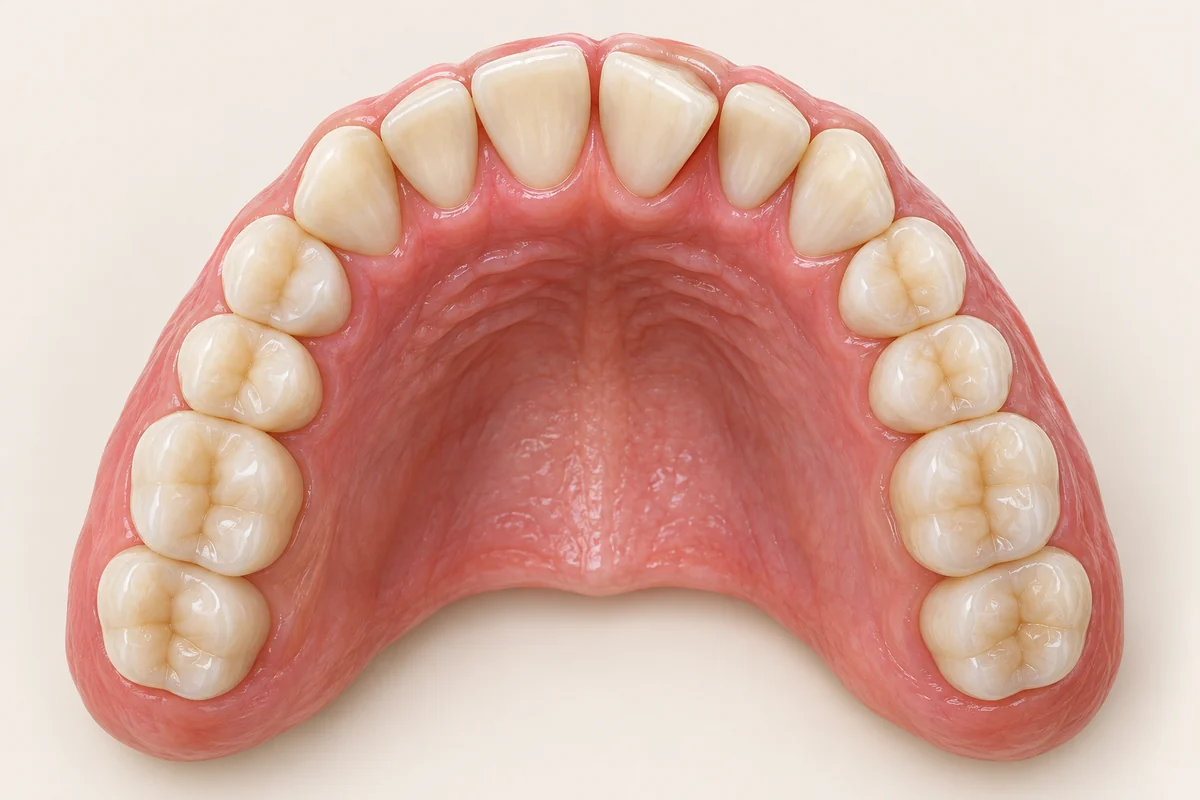
Crooked and rotated teeth
Teeth that turn, tilt or sit out of line.
Explore this case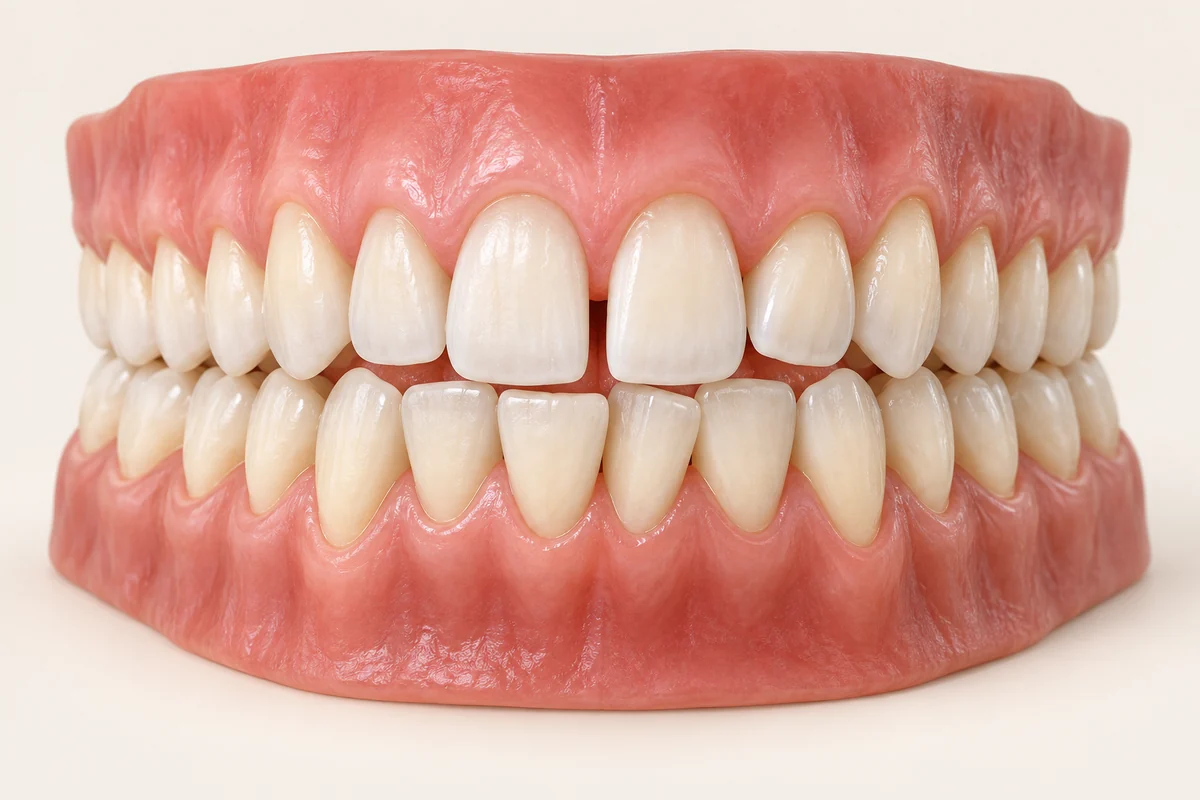
General misalignment
Several alignment or bite concerns occurring together.
Explore this case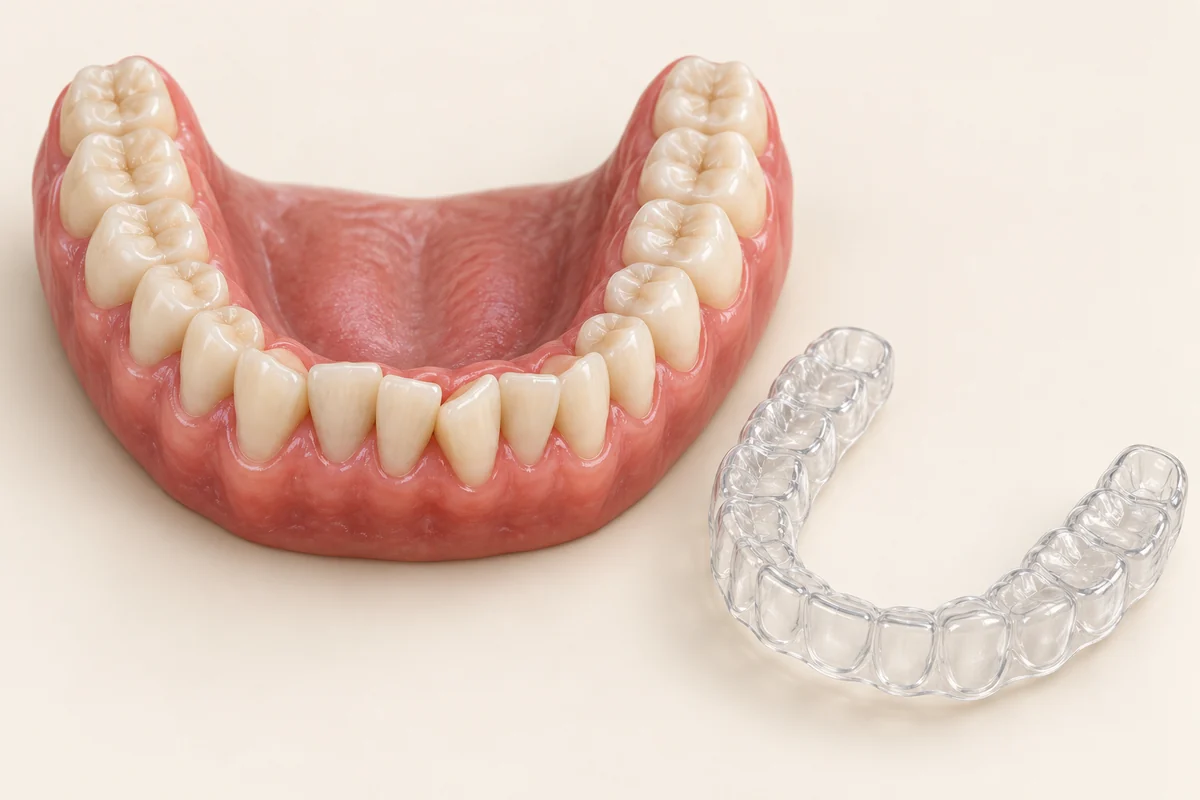
Orthodontic relapse
Teeth shift after previous orthodontic treatment.
Explore this caseA plan starts with
understanding your smile.
An online questionnaire is a starting point. A dental professional must confirm your oral health, diagnosis and treatment suitability.
Check my candidacy Read the clear aligners guide