Crooked and rotated teeth.
Understand your options.
Straightening a tooth is about its full position, including its root and contact with neighboring teeth—not only the visible edge.
Explore my candidacy →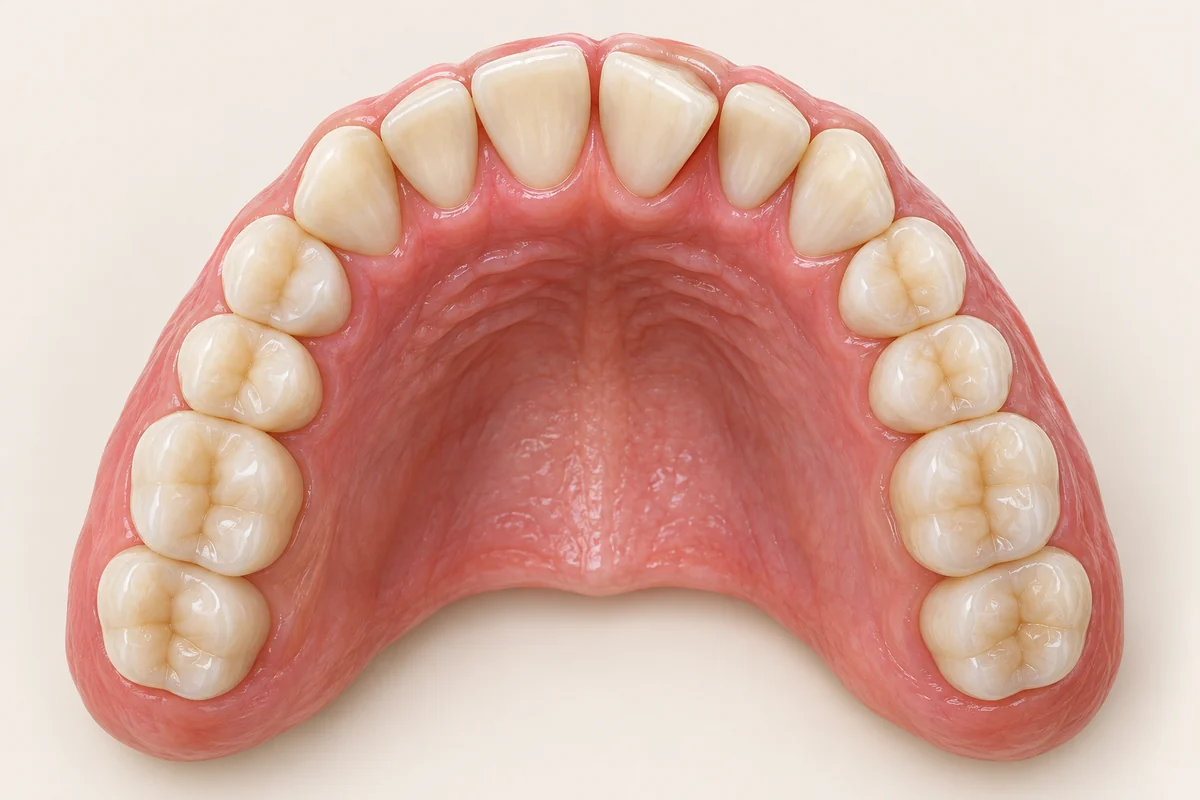
Understanding crooked and rotated teeth
Crooked teeth is a broad everyday term. It may describe rotation around a tooth’s long axis, tipping toward another tooth or a position outside the usual curve of the arch. These movements are different and can require different treatment strategies.
A rotated incisor may be easy to see from the front, while the position of a canine or premolar may be clearer from above. Your professional assessment considers the shape of the tooth, available space and the way both arches meet.
When aligners may help
Selected rotations and tilted teeth may be treated with aligners. A clinician may recommend attachments or additional stages to help control movement. The plan should explain what can realistically change and how progress will be checked.
Where treatment has limits
There is no single rotation angle that determines whether every tooth can be treated remotely. Larger rotations, difficult root movements or teeth blocked out of the arch may require in-person orthodontic treatment or another appliance.
Plan for your whole smile
Before recommending movement, a dental professional needs to assess your teeth, gums, bite and relevant dental history. Records may include photographs, scans or impressions and X-rays when clinically indicated. Any active decay or gum disease needs appropriate care first.
Aligners used in comprehensive orthodontics may involve attachments, elastics, space-management procedures or regular office visits. These options are not necessarily part of a remote aligner service. Hello My Teeth eligibility must be confirmed individually; inclusion in this guide does not mean every case is accepted.
Ask your clinician
- Is the concern rotation, tipping or the position of the whole tooth?
- Will I need attachments or additional space?
- How will you assess whether the tooth is tracking as planned?
Time, cost and follow-up
Ask for a written estimate based on your diagnosis, including the wear schedule, monitoring, possible refinements and retainers. The condition name alone cannot predict treatment time or price. See current plans and pricing and confirm what your recommended plan includes.
Crooked and rotated teeth and clear aligners
Can aligners fix just one crooked tooth?
Possibly, but neighboring teeth and the opposing arch may need to be included in the plan. Moving one tooth without considering the bite can create unwanted contacts.
Are all rotated teeth treated the same way?
No. Tooth shape, the direction of rotation, root position and the available space affect how the movement is planned.
Do attachments mean the aligners are not working?
No. Attachments can be a planned part of clinician-led treatment. Ask whether they are needed for your case and where they would be placed.
Further reading: AAO: Braces and clear aligners. Educational information; updated September 30, 2026.
Related alignment concerns
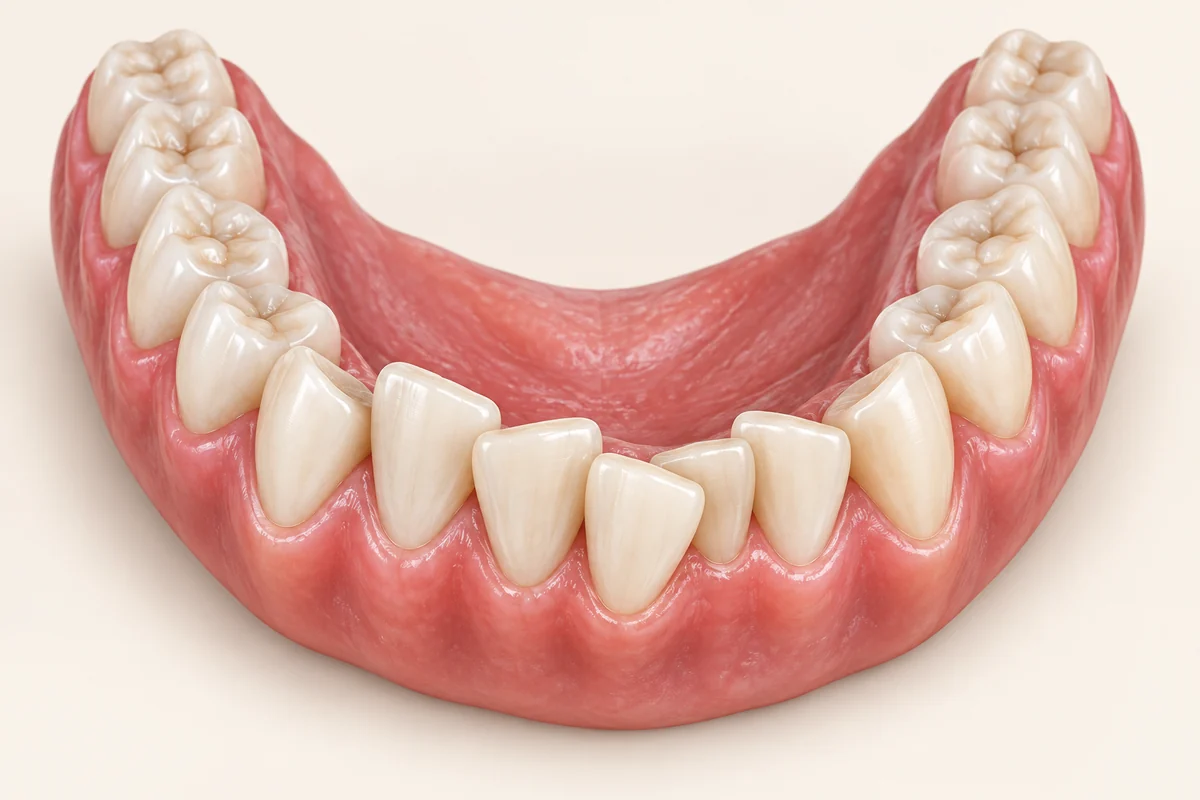
Crowded teeth
Overlapping teeth and limited space in an arch.
Explore this case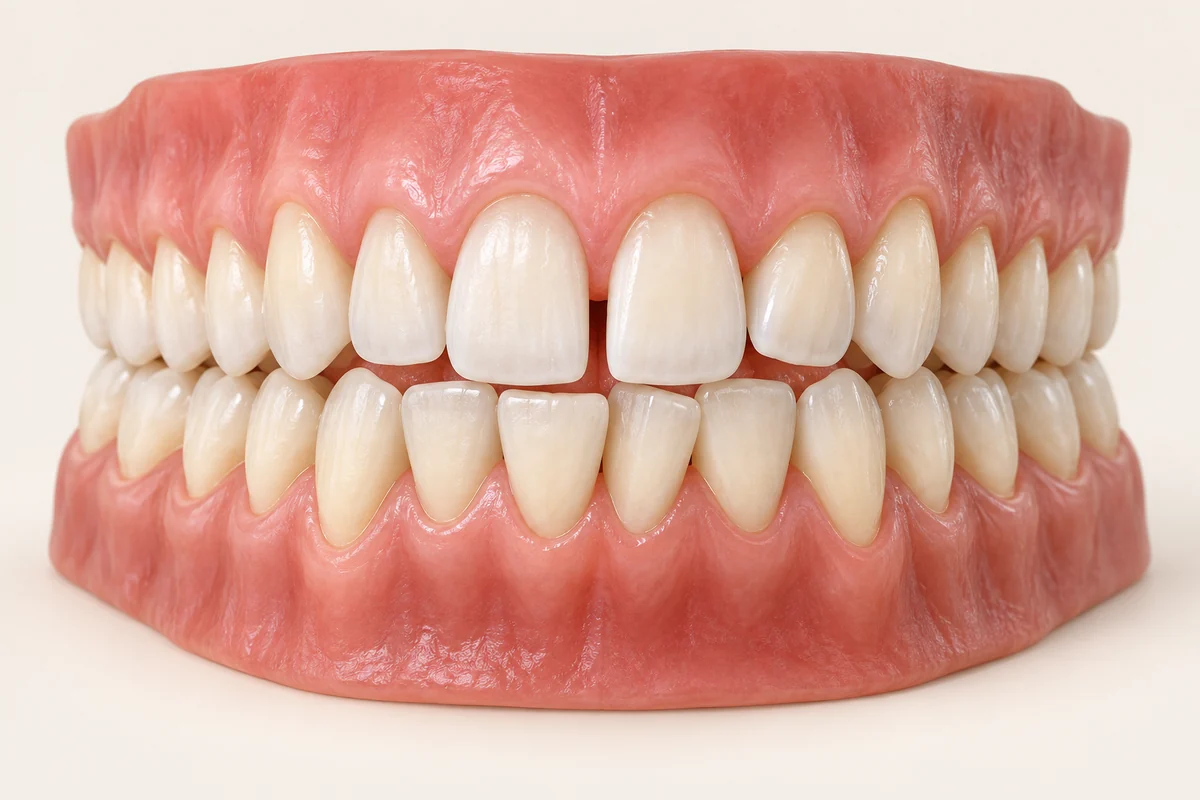
General misalignment
Several alignment or bite concerns occurring together.
Explore this case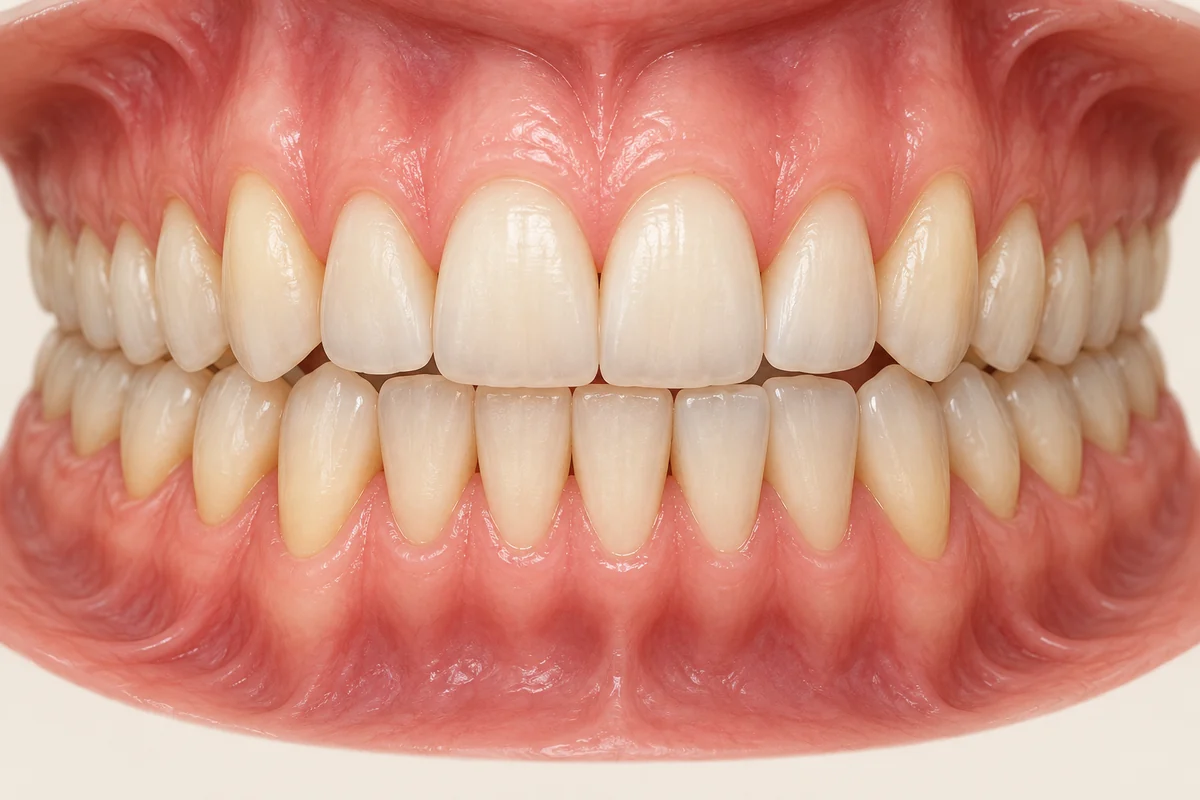
Midline misalignment
The upper and lower dental center lines do not coincide.
Explore this caseA plan starts with
understanding your smile.
An online questionnaire is a starting point. A dental professional must confirm your oral health, diagnosis and treatment suitability.
Check my candidacy Read the clear aligners guide